6 min read
Louisiana was supposed to be settled business this fall. The state backed Donald Trump by 22 points two years ago, and Republicans have won the last five Senate elections there.
Then the early voting numbers landed on Wednesday, and the whole map changed. Black voters cast 34.4 percent of all early ballots in Louisiana, a share that stunned pollsters in both parties.
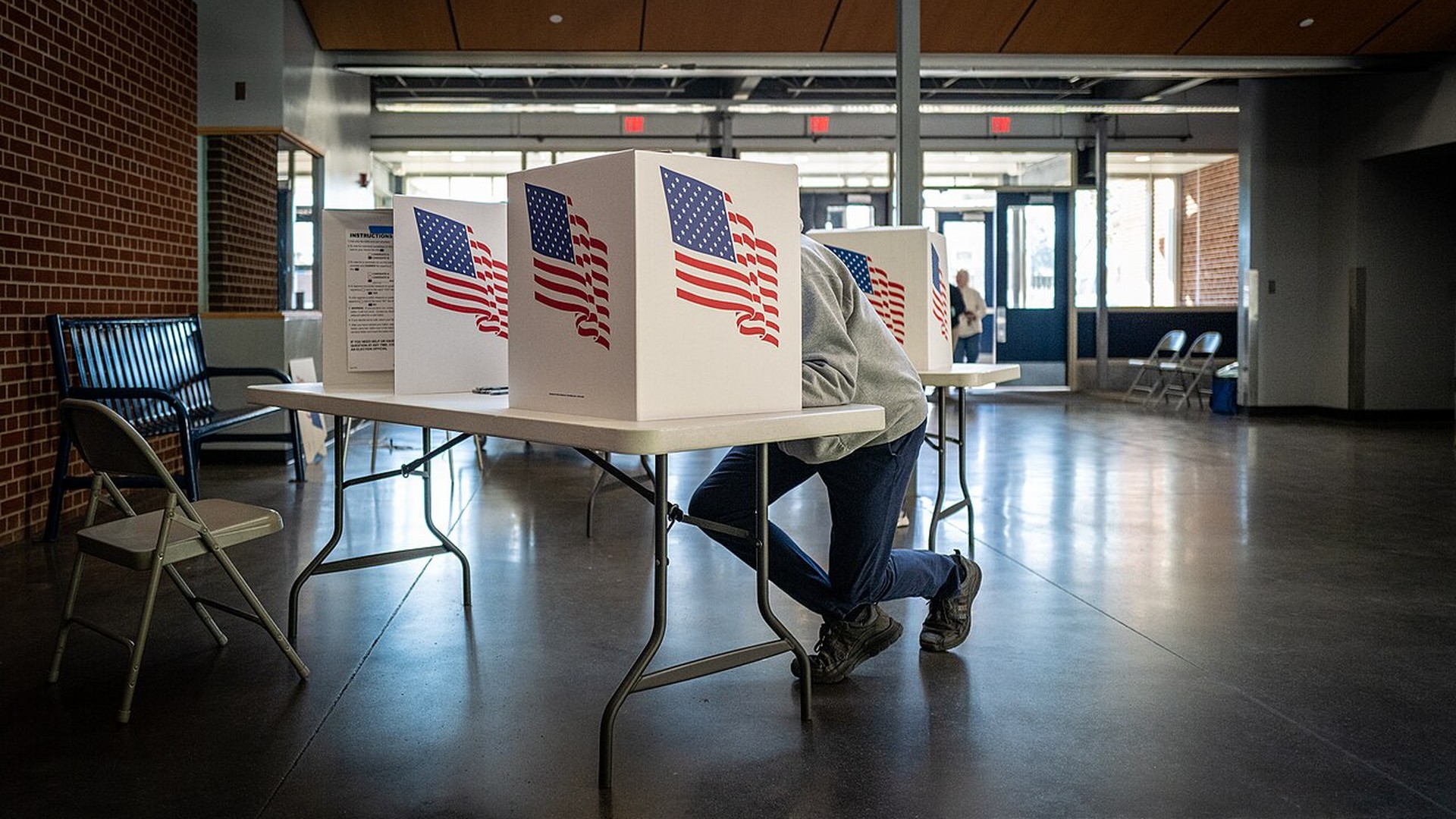
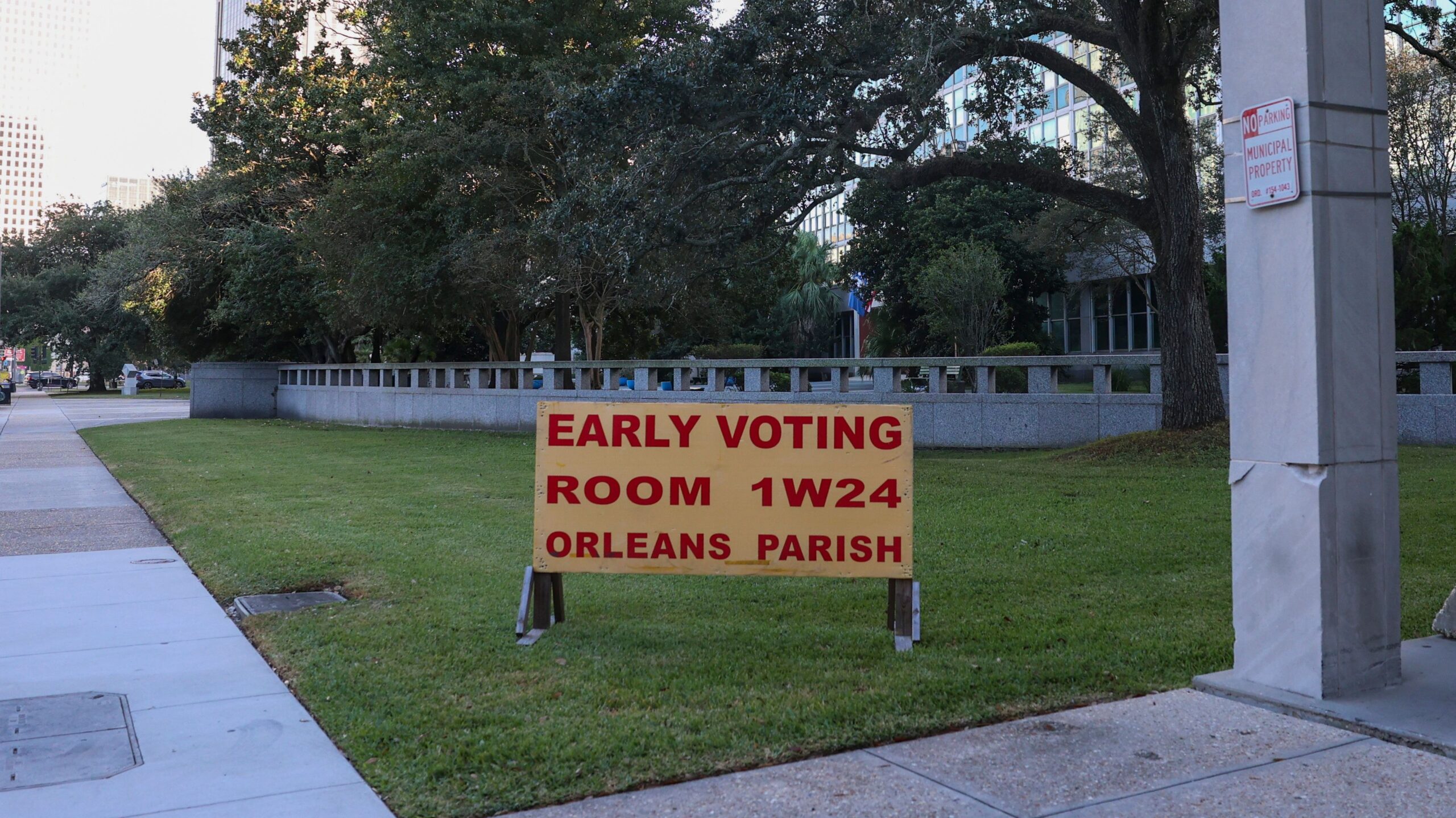
More than 520,000 people voted during the seven days of early voting that ended Tuesday. It was the largest early turnout Louisiana has ever recorded in an election outside a presidential year.
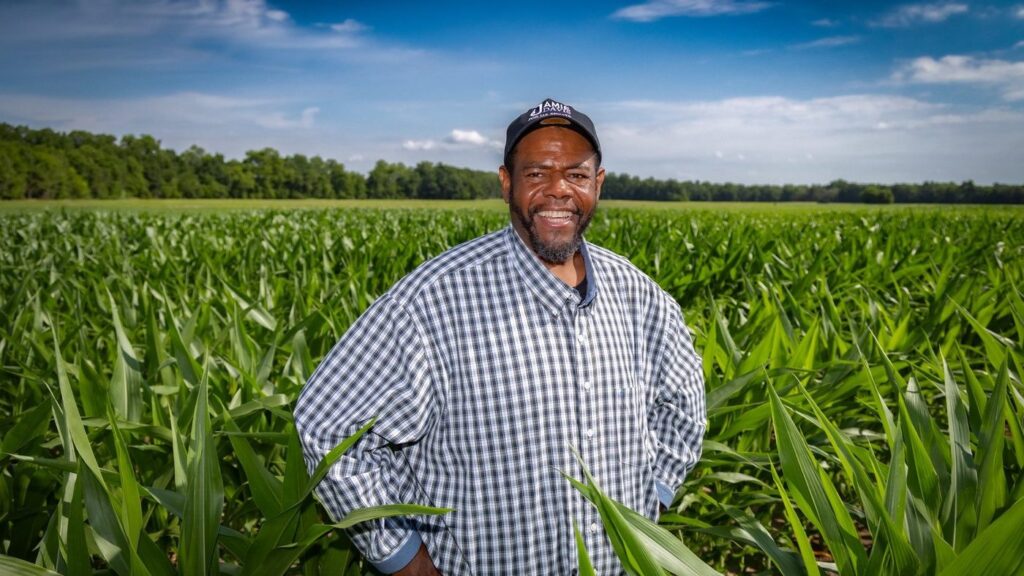
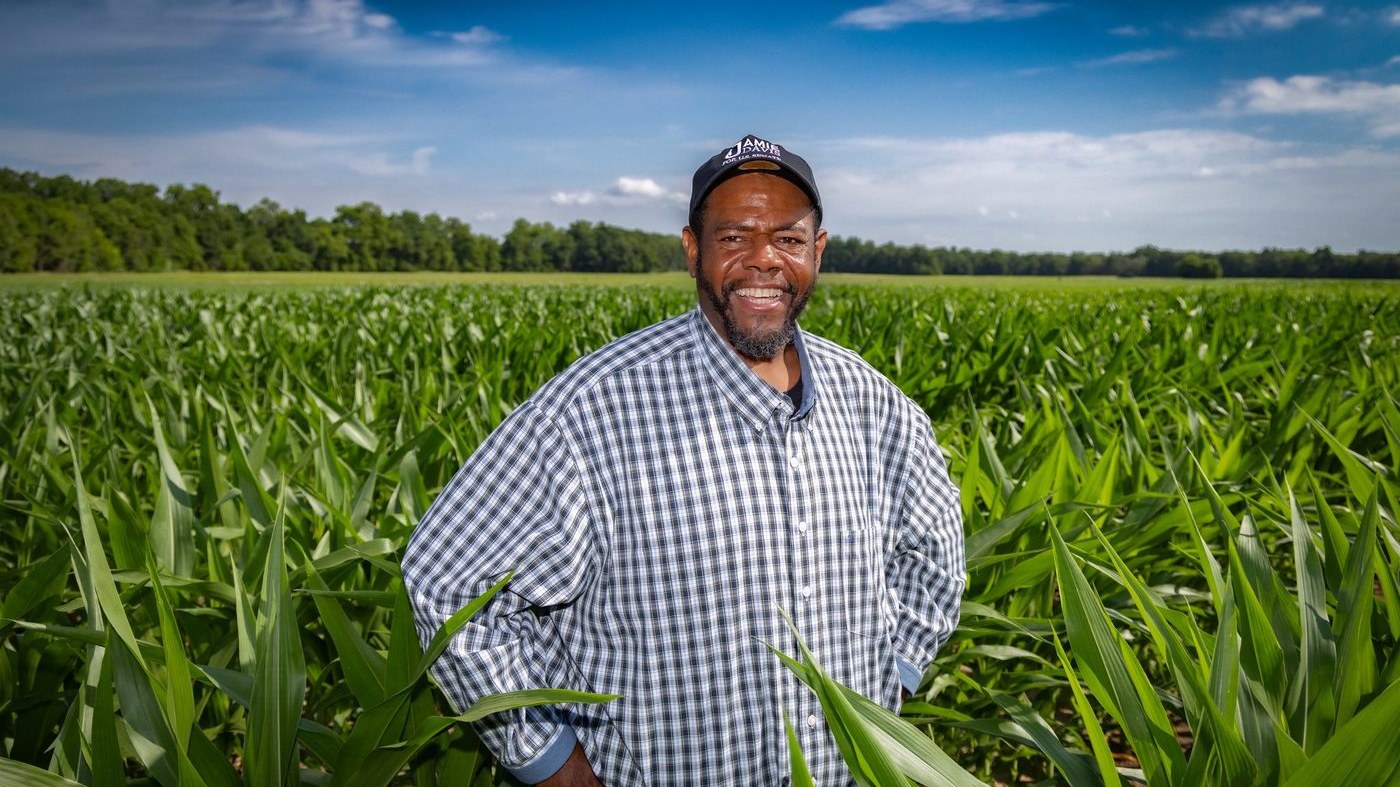
At the center of it stands Jamie Davis, a third generation farmer from Tensas Parish running for the United States Senate. His opponent is Julia Letlow, a third term member of the United States House backed by Trump.
No Black candidate has won a statewide election in Louisiana in 150 years. With five days left before Election Day on November 3, that history is suddenly in play.
Major Takeaways
Black voters made up 34.4 percent of the Louisiana early vote, above their 31.3 percent share of the overall electorate.
Early turnout passed 520,000 ballots, the most Louisiana has ever seen outside a presidential election year.
Democrats outvoted Republicans 42 percent to 39 percent during the early voting period.
A super PAC aligned with the governor answered this week with a 400,000 dollar attack ad against Davis.
Analysts in both parties now call a race that looked safe a genuine contest that independents will decide.
The Numbers Tell the Story
Figures released Wednesday by the Secretary of State show 179,094 Black voters cast early ballots. Their 34.4 percent share sits well above the roughly 26 percent recorded in 2022.
It also towers over recent memory. When Governor John Bel Edwards won reelection in 2019, his team celebrated a Black share of 31.3 percent of the early vote.
This year the figure is closing in on 2008, when Black voters made up about 36 percent of the early vote during Barack Obama first presidential campaign.
Pollster John Couvillon put it plainly. Rarely does Black early voting as a percentage of the whole go above 30 percent, he said, adding that this will be a more competitive Senate race than people think.
The geography tells the same story. Turnout in Orleans Parish and Jefferson Parish jumped 73 percent compared with 2022, while turnout in Tangipahoa Parish and St. Tammany Parish rose 43 percent.
East Baton Rouge Parish led the state with 53,645 early ballots. Orleans Parish followed with 47,645, and Jefferson Parish added 44,086.
Why This Matters for Black Louisiana
The conventional path for a Democrat to win statewide in Louisiana is demanding. It calls for about 90 percent of the Black vote, about 30 percent of the white vote, and Black voters casting at least 32 percent of all ballots.
The early numbers cleared that turnout bar with room to spare. What remains is whether Election Day voting holds the same energy through Tuesday.
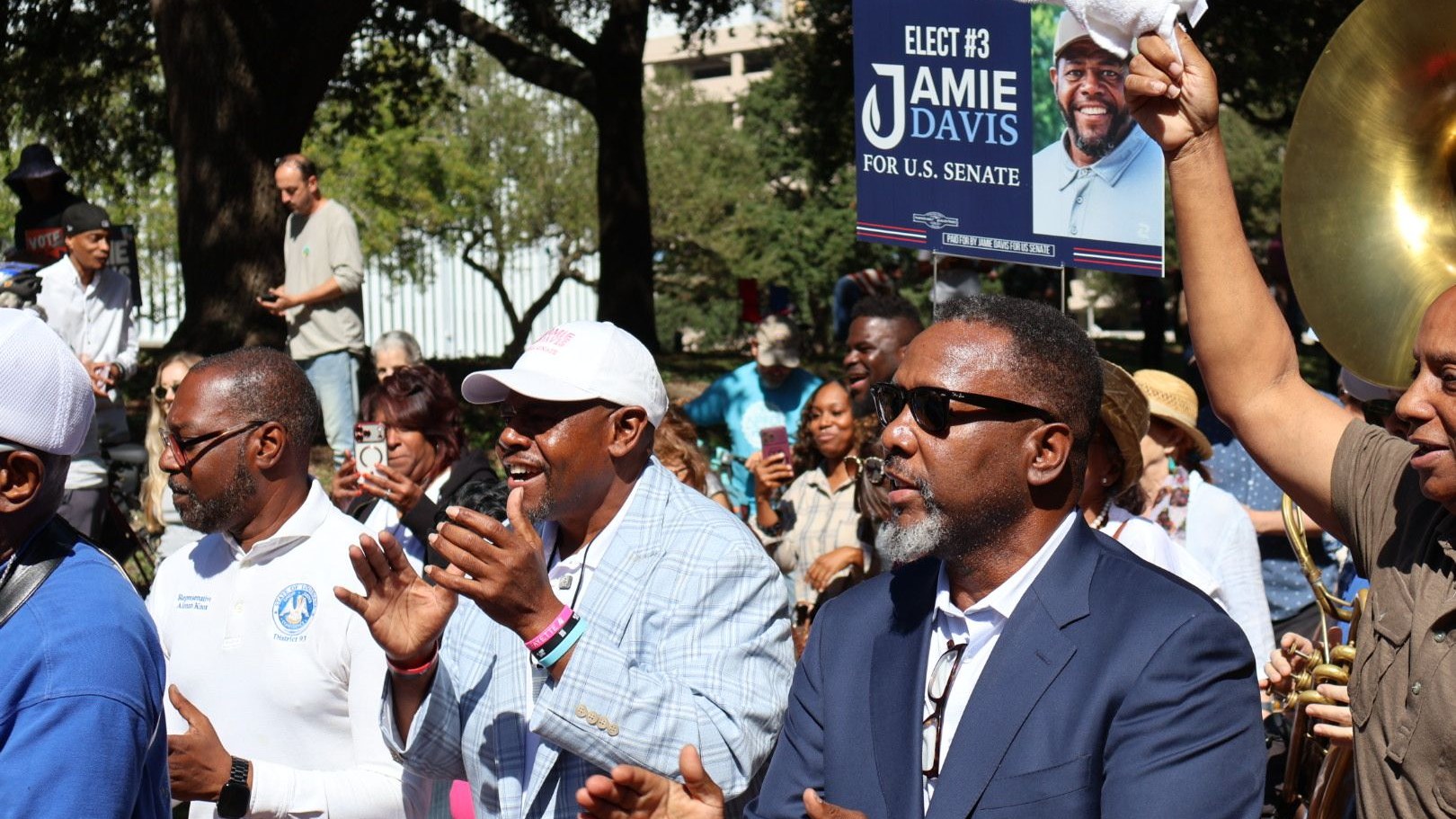
On the final day of early voting, Davis walked to the polls outside New Orleans City Hall in a second line celebration. Former Transportation Secretary Pete Buttigieg, actor Wendell Pierce, and Congressman Troy Carter joined him there.
We are going to vote in record numbers, Carter told the crowd. Davis has spent the fall traveling into corners of the state where Democratic candidates rarely show up in person.
That ground game shows in the money. In the most recent fundraising reports, Davis outraised Letlow three to one, with 90 percent of his donations coming from individual donors.
Read how this surge fits the wider regional picture in our report on Black voters leading the early voting surge across the South.
The Pushback Arrives on Television
The other side has noticed the numbers too. Analysts said the first sign of nerves came Wednesday, when a super PAC called the Accountability Project began spending 400,000 dollars on the first attack ad against Davis.
The group is run by political operatives connected with Governor Jeff Landry. Its ad claims Davis wants gun rights taken away, favors government run medicine, and supports weakened sentences for criminals.
Davis contested those claims the same day. His campaign said Letlow is hiding behind dark money groups pushing a distorted version of his record rather than defending her own.
On the trail, Davis calls himself a gun packing Democrat. He says he carries a rifle on his farm, wants the borders closed, and wants immigration enforcement focused on criminals.
Strategist Roy Fletcher, who has worked for candidates in both parties, summed up the ad buy in one line. They have a problem, Fletcher said. It is called turnout.
Letlow campaign officials projected confidence. Julia Letlow is going to win because she has a proven record of delivering real results for Louisiana, the campaign said in a statement.
Even Republican operative Scott Wilfong predicted a Letlow win of only six to ten points on Wednesday. That margin is far tighter than what he expected just a few weeks ago.
What Election Day Will Decide
Republican divisions could matter on Tuesday. Letlow beat Senator Bill Cassidy and state Treasurer John Fleming to win her nomination with Trump backing, and neither man has endorsed her since.
State Democratic chair Randal Gaines said he spoke Tuesday with national party chair Ken Martin about the race. So far, no national Democratic money has arrived in Louisiana.
Pollster Greg Rigamer expects partisans on both sides to largely cancel each other out on Election Day. Independents will tip the scale, absolutely, he said, noting they make up about 28 percent of the electorate.
The last statewide Democrat to test these waters, Senator Mary Landrieu, lost her reelection in 2014 by 12 points. Davis needs a very different ending, and the early vote says his voters understood the assignment.
Polls across Louisiana will be open on Tuesday, November 3, from 6 in the morning until 8 at night. The Senate race next door is just as tight, as our coverage of the South Carolina Senate race tied at 48 percent shows.
For Black voters in Louisiana, this election has already made one point clear. When they show up early and in force, a state written off as settled has to pay attention.