5 min read
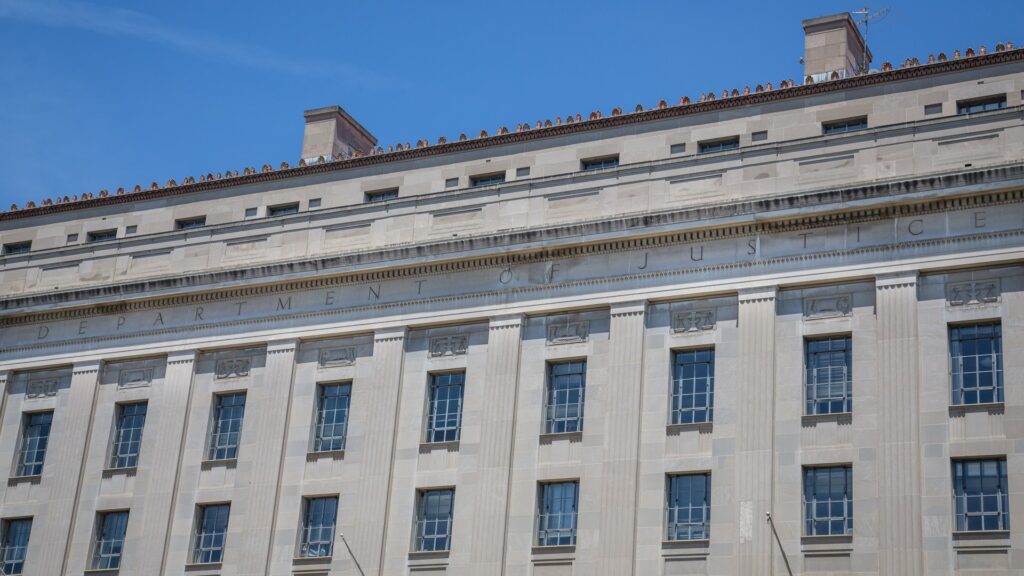
The Justice Department says its poll monitors will not include FBI or ICE staff this fall.
The pledge came in a court filing late on Wednesday.
It landed five days before Election Day on Tuesday, November 3.
The filing answers a lawsuit from the NAACP.
The civil rights group sued to bar law enforcement personnel from monitor roles.
It argued that the plan amounts to voter intimidation.
Major Takeaways
- FBI and ICE staff are out as poll monitors under the court filing.
- Staff from the prisons bureau, the ATF and the DEA will still serve.
- Monitors will be unarmed and told to observe and take notes only.
- The NAACP suit to block the full monitor plan is still before a judge.
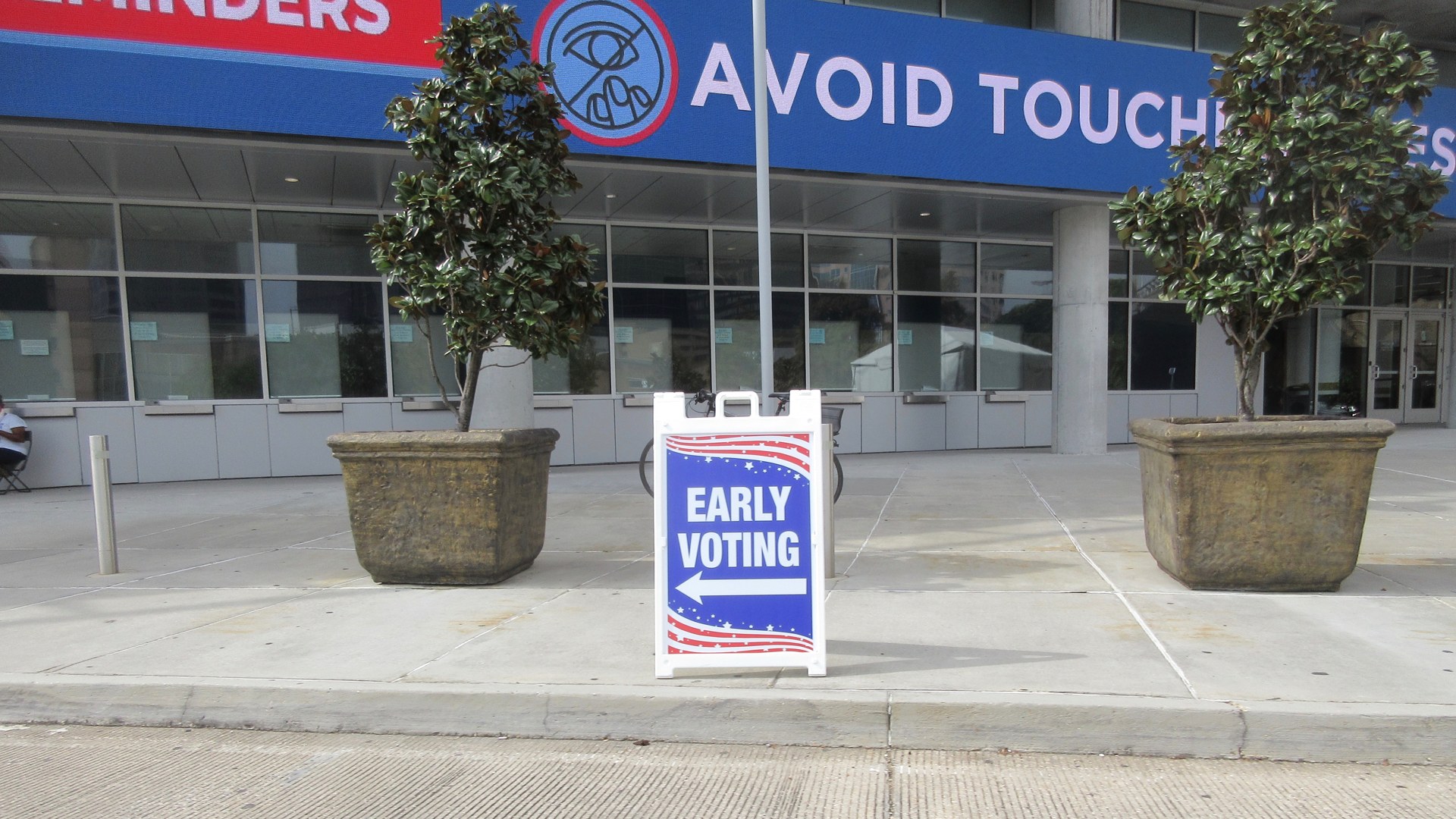
- Election Day is Tuesday, November 3, and early voting is underway.
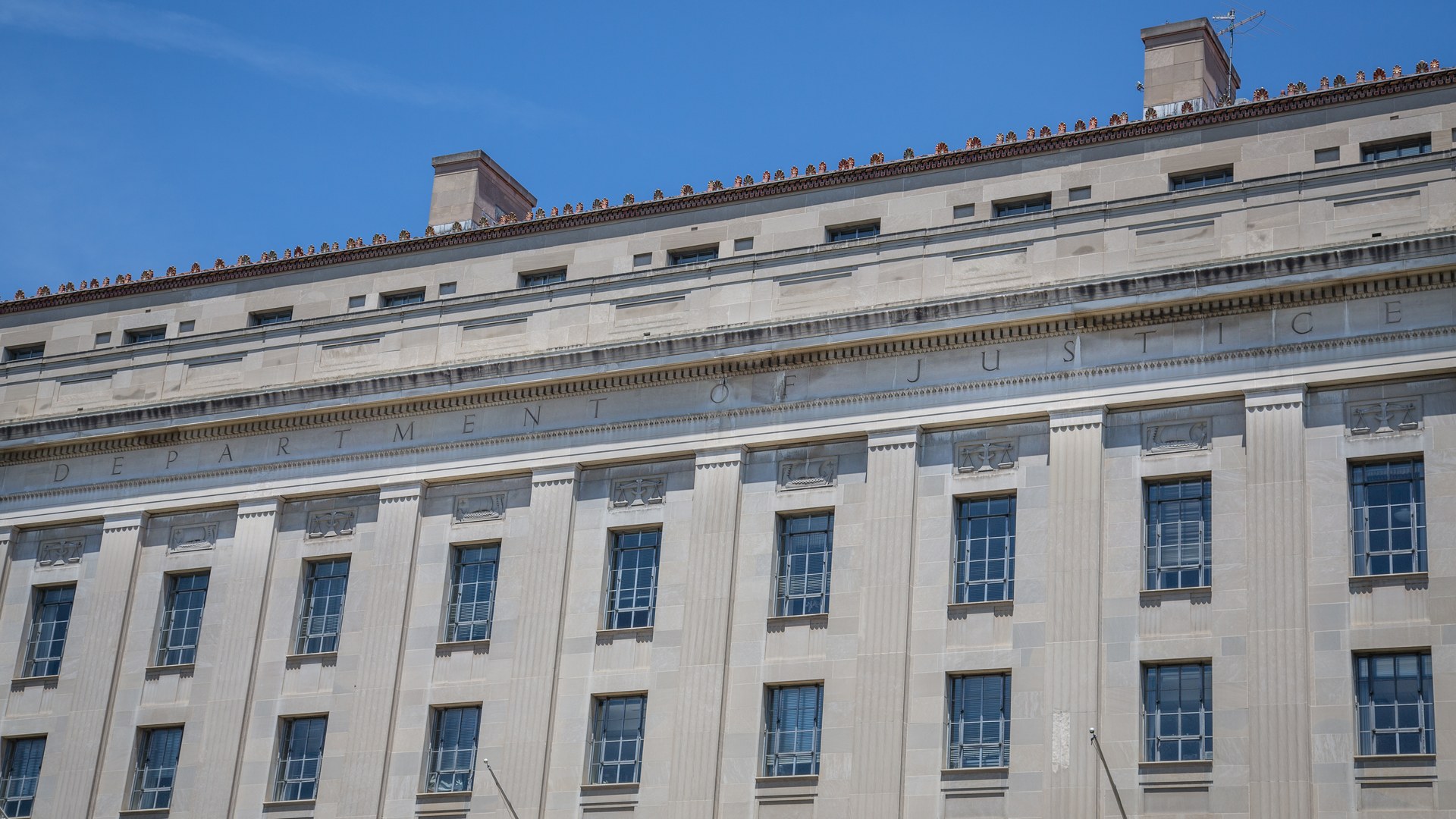
DOJ Poll Monitors Will Watch, Take Notes and Stay Unarmed
The department told the court its monitors will not act as law enforcement personnel.
Monitors will mainly observe polling places and take notes.
The filing says monitors will be prohibited from carrying firearms.
It says monitors have been trained not to interfere in voting.
It says they must follow state and local rules, consistent with past practice.
Federal election monitoring is not new in this country.
The department has monitored elections since the 1960s to guard federal voting laws.
Those missions were built to protect voters, above all Black voters in the South.
The fight this year is over who shows up and why they are there.
Prisons, ATF and DEA Staff Will Still Serve as Monitors
The filing does not empty the monitor ranks of law enforcement.
Employees of the Federal Bureau of Prisons will serve as monitors.
Staff from the Bureau of Alcohol, Tobacco, Firearms and Explosives will serve too.
So will staff from the Drug Enforcement Administration.
The NAACP asked a judge to bar prosecutors and other law enforcement personnel outright.
That request is still live before a federal judge in Washington.
No ruling on it had been issued by early Thursday.
For many Black voters, the distinction in the filing will not feel small.
A federal law enforcement presence at the polling place door carries history.
Our communities remember sheriffs at courthouse doors in the civil rights years.
The monitor fight is one front in a wider court war over this election.
It runs from mail ballots in California to the 405 ballots Washington refused to set aside.
The NAACP Says the Plan Itself Is the Problem
The lawsuit was filed in the United States District Court for the District of Columbia.
It asks a judge to block the plan to send 1,000 monitors to polling sites nationwide.
It rests on a provision of the Voting Rights Act built to stop voter intimidation.
"There is no federal statute that gives Defendants the authority to turn polling places into interrogation rooms," the NAACP said in its complaint.
"Voter intimidation has no place in our democracy," NAACP General Counsel Kristen Clarke said.
She called the deployment a thinly veiled attempt to hijack the midterm election season.
"Generations of Black and brown voters faced down sheriffs and poll taxes to cast a ballot, so we know intimidation when we see it," said Carmen Daugherty of the Advancement Project.
Her group is helping to litigate the case.
This Fight Started With a Records Request
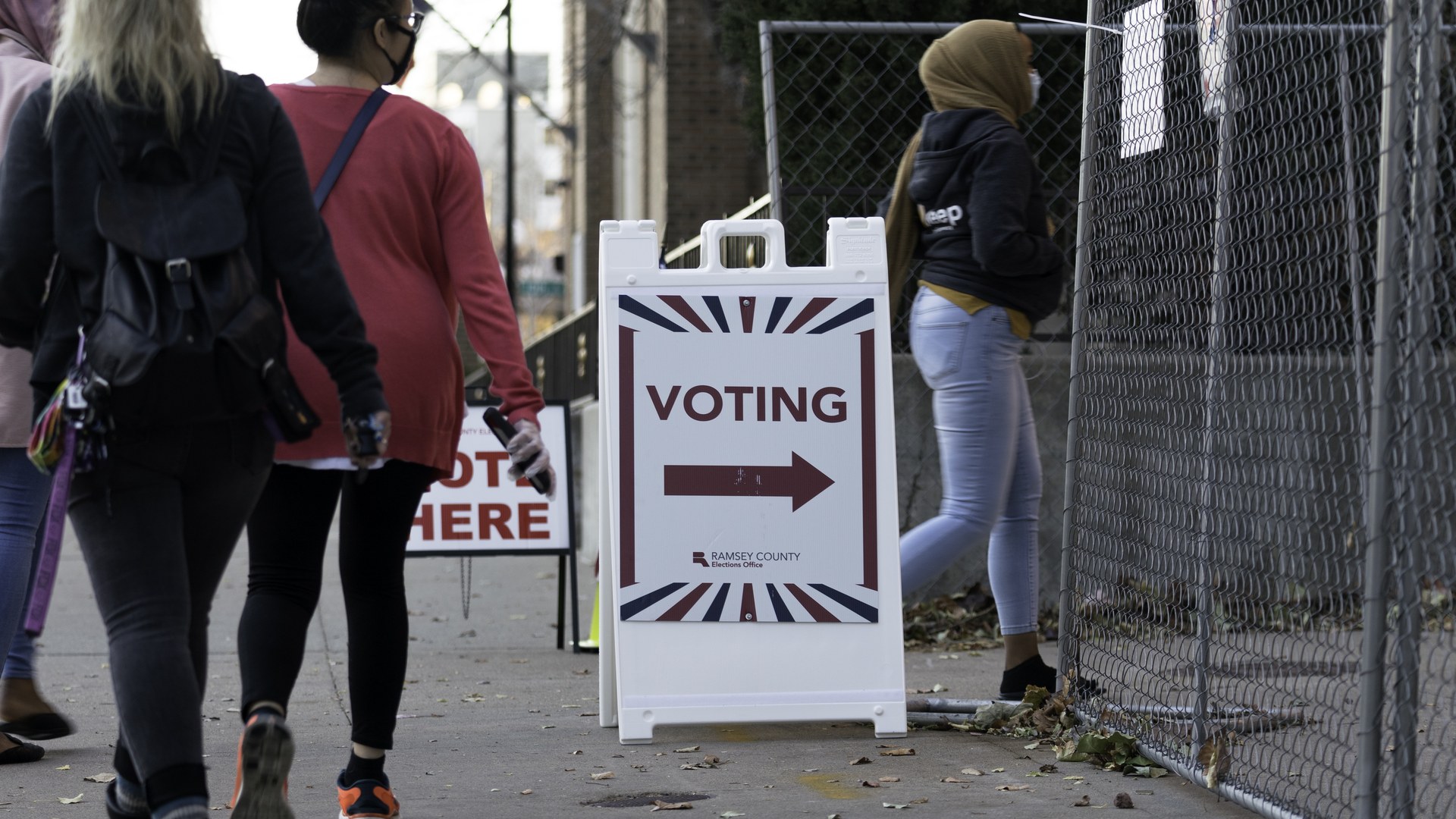
The clash began on September 1 with a records request from the NAACP.
The group asked for the legal basis, the target locations and the training plans.
The NAACP says the department missed the legal deadline for a response.
On October 5, the group filed an emergency lawsuit over the missing records.
Attorney General Todd Blanche has said monitors will go to all 50 states.
The department describes the effort as the largest deployment of its lawyers and personnel in its history.
Wyoming Governor Mark Gordon, a Republican, blasted monitors in his state primary.
He called their behavior aggressive and irregular and said they arrived without notice.
The department disputed his account and said its people did nothing improper.
What Black Voters Should Know at the Polls
Early voting is already underway across the country.
Black turnout is surging across the South as the final stretch begins.
Community poll guardians are mobilizing as well to watch the process up close.
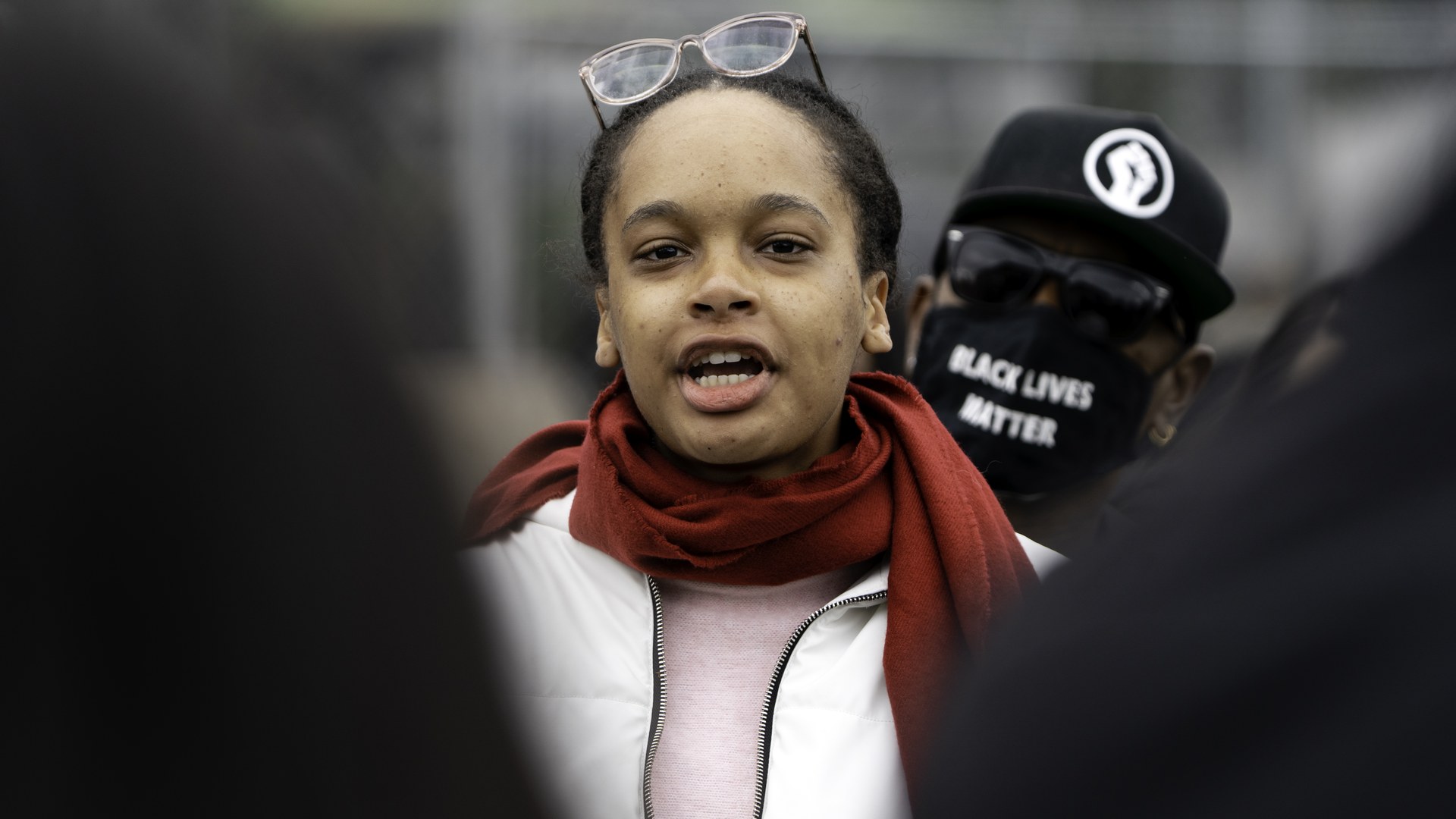
If you vote in person, a federal monitor may be present at your polling place.
Under the filing, that monitor may observe and take notes only.
The monitor may not carry a firearm or act as a law enforcement officer.
Nothing in the filing gives a monitor power to challenge your ballot or slow your vote.
The midterm will decide control of Congress for the final two years of this presidency.
It will also decide dozens of governorships and thousands of state and local offices.
The court fight over who watches the polls will run right up to Election Day.
The vote itself belongs to the voters, as it always has.