8 min read
Five days before Election Day, citizenship screening is quietly deciding who receives a full ballot in several states.
A national review released Thursday found that the screening tool carries inaccurate and incomplete data.
The tool is called SAVE, short for Systematic Alien Verification for Entitlements.
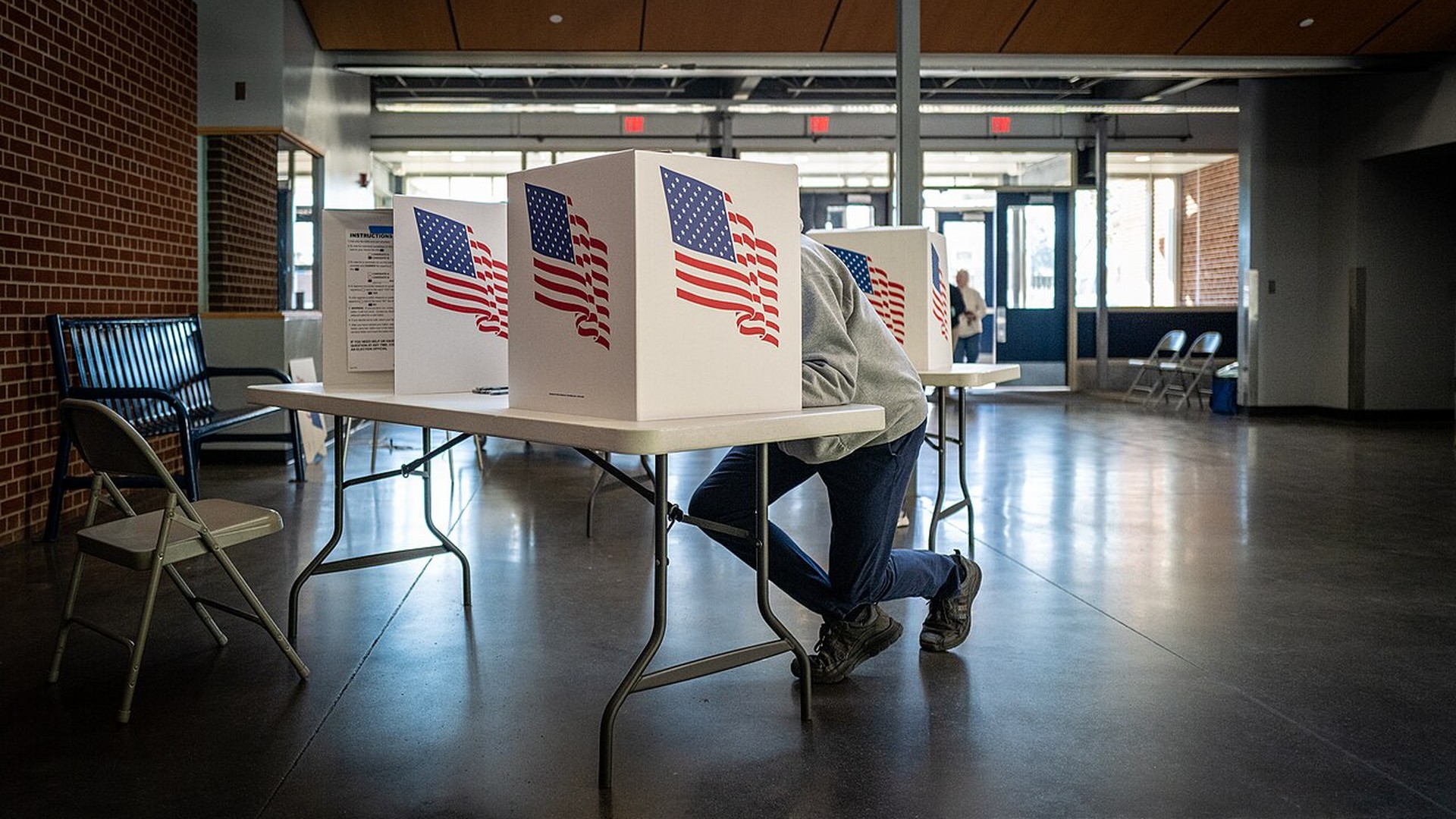
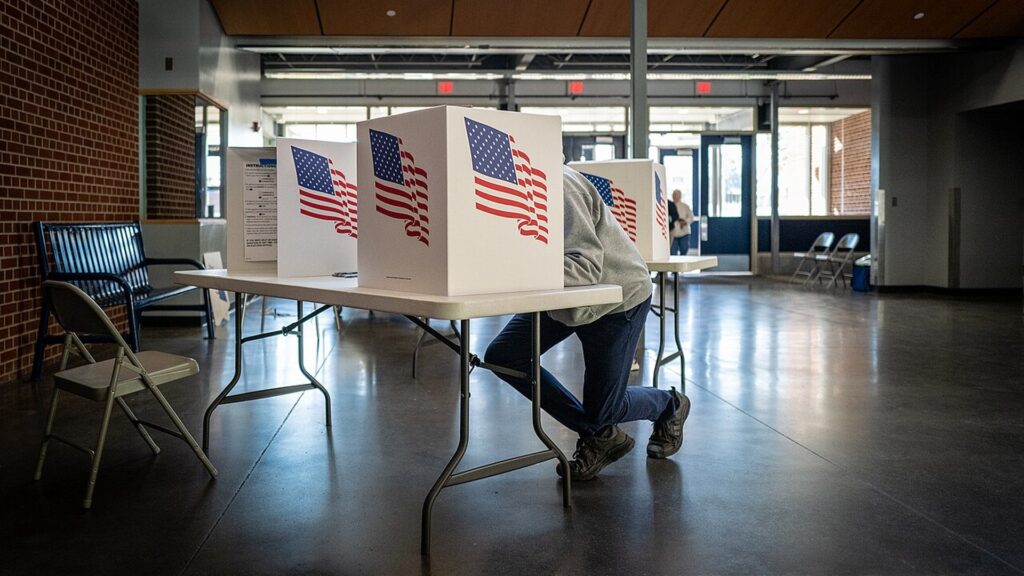
A voter casts a ballot at a polling place in a file photo. Photo by Phil Roeder via Wikimedia Commons, Creative Commons Attribution 2.0.
Major Takeaways
Arizona now holds about 47,000 voters in federal only status, the largest count named in the review.
Utah mailed federal only ballots to more than 4,000 voters in October after many never answered a letter.
In Maricopa County, a review of 60 flagged voters found that at least 52 of them were citizens.
North Carolina sent citizenship letters to nearly 1,400 voters two days before early voting began.
Any voter who receives such a letter should still plan to vote and should seek help at the polls.
Citizenship screening was built for benefits, not for voter rolls
SAVE was previously used only for public benefits.
The review states plainly that the system was not designed for verifying voter eligibility.
The Trump administration expanded its use for that purpose in 2025.
In late September, the Supreme Court ruled that states could use the tool to screen voter lists, at least for now.
The ruling allowed its use for individual inquiries into citizenship status.
Federal law does not require proof of citizenship when a person registers to vote.
Some states have passed laws requiring such proof for state and local races.
The result is a split system in which some voters receive a full ballot and others receive a federal only ballot.
Katherine La Puente, a democracy researcher, warned about the human cost of that split.
“Sending vaguely worded letters as early voting began or offering federal only ballots to some registered voters risks a discriminatory impact on people’s right to vote,” she said.
Arizona shows how screening errors become lost votes
Arizona has required proof of citizenship to register for state and local elections since 2004.
State estimates place about 47,000 Arizona voters in the federal only category today.
Those voters can provide proof of citizenship and vote in person on Election Day.
They cannot vote by mail, a method relied on by most voters in the state.
The Maricopa County recorder flagged 207 voters through SAVE as likely ineligible.
Sixty of those voters had cast ballots, and the recorder moved them into a not eligible category.
That label meant they would receive no mail ballot and would need a provisional ballot instead.
A county attorney review then found that at least 52 of those 60 voters were citizens.
Only eight were actually noncitizens, and no more than three ever voted in the same election.
Some voters regained eligibility only after the state attorney general filed suit and a resolution was negotiated.
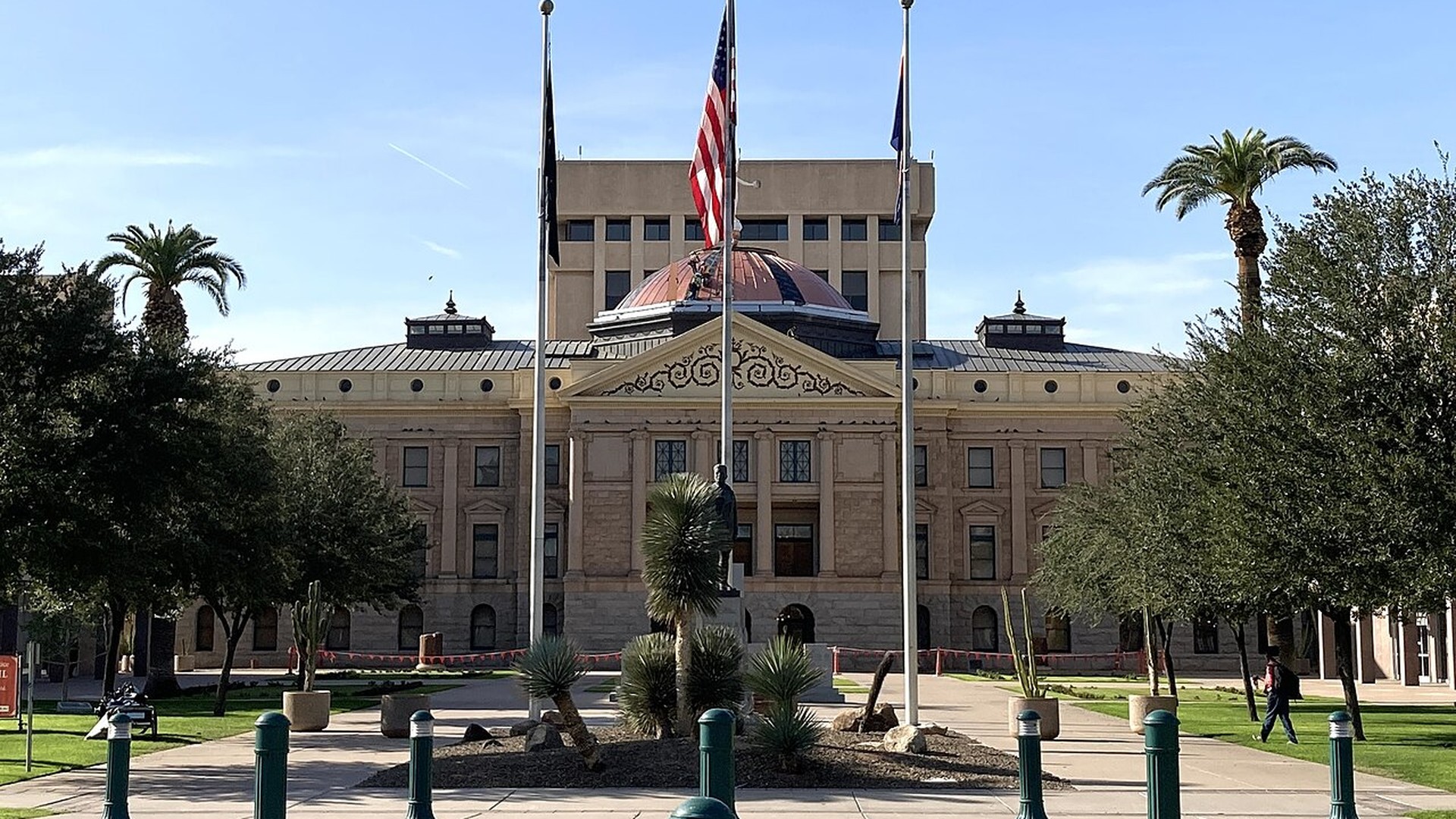
The Arizona State Capitol in Phoenix. Photo by David Jiang via Wikimedia Commons, Creative Commons Attribution ShareAlike 4.0.
The Arizona fight now reaches the Supreme Court again in early December.
Justices will hear arguments on laws passed in 2022 that would bar new federal only registrations.
Those laws would also stop current federal only voters from voting by mail or in presidential contests.
They would allow voter roll purges within 90 days before an election.
A lower court blocked parts of those laws, and an appeals court upheld that block in 2025.
The appeals court agreed the laws violate the National Voter Registration Act and the Civil Rights Act.
Utah, South Dakota, North Carolina and Alaska tell the same story
Utah audited its rolls earlier this year and could not verify the citizenship of more than 5,000 voters.
The state sent those voters letters demanding documentary proof of citizenship.
Many were older voters who needed no such documents when they first registered.
Fewer than 2,000 voters responded to the letters.
In October, more than 4,000 who never responded were mailed ballots covering federal races only.
South Dakota now counts nearly 6,000 voters in its federal only category.
New state laws there quadrupled that category in a single cycle.
County clerks sent letters that misstated why voters had lost full status.
Officials issued corrected notices in September only after advocates filed a federal lawsuit.
The state voter portal still does not tell voters whether they hold federal only status.
Changes were allowed only until the state registration deadline on October 19.
North Carolina sent letters to nearly 1,400 flagged voters just two days before early voting opened on October 15.
The state board has confirmed that citizens remain entitled to vote while the queries are resolved.
Voting groups stress that flagged voters in North Carolina should still be able to cast a ballot.
The danger is that a vague letter convinces a lawful voter to stay home.
In Alaska, officials mailed citizenship letters to more than 3,000 voters in July and marked them inactive.
Hundreds have had their registration restored since then.
Others can vote only with a questioned ballot, counted once eligibility gets verified.
Ohio now reviews its voter database at least once a month under a new law.
Seventy five people were removed in September and 90 more in October, raising fears of mistaken removals near an election.
Black voters carry the heaviest risk in this system
Black communities know this pattern by heart.
Paper barriers have long done work that open bans once did in American elections.
A United Nations committee reviewing the United States in 2022 raised a direct warning.
It voiced concern about practices that constrain voting with a disproportionate impact on people of African descent.
The committee named Indigenous peoples, Hispanic and Latino voters and other ethnic minorities as well.
It urged the United States to ease access to voting and remove unreasonable restrictions.
Naturalized citizens face a special risk under citizenship screening.
So do citizens born abroad and people who became citizens as children when a parent naturalized.
Many of them lack easy access to original documents confirming a status gained in childhood.
A national survey found that more than 9 percent of adults lacked proof of citizenship within ready reach.
Applied nationally, that share would equal about 21.3 million people.
Fewer than half of citizens held a valid passport in 2024.
Communities of color, immigrants, low income families and older people are less likely to hold such documents.
That gap lands hardest in a year when Black turnout is already surging across the South, as our report on the Southern turnout surge detailed this week.
Every wrongly flagged voter in a close race is a ballot that power tried to erase before it was cast.
The claimed problem remains vanishingly small
There is no evidence of widespread unlawful voting by noncitizens in American elections.
Such claims have been disproven in state reviews in places like Nevada and Missouri.
Nationwide, 156 people have been charged with voter fraud offenses since January 2025.
Those charges come from a pool of about 227 million registered voters.
In Arizona, noncitizen voting accounts for about 0.0001 percent of all votes cast.
An analysis of one conservative database found only 77 cases of noncitizen voting between 1999 and 2023.
It concluded that noncitizen voting has never been large enough to change an election outcome.
Columns of the United States Supreme Court building in Washington. Photo by dconvertini via Wikimedia Commons, Creative Commons Attribution ShareAlike 2.0.
Other federal moves are adding to the fear around the vote.
Homeland Security agents have questioned people at home about immigration status and voting history in several states.
A judge recently restricted those operations in nine states.
Late Wednesday, the Justice Department told a federal court that no FBI or immigration enforcement employees will serve as election monitors.
That filing came in a suit brought by the NAACP, which argues that the monitor plan amounts to voter intimidation.
The department said its monitors will observe, take notes and carry no firearms.
Staff from federal prisons and from drug and firearms agencies will still serve as monitors, a detail our coverage of poll guardians preparing for Election Day puts in context.
What to do if a citizenship letter reaches your mailbox
Do not throw the letter away, and do not stay home.
Check your registration status with your state or county election office as soon as you can.
If you hold documents such as a passport, a birth certificate or a naturalization certificate, bring them with you.
If your state moved you to federal only status, plan to vote in person on Election Day.
Ask a poll worker for help if the ballot you receive looks shorter than it should.
Tell election officials on site if anyone tries to turn you away without a process to appeal.
The same fight over whose ballot counts is playing out in courtrooms from California to Louisiana, as our California mail ballot report shows.
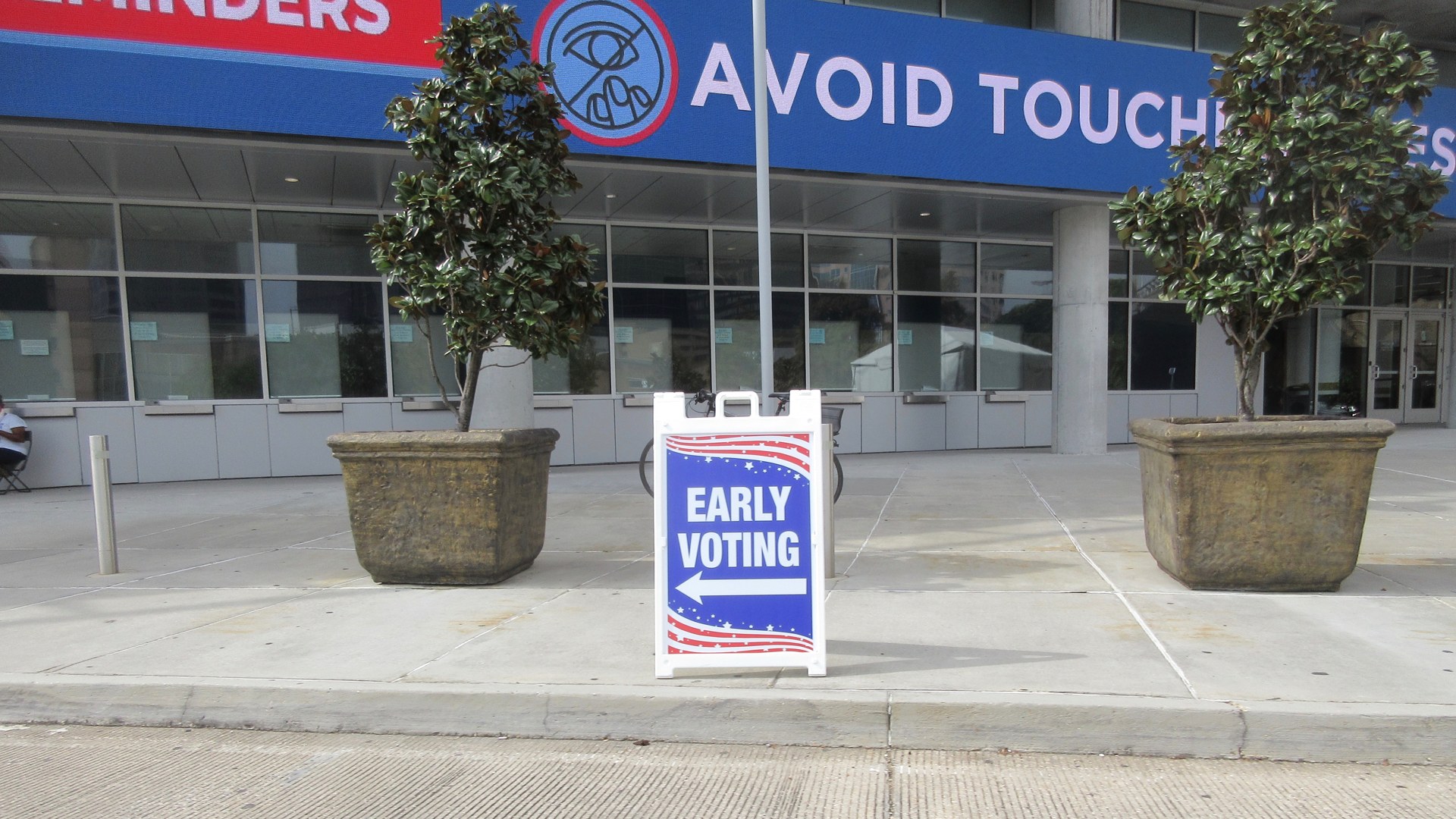
Election Day is November 3, and early voting is already underway in much of the country.
Our ancestors fought too hard for this ballot to lose it to a database error.
Check your status, bring your documents and cast your vote in full.