6 min read
Major Takeaways
- Washington Secretary of State Steve Hobbs refused a Justice Department demand to set aside ballots cast by 405 voters days before the November 3 election.
- Hobbs called the federal list deeply flawed and unreliable, saying it names United States citizens and reaches back to a voting record from 1994.
- Federal prosecutors say the 405 people cast more than 1,500 ballots in past elections and have promised a second list before Election Day.
- No emergency court filing had landed by Wednesday afternoon, but the Justice Department has threatened to seek emergency relief.
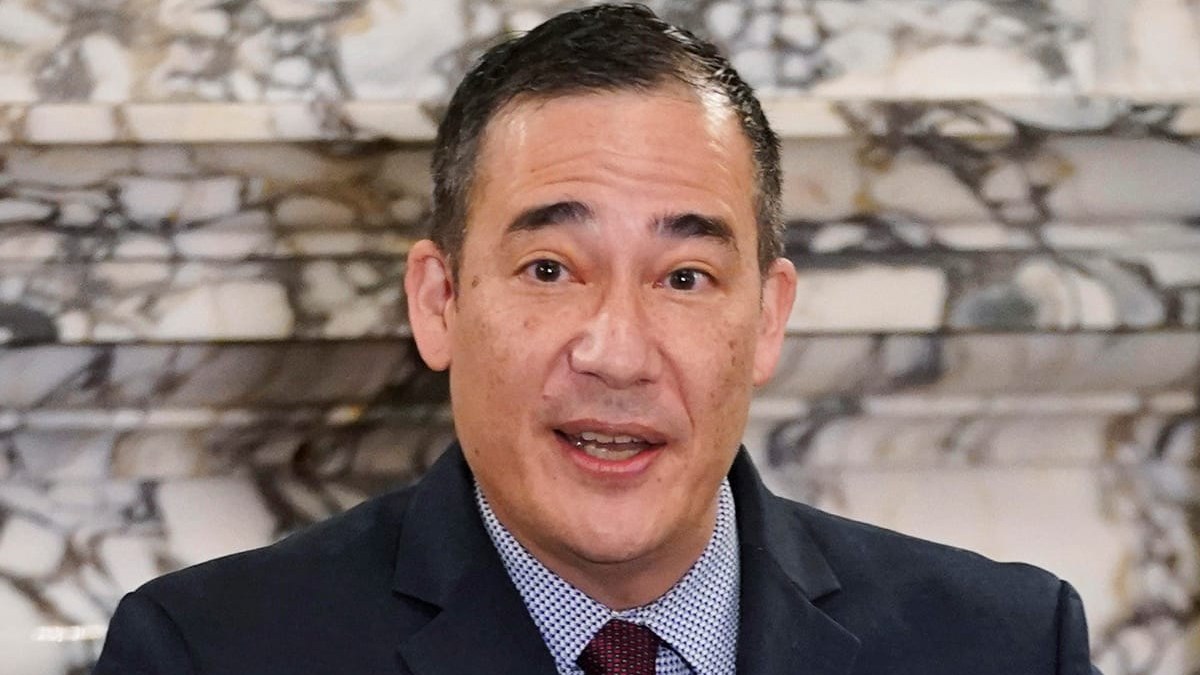
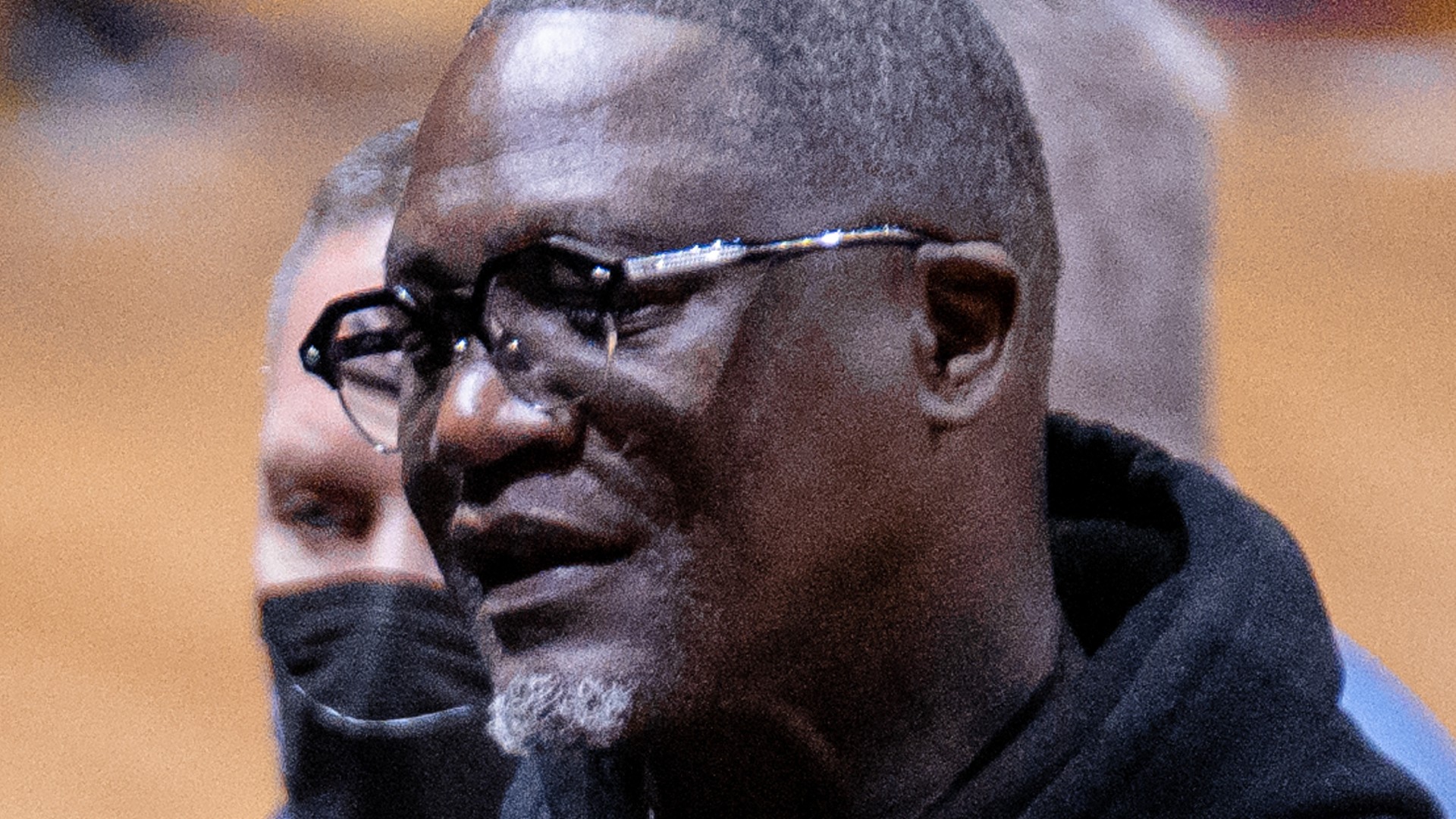
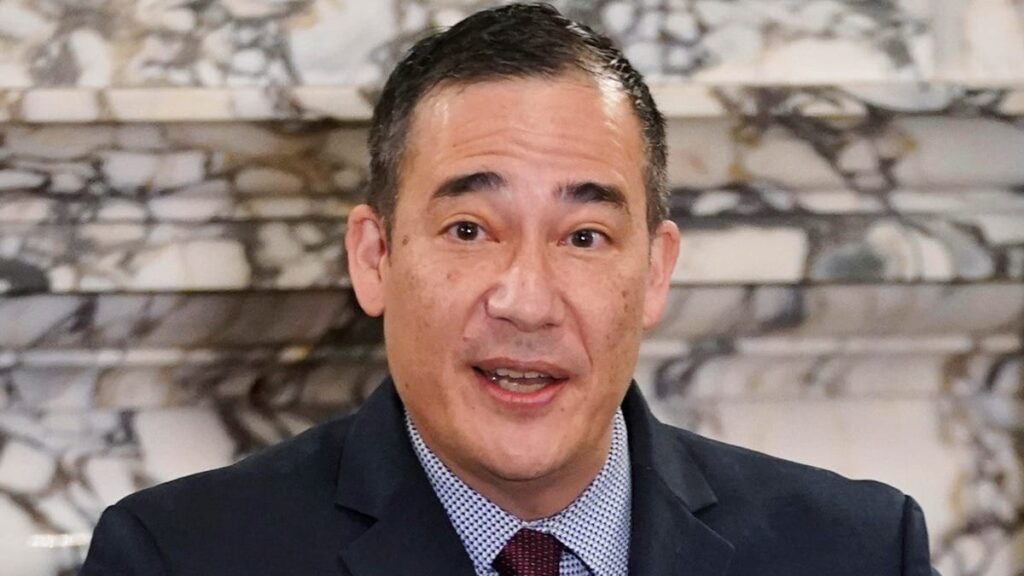
Washington Secretary of State Steve Hobbs. Photo: AP Photo
Washington state told the federal government no on Wednesday. Secretary of State Steve Hobbs rejected a Justice Department demand to set aside the ballots of 405 voters, refusing to hold those votes back from the count six days before a midterm election that will help decide control of Congress.
The refusal came in a letter sent after a noon Pacific deadline the department had set for the state. Hobbs called the list of voters deeply flawed and unreliable, and he said it features the names of several citizens who have every legal right to vote.
A Deadline Delivered Six Days Before the Election
The demand arrived on Monday in a letter from the top federal prosecutors in Seattle and Spokane. They told Hobbs to direct election officials across Washington to hold back any ballot cast by the 405 people on the list until citizenship could be confirmed.
The prosecutors say the 405 voters are not citizens and have cast more than 1,500 ballots in past state and federal elections. Some, they say, have voted for more than a decade, and some voted as recently as the August primaries.
The letter gave the state until noon on Wednesday to comply. If Washington could not put the process in place, the prosecutors wrote, the United States would have no choice but to seek emergency relief from a federal court.
Acting United States Attorney Charles Neil Floyd called the 405 names only the tip of the iceberg. He said the Department of Homeland Security built the list by matching public voter rolls against federal immigration records, and he said a second list is coming before Election Day.
Nobody on the list has been charged with a crime. Floyd said he expects some of them will be.
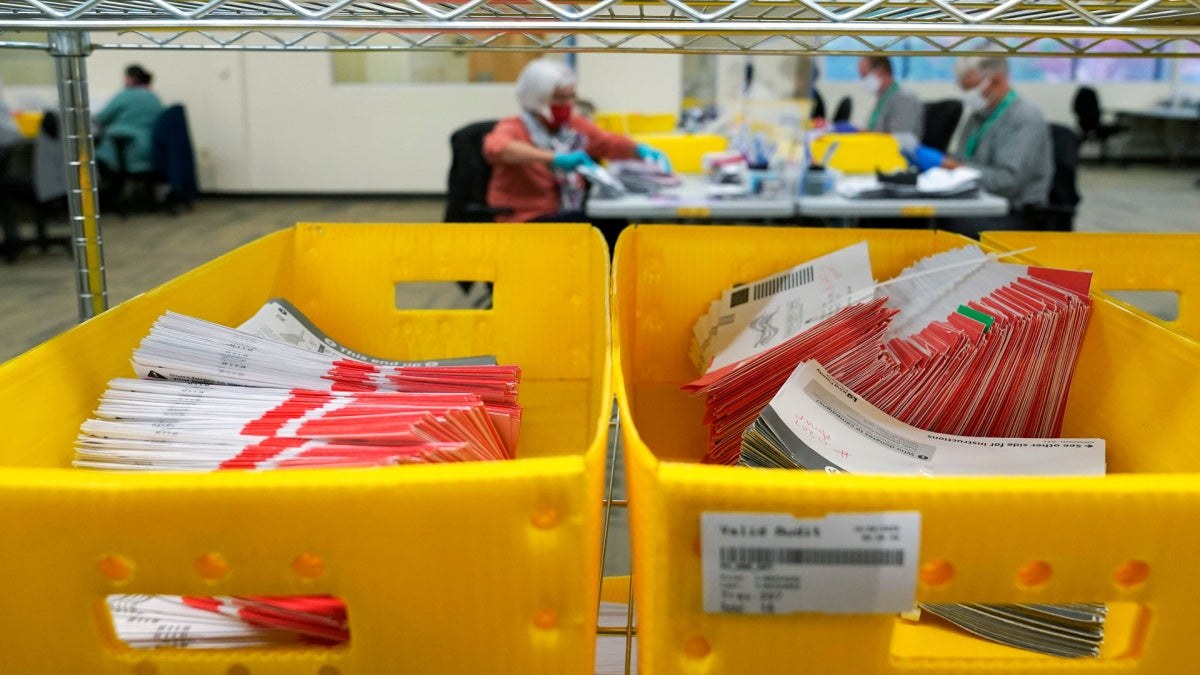
Mail ballots being processed in Washington state. Photo: Human Rights Watch
Hobbs Says the List Does Not Hold Up
Hobbs answered with numbers of his own. Washington, he said, has recorded just 15 cases of noncitizen voting between 1982 and 2025, across more than 113 million ballots cast in primary and general elections since one flagged record from 1994.
“The timing of this request, one week before the General Election, is no doubt intended to cast unfounded suspicion on the results,” Hobbs said.
He pointed out that every Washington voter attests to eligibility by signing the declaration on the ballot return envelope. The state votes almost entirely by mail, ballots for the November 3 election are already in voters’ hands, and more than five million people are registered.
Hobbs also noted that his office has received roughly 60 federal subpoenas for voter records in recent weeks. A federal judge ruled against the Justice Department just last month in its lawsuit seeking Washington voter rolls, and the matching system the department used here, Hobbs said, frequently flags people who are citizens.
“We saw what happened in California and do not want Washingtonians to be harassed,” Hobbs said.
Why Black Voters Know This Playbook
Black voters have seen this film before. A government list lands days before an election. The names on it were matched by a database, not proven in a courtroom. And the burden quietly shifts onto the voter to prove a ballot should count.
Database matches sound precise. In practice they lean on names, birth dates and old records, and they sweep in people whose status changed years ago. A lawful resident who became a citizen last decade can still sit in an old federal file under the wrong label.
That risk lands hardest on naturalized citizens and voters of color, including Black immigrant communities whose names and records pass through the same federal systems. One wrong flag can leave a lawful ballot sitting uncounted while officials sort paperwork on a deadline the voter never chose.
Washington is not the only state in this fight. A Black turnout surge is remaking races across the South this cycle, and poll guardians are mobilizing to make sure every lawful ballot gets counted. The same voters being urged to show up are the voters these late lists put at risk.
California Is Fighting the Same Demand
The Washington letter follows the same script the department ran in California, where federal officials pressed the state to set aside ballots from about 20,000 people flagged as likely noncitizens.
California refused. A federal appeals court on Monday declined to order the state to separate those ballots, and the underlying case remains before a district judge, a fight Urban City Podcast has been tracking in the California mail ballots case.
In a separate case in the capital, the department has argued its letters carry no legal force on their own and cannot harm anyone. That is a hard argument to square with a noon deadline and a promise of emergency court action in Washington.
What Happens Next
As of Wednesday afternoon, no emergency filing from the Justice Department had appeared in the Washington fight. If the department follows through, a federal judge will decide whether 405 voters keep their place in the count while citizenship checks run.
A second federal list is expected before Election Day. County election officials, meanwhile, are already processing ballots for November 3 under the rules Washington law sets, the same rules Hobbs says he will not bend for a letter.
For voters, the practical word is unchanged. Vote the ballot you were sent, sign the envelope, and return it early enough to be counted. If your name ever lands on one of these lists, that signature and the paper trail behind it are exactly what protect your vote.