7 min read
Major Takeaways
- The Federal Reserve held interest rates at 3.75 percent to 4 percent on Wednesday in a 10 to 2 vote, six days before the midterm elections.
- Governor Lisa Cook cast her first dissent and wanted a quarter point increase, even as the Trump administration works to remove her from the board.
- Inflation reached 3.7 percent in September and is outpacing wage growth of 3 percent, while the average thirty year mortgage rate sits at 7.39 percent.
- Black unemployment jumped to 7 percent in September and Black homeownership fell to 44.4 percent, so costly credit lands hardest on Black families.
- Forecasters expect another increase in December, and Chair Kevin Warsh announced fewer rate decision meetings starting in 2027.
The Federal Reserve held interest rates steady on Wednesday, and for Black families already stretched by prices, rent and car notes, standing still still hurts.
Policymakers voted 10 to 2 to keep the benchmark rate at 3.75 percent to 4 percent at their final meeting before the November 3 midterm elections.
The pause follows a quarter point increase in September, the first increase in three years, approved unanimously to push back against stubborn inflation.
Nothing about Wednesday brought relief to borrowers, because the September increase is still moving through credit card bills and loan offers right now.
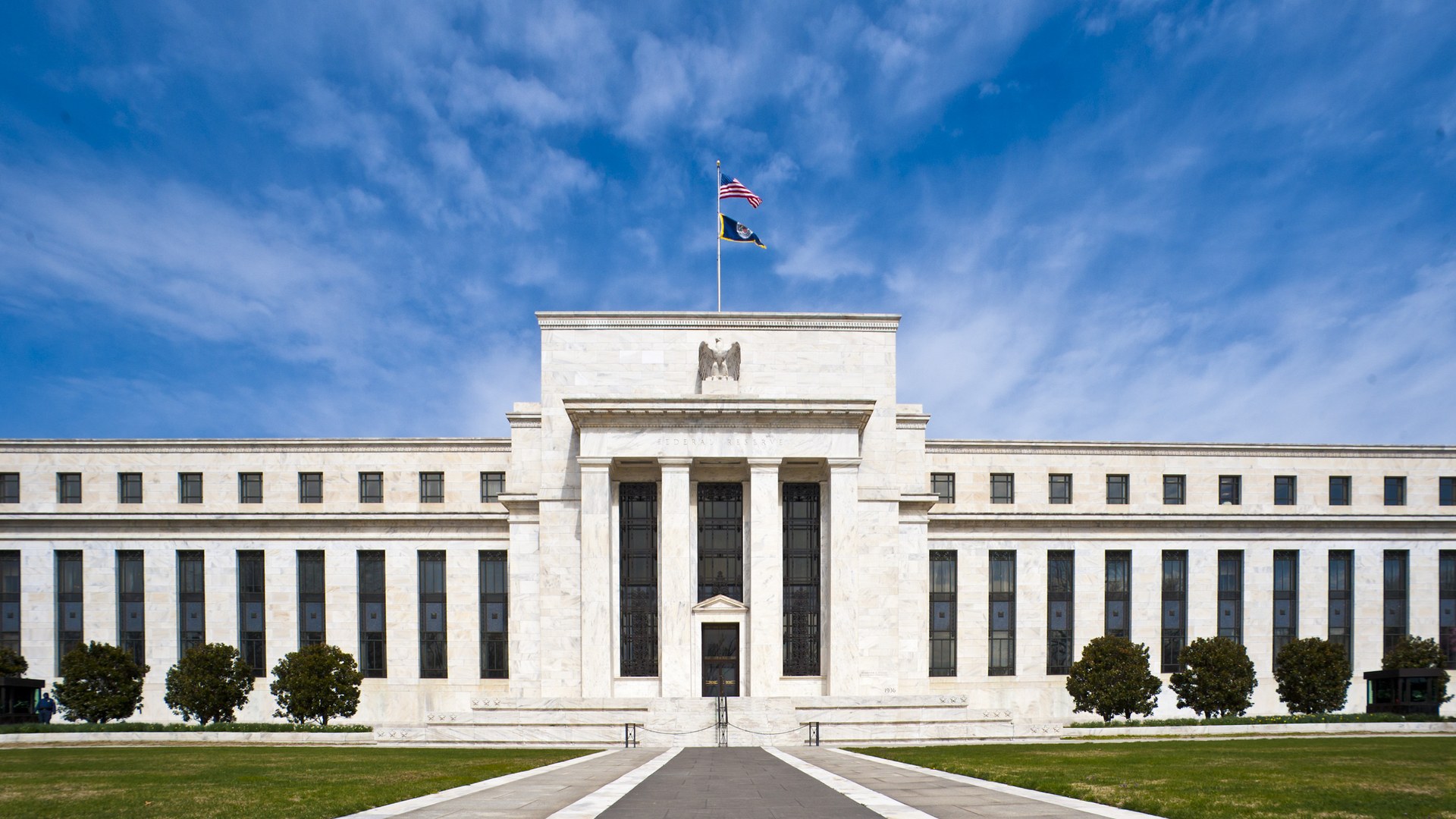
Interest Rates Stay Put While Inflation Keeps Climbing
The committee said inflation remains elevated and promised that it will deliver price stability for the country.
Its statement said the accumulation of more information will help determine the policy stance needed to return inflation to the 2 percent goal in a timely way.
Consumer prices rose 3.7 percent over the year through September, up from 3.4 percent in August and far above that goal.
Core inflation climbed to 2.6 percent, and producer prices jumped more than 6 percent, a sign that costs may keep climbing into the holiday season.
The central bank has now missed its inflation target for five and a half years, and officials worry households may start planning around higher prices.
Energy costs remain a central driver, with oil above 100 dollars a barrel and diesel prices feeding into shipping, farming and grocery costs.
The statement upgraded the economy to strong from solid, called investment robust, and said job gains are keeping pace with the workforce.
It also said uncertainty remains elevated, owing in part to geopolitical developments that keep pushing energy prices around the world.
Lisa Cook Dissents While Fighting to Keep Her Seat
The most closely watched vote in the room belonged to Governor Lisa Cook, who dissented for the first time in a policy decision.
Cook wanted a quarter point increase on Wednesday, and Cleveland Fed President Beth Hammack joined her in that dissent.
Cook cast that vote while the Trump administration works to remove her from the Board of Governors over mortgage fraud allegations she denies.
President Trump has pushed to fire her since August 2025, and no president before him had ever fired a Fed governor.
The Supreme Court ruled in June that she could keep her job while the litigation plays out, and said she could be fired only for good reason.
This month the administration set up a committee of inquiry into the allegations and demanded that Cook testify before it at the White House.
Her lawyer Abbe Lowell called that committee demonstrably biased and said the earliest she could appear is after the December meeting.
Through all of it, Cook showed up on Wednesday and voted her conscience on inflation, choosing the harder path for borrowers over the easier politics.
Warsh Says Politics Played No Role in the Room
Chair Kevin Warsh told reporters that politics played no role in the decision, six days before voters decide control of Congress.
He said he spent two days with his colleagues and never heard an utterance about politics or the election during the meeting.
Warsh described the session as a serious and sober discussion, and joked that the committee had just come out of a heck of a family fight.
He reminded the country that Americans are still dealing with inflation that has run above the committee objective for close to six years.
It is our responsibility to get inflation down, Warsh said, while warning that price increases in some sectors must not broaden across the economy.
He said the economy is pointing in the right direction, with growth in the third quarter likely running above 3 percent.
Warsh argued the economy is not running too hot and said the goal is not to throw sand in the gears or throw people out of work.
He also acknowledged that credit conditions have tightened for some businesses and households since the September increase, much as the committee expected.
What This Decision Means for Black Families
For Black households, the squeeze behind these numbers is not abstract, and the latest data tells a hard story about who pays first.
Black unemployment jumped from 6 percent in August to 7 percent in September, the fastest one month rise since the pandemic spring of 2020.
The rate for Black women climbed from 5.9 percent to 7.3 percent in that same month, while rates for other major groups fell or held steady.
White House economic director Kevin Hassett called the sharp rise in Black joblessness definitely a cause for concern and said officials will watch it closely.
The overall unemployment rate now stands at 4.2 percent, and employers added only 29,000 jobs in September as hiring slowed across the country.
Homeownership moved the wrong way too, with the Black rate falling to 44.4 percent in the third quarter from 45.7 percent a year earlier.
White homeownership rose to 75.1 percent over that same year, leaving a gap of more than 30 points that expensive mortgages keep widening.
The average thirty year fixed mortgage rate now sits at 7.39 percent, and every month at that level prices first time buyers out of neighborhoods.
Inflation at 3.7 percent is outpacing wage growth of 3 percent, so paychecks buy less even for families who kept their jobs through the slowdown.
Consumer advocates warn that carrying larger card balances gets costly fast when rates stay elevated, and September borrowing costs are still arriving in mailboxes.
One lending analyst put it plainly this week, noting that when prices on seemingly everything are rising, every extra dollar on a card bill counts.

December Brings Another Decision and a New Calendar
The committee meets one final time this year on December 9 and 10, and forecasters expect another quarter point increase at that meeting.
Traders pulled back slightly on bets for future increases after the statement, and stocks rose modestly during the afternoon press conference.
Warsh also announced a structural change, saying one of the eight meetings in 2027 will focus only on broad strategy, with no rate vote expected.
He expects two strategy meetings and six policy meetings in 2028, a calendar unlike any other major central bank in the world.
Until December, Black families are left in the same holding pattern as the Fed itself, waiting on more information while bills come due.
The numbers say the economy is strong, but the checkout line, the rent portal and the job board keep telling a different story in our communities.
Read more of our coverage in the record field of Black governor candidates, follow the Black turnout surge across the South, and keep up with every story at Urban City Podcast.