5 min read
The South Carolina Senate race is tied at 48 percent each.
A major national poll released on Wednesday put both candidates at 48 percent.
Republican Senator Darline Graham holds the seat today.
Democrat Annie Andrews, a Charleston area pediatrician, wants to take it.
President Donald Trump rallies in the state on Thursday to save it.
Five days before Election Day, a safe Republican seat is a toss up.
Major Takeaways
- A national poll released Wednesday ties the race at 48 percent each.
- Black voters back Andrews by 93 percent to 4 percent in that poll.
- Trump rallies in South Carolina on Thursday for the second time in two weeks.
- Two other recent polls give Graham a lead of one point and four points.
- Senate control could turn on seats Republicans once counted as safe.
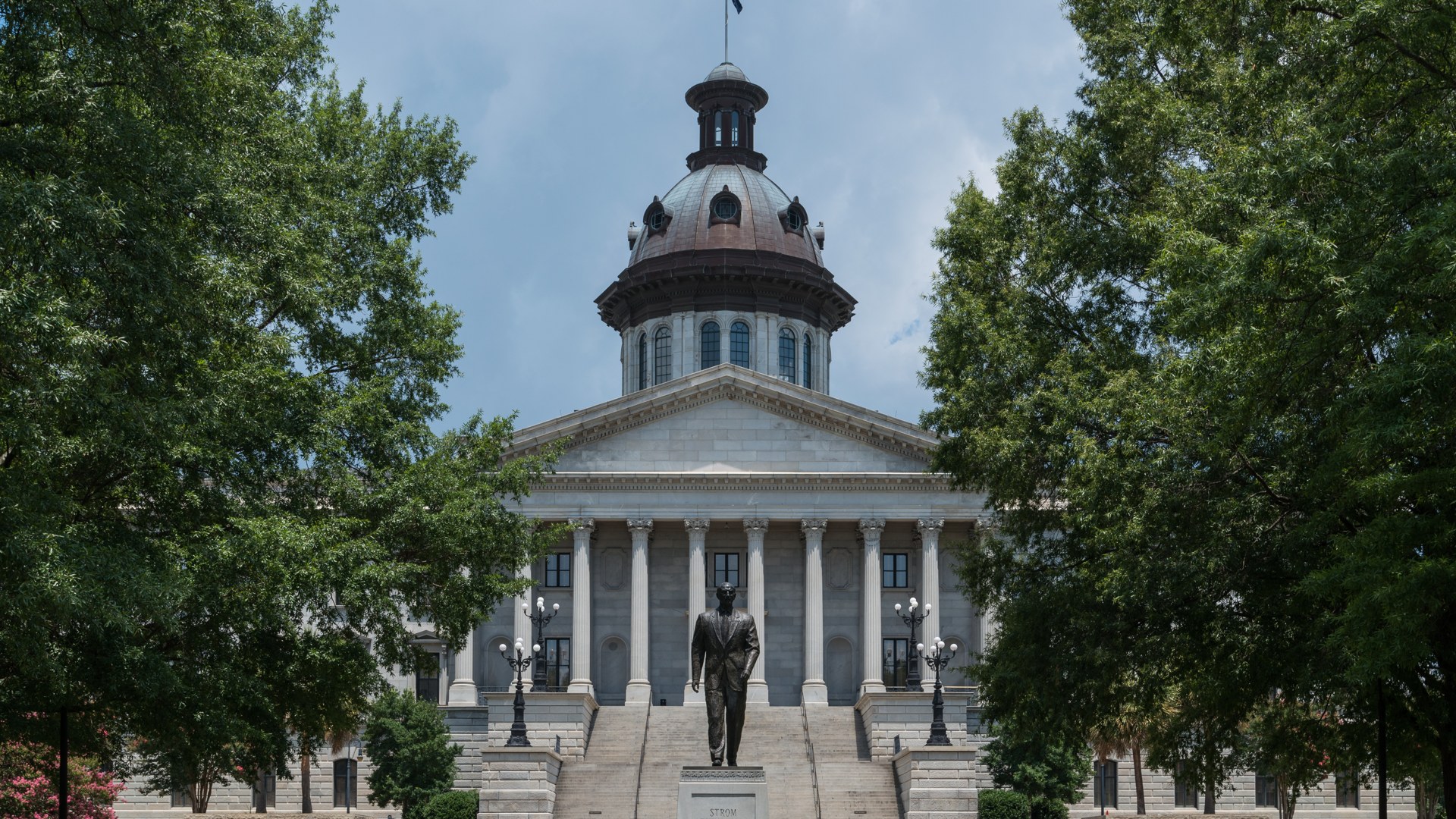
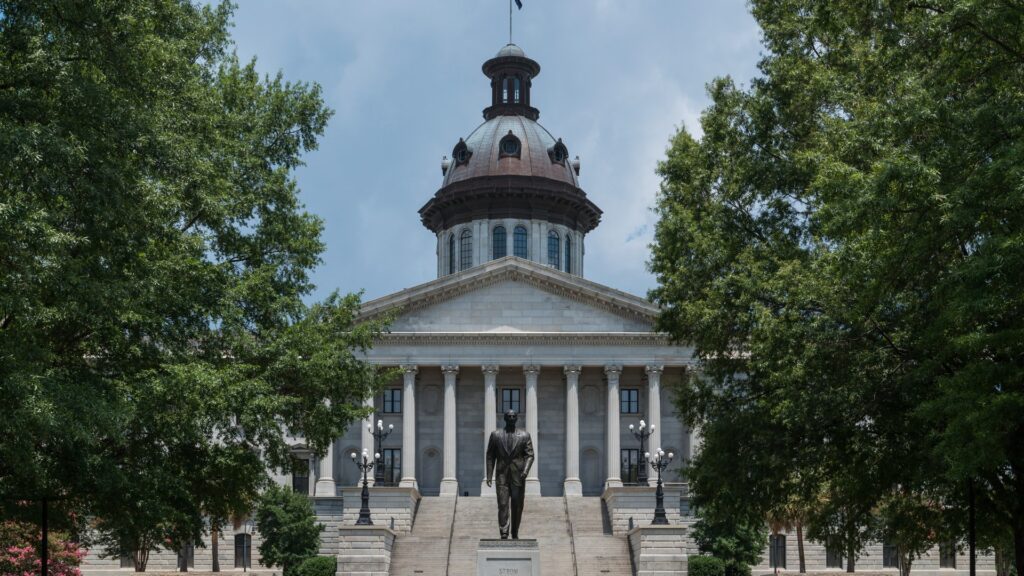
South Carolina Senate Race Turns Into a Toss Up
The tied poll surveyed 707 likely voters between October 19 and October 26.
Its margin of error runs from 3.9 points to 4.3 points.
Only 3 percent of voters in the poll said they were still undecided.
Two other polls released this week tell a tighter story than the old map did.
One survey of likely voters put Graham ahead by a single point, 47 to 46.
A university poll of registered voters put Graham ahead 43 to 39.
That poll left 15 percent of voters still undecided.
Two leading forecast teams have moved the race in response.
Both shifted their rating from Likely Republican to Lean Republican.
Trump carried South Carolina by nearly 18 points in 2024.
No Senate race in the state has been decided by fewer than 10 points since 2004.
The Seat Passed From a Brother to His Sister
The seat belonged for decades to Senator Lindsey Graham.
He died suddenly in July, after winning reelection in 2020 by more than 10 points.
His sister Darline was appointed to serve the rest of his term.
She had led the state Commission for the Blind before her appointment.
She is now asking voters for a full six year term of her own.
Neither candidate has ever held elected office before this race.
Graham won a hard August primary and then an August runoff to reach November.
Andrews announced her run in May 2025, aiming first at the brother.
She lost a House race in 2022 and kept building her name across the state.
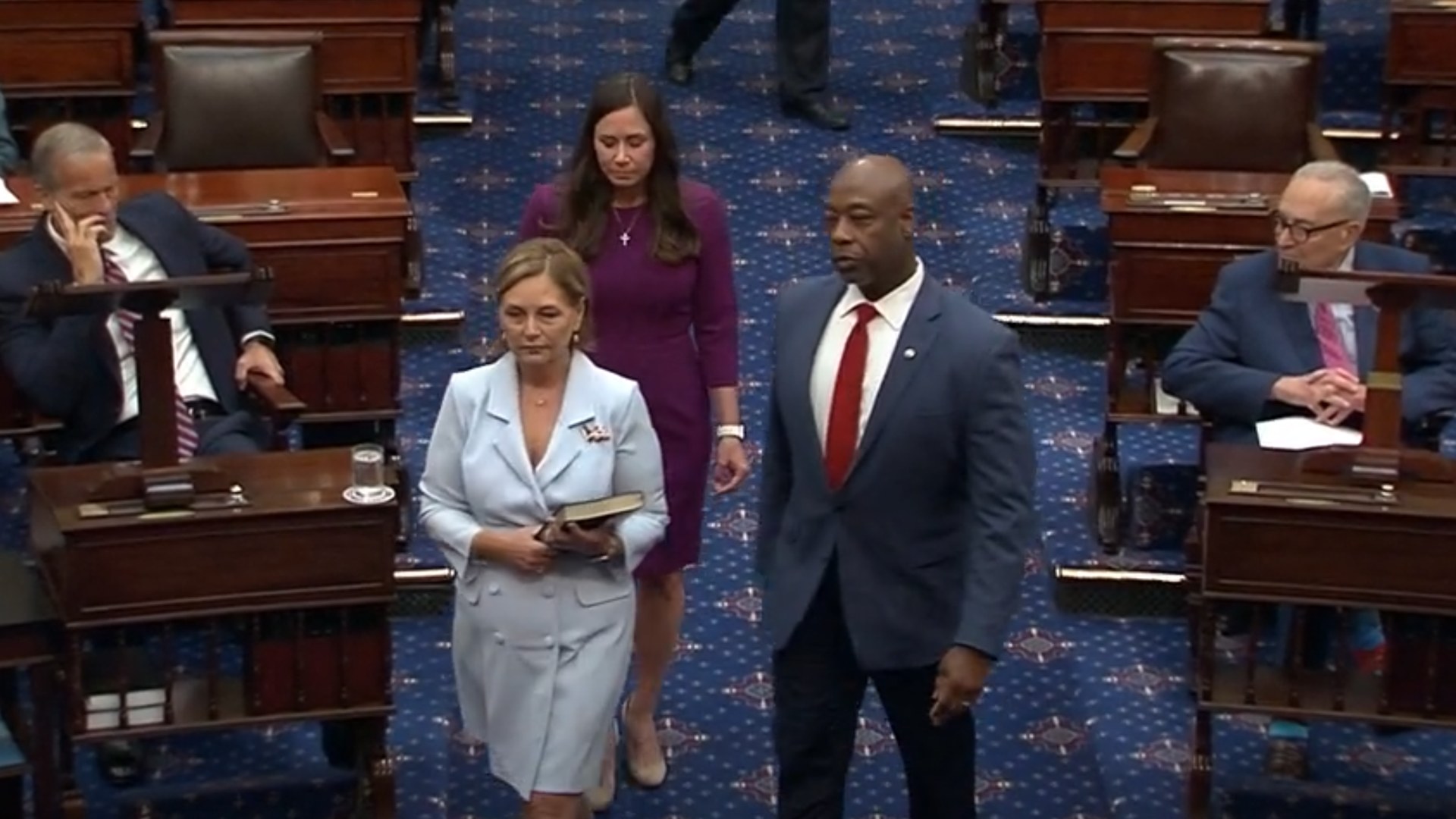
Black Voters Hold the Balance in South Carolina
Black residents make up about 24 percent of the state population.
In the tied poll, Black voters chose Andrews by 93 percent to 4 percent.
That support is the foundation of any Democratic path in the state.
The question is turnout, and the early signs across the South are loud.
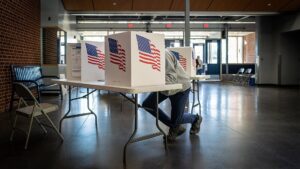
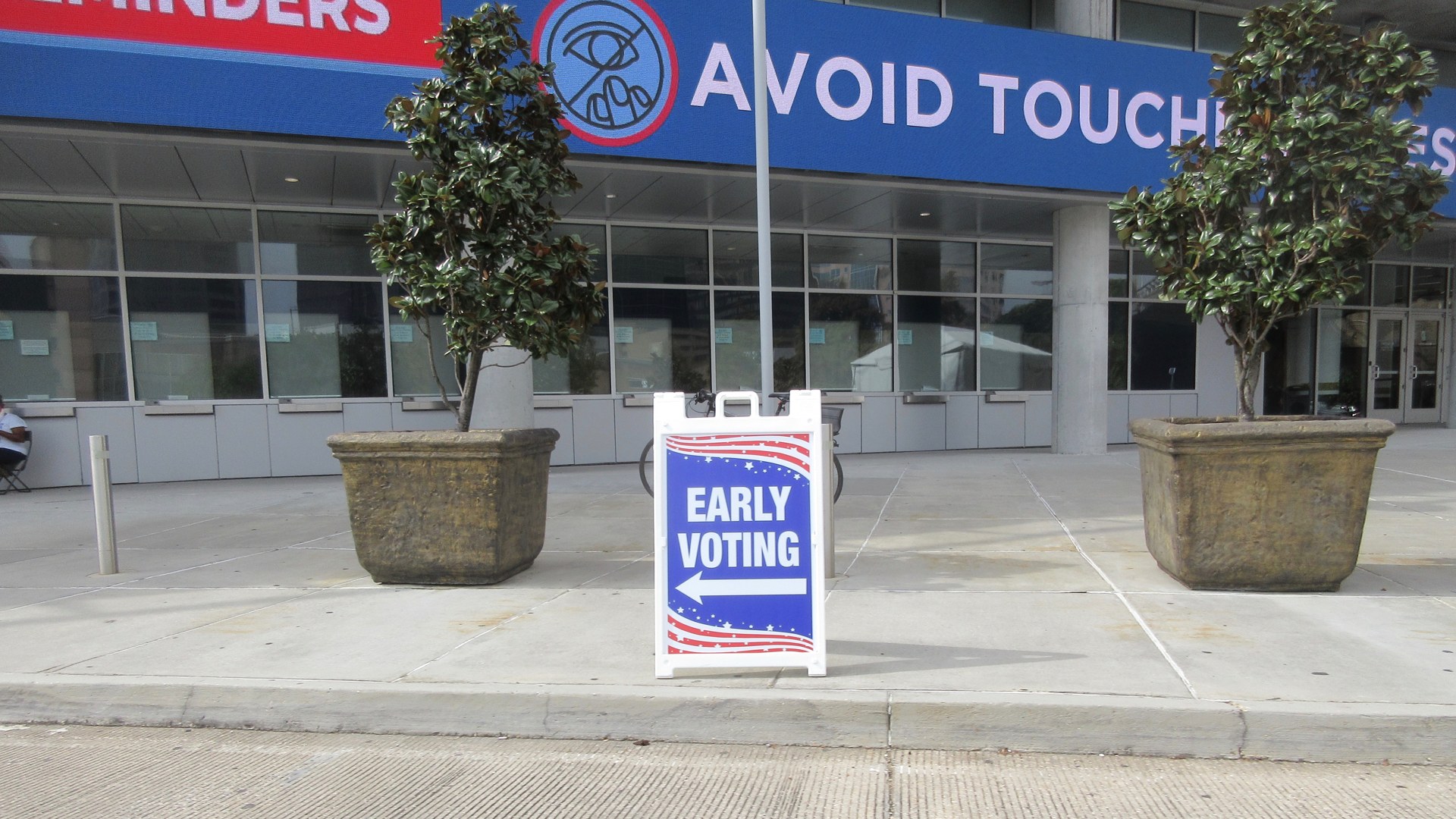
Black early voting is surging across the South in this final stretch.
Andrews also leads Graham on the issues Black families raise most.
Voters in the poll trusted Andrews on the economy by 51 percent to 43 percent.
Her closing pitch speaks straight to the kitchen table.
"Whether you voted for Donald Trump, Lindsey Graham, or anyone else, if you care more about your bills than the politics in Washington, this campaign is for you," Andrews said.
Two former governors now stand in her corner on television.
Republican David Beasley and Democrat Jim Hodges both endorsed her in an ad.
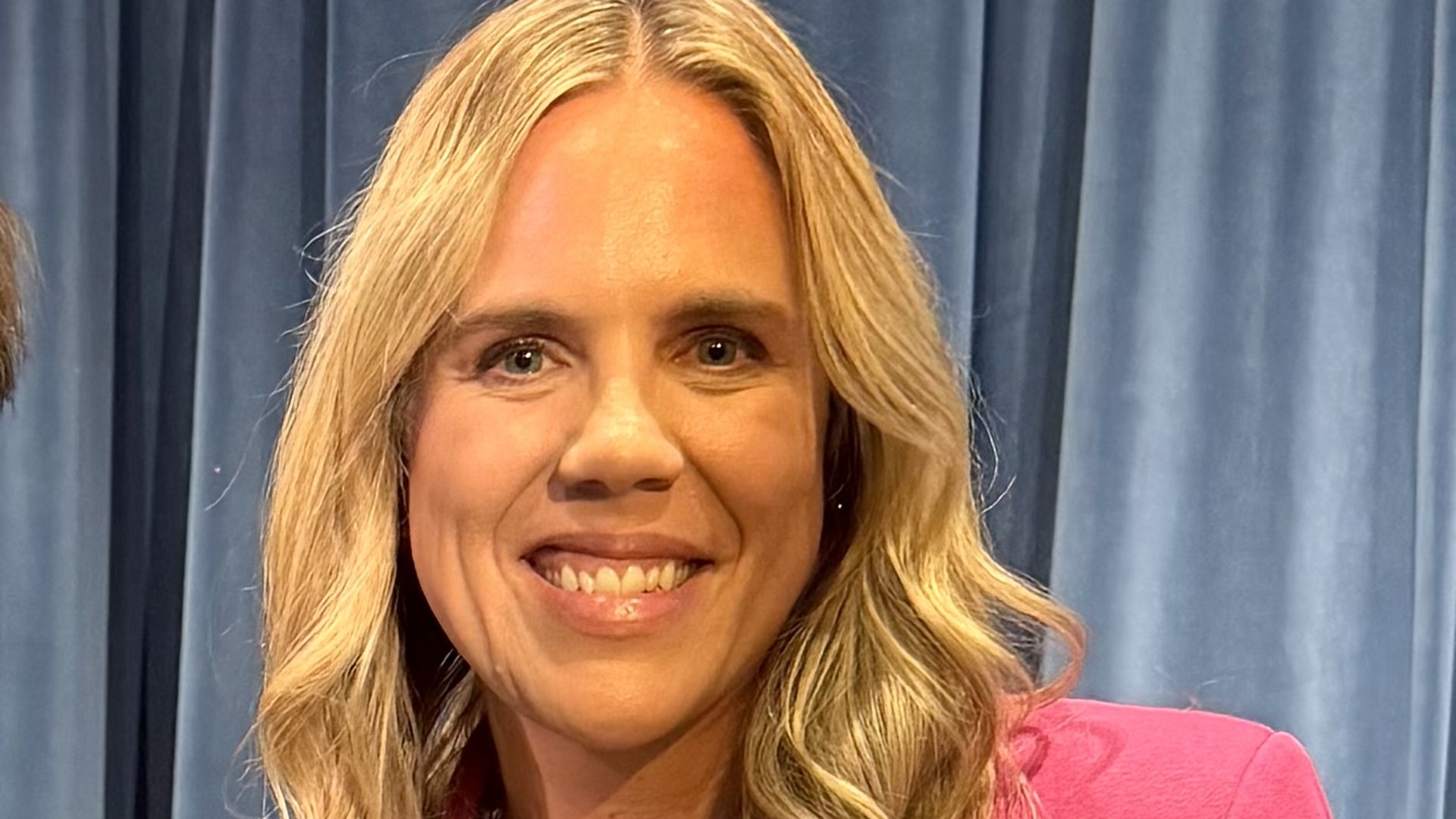
Experience Questions Follow Graham Into the Final Days
Voters in the tied poll raised a clear concern about Graham.
Fifty one percent said she lacks the right experience to be an effective senator.
That view included 18 percent of Republican voters.
By contrast, 54 percent said Andrews has the right experience for the job.
Graham hurt herself in an August debate with one candid admission.
She told voters then that she was not that informed on national security.
She now answers that she is not a career politician.
She says she does not speak politician, and her campaign leans on Trump.
Money tells the same story of a challenger with momentum.
Andrews holds about 24 million dollars in campaign cash.
Graham holds less than 2 million dollars.
Groups backing Andrews have spent or reserved about 30 million dollars on ads.
Groups backing Graham have put about 21 million dollars into the race.
Why This Race Matters Far Beyond One State
Republicans entered this fall with a six seat Senate majority.
They are now defending seats in Alaska, Iowa, Kansas, Texas, Ohio, North Carolina and Maine.
Polls show Democrats leading in each of those states.
Analysts favor Democrats to retake the House, while Senate control is too close to call.
Defending home turf in the South drains money and time from other states.
Trump has campaigned in 19 states since the start of October.
He rallied in Mississippi this week for a Senate race that has also tightened.
There, Scott Colom could become the first Black senator from Mississippi since Reconstruction.
The ballot fights run alongside the campaign fights this year.
On Thursday morning, federal poll monitors were barred from including FBI and ICE staff.
Washington state has also refused a federal demand to set aside 405 ballots.
South Carolina has not sent a Democrat to the Senate in decades.
Ernest Hollings won his final term in 1998, and no Democrat has won since.
Five days of campaigning will decide whether that streak ends on Tuesday.
Black voters in South Carolina hold a big part of that answer.