8 min read
Major Takeaways
- Black voters hold 22 percent of all early ballots in North Carolina, well above their share of the state electorate.
- Black voters beat their 2022 share on every single day of early voting in Louisiana, where early voting has now closed.
- Georgia has already passed its entire 2022 early voting total in person, with two days of early voting still to run.
- New maps can dilute a House district, but no map can gerrymander a statewide Senate or governor race.
Six days before Election Day, the Black turnout surge is the clearest pattern in the 2026 midterms.
Across the South, Black voters are casting early ballots at a pace far ahead of the last midterm cycle.
More than 32 million Americans had already voted by Tuesday, and the sharpest gains are showing up in Black communities.
Voting rights advocates say anger over new maps drawn to dilute Black power is pushing people to the polls early.
Kitchen table costs are pushing them too, and the two forces together are changing the math of close races.
Black Turnout Surge in North Carolina by the Numbers
North Carolina is the loudest example, because the state reports the race of every voter who casts a ballot.
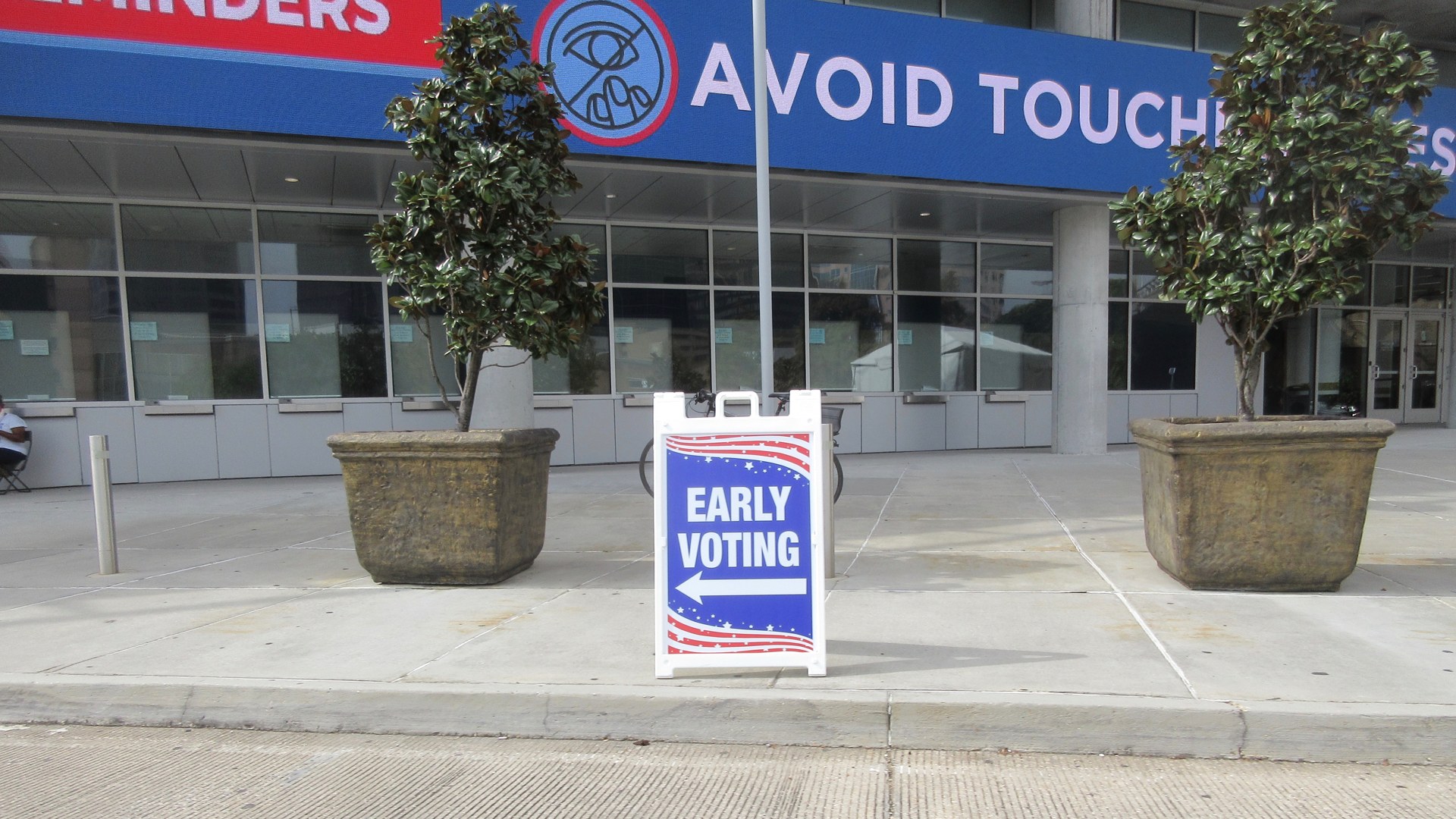
Through Monday, 1.77 million North Carolinians had banked ballots, nearly half a million ahead of the same point in 2022.
Monday alone brought 183,108 in person ballots, up 45 percent from 125,987 on the same day four years ago.
By Monday the state sat just 378,000 ballots short of its entire early voting total from 2022.
Analysts tracking the state now expect the early vote to approach three million ballots before Election Day.
Black voters account for 22 percent of those early ballots, though they make up about 19 percent of registered voters.
As of last Thursday, 279,688 Black voters had cast ballots, against roughly 170,000 at the same point in 2022 and 2018.
That is a jump of more than 60 percent, recorded before Souls to the Polls Sunday and the final week push.
Registered Democrats hold 41 percent of the early vote, unaffiliated voters hold 34 percent, and Republicans hold 25 percent.
Four years ago Republicans held 32 percent of the early vote at this stage, a share that has clearly slipped.
One Redrawn District Shows What Is at Stake
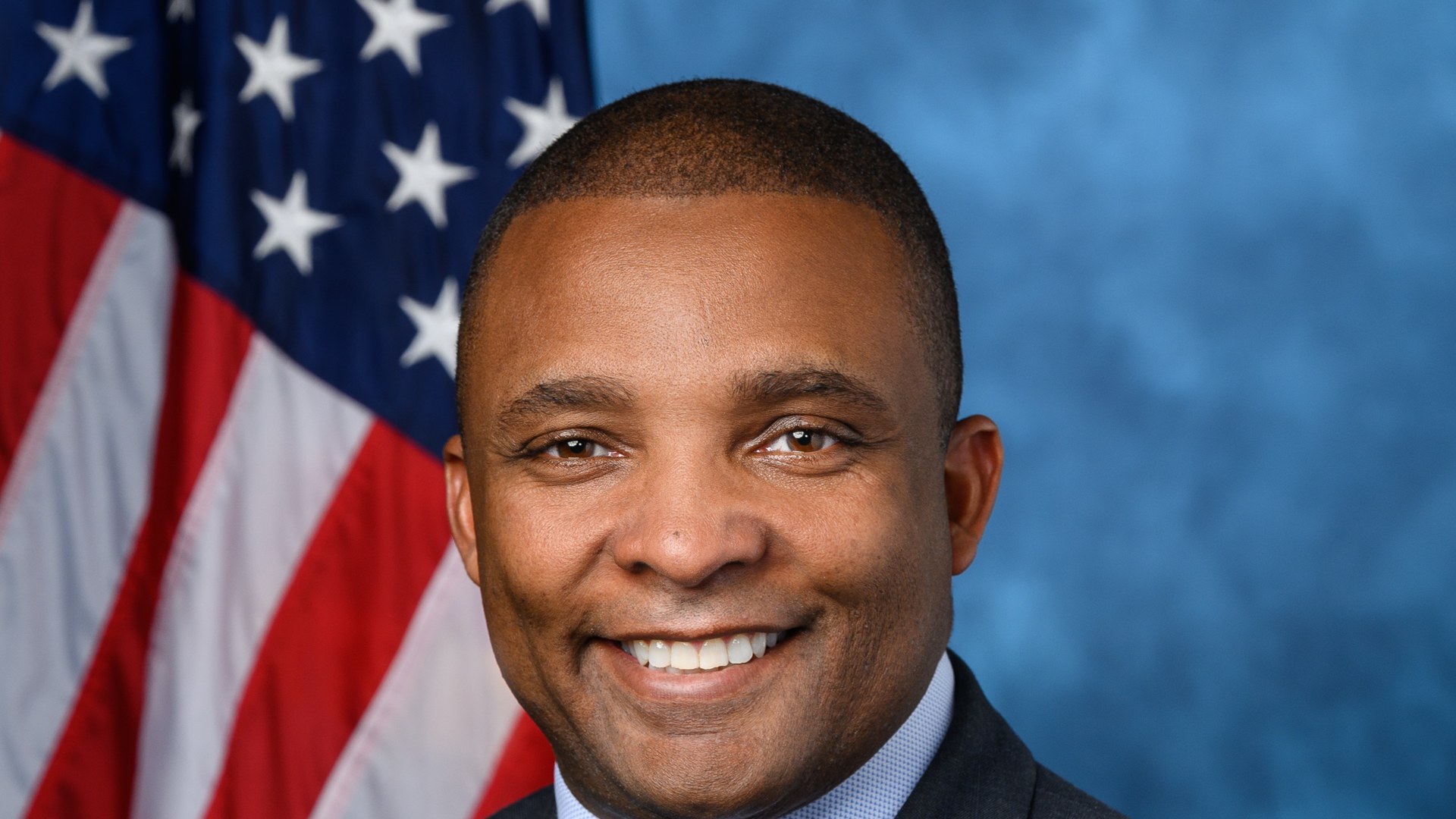
The surge is loudest where the maps moved, starting with the First Congressional District of Representative Don Davis.
Republican lawmakers redrew the district in 2025 to cut the Black share of its voting age population from 40 percent to 32 percent.
Under the old lines, President Trump carried the district with about 51 percent of the vote in 2024.
Under the new lines, he would have carried it with roughly 55 percent, and the seat is now rated a toss up.
Davis faces Republican Laurie Buckhout, a retired Army colonel, in a race both parties now treat as a national priority.
His campaign says it feels the energy in the early numbers and plans to run through the tape.
A national Democratic campaign spokeswoman put the backlash in plain words, saying Black voters are saying no.
She added that Black North Carolinians were never going to stand for this blatant attack on their voting rights.
Reginald Fischer, a 70 year old Black retiree from New Bern, named rising costs as his top concern this year.
He also said he dislikes redistricting done to favor either party, a view organizers hear in line after line.
Louisiana Black Turnout Surge Held for All Seven Days
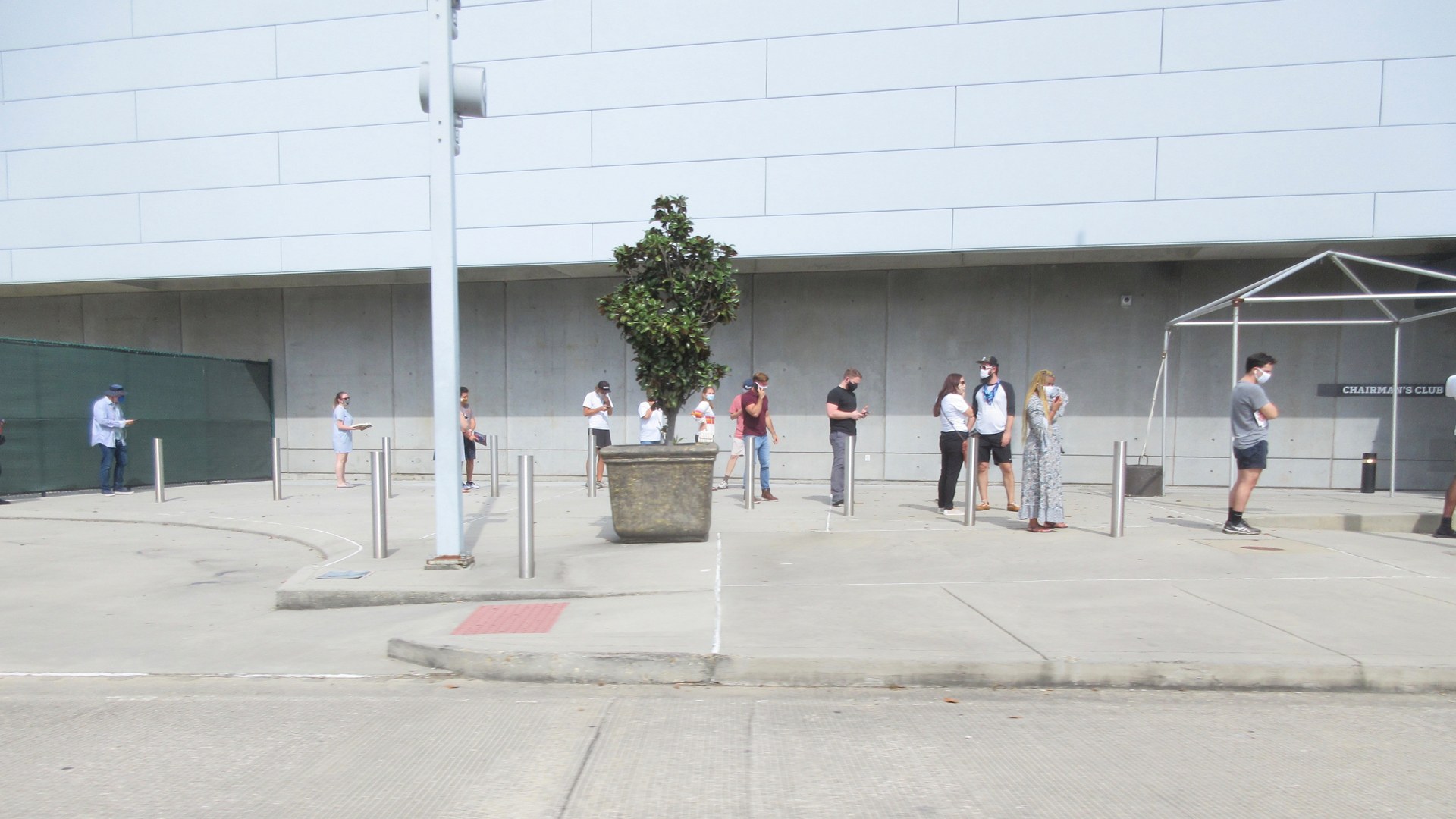
Louisiana closed its seven day early voting period on Tuesday, and Black voters outran 2022 on every single day.
Daily tracking by Louisiana pollster John Couvillon shows the Black share of the early electorate between 32 and 42 percent each day.
In 2022, the same seven days produced Black shares between 23 and 31 percent, a gap that never closed.
The first day set the tone, drawing 114,655 voters, the third highest opening day total since 2008.
Black voters were 31.7 percent of all first day voters and 34.9 percent of those who voted in person that day.
That matters in a state where Black voters are 31.3 percent of the electorate yet usually vote below that share.
Couvillon called the opening day the second strongest first day for Black turnout since 2008 and said Democrats ran the tables.
The stakes run straight through the fight over the state map that cost Louisiana its second Black majority district, covered in our report on the Louisiana hearing that put the last Black district at risk.
A Senate Long Shot Feels the Ground Move in Louisiana
The biggest Louisiana beneficiary could be Jamie Davis, a farmer from Tensas Parish running for the United States Senate.
Davis would become the first Black person elected statewide in Louisiana in 150 years if he beats Representative Julia Letlow.
Operatives in the state repeat a simple formula for a Democrat to win Louisiana statewide.
Win 90 percent of the Black vote, win 30 percent of the white vote, and get Black voters to 33 percent of the electorate.
The early numbers put that third piece within reach, even as national Democratic groups have yet to send money.
Letlow’s campaign shows no public alarm, saying she will win by lowering costs and putting Louisiana first.
Her campaign also notes that Republicans erased a Democratic early voting lead in 2022 and won in a rout.
Democrats answer that this year carries extra fuel, from fuel and grocery prices to anger over the lost district.
Georgia Adds Its Own Weight to the Black Turnout Surge
Georgia tells the same story at larger scale, even though the state does not report early voters by race statewide.
By Tuesday afternoon, 2,000,452 Georgians had voted early in person, with another 97,382 absentee ballots accepted.
The in person total alone already passed the entire in person early vote of the 2022 midterm, which was 1,640,652.
Black voters made up about a third of Georgia ballots through Monday, as our earlier report on Georgia early voting and Black voters detailed.
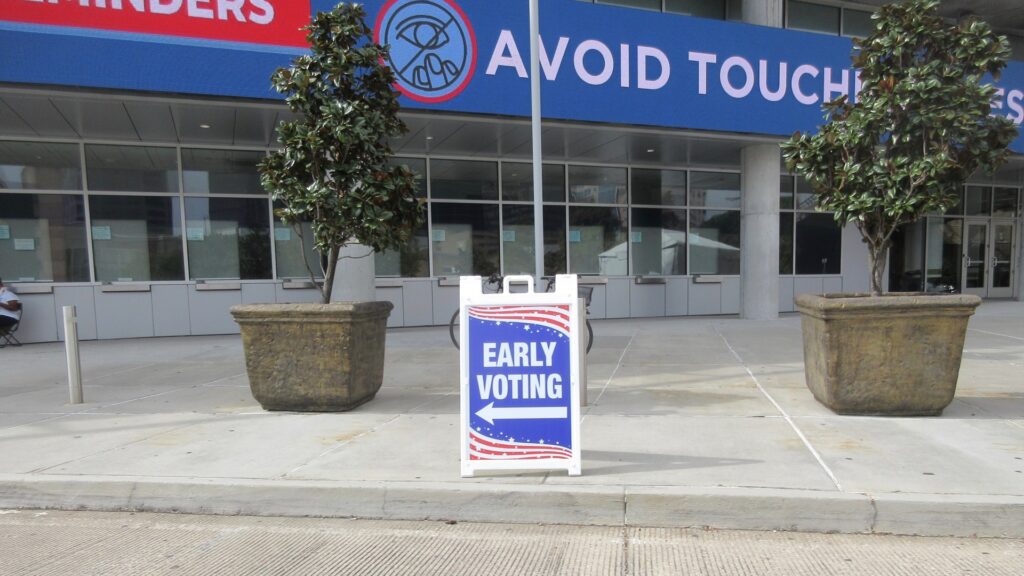
Georgia early voting runs through Friday, and churches and campuses are treating the final days like a second Election Day.
Why Black Voters Are Showing Up Early
Organizers name two engines, and the first is the map fight that has rolled across the South for a year.
A Supreme Court ruling this spring weakened the Voting Rights Act and made racial gerrymandering claims far harder to prove.
New maps followed in North Carolina, Louisiana, Florida, and Tennessee, each one shrinking the power of Black votes.
Ashley Shelton of the Power Coalition for Equity and Justice in Louisiana calls the response personal for Black voters.
The second engine is money, as electricity bills, gas bills, and food bills keep climbing for working families.
Shelton says people who once said they do not do politics now realize politics is absolutely doing them.
Marcus Bass of the North Carolina Black Alliance hears the same mood from voters across his state.
He says more voters feel the political process has not improved their quality of life, and they are answering at the polls.
A national survey of Black registered voters in late September and early October fits that picture.
It found 70 percent backing the Democratic candidate for the House and just 7 percent backing the Republican.
Statewide Races Cannot Be Gerrymandered
Strategists in both parties keep returning to one simple fact about this surge and where it lands.
A legislature can draw a House district around Black voters, but it cannot draw a line around a whole state.
That is why the surge matters most in Senate races in North Carolina and Louisiana and in the Georgia governor race.
Former Governor Roy Cooper holds a clear polling lead over Michael Whatley in the North Carolina Senate race.
Every Black ballot banked early in that race counts exactly the same as a ballot cast in the reddest county.
The same math lifts Davis in Louisiana and Keisha Lance Bottoms in Georgia, whatever the district maps say.
What the Surge Can and Cannot Prove
Honest analysis has to hold two truths at once about these numbers.
Early ballots reveal who has voted, and they never reveal how anyone voted.
Republican voters have a long habit of arriving on Election Day itself, which can shrink an early voting gap fast.
North Carolina Black turnout also remains below presidential year levels, when 571,804 Black ballots were cast by this point in 2020.
By this point in 2024, the figure was 407,761 Black ballots, still well above the current midterm pace.
The surge is real and record setting for a midterm, and it still has to survive one more week.
That is why the protection work matters as much as the turnout work in these final days.
Tens of thousands of trained poll guardians will watch the count, as our morning report on poll guardians mobilizing for the midterms explained.
The Final Days Still Matter
Early voting ends Friday in Georgia and Saturday in North Carolina, while Louisiana now rests entirely on Election Day.
Every campaign in the region is now racing to reach Black voters who planned to vote but have not yet gone.
The maps were drawn on the assumption that Black turnout would stay quiet in a midterm year.
One week out, the early vote says that assumption was wrong, and November 3 will deliver the final verdict.