5 min read
Major Takeaways
Black voter turnout is running strong across the South with four days left before Election Day.
Analysts say anger over new political maps is driving much of the surge.
Young voters on Black college campuses are leading much of the energy.
National organizers are pushing in eight states through Tuesday, November 3.
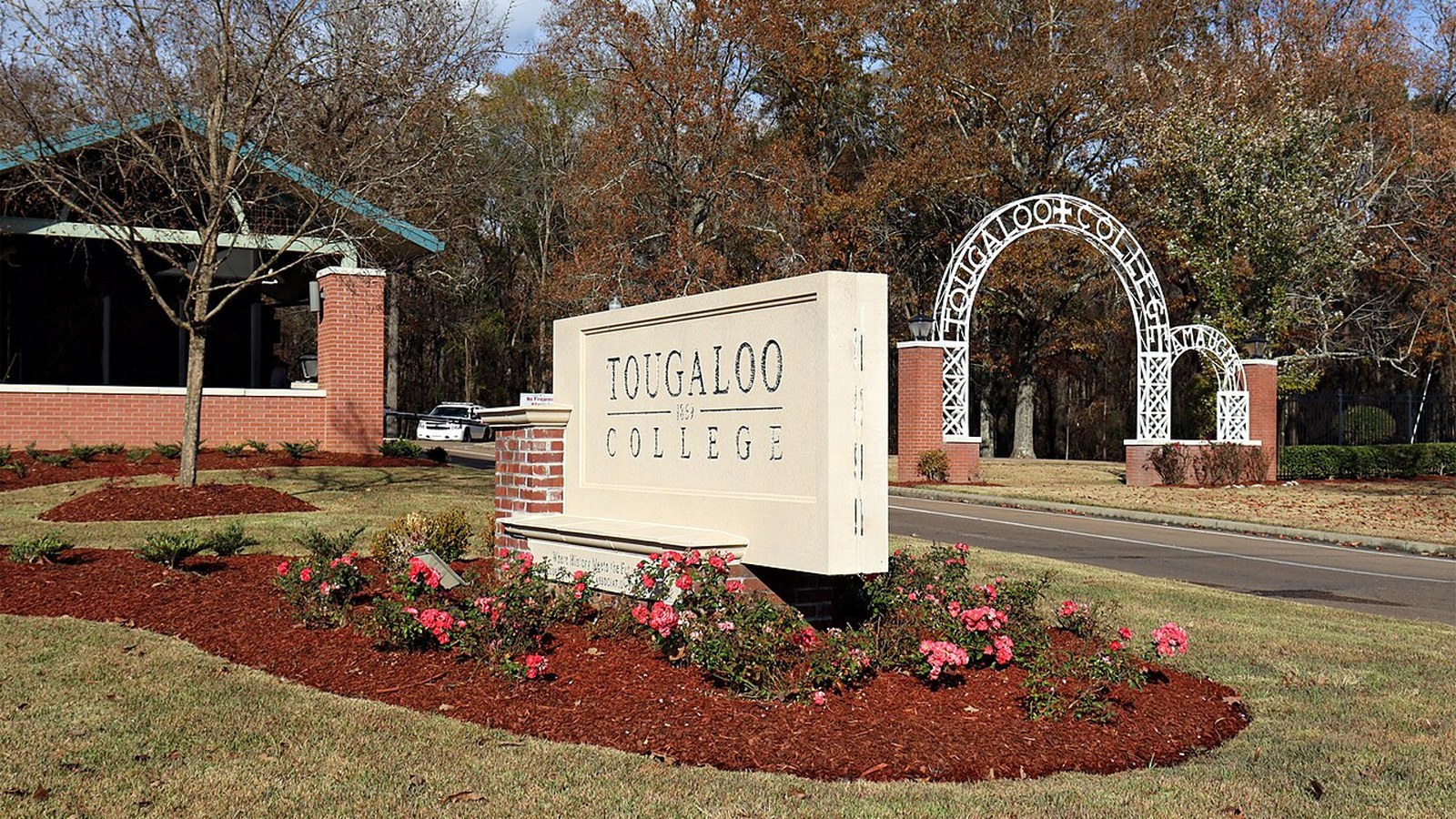
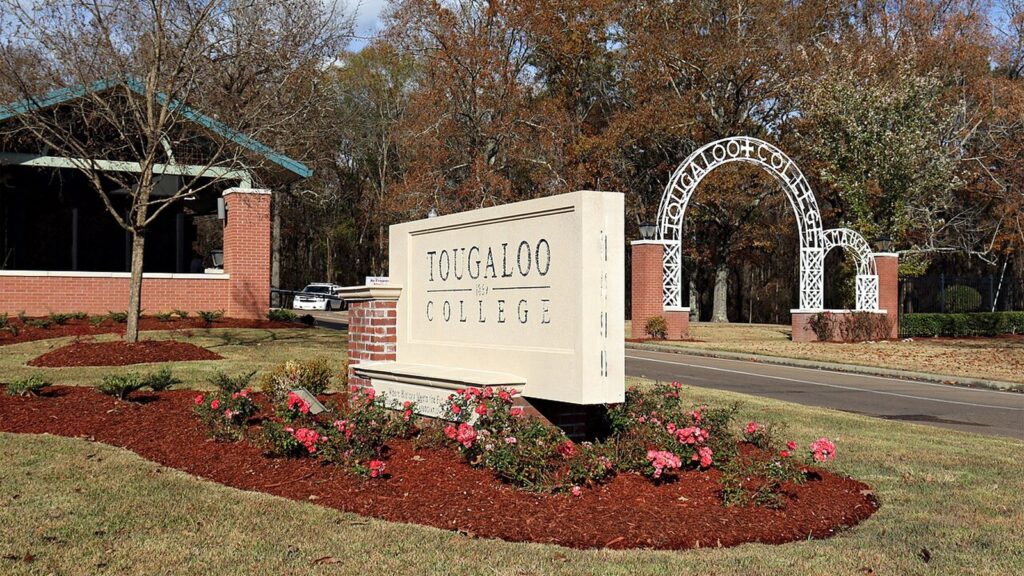
Photo credit: 2C2K Photography via Wikimedia Commons, CC BY 2.0
Black Voter Turnout Defies the New Maps
Black voter turnout is rising across the South in the final stretch of early voting.
Southern states with early voting are reporting high turnout from Black voters.
Voting rights activists say the numbers answer redistricting efforts that weakened Black voting power.
The push follows an April Supreme Court ruling in Louisiana v. Callais.
That ruling weakened the Voting Rights Act and made it harder to prove race in gerrymandering cases.
Alabama, Tennessee and Louisiana then adjusted their political maps ahead of the November midterms.
The new maps favor Republicans, and more states could follow in the next cycle.
Instead of sitting out, Black voters are showing up in bigger numbers.
1. The Numbers Tell a Story of Pushback
Ellis Bates, an elections analyst with VoteHub, sees the pattern across the region.
South Carolina is seeing turnout at a presidential level, Bates said.
In Louisiana, where the Callais case began, Black voters are outvoting their share of the population.
Black turnout in Georgia early voting runs about 6 percent higher than at this point in 2024.
Bates said Southern states also saw higher Black turnout in primaries this year than in past cycles.
Organizers say the surge began building well before this fall.
Ashley Kennedy Shelton of the Power Coalition for Equity and Justice called the ruling personal for Black voters in Louisiana.
Turnout there jumped in a primary held just weeks after the decision.
2. Young Voters Are Doing the Work
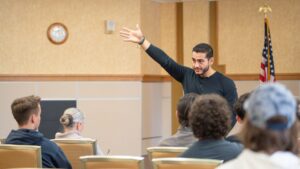
At Tougaloo College in Jackson, Mississippi, students packed Warren Hall this week.
They came for the Voting is No Laughing Matter tour, organized by the Southern Poverty Law Center of Mississippi.
Students got a crash course in civics, from absentee voting to redistricting in Mississippi.
Afterwards, they signed a pledge to vote on November 3 and take a friend along.
Senior Aznii Welchlin said the threat of redistricting worries her for her community.
She also worries about the cost of education.
“We are losing so many rights, and we just cannot keep going back, and we have to only push forward,” Welchlin said.
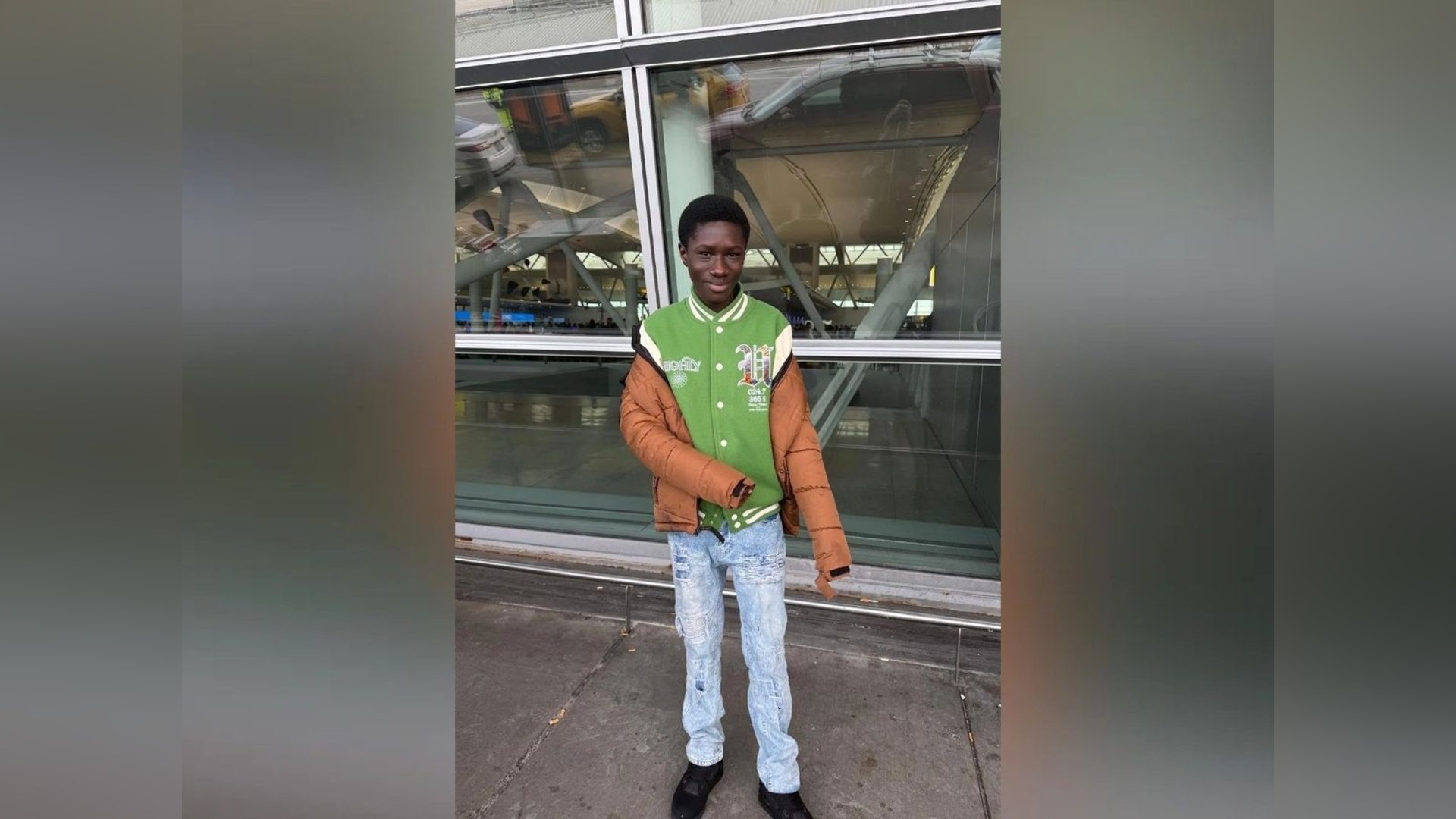
Freshman Muarib Abdul Tawwab will vote in his first election this year.
He said he and his friends, most of them freshly 18, have registered one another and plan to be ready by November 3.
In Shreveport, Louisiana, about a dozen young members of the People Promise Youth Division canvassed Cherokee Park.
Cherokee Park is a majority Black neighborhood.
Student volunteer Jelyse Davis called the redistricting decision a direct assault on representation.
“I think it was a direct assault against representation for Black Americans, especially Black Louisianians,” Davis said.
Makayla Jones, the college president of the group, said young people want to change the story told about them.
“I want to prove them wrong. We are out here working,” Jones said.
She said the group works around the clock and will keep moving past this election.
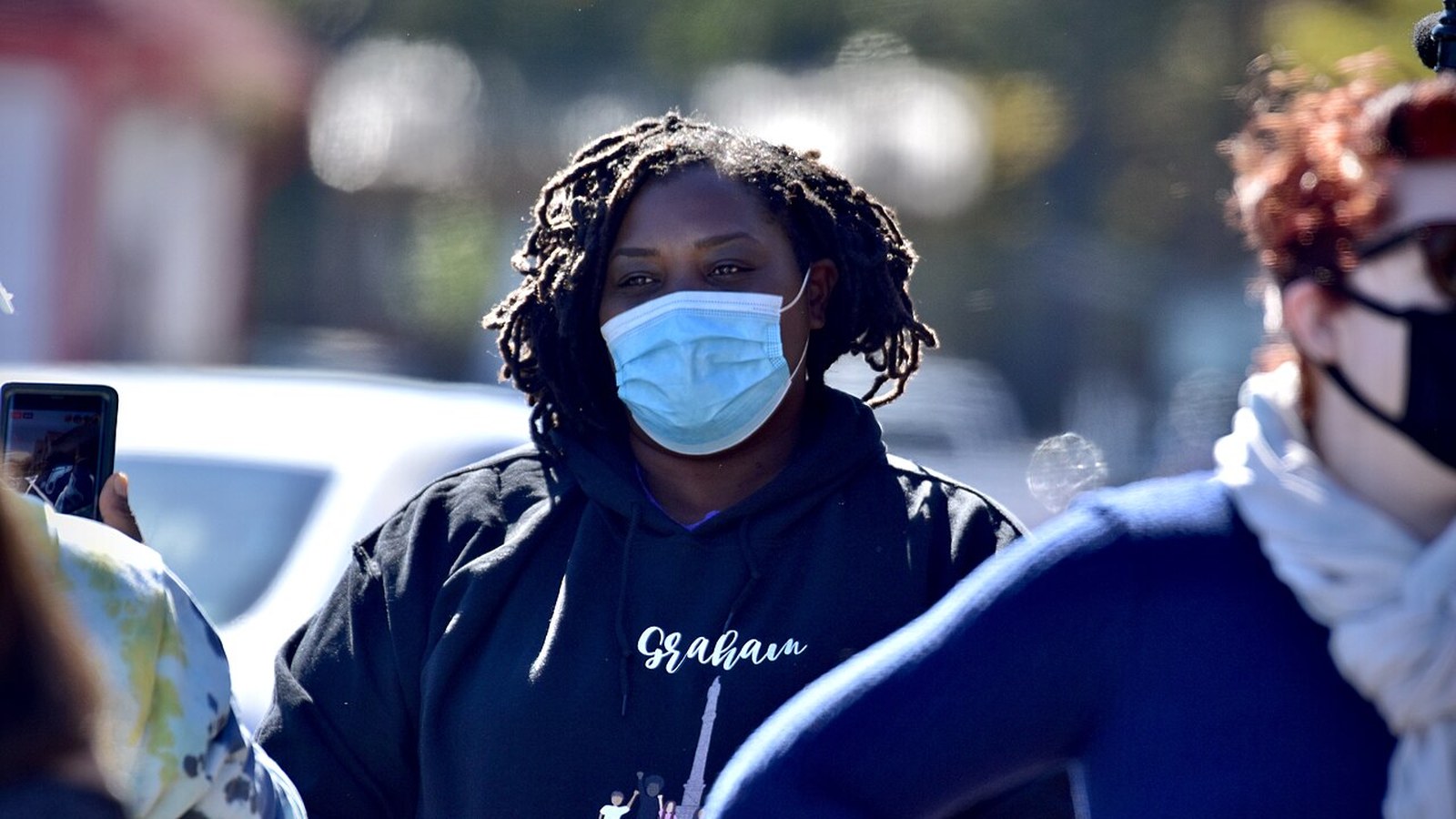
Photo credit: Anthony Crider via Wikimedia Commons, CC BY 2.0
3. Kitchen Table Costs Fuel the Fire Too
Redistricting is not the only force moving voters.
Shelton said families feel politics in their electricity bills, gas bills and food bills.
People who once said they do not do politics now see that politics is doing them, she said.
Marcus Bass of the North Carolina Black Alliance sees the same mood in his state.
He said more voters feel the political process has not improved their quality of life.
North Carolina also has a big state Supreme Court race and House races that could change hands.
One of those House seats was drawn through the new maps.
The pressure on Black voters has come from many directions this fall, from federal voter data demands to a Texas lawsuit over ads aimed at Black voters.
4. The Final Push Spans Eight States
National groups are racing to turn energy into ballots before Tuesday.
The National Coalition on Black Civic Participation and its Black Women Roundtable launched a final push on October 30.
More than 40 organizations are working the Power of the Sister Vote tour.
The tour covers 22 cities across eight states.
Its final push runs through Election Day in Alabama, Florida, Georgia, Michigan, Mississippi, Ohio, Pennsylvania and South Carolina.
The work includes canvassing, campus marches to the polls, rallies, phone banking and rides to early voting sites.
“Our message is simple: Do not sit on the sidelines. Make a plan, bring someone with you, and vote,” said coalition president Melanie L. Campbell.
Voters who hit problems at the polls can call the Election Protection Hotline at 866 687 8683.
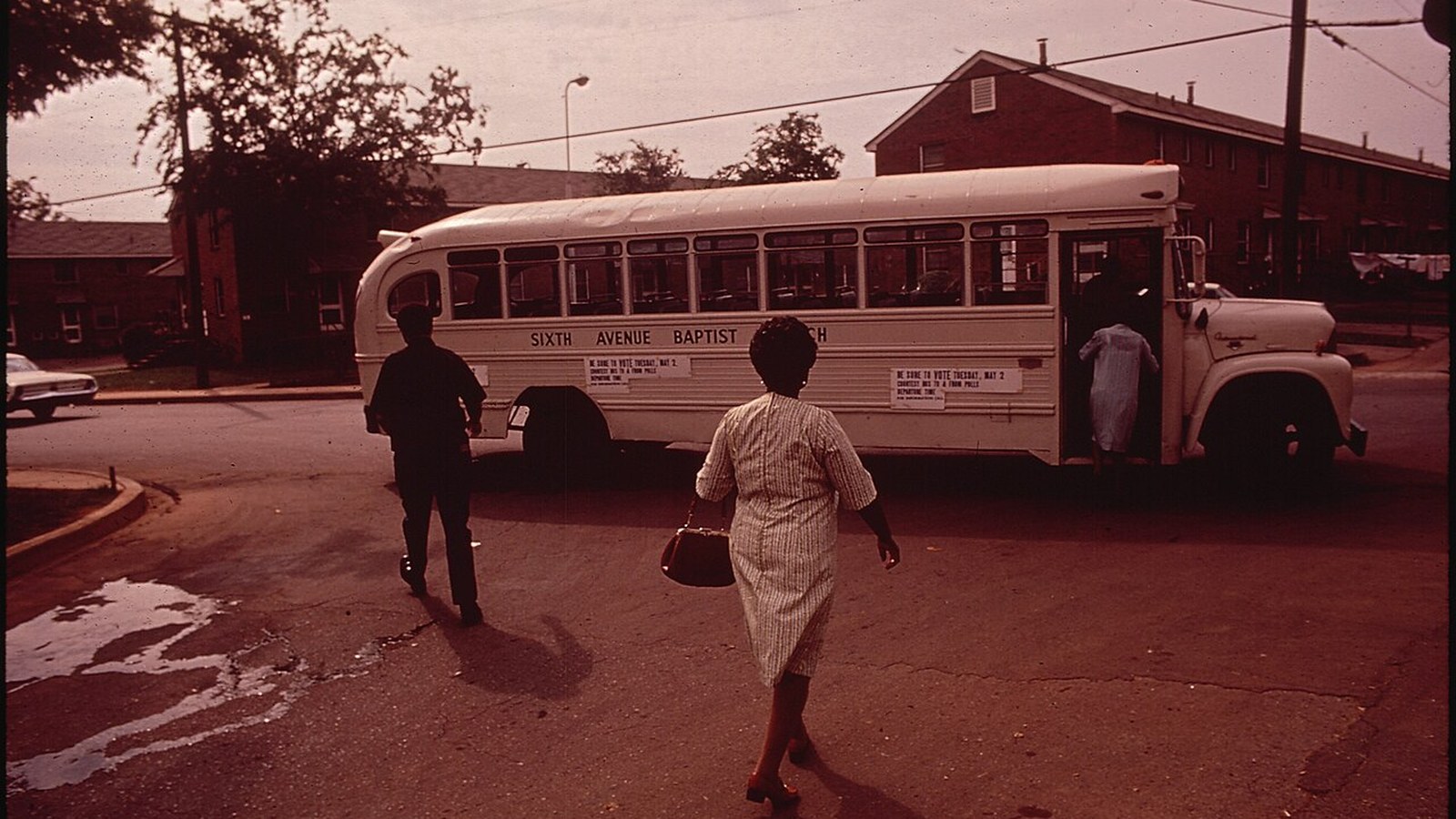
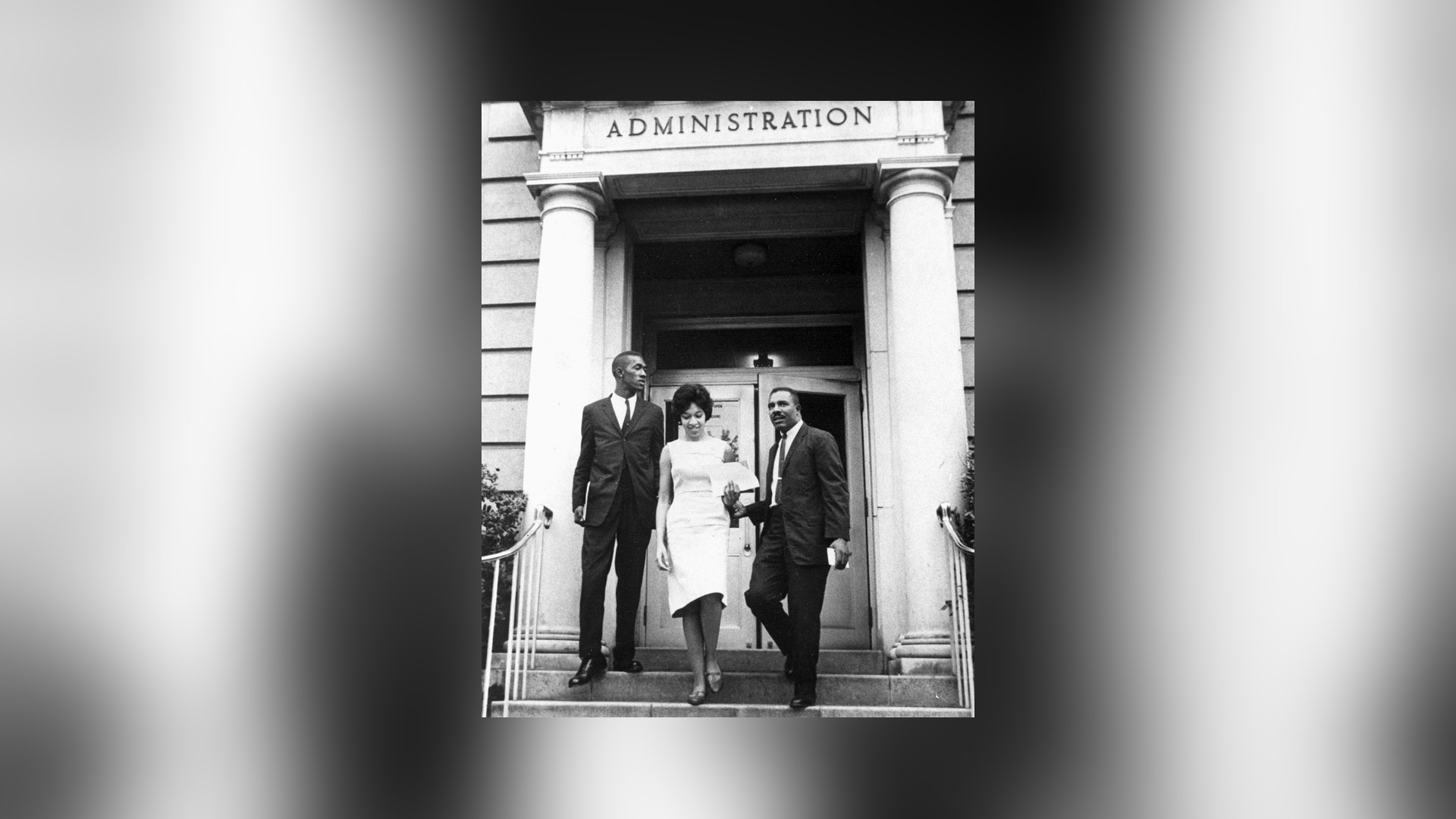
Photo credit: LeRoy Woodson, U.S. National Archives, public domain
Why Statewide Races May Feel This Surge Most
Strategists note one limit on the new maps.
You cannot gerrymander a statewide race.
That means strong Black turnout can move governor and Senate contests in Georgia, Florida and North Carolina.
Early numbers in Louisiana already showed the same force, as Black voters surged early in the Louisiana Senate showdown.
For Black communities, the stakes reach far beyond any single district line.
Representation decides school funding, health care, jobs and the safety of our neighborhoods.
Our elders marched and rode church buses so this right would survive.
This fall, their grandchildren are answering drawn lines with longer lines at the polls.
Early voting remains open in many states this weekend.
Make a plan, check your polling place, and bring somebody with you.