6 min read
A federal judge wants the full map of the DOJ voter demands.
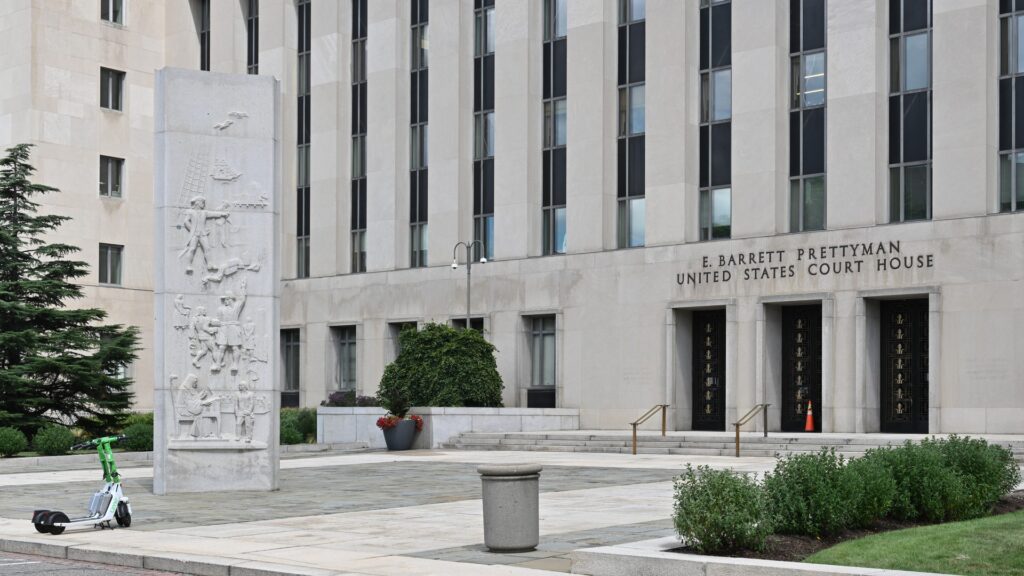
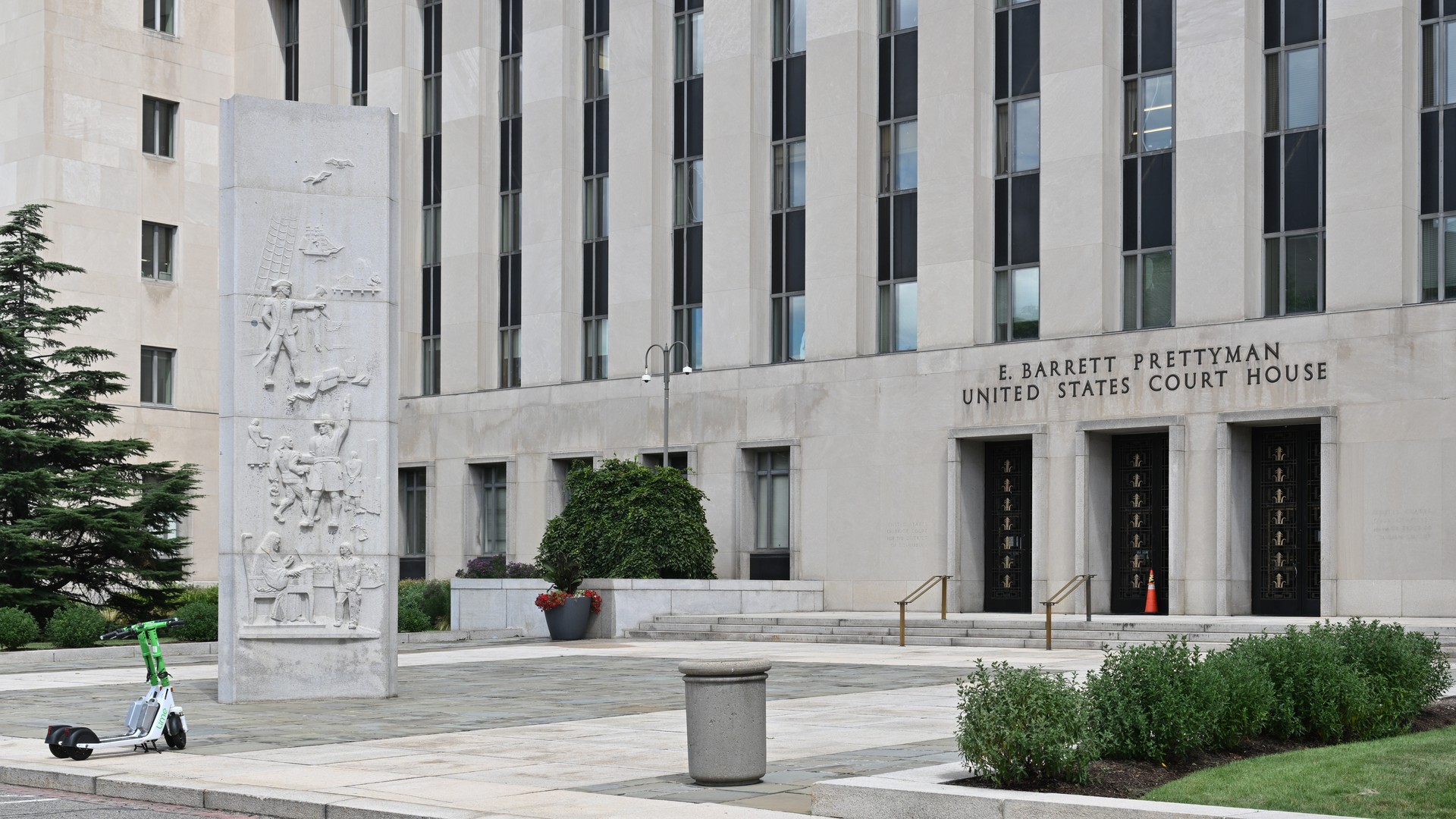
Chief Judge James Boasberg held a hearing on Thursday.
He ordered the administration to name its targets by noon Friday.
The targets are states pressed since July 1.
The ruling in the case is due Monday.
Election Day follows on Tuesday, November 3.
Major Takeaways
- The Justice Department must list its letter states by noon Friday.
- The letters pressed states to remove voters or set ballots aside.
- Judge Boasberg questioned whether the plaintiffs have standing to sue.
- He still allowed limited discovery that could strengthen their case.
- A final ruling on emergency relief is expected Monday.
- Washington found citizens on the list it received this week.
DOJ Voter Demands Face a Noon Friday Deadline
The order came in a lawsuit filed October 20.
Plaintiffs include three national Democratic organizations.
The Nevada Democratic Party is also a plaintiff.
Senate leader Chuck Schumer joined the case as well.
House leader Hakeem Jeffries joined it too.
A California voter who is a naturalized citizen joined.
The suit says the administration violated the Voting Rights Act.
It says officials pressured states to remove voters from rolls.
It says officials threatened election workers with criminal prosecution.
Boasberg did not rule on the restraining order request Thursday.
He instead granted part of the request for discovery.
That discovery is the state list due at noon.
Democrats may file added briefing on Saturday.
Boasberg said he will rule by Monday.
Standing Is the Hard Question in the Case
Boasberg voiced doubt about the plaintiffs and their standing.
Standing is the legal right to bring a claim.
He called the assumption of more threats possibly too speculative.
He also spoke plainly about the concerns raised.
He said he does not doubt the plaintiffs have legitimate concerns.
He said his biggest concern is their standing to sue.
He told their lawyer they must build on the disclosure.
His exact words set the task for the weekend.
You are going to need something based on what they give you.
The judge noted one path that could end the fight.
The administration could moot the process at any time.
It could file notice that it will drop the challenged conduct.
No such notice had been filed by Thursday night.
The Government Says the Letters Change Nothing
Justice Department lawyer Christian Dibblee defended the letters in court.
He said sending a letter forecasts no future government action.
He said what states do next is entirely their choice.
He said none of the letters threaten prosecution.
The department makes the same point in its filings.
It says the letters have no independent legal effect.
It says a letter alone cannot change a registration status.
It says a letter alone cannot withhold a ballot.
It says a court order would be needed for compulsion.
Plaintiffs lawyer Uzoma Nkwonta answered with a warning.
He said the department has escalated its efforts near Election Day.
He said other states may have received letters in silence.
He said some of those states may have quietly complied.
He questioned the truth of the government claims outright.
Flawed Lists in Washington and California
Only two letter states are public so far.
They are California and Washington.
In California, the department sued over 20,000 ballots.
It asked the state to set those ballots aside.
It claimed the voters were likely noncitizens.
It also hinted at 17,000 more names under review.
A federal judge sided with California on Wednesday.
The department appealed that ruling at once.
Read our coverage of the California mail ballot fight and its appeal.
In Washington, the list named about 400 people.
Secretary of State Steve Hobbs answered on October 28.
His office ran a preliminary review of the names.
It found United States citizens on the list.
It found people who are not currently registered.
It found people whose registrations are inactive.
It found duplicate entries as well.
Hobbs called the list unreliable in his reply.
He noted the file arrived as a printed spreadsheet copy.
It lacked voter identification numbers and street addresses.
It offered no proof tied to each named person.
Hobbs said withholding ballots without such proof is illegal.
Read how Washington rejected the demand to set aside its ballots.
Why Black Voters Hear an Old Warning Here
Black voters know what a challenged list can do.
A wrong name on a roll can cost a vote.
That cost lands hardest in the final days.
There is little time left to fix an error.
The lawsuit centers naturalized citizens for a reason.
They earned the franchise through a long legal process.
Now their ballots face added suspicion at the count.
Evidence in this fight points the other way.
Voting by noncitizens is extremely rare in American elections.
State reviews and federal probes have both shown that.
Still, the letters keep arriving as ballots are cast.
More than forty million Americans have already voted early.
Black turnout is running strong across the South.
Students are still marching to reach open polling sites.
See how HBCU students marched to vote after campus sites were cut.
What Voters Should Do Before Tuesday
Check your registration status with your state today.
Confirm your polling place before you travel.
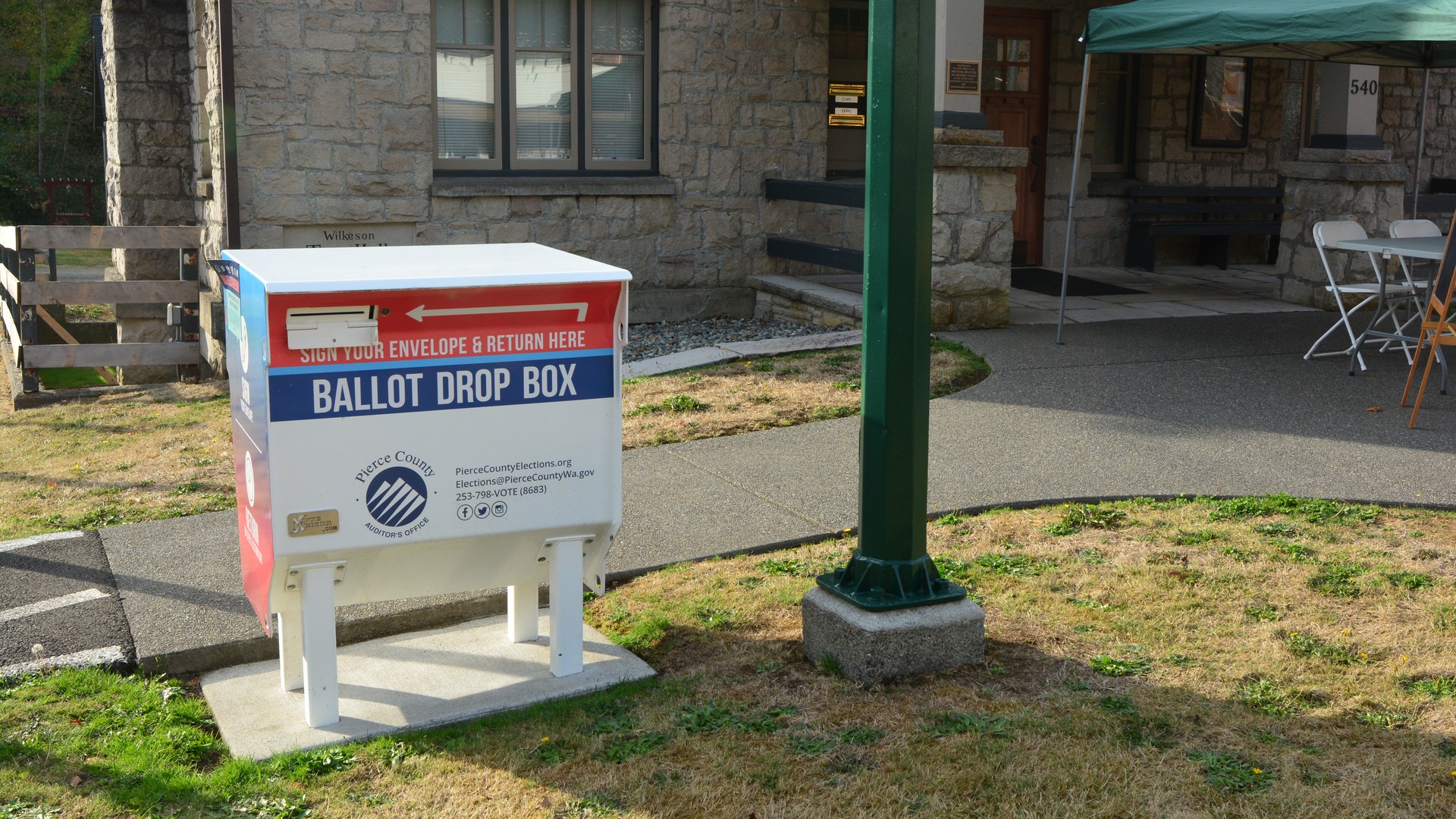
Return a mail ballot through an official channel only.
Ask questions at the polling place if problems arise.
If officials say your name is missing, stay calm.
Ask about casting a provisional ballot before you leave.
Then watch the court calendar on Monday.
The noon list will show how wide this effort ran.
The Monday ruling will shape the final day.
Every lawful vote deserves a full count.