7 min read
Harris County voter ads are now at the center of a state lawsuit.
Texas sued the Harris County clerk on Thursday.
The state says the ads targeted Black voters on purpose.
It says Latino and Asian voters were targeted too.
The filing landed on the eve of a deadline.
Early voting in Texas ends today, Friday, October 30.
Election Day follows on Tuesday, November 3.
Major Takeaways
- Texas sued Clerk Teneshia Hudspeth over 43,429 dollars in voter ads.
- The ads used interest tags tied to Black, Latino and Asian audiences.
- Hudspeth turned the audience subsets off on Thursday night.
- She says the outreach was lawful and nonpartisan.
- A federal judge also tossed the NAACP Texas records case Thursday.
- That case involved more than 500,000 delayed voter registrations.
Harris County Voter Ads Drew a 16 Page State Lawsuit
The suit names County Clerk Teneshia Hudspeth.
It also names communications director Irene Nunez.
Both women are sued in their official roles.
The state seeks a temporary restraining order.
It also seeks temporary and permanent injunctions.
At issue is the Plan Check Vote campaign.
The campaign told residents when and where to vote.
It ran on Facebook and Instagram this fall.
The state counted 43,429 dollars in ad spending.
That count covered the past 30 days.
One set of ads began on September 23.
That set drew at least 2.7 million impressions.
The complaint focuses on the audience settings.
Ads could be aimed using detailed interest tags.
Tags included African American history and literature.
Tags also included Afrobeat and Latin dance.
Other tags named countries and cities abroad.
The state says no European tags were used.
It calls that sorting racial discrimination.
The complaint states a clear legal claim.
Nothing in the Texas Constitution permits this targeting, it says.
It says no state statute permits it either.
The state cites the Texas Equal Rights Amendment.
That provision bars denial of equality under law.
It lists race, color, creed and national origin.
The state says the clerk exceeded her authority.
It says taxpayer money funded the ads.
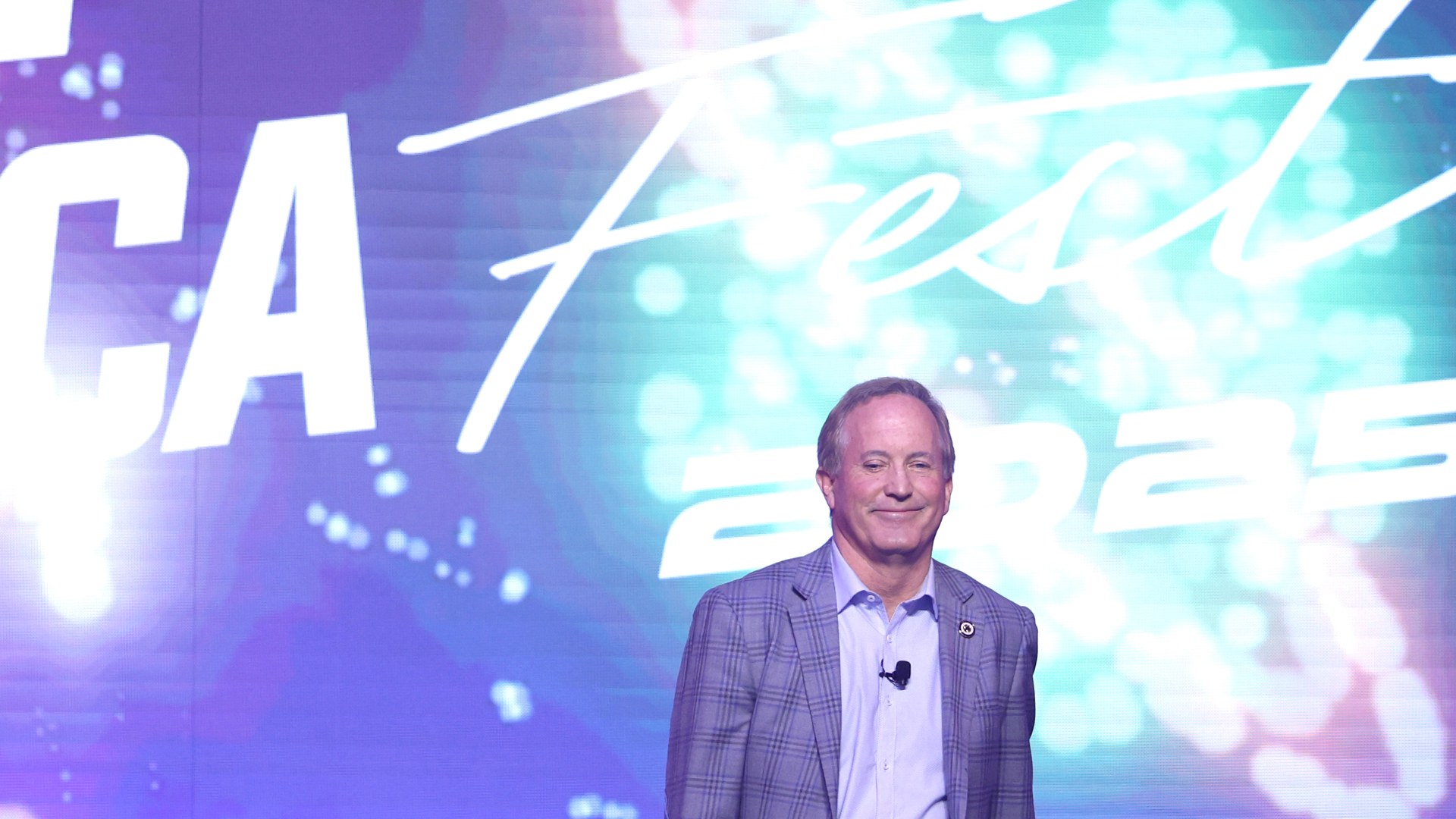
Attorney General Ken Paxton recused himself from the case.
His office said the recusal was necessary.
Paxton is on the November 3 ballot himself.
He is the Republican nominee for United States Senate.
He faces Democrat James Talarico in that race.
The Clerk Turned the Targeting Off the Same Night
Hudspeth answered the lawsuit on Thursday night.
She said her office serves every qualified voter.
She called its duty accurate and timely information.
She said that information must stay nonpartisan.
She said the office is confident its outreach is lawful.
She also announced a practical step at once.
The Meta audience subsets have been deactivated.
She said the move avoids unnecessary distractions.
Her priority, she said, is a successful election.
She called that election transparent and secure.
She said the office does not engage in political rhetoric.
She said it does not seek to sway any vote.
Congressman Christian Menefee answered with sharper words.
Menefee represents part of Harris and Fort Bend counties.
He said the suit arrived with one day of early voting left.
He called the ads simple voting information.
They tell neighbors when to vote, he said.
They tell neighbors where to find voting information.
He named neighborhoods where turnout is rising.
He named Third Ward and Acres Homes.
He named Cypress, Tidwell and Sunnyside as well.
He urged every eligible voter to cast a ballot.
The Harris County Attorney office also pushed back.
That office called the suit a pathetic political distraction.
It said it is reviewing the filing.
No hearing date had been reported by Friday.
Harris County had already cast 862,659 ballots by Thursday afternoon.
That total marked an unprecedented early voting turnout there.
A Second Texas Case Ended in Dismissal on Thursday
Hours earlier, a federal judge ruled in San Antonio.
Judge Xavier Rodriguez dismissed a records lawsuit.
The plaintiffs were the NAACP and its Texas conference.
The Texas League of United Latin American Citizens joined them.
They sought records on delayed voter registrations.
The defendants were state officials in two agencies.
They were Secretary of State Robert Howden.
They were also Public Safety Director Freeman Martin.
The groups wanted the timeline for each delayed transaction.
They wanted to know where records were sent.
They wanted proof that affected voters were fully identified.
Rodriguez dismissed the case without prejudice.
That phrase means the groups may file again.
He found they lacked legal standing for now.
He said they had not shown how records would help them.
He allowed them to amend their complaint.
He warned an amendment may still not be enough.
Emergency relief before Election Day may still fail, he cautioned.
The ruling came one day after a federal judge in Washington ordered the Justice Department to name states it pressed on voter removals, a fight we covered in our report on the DOJ voter demands case.
More Than 500,000 Registrations Sat Delayed in Texas
The backdrop is a huge registration backlog.
A programming error slowed the state motor voter system.
That system handles registration at license offices.
It delayed more than 500,000 applications and updates.
State officials acknowledge errors dating back to December 2025.
A second problem added about 15,000 more applications.
That backlog built up shortly before early voting began.
The Texas registration deadline passed on October 5.
The groups gave the state 20 days to fix the failures.
They cited the National Voter Registration Act.
That law requires timely transmission of applications.
Kristen Clarke serves as general counsel for the NAACP.
She said federal law is crystal clear on timing.
She said records must not sit and collect dust.
Bradley Heard leads voting rights litigation at the Southern Poverty Law Center.
He said the groups were disappointed on Thursday.
He said they are considering their next steps.
He said the records would show where failures persist.
He said they would show where outreach is most urgent.
State officials say counties cleared the backlog in time.
A spokesperson said no county backlog was known at early voting start.
Texas announced a record number of registered voters on October 16.
That record stood at 19,041,684 voters statewide.
Thursday ruling did not decide if the law was broken.
A separate state court case remains alive.
That case challenges the same motor voter failures.
What Black Texas Voters Should Do Right Now
The practical stakes sit with voters, not lawyers.
Harris County is home to a large Black community.
About 20.5 percent of county residents are Black.
Latino residents make up about 46 percent.
When registration records stall, Black voters feel it first and hardest.
Our communities often register at license offices.
Our communities also move and update records often.
A silent delay can turn into a surprise at the polls.
Check your registration status before you travel to vote.
State officials point voters to the state voter portal for that check.
If you registered through a license office and your name is missing, speak up at once.
Officials say you may cast a provisional ballot.
Election workers can then verify your license office transaction.
That verification decides whether the ballot counts.
Early voting in Texas runs through today, Friday.
Election Day is Tuesday, November 3.
Turnout is surging across the South in this final stretch, as our Georgia early voting report showed this morning.
Texas voters are part of that same surge.
Two courtrooms moved on Thursday, in opposite directions.
One case now targets ads meant to reach Black voters.
The other case paused the fight over delayed registrations.
Neither ruling takes away a single ballot.
The ballot is still in the hands of Texas voters.
Read more in the Urban City Podcast news section as the final weekend unfolds.