4 min read
Major Takeaways
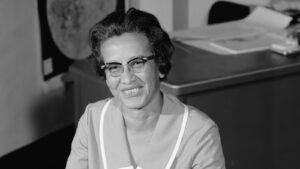
Henrie Monteith Treadwell has died. In 1963 she desegregated the University of South Carolina, and she was the last surviving member of that historic trio.
She applied at age 16, was turned away, sued the university, and won. She enrolled on September 11, 1963, alongside Robert Anderson and James Solomon Jr.
In 1965 she became the first Black graduate of the university since 1877 and the first Black woman graduate in its history.
She spent her career fighting for health care in underserved communities, closing her career at Morehouse School of Medicine in Atlanta.
Henrie Monteith Treadwell, the Columbia teenager who sued her way into the University of South Carolina and changed the course of her state, has died.
Her passing closes a living link to one of the defining moments of the civil rights era in South Carolina. She was the last surviving member of the three students who desegregated the university in the fall of 1963.
A Family That Raised Fighters
She was born Henrie Dobbins Monteith in Columbia in 1946, the daughter of R. Rebecca Monteith. Activism was not something she found. It was the family business, three generations deep.
Her grandmother, Rachel Monteith, founded one of the first Black public schools in Richland County. Her aunt, Modjeska Monteith Simkins, stood among the most fearless civil rights leaders South Carolina ever produced.
In that house, injustice was never discussed as somebody else’s problem. It was met with action, and the youngest Monteith learned the lesson early.
The Lawsuit That Opened the Door
In May 1962, at just 16 years old, she applied to the University of South Carolina. The university turned her away because she was Black.
She answered with a lawsuit, represented by attorney Matthew J. Perry Jr., who would go on to become a federal judge. In July 1963, the court ruled in her favor.
She sent in a new application on August 13, 1963. Less than two weeks later, her uncle’s home was bombed. She enrolled anyway.
September 11, 1963
On the morning of September 11, 1963, she walked onto the Columbia campus alongside Robert Anderson and James Solomon Jr. The three became the first Black students at the university since Reconstruction.
The day stayed peaceful, the result of months of careful planning. A photograph of the three students outside the Osborne Administration Building became one of the enduring images of the movement in South Carolina.
She kept her head down and did the work. In 1965, she graduated with a degree in biochemistry, becoming the first Black graduate of the university since 1877 and the first Black woman ever to graduate from the school.
A Life Spent Opening Doors for Others
The degree was a beginning, not a finish line. She earned a master’s degree in biology at Boston University and a doctorate in biochemistry and molecular biology at Atlanta University, then completed postdoctoral work in public health at Harvard.
She chaired the Division of Mathematics and Natural Sciences at Morris Brown College from 1975 to 1985. She then spent 16 years as a program director at the W.K. Kellogg Foundation, funding health work across the United States and southern Africa.
At Morehouse School of Medicine in Atlanta, she directed Community Voices, a program devoted to health care for people the system too often overlooks. Her research took on the health of Black teen males and the health of men and women behind bars.
Her reason for all of it never changed. “It was not important for me to be admitted,” she once said. “It was important that all African Americans meeting admissions criteria be admitted. Ending discrimination based on color or race was the real issue for me.”
Honors That Arrived While She Could See Them
The university that once rejected her later gave her an honorary doctorate. On April 19, 2024, it unveiled a 12 foot monument on the Horseshoe, sculpted by Basil Watson, showing the three students on the very walk they took in 1963. She was there to see it.
In October 2025, she published her memoir, telling the story in her own words at last. A new development in Columbia’s Five Points district now carries her name, The Treadwell.

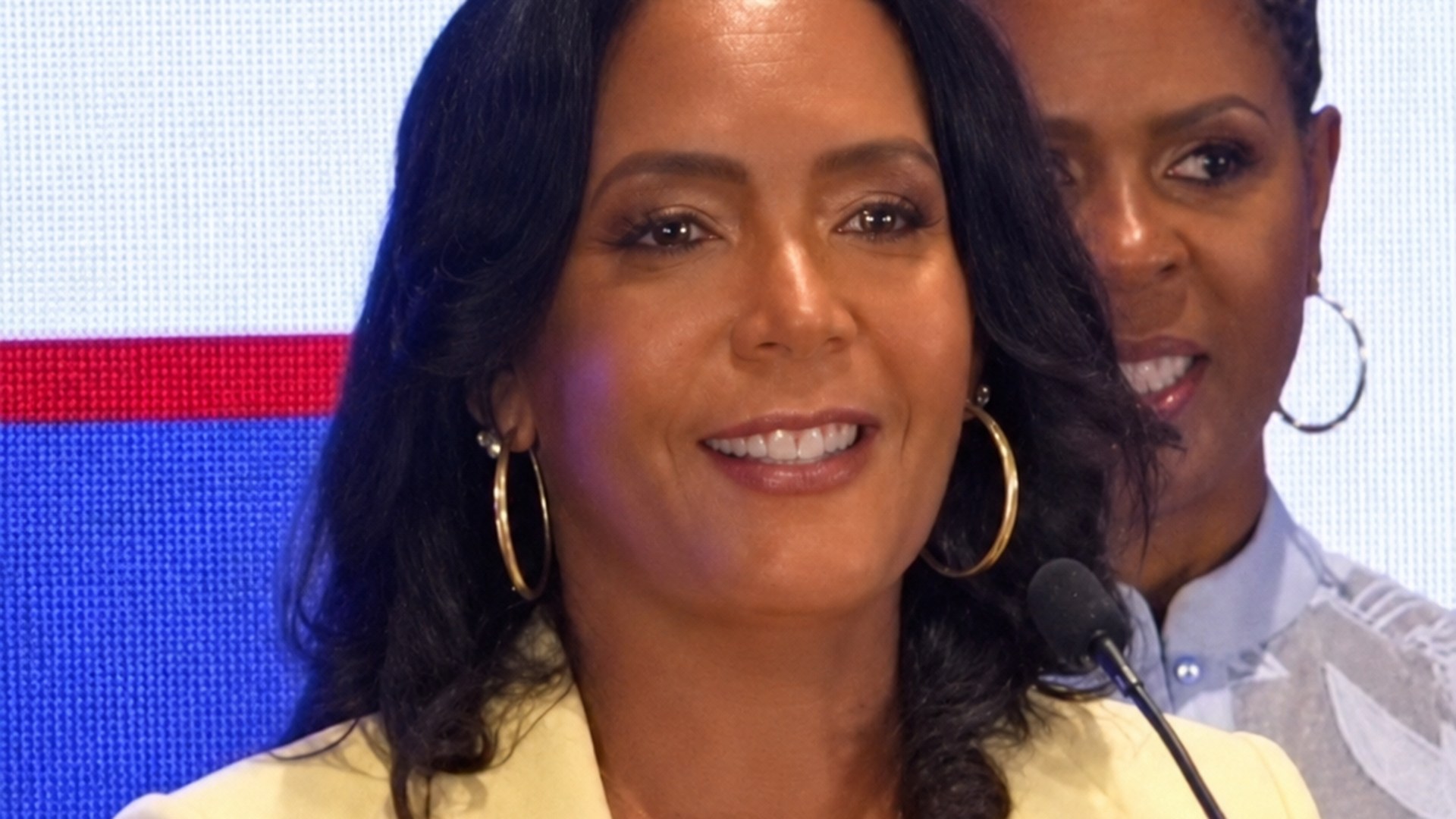
Dr. Henrie Monteith Treadwell in a portrait later in life. Photo: Kim Truett, University of South Carolina
Robert Anderson died in 2009. James Solomon Jr. died in 2024. With her passing, all three of the young people who walked through that door are gone, and the door they opened remains open because they walked through it.
No service details have been announced. Urban City Podcast will share them with our readers as the family makes them known, and her story will live on in our Black History series and across our news coverage of the community she served.