8 min read
Major Takeaways
- Former primary rivals El Sayed and Stevens share a stage in Detroit on Sunday, November 1.
- Polls give El Sayed a small lead over Republican Mike Rogers in a race rated a toss up.
- Some Black seniors have already sent back ballots with the Senate race left blank.
- Rogers has courted Detroit hard, and even a small slice of its vote could flip the result.
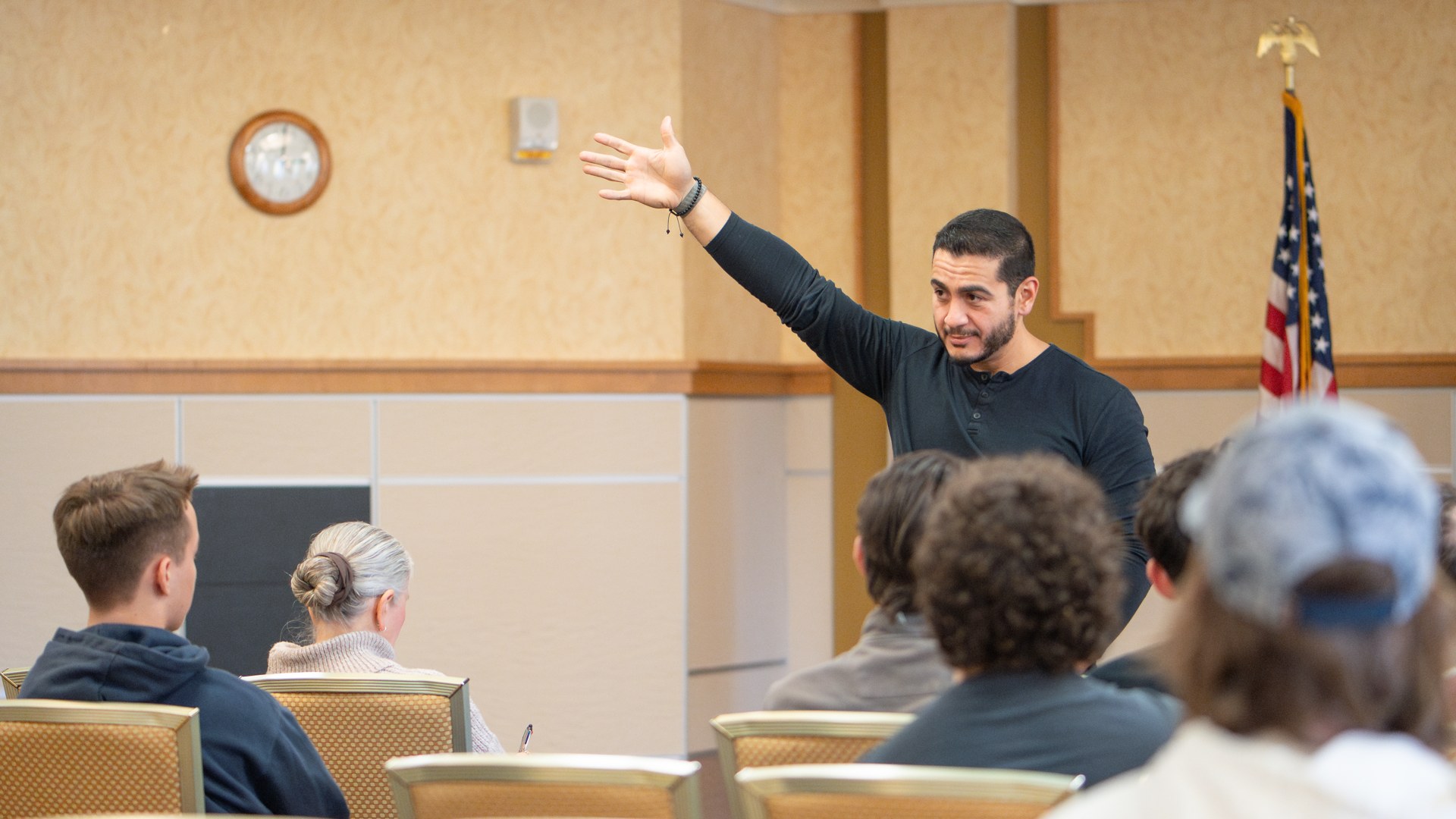
The Michigan Senate race now runs straight through a Detroit church, where Abdul El Sayed and Haley Stevens will stand on one stage Sunday.
The two former rivals have not campaigned together in months.
Their joint push for Black voters arrives two days before Election Day on Tuesday, November 3.
Nothing about the timing is casual.
Detroit turnout could decide a seat that could decide control of the United States Senate.
Michigan Senate Race Comes Down to Detroit
Republicans hold the Senate by a count of 53 seats to 47.
Democrats need a net gain of four seats to take control.
Michigan is open because Senator Gary Peters is retiring.
Analysts rate this race a toss up.
Advertising has passed 260 million dollars since the primary and 360 million dollars for the full cycle.
That makes this the most expensive nonpresidential race in Michigan history.
Rogers knows close pain well.
He lost the 2024 Senate race in this state by 19,006 votes, a margin of 0.34 percent.
A swing of a few city blocks in Detroit can cover that ground.
A Unity Stage Months in the Making
El Sayed won the August 4 primary with 48.5 percent of the vote.
Stevens backed the nominee after that loss.
Still, Sunday marks their first joint appearance since a unity breakfast in the days after the primary.
The plan, as described by two people familiar with it, puts both of them at a Detroit church for a push to get voters to the polls.
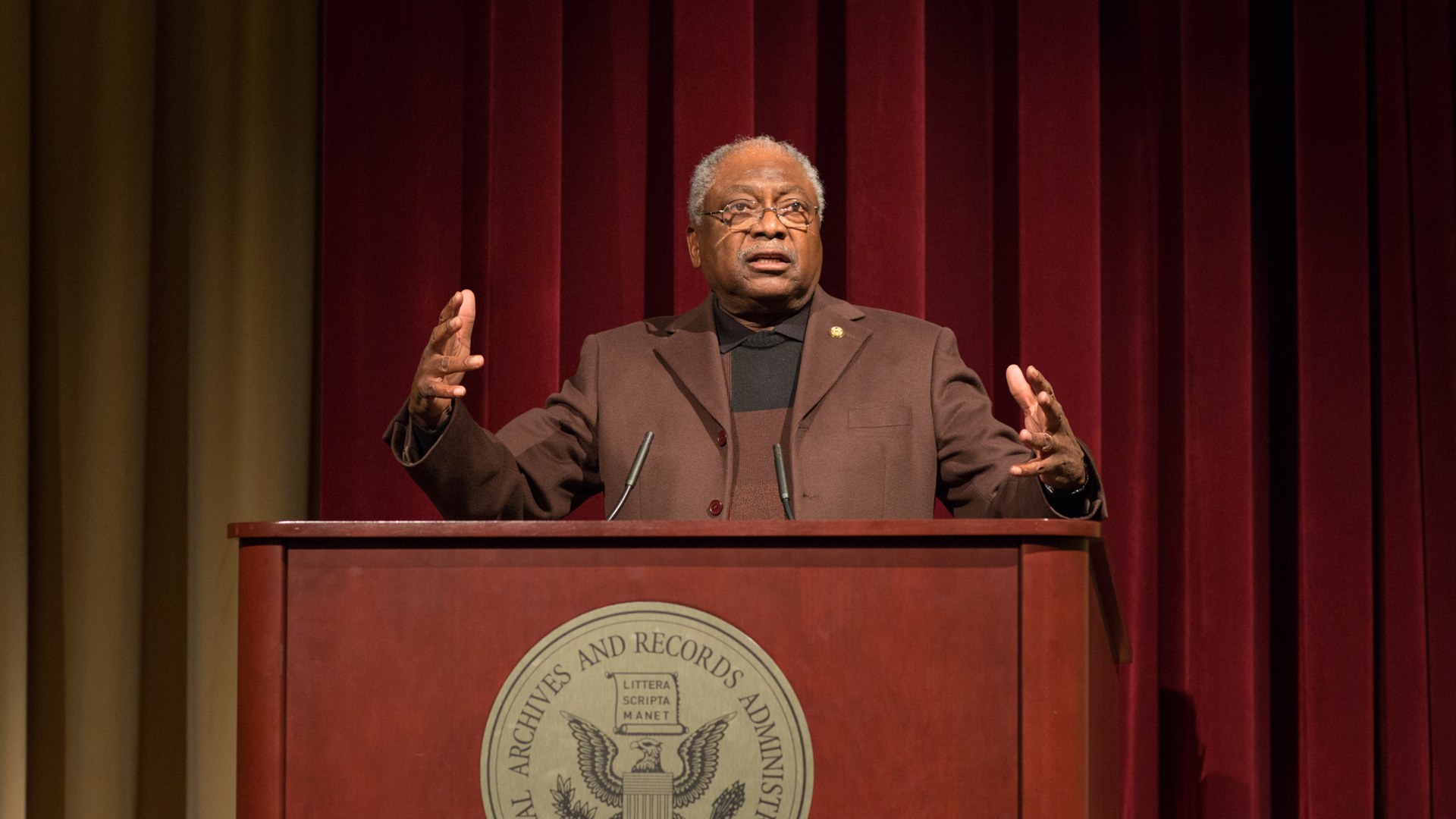
Representative Jim Clyburn of South Carolina is expected to appear with them.
Clyburn remains one of the most trusted voices in Black politics.
His presence sends a plain signal about where this race will be won or lost.
Stevens carried Wayne County in the primary.
She drew strong support from Black voters and from Jewish voters in the Detroit suburbs.
Those are the very voters El Sayed must now bring home.
The Crack That Forced This Moment
The reunion follows the most awkward week of the fall campaign.
On Wednesday, October 28, Jason Turkish said in an interview that he will vote for Rogers.
Turkish is engaged to marry Stevens.
He accused El Sayed of using antisemitic language on the campaign trail.
Turkish stressed that his choice was his own and did not speak for Stevens.
Stevens answered the same day.
She said, “Like a lot of households in America, we’re a household divided.”
She added that she still very much wants the Democratic nominee to win.
She also urged his campaign to “shut out the hate and call it out.”
El Sayed kept his reply short.
He said his team is “always trying to unify the party” and blamed busy schedules for the long gap.
Days earlier, a former chair of her campaign said he would not support El Sayed either.
Black Detroit Holds the Margin
The polls show strength and softness at the same time.
A polling average built from late September through October 27 put El Sayed at 48.8 percent and Rogers at 45.6 percent.
One October survey gave El Sayed 49 percent and Rogers 42 percent.
Another gave El Sayed 51 percent and Rogers 44 percent.
Two more surveys landed at 50 to 48 and 47 to 46.
Among Black voters, one survey found El Sayed ahead by 88 percent to 7 percent.
A September survey found him at 81 percent among Black voters.
Black voters make up about one quarter of Michigan Democrats in that September survey.
For comparison, Elissa Slotkin won 86 percent of Black voters against Rogers in 2024.
Yet organizers on the ground hear hesitation that polls can miss.
Tashawna Gill chairs the state party grassroots caucus and backed El Sayed early.
She said some Black seniors in Wayne County retirement communities told canvassers they had already returned absentee ballots with the Senate race left blank.
El Sayed said those reports were painful to hear.
He said he hopes more voters fill out that part of the ballot.
No public data shows how many voters plan to skip the race.
A blank Senate line still counts the rest of the ballot.
It simply gives El Sayed one less vote in a race this tight.
Turnout offers one hopeful sign for his team.
More than one million absentee ballots had been returned by Monday, along with about 139,000 early votes cast in person.
Detroit drew 2,305 early voters on its first day on October 24, up from 1,897 on the first day in 2024.
Jonathan Kinloch, who chairs the Democratic Party in the Detroit area congressional district, wants city turnout of at least 45 percent.
He said the early numbers look good and the Black vote will come out largely for El Sayed.
The stakes for Black voters run through this whole election, from Texas fights over voter outreach to this Senate margin.
The Republican Play for a Slice of Detroit
Rogers does not need to win Detroit.
He needs to lose it by less.
Strategist John Sellek said even 12 to 15 percent of the Black vote would be huge for Rogers.
Sellek also said he had never seen a Republican Senate candidate spend this much time in Detroit.
The Rogers campaign says it was the first Republican campaign to open an office in Detroit.
His team says he has visited a dozen Black churches and campaigned again and again in Flint and Pontiac.
In August, his campaign launched a coalition of Democrats backing Rogers at a home in Detroit.
On October 19, Rogers said he had been meeting with dozens of Black pastors.
His pitch to voters who backed Stevens in the primary is simple.
He tells lifelong Democrats who do not see their values in their nominee that they have a home in his campaign.
Attacks Built to Split the Coalition
Rogers and his allies have spent weeks tying El Sayed to the Muslim Brotherhood.
President Donald Trump went further and falsely branded him a jihadist.
Strategists on both sides read the play the same way.
The attacks aim to make Jewish voters and Black voters who backed Stevens pause before backing El Sayed.
El Sayed has disavowed the group and denied any connection to it.
His team calls the claims debunked and the attacks a bad faith play on his faith and his family.
Keith Williams chairs the Michigan Democratic Party Black Caucus.
He backed Stevens in the primary and now works to rally support for El Sayed.
Williams said, “We have to work through our differences.”
He added that this election is bigger than those differences, because “we cannot have a senator going to Washington and supporting Donald Trump’s policies.”
El Sayed, the son of Egyptian immigrants, would be the first Muslim elected to the United States Senate.
He served as health director for the city of Detroit and later as health officer for Wayne County.
His campaign runs on affordability, health care and getting money out of politics.
What Sunday Has to Prove
Sunday is not about one photograph of two former rivals.
It is about trust moving from one campaign to another in full public view.
His campaign and the state party have spent about 14.3 million dollars on paid media aimed at Detroit and Flint.
His team counts 45 Black church visits and more than 125 meetings across the push.
Governor Gretchen Whitmer, who backed Stevens in the primary, urged voters this week to support the full Democratic ticket.
She pointed to tariffs and the cost of living and told candidates to build bridges with every community in Michigan.
The same closing argument is playing out across the map this weekend, from the Georgia governor race to the Mississippi Senate race.
Michigan adds a harder test, because the nominee must rebuild a primary coalition while holding off a challenger fishing in his own base.
Polls close at 8 p.m. local time on Tuesday, November 3.
Every voter tempted to skip one line should weigh what that blank space hands to the other side.
Detroit has decided Michigan races before.
On Sunday, in one church, Black Detroit gets the final pitch.
What the city does with it will echo far beyond Michigan.