

5 min read
Black lawmakers moved into the top ranks of House leadership this week.
The Congressional Black Caucus celebrated a slate of wins.
Those wins put Black members in charge of strategy, messaging, and the daily fight on the House floor.
At the same time, the man set to lead the caucus laid out what all that power is for.
His answer starts with the ballot itself.
Major Takeaways
Lauren Underwood will serve as Vice Chair of the House Democratic Caucus, the first Black woman in the post and the highest ranking Black woman ever elected to Congress.
Joe Neguse will serve as Assistant Speaker, the fourth highest post in the House, while Maxwell Frost and Sydney Kamlager Dove share the top policy and communications job.
Incoming caucus chair Troy Carter says the John R. Lewis Voting Rights Advancement Act comes first, calling it the mechanism through which all other action flows.
The caucus projects at least 66 members in the new Congress, the largest in its history, backed by a record seven Black senators.

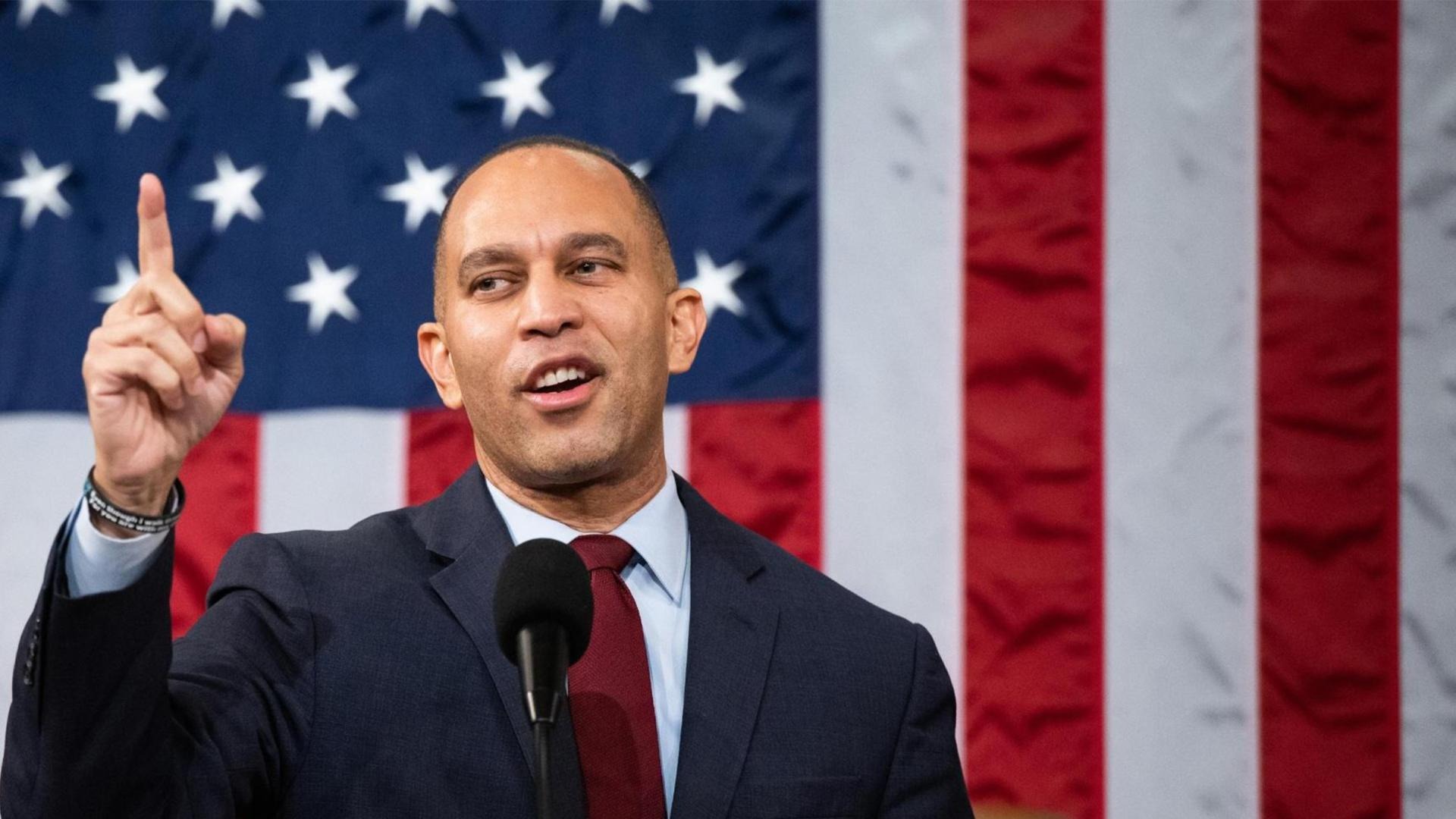
Representative Troy Carter speaking at the Essence Festival of Culture 2026. Photo: TheSingingPhotographer via Wikimedia Commons, CC BY SA 4.0
Black Lawmakers Take Seats At The Leadership Table
Caucus chair Yvette Clarke praised the four winners in a statement this week.
She said the elections reflect the talent, dedication, and diverse leadership shaping the future of the caucus and the nation.
She added that House Democrats will fight for a more affordable America.
She also promised to hold the Trump administration accountable.
Neguse takes the fourth highest post in the House as Assistant Speaker.
He will be the youngest member of senior House Democratic leadership.
He will also be the only member of that senior team who does not come from either coast.
Underwood makes history twice in one election.
She is the first Black woman to serve as Vice Chair of the Democratic Caucus.
She is also the highest ranking Black woman ever elected to Congress.
For Black women who have powered Democratic turnout for generations, that seat at the table is long overdue recognition.
Frost will share the top policy and communications post with Kamlager Dove.
He is the youngest person ever to serve in the role.
He is also the first member of Generation Z elected to leadership.
Kamlager Dove becomes the third Black woman ever elected to House leadership.
Two of the three now hold leadership posts at the same time.
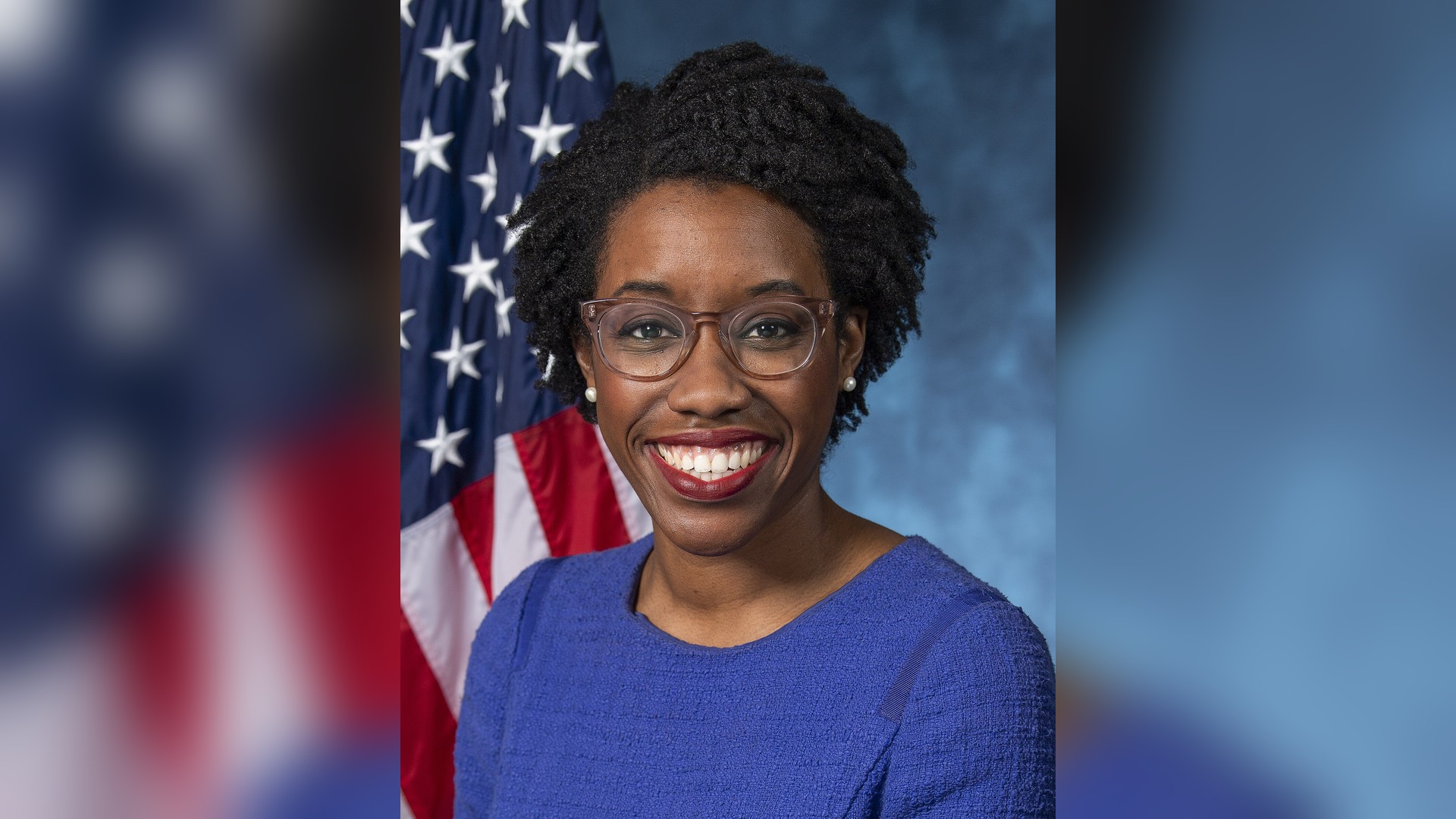
Representative Lauren Underwood of Illinois. Photo by the United States House of Representatives via Wikimedia Commons, public domain.
Troy Carter Puts Voting Rights At The Center
Incoming chair Troy Carter of Louisiana named his agenda in plain terms.
The caucus will tackle affordability, health care, environmental justice, and economic parity.
And, in his words, of course the John R. Lewis Voting Rights Advancement Act.
Asked to rank the list, Carter refused to pick just one.
He said all of them will be coming at Congress simultaneously.
He called the Lewis bill the mechanism for which all other actions flow.
The bill would restore a core protection of the Voting Rights Act.
States and local governments with a history of discrimination would need approval from the federal government or the courts before changing voting laws.
That safeguard is known as preclearance.
Black voters in the South have lived without it while maps and rules kept changing around them.
The last time Democrats controlled both chambers, a voting rights bill passed the House and died in the Senate.
Two senators defended the filibuster, and the bill could not reach the 60 vote threshold.
Carter and his allies believe this Congress is different.
Representative Greg Meeks, who leads the political arm of the caucus, pointed to the Senate.
He noted that a record number of African Americans now serve in that chamber.
That means advocates can push the bill in both chambers at once.
The leadership fight already reshaping the Senate will decide how far that push can go.
The United States Capitol in Washington. Photo via Wikimedia Commons.
Power That Was Paid For On The Ground
The caucus growth did not happen by accident.
Political groups aligned with the caucus invested 20 million dollars in races across the country.
They targeted 37 House races.
More than a dozen of those races defended sitting caucus members.
Representatives Shomari Figures of Alabama and Don Davis of North Carolina both won on maps redrawn to defeat them.
The caucus was founded in 1971.
Its members call it the conscience of the Congress.
A projected 66 members would make it the largest caucus in its history.
That size matters when leadership counts votes on the floor.
It matters even more when the caucus speaks with one voice.
What It Means For Black America
Representation alone does not lower a single bill.
Black families still face high rent, high grocery costs, and health care that strains every paycheck.
That is why Carter put affordability at the top of the list alongside voting rights.
The two fights are connected.
A vote that cannot be cast cannot protect a job, a home, or a clinic.
The new Congress will also have to deal with President Donald Trump.
His administration has already moved to limit how Congress oversees federal contracts, as our report on the order telling contractors to check with the White House first detailed.
Meeks said the burden will be on the president to work with the caucus.
He warned that attacks on Black history and punishing tariffs will bring a battle.
The test of this leadership class starts in January.
Watch the committee gavels, the floor schedule, and whether the Lewis bill gets a real vote.
Black voters delivered the numbers that built this majority.
Now Black lawmakers hold posts that can turn those numbers into law.
Follow every step of the fight in Big Back Politics.