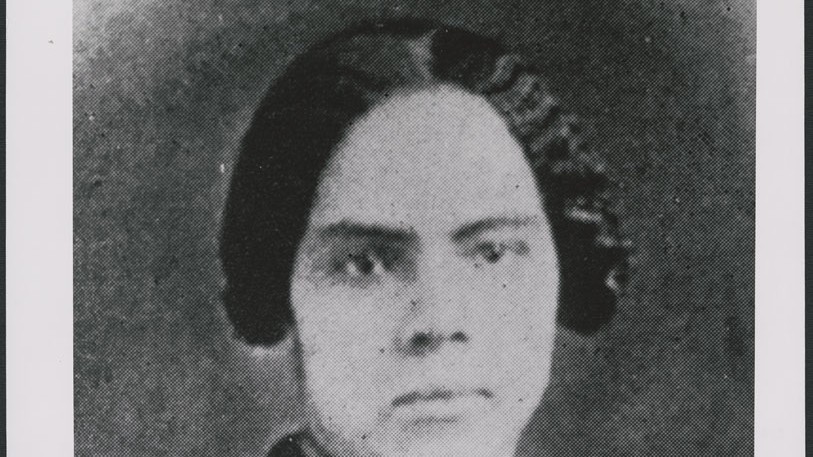


5 min read
Major Takeaways
Judge John Jordan has resigned and agreed to never hold judicial office again.
The ethics case over his chopped cotton question to a Black defendant is now dismissed.
The Florida Supreme Court had already rejected a public reprimand as too light in his case.
A second incident, where he told public defenders to shut up, was also part of the case.
The robe is coming off for good in Orlando.
Circuit Judge John Jordan has resigned from the bench, and the Florida Judicial Qualifications Commission has now voluntarily dismissed the ethics case against him because he retired and agreed to never hold judicial office again.
Jordan is the judge who looked at a Black woman standing before him for sentencing and asked whether she had ever chopped cotton.
The Florida Supreme Court had already refused to accept a simple public reprimand in his case, sending it back for further proceedings that could have brought far stiffer punishment.
Rather than face whatever came next, Jordan stepped down. He is the third Florida judge to resign in the middle of a disciplinary probe this year, and the second to do so after the state supreme court vetoed a proposed public reprimand.
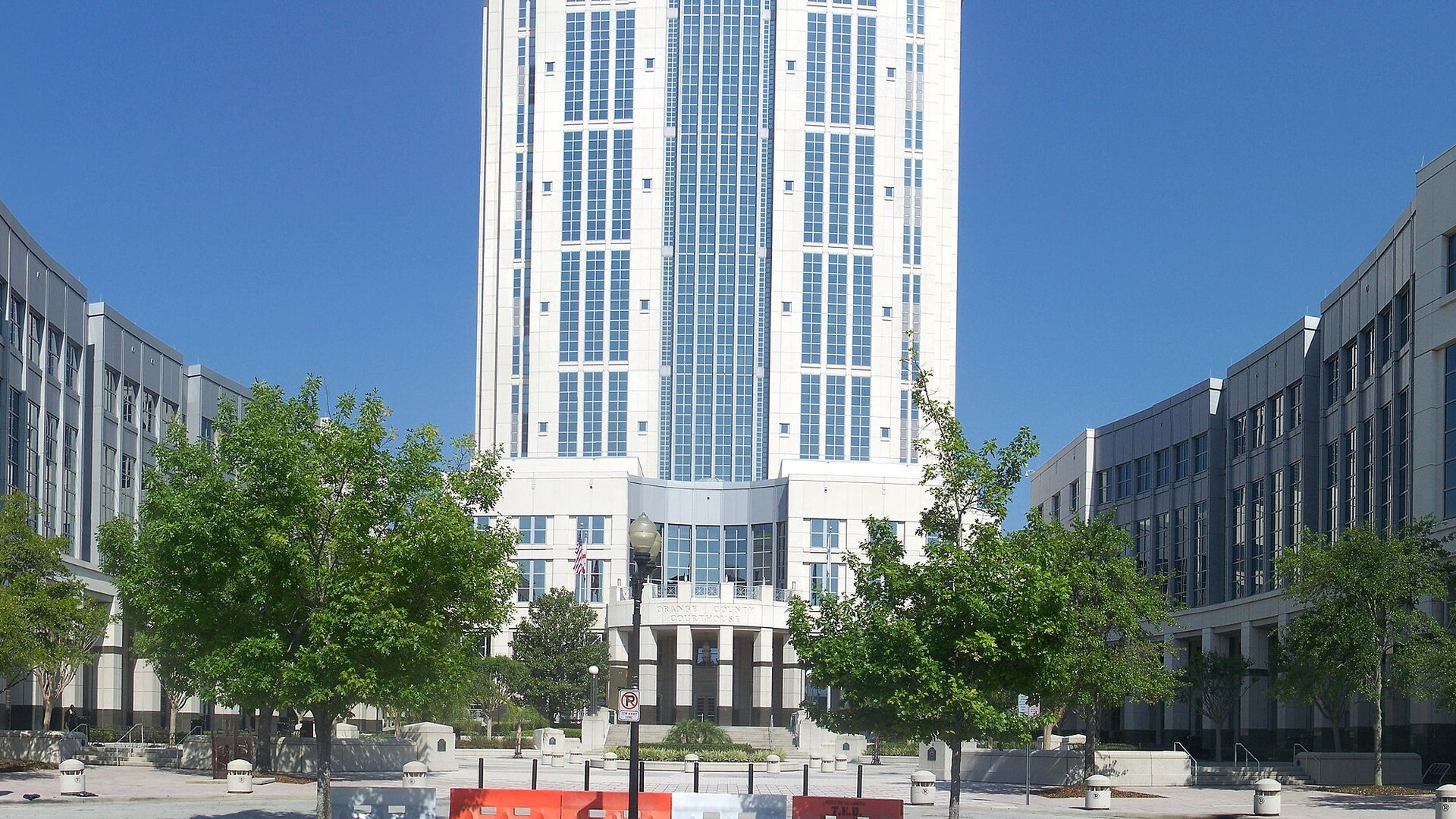
What He Said to a Black Defendant
The case began at a plea hearing in July 2025. A Black woman, 33 years old, stood before Jordan in a battery case, eligible for 30 hours of community service.
While deciding how she would serve that time, Jordan turned to her great uncle, who is also Black, and asked, “Do you own any land where I could have her work it for 30 hours?”
Then he asked the woman directly, “You ever chopped cotton before? You know what that is? You take a hoe, and you knock out the weeds. That’ll straighten you up real quick doing that stuff.”
Jordan later told investigators he grew up around farming and spent time in farm fields in Texas. He acknowledged he had never asked any other defendant about chopping cotton.
He also admitted his questions were poorly considered and violated the standards of the state Code of Judicial Conduct, conceding that he failed to consider how ordering a Black defendant to work the land, followed by a reference to chopping cotton, would land in light of the demeaning stereotype tying Black people to picking cotton.
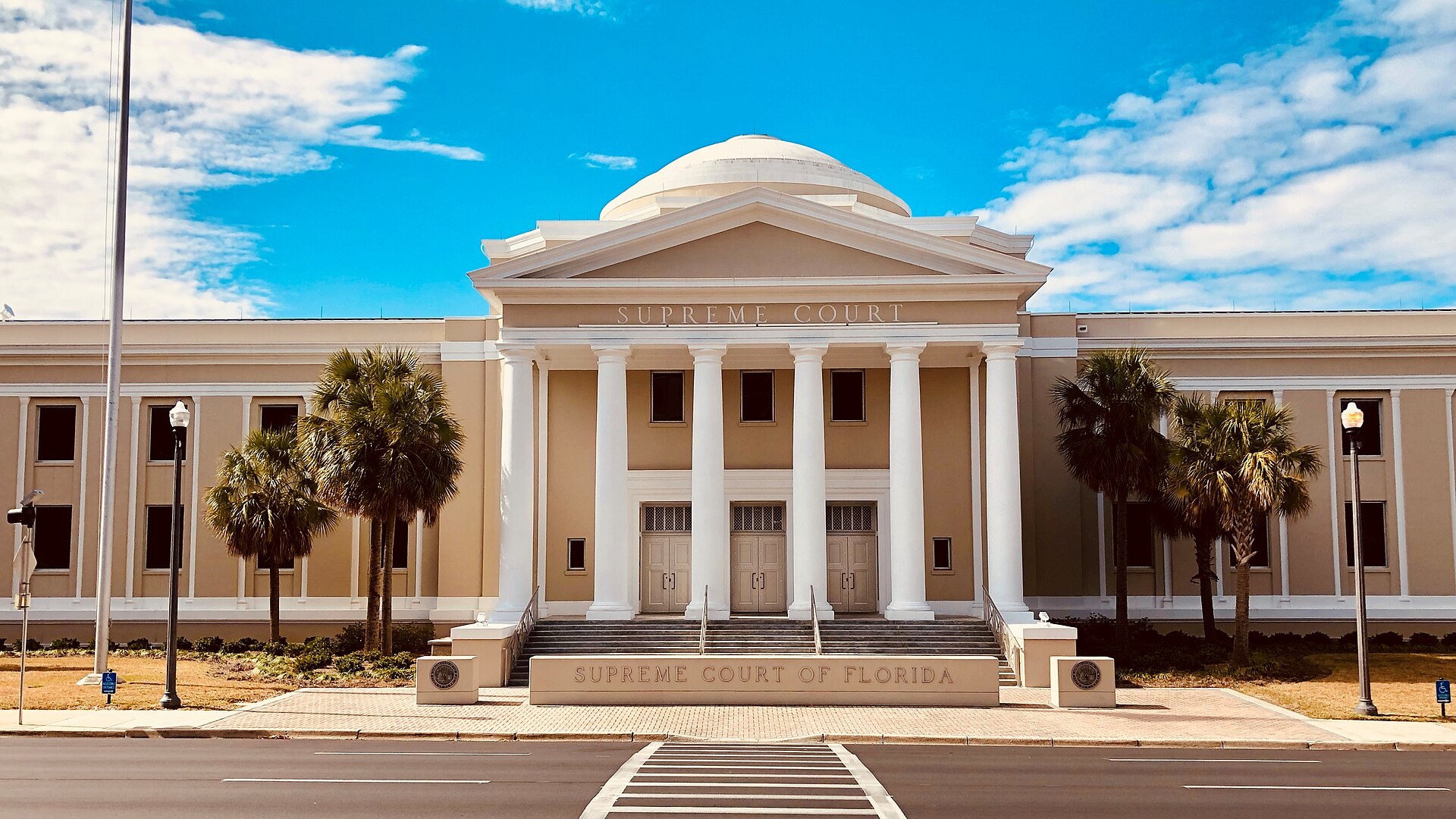
A Reprimand Was Not Enough
The Judicial Qualifications Commission investigated and reached an agreement with Jordan: a public reprimand. That deal was filed with the Florida Supreme Court in March.
In July, the supreme court rejected the deal in a brief order and sent the case back for further proceedings, opening the door to punishment well beyond a reprimand, up to removal from office.
The commission had noted it found no evidence that race shaped the rulings on Jordan’s record. Its concern was his conduct in the room, and whether he grasped in the moment, or even in the days after, how plainly inappropriate his words were.
With his resignation and his agreement to stay off the bench permanently, the commission has now closed the case entirely.

The Cotton Comment Was Not the Only Incident
The ethics case also covered an April 2025 hearing in an aggravated battery case, where Jordan clashed with two public defenders in open court.
When the attorneys said he was rushing them and treating them unfairly, Jordan answered with sarcasm, asking how much time they needed and whether he could get them something to eat or drink.
When they protested, he told them, “Shut up.” When they objected again, he said it a second time, then ended the exchange by declaring, “No. I’m done. I’m not going to deal with this pettiness like this.”
Public defenders are the lawyers assigned to people who cannot afford one. In courtrooms across the South, a large share of the defendants they represent are Black, and the tone a judge sets from the bench shapes whether those defendants believe the process is fair at all.

Why This Story Reaches Beyond One Courtroom
For Black families, the courtroom is one of the few places where the state holds nearly total power over a person’s freedom, record, and future.
A judge does not have to use a slur to do damage. A joke rooted in slavery era field labor, aimed at a Black woman awaiting sentence, tells everyone in that room exactly how the person in the robe sees the people in front of him.
That is why this case drew national attention, and why the Florida Supreme Court was unwilling to let it end with a reprimand and a return to the bench.
Jordan’s resignation means he will never sentence another defendant in Florida. What it does not do is answer the larger question his case raised: how many courtrooms still run on the comfort of the judge rather than the dignity of the people standing before the bench.
For the woman who heard that question while waiting to learn her sentence, the answer came too late to change her day in court. It may still matter for the next defendant who walks into that room. Keep following our News coverage and our reporting on troopers ordered into bias training in North Carolina for more on accountability inside the justice system.