
5 min read
A slavery exhibit in Philadelphia is back in federal court, and the fight is about far more than a set of display panels.
Two advocacy groups sued the Trump administration on Monday over the removal and replacement of the exhibit at the President’s House site.
The groups say the changes amount to a selective removal of Black history from one of the most visited historic grounds in America.
The lawsuit was filed by the Avenging the Ancestors Coalition and The Black Journey.
It asks the court to restore the exhibit to its original form at Sixth and Market streets in Philadelphia.
Major Takeaways
- The lawsuit challenges the removal of an exhibit honoring nine people enslaved by George Washington.
- The groups say Black people are uniquely harmed when their history is taken down while other history at the site stays untouched.
- The case claims violations of federal administrative law and of the United States Constitution.
- The fight has already produced one restoration order, one appeals court reversal, and a set of replacement panels installed overnight in July.
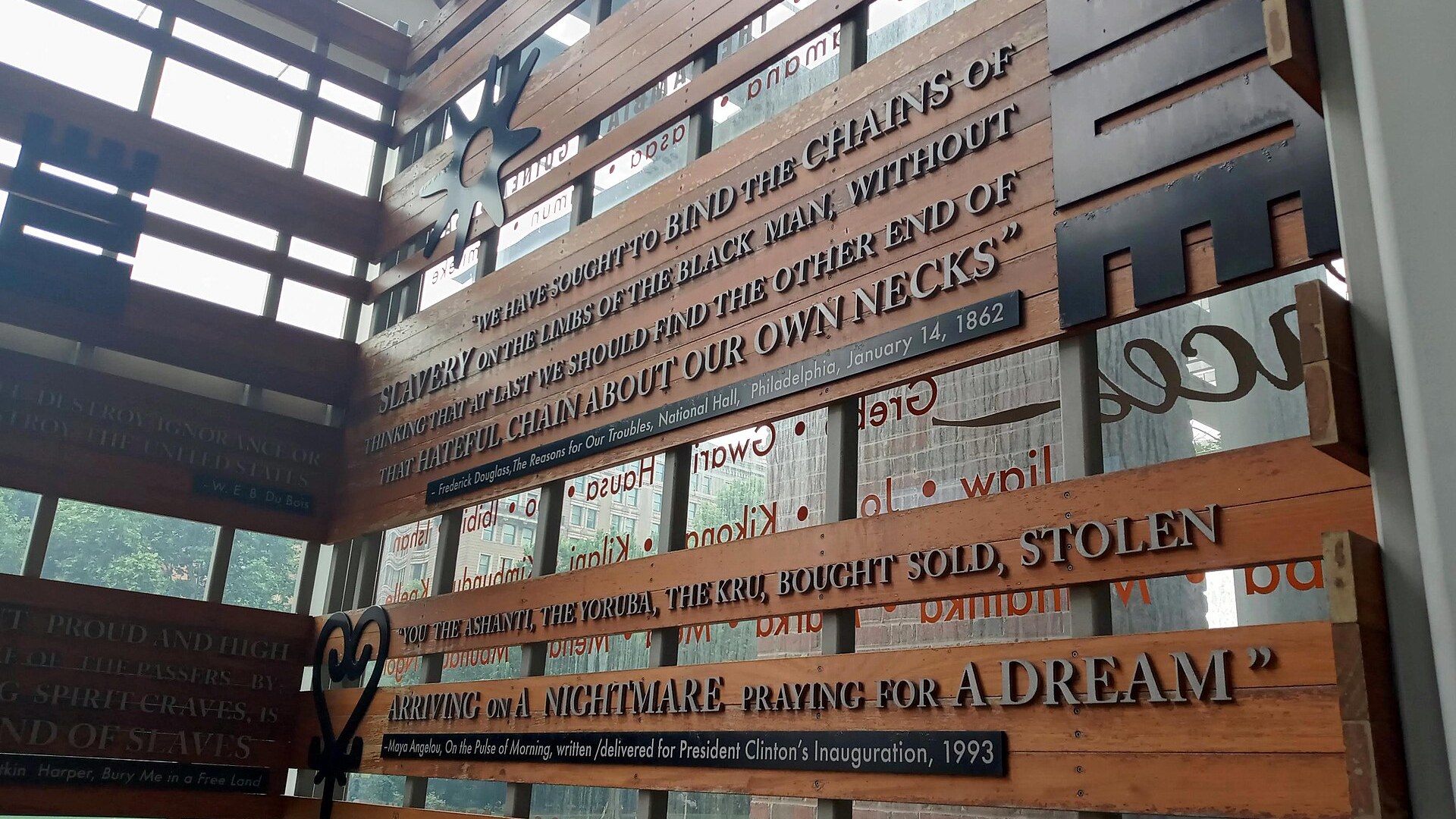
Photos of the President’s House memorial in Philadelphia via Wikimedia Commons.
What Stood At The Site Before The Panels Came Down
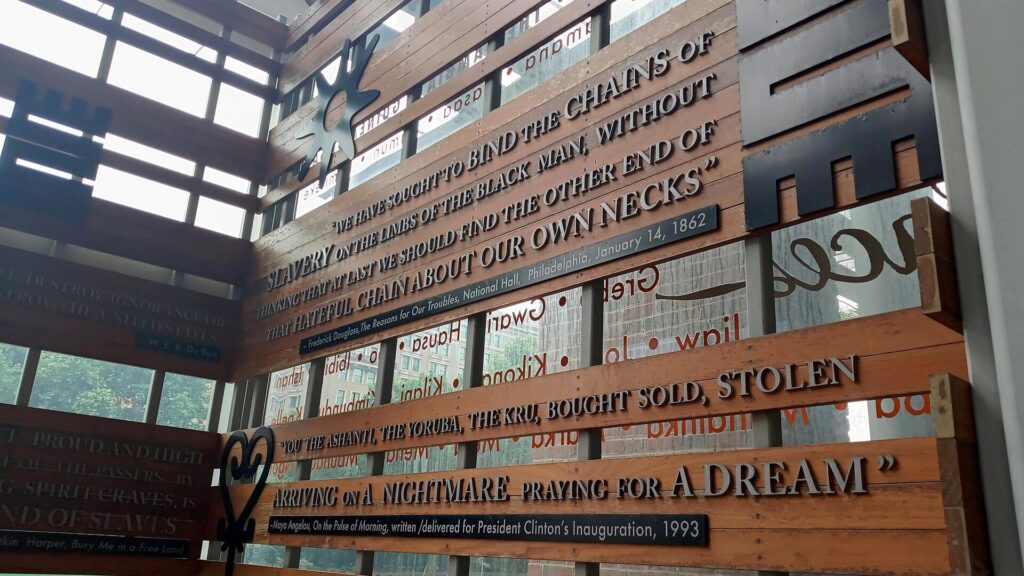
The President’s House exhibit was established in 2010 after years of advocacy led by Black Philadelphians.
It marks the ground where the presidential home once stood while Philadelphia served as the capital of the young nation in the 1790s.
George Washington and John Adams each lived in that house during their presidencies.
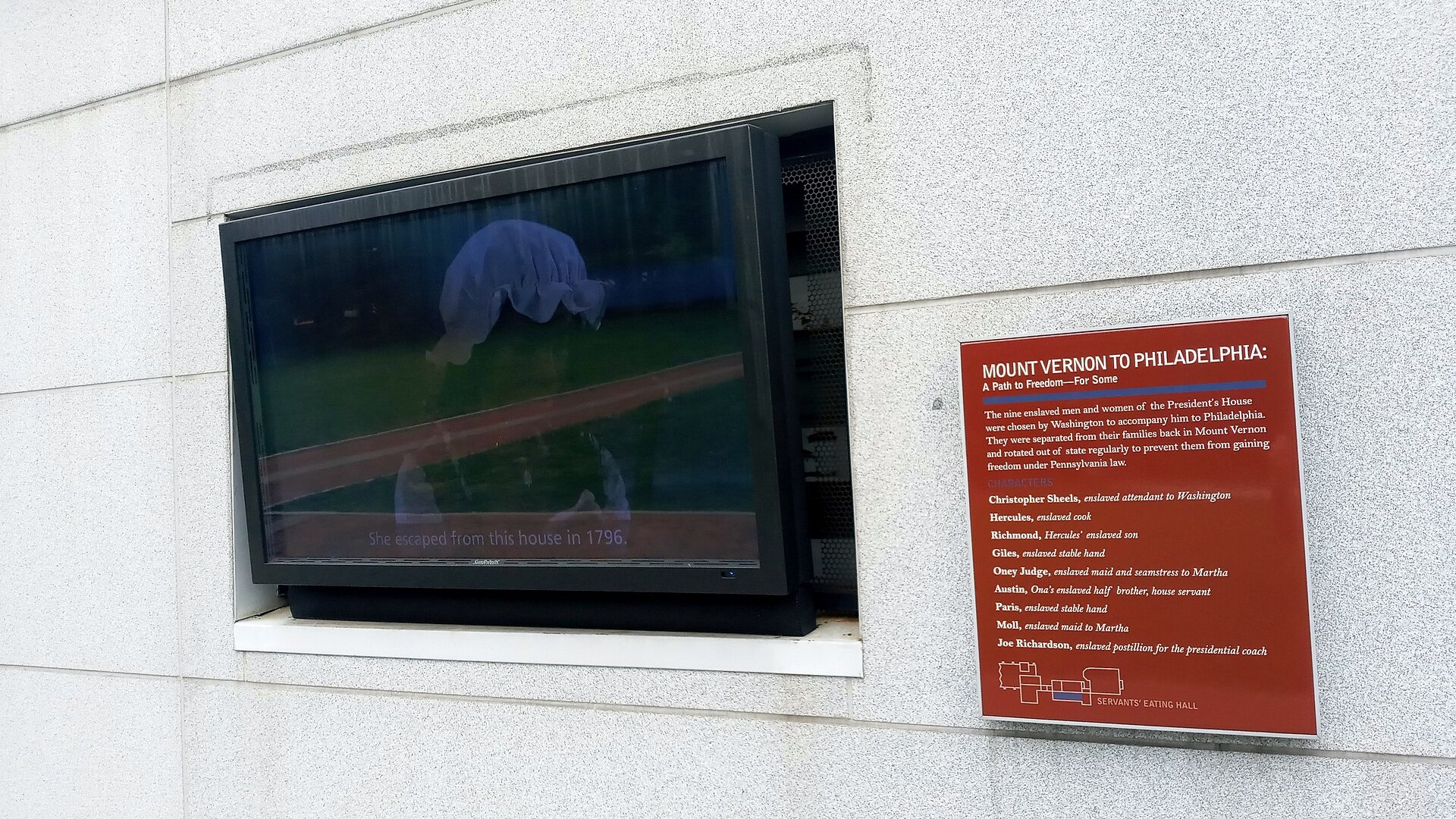
Nine men, women, and children were enslaved in that household by George and Martha Washington.
Their names are part of the record the exhibit was built to honor, among them Oney Judge, Hercules, Richmond, Giles, Paris, Moll, and Joe Richardson.
Oney Judge escaped from the house in 1796 and reached freedom, a story the original panels told in her own right.
The coalition behind the new lawsuit says the site is the only place in Philadelphia where Black people were enslaved on government property.
Attorney Michael Coard helped form the Avenging the Ancestors Coalition in 2002 to press for exactly this memorial.
For many Black families, the exhibit turned a school trip to the Liberty Bell into a fuller and truer American story.
A Year Of Removal, Restoration, And Replacement
The dispute accelerated after a 2025 executive order directed federal sites to remove displays described as divisive narratives.
In January, the administration removed 34 panels from the site without warning.
The City of Philadelphia sued, and in February a federal judge ruled that the panels had to be restored.
In June, an appeals court overturned that order and said the National Park Service did not need to restore the original panels.
On July 3, another federal judge ruled that the administration could install new displays.
Eleven new panels went up overnight on July 14.
Critics say the new panels soften the language about the role Washington himself played in slavery.
The Interior Department and the National Park Service did not respond to a request for comment on the new lawsuit.

What The New Slavery Exhibit Lawsuit Argues
The new complaint argues that removing and replacing the panels violates the Administrative Procedure Act and the Constitution.
In the words of the lawsuit, Black people are uniquely impacted by the selective removal of their history, while history involving white historical figures at the site remains undisturbed.
The coalition put the point plainly in its own statement on the filing.
The group said the erasure of Black history is an inexcusable violation of the guarantee of Equal Protection afforded by the United States Constitution.
It said the current depiction fails to recognize the horrific realities of slavery and the contributions of the nine enslaved people at the site.
Each day the replacement panels remain, the coalition argues, the public is denied complete, accurate, and truthful historical material.
That harm, the filing says, falls first and hardest on Black visitors, students, and descendants.
Why This Fight Reaches Far Beyond One Philadelphia Block
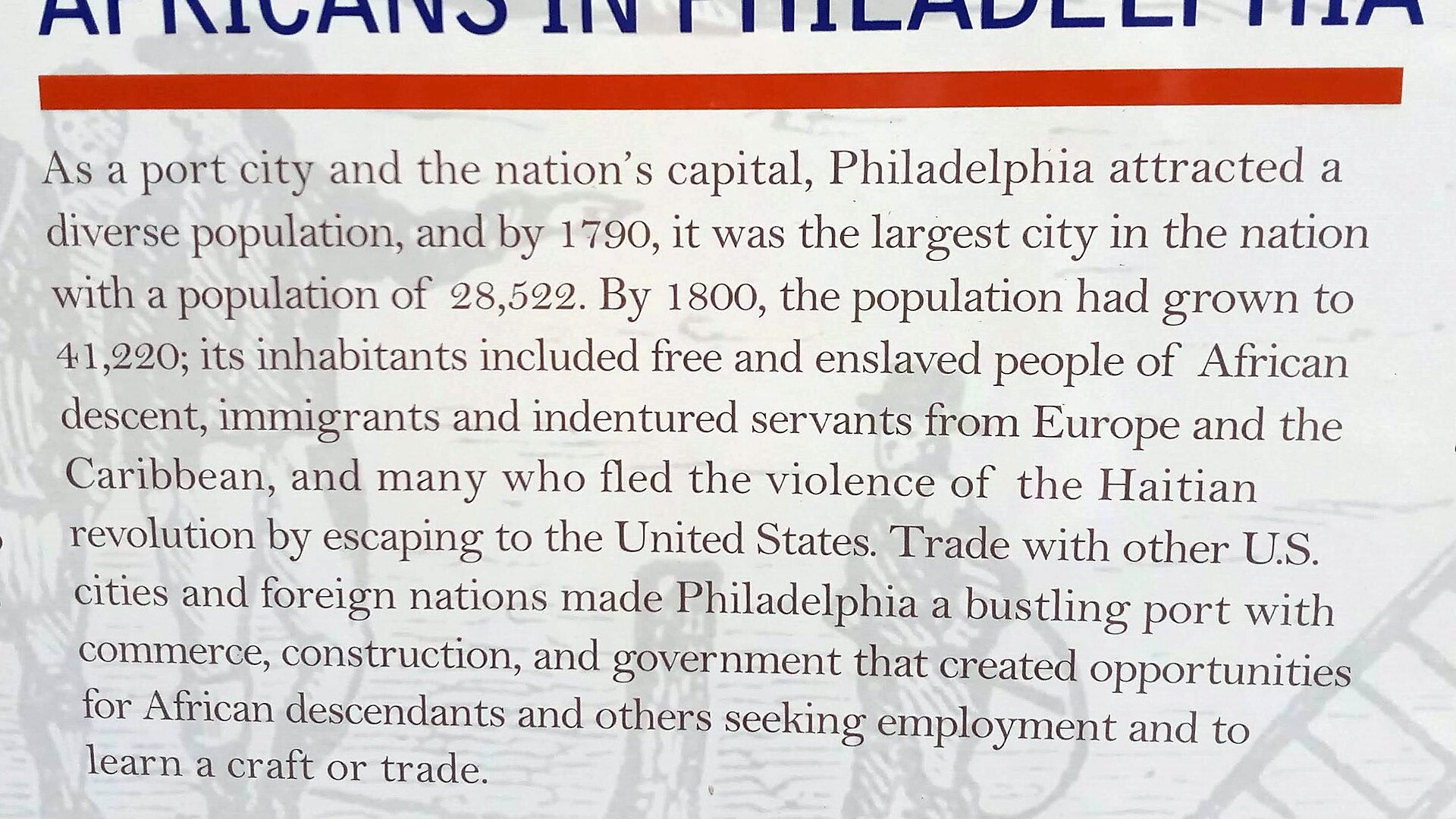
The President’s House sits steps from Independence Hall, where the nation promised liberty in writing.
Holding both truths in one place is the entire point of the memorial, and it is why Black advocates fought for two decades to build it.
Across the country, exhibits, books, and lessons about slavery and civil rights have faced removal or revision under the same policy push.
Civil rights advocates say those steps reverse decades of progress in telling the full American story.
The administration says it aims to remove ideology it views as hostile to America from federal institutions.
For Black communities, the stakes are concrete and close to home.
When the official story at a federal site leaves out enslavement, it leaves out the ancestors whose labor and resistance helped build the nation.
It also tells Black children, in a place meant to teach them, that their history is optional.
Readers following our wider coverage can find more reporting in our News section and our Culture coverage at Urban City Podcast.
The court will now decide whether the original panels return or the replacement version stays.
Either way, the coalition that built this memorial has already shown it does not quit, and this chapter of the fight is just getting started.