

7 min read
The Senate leadership fight is now out in the open.
Rahm Emanuel said Sunday that Chuck Schumer should commit to stepping down as Democratic leader after the next Congress ends.
Emanuel said Schumer should secure the majority for the next two years and then make room for younger voices and faces in the party.
He put the choice in blunt terms for voters watching at home.
People voted to make their own lives better, Emanuel said, and not to protect the careers of leaders in Washington.
Major Takeaways
Emanuel wants Schumer to announce now that he will not seek the leader post again after the next Congress.
Senator Chris Van Hollen is already challenging Schumer, and a secret ballot for majority leader is set for December 1.
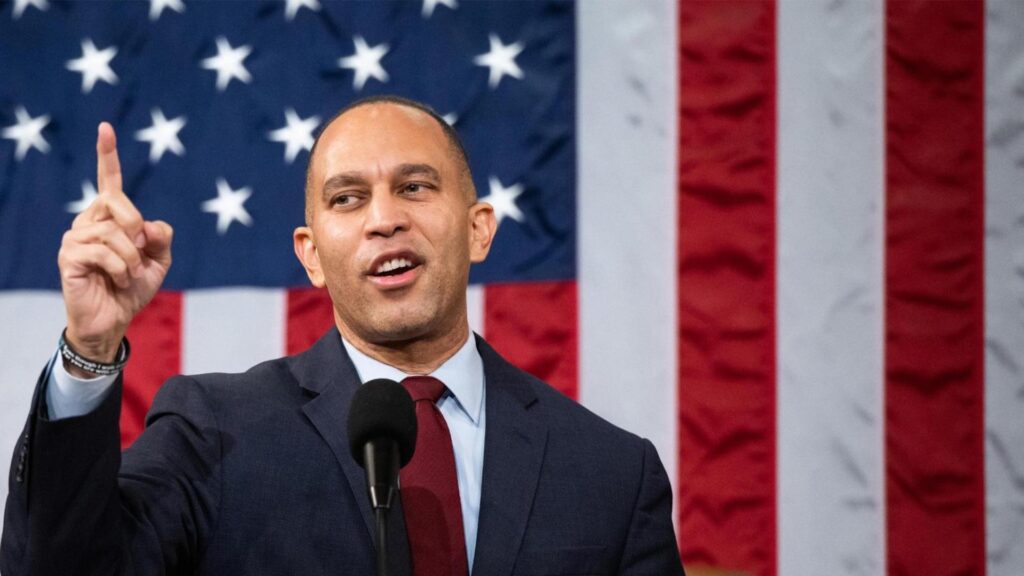
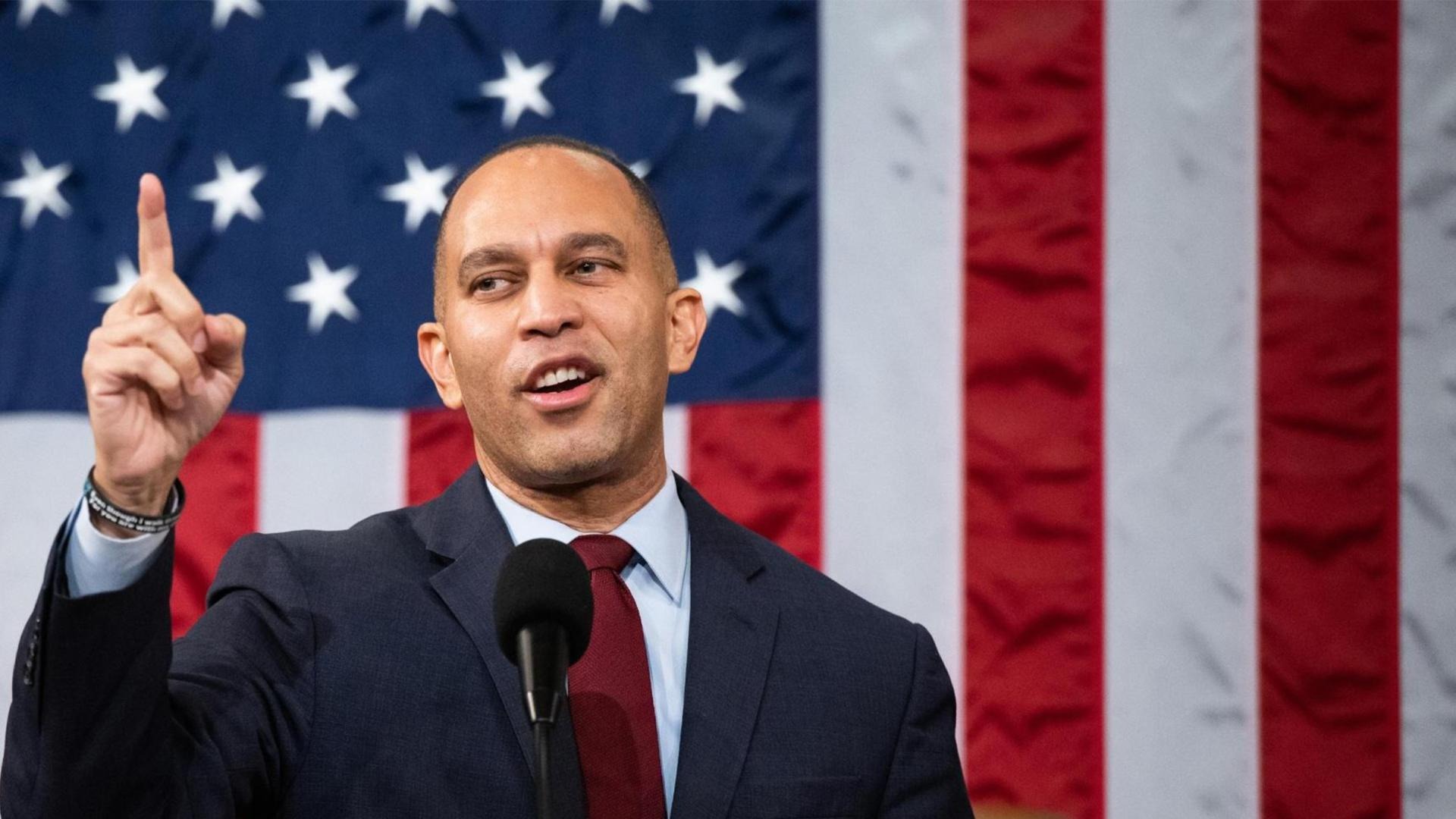
Emanuel fiercely defended Hakeem Jeffries against eleven Democrats who voted against his nomination for speaker.
A record class of new Black lawmakers joins Congress in January, and their votes will shape this leadership fight.
What Emanuel Actually Proposed For The Senate Leadership Fight
Emanuel served as chief of staff to President Barack Obama and later as ambassador to Japan under President Joe Biden.
He is also weighing a run for president in 2028, which gives his words extra weight inside the party.
His plan would let Schumer lead Democrats through the next Congress as majority leader.
Democrats are set to hold 56 seats in the Senate after a strong showing in the midterm elections.
In return, Schumer would promise today that this term as leader will be his last one.
Emanuel said that promise would take the tension out of the room right away.
Schumer turns 76 on Monday, and Emanuel has long pushed a mandatory retirement age of 75 for federal officials.
That age argument now sits at the center of a much larger debate about generational change.
Van Hollen announced on November 14 that he will challenge Schumer for majority leader in the session that begins in January.
Van Hollen has argued that holding to the status quo is not how Democrats will earn the trust of the people.
The December 1 vote will be held by secret ballot, so public statements may not tell the full story.
Why The Jeffries Defense Matters To Black Voters
While the Senate leader race stayed undecided, House Democrats voted on Wednesday to nominate Jeffries as their candidate for speaker.
If Jeffries wins a majority of the full House in January, he will become the first Black speaker in American history.
He would also stand second in line for the presidency, a fact Emanuel repeated with pride.
Nearly all House Democrats backed Jeffries, but eleven members voted against his candidacy.
Eight of those members have been confirmed, and all eight were elected for the first time in November.
Most of them identify with the progressive wing of the party, and some describe themselves as democratic socialists.
Emanuel had a short message for those critics.
Give me a break, he said.
He argued that Jeffries earned this moment over years of work while the party sat in the minority.
He said Jeffries built the majority that the new members now enjoy.
Then Emanuel named the coalition math that too many strategists still take for granted.
The Black vote is the most significant, most loyal, and most dedicated part of the coalition, he said.
His question landed hard because it spoke to a pattern Black voters know well.
Black voters deliver in election after election, and then their priorities get pushed to the back of the line.
Emanuel asked whether the party would really deny its most loyal partner at the very moment history is being made.

A Record Black Class Arrives With Real Leverage
The leadership fight is unfolding as Black representation in Congress reaches a new high point.
Thirteen new Black Democratic members will join Congress in January, the largest group since 1993.
Four of them are age 34 or younger, bringing a younger outlook into the caucus from day one.
More than half of Black House members were first seated in 2021 or later.
Black candidates won 58 seats in the House, with two more Black candidates headed to runoffs in Louisiana on December 12.
Black representation in the Senate has reached a record seven members at the same time.
That record includes Juliana Stratton of Illinois and Scott Colom of Mississippi, who won an upset that stunned the country.
The Congressional Black Caucus will enter the new session with a record 64 members, up from 62.
Caucus chair Yvette Clarke says members hear one demand from constituents above all others.
Families want bold action on the affordability crisis squeezing Black households right now.
That demand gives the new class leverage in any fight over who leads and what gets done first.
History backs up the long view as well.
Analysts note that the large Black class of the early 1990s gained seniority over time and later held real power.
Committee seats are where that power becomes law, funding, and oversight that reaches Black communities.
Read more in our Big Back Politics coverage and in our report on the Jeffries speaker nomination.
Senior Leaders, New Members, And A Test Of Trust
The new Congress will hold a striking mix of generations in Black leadership.
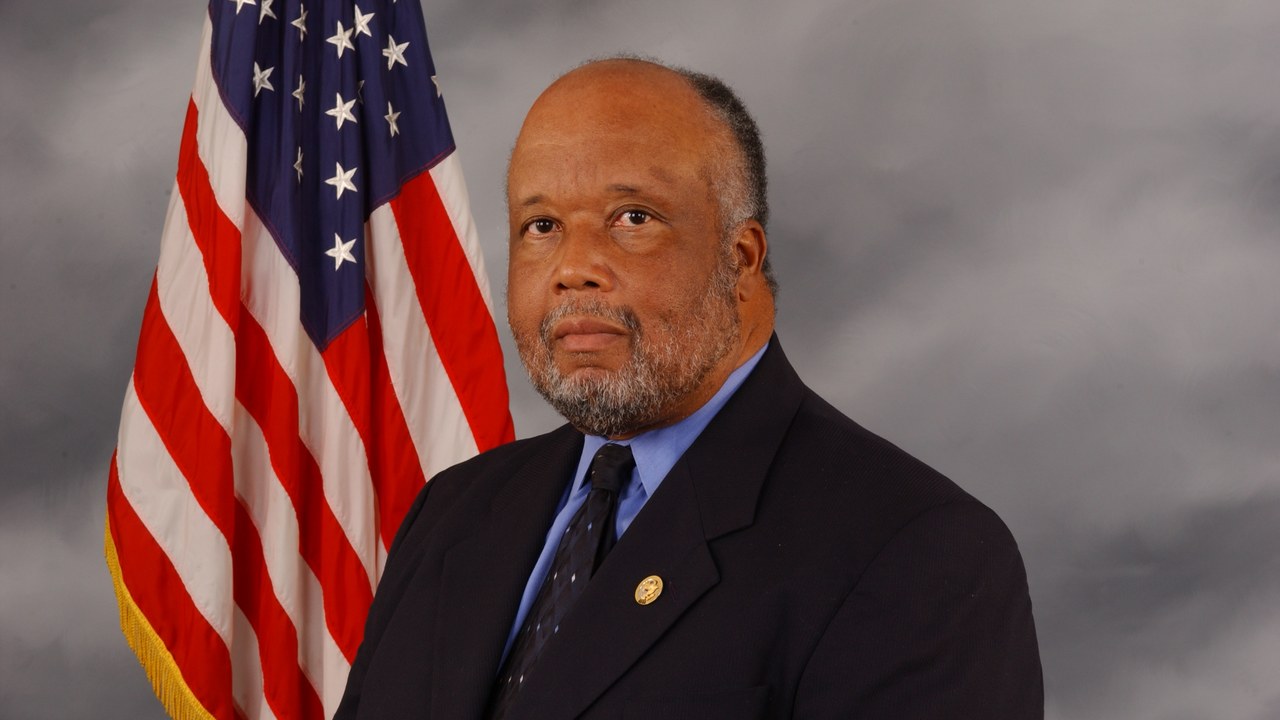
Senior figures include Maxine Waters of California at age 88 and Bennie Thompson of Mississippi at age 78.
Alongside them sit younger members who campaigned on bold change and impatience with cautious politics.
Senator Raphael Warnock of Georgia has urged lawmakers to shape their agenda before Congress convenes in January.
Warnock named ending the war, ending tariffs, and restoring tax credits that lower health care costs.
Emanuel sketched a similar list of goals for the incoming majorities on Sunday.
He called for raising the federal minimum wage to 20 dollars an hour by the year 2030.
He also called for cutting or fully undoing the tariffs imposed by President Donald Trump.
His ethics plan would ban stock trading by officials and require blind trusts for their holdings.
Most major bills will still need support from both parties in the Senate, and President Trump can veto what Congress passes.
That reality makes leadership choices more than an inside game for Washington insiders.
Who sets the agenda decides which Black priorities get a vote and which ones wait another cycle.
Our morning politics report showed how much power sits with the people who control process and paperwork.
What Black America Should Watch Before December 1
The first test comes fast, with the secret ballot for Senate majority leader on December 1.
Watch whether Schumer answers Emanuel in public or lets the challenge build in private.
Watch whether Jeffries moves to unite the eleven members who opposed his nomination.
Watch which committees the new Black members land on when assignments are handed out.
Watch whether voting rights, health care costs, and housing sit at the top of the first 100 days agenda.
Black voters built this majority in cities and counties across the South and the Midwest.
The returns on that work should show up in wages, in clinics, in classrooms, and at the ballot box.
Representation at record levels is a milestone worth celebrating on its own terms.
Turning that representation into results is the job that starts right now.