
6 min read
Iran said on Monday that it will use all available means to counter the United States naval blockade of its ports, a warning delivered as tanker attacks pile up in the Strait of Hormuz and President Donald Trump plays down a surge in Iranian fire.
“We will certainly not tolerate these actions and will use all available means to counter U.S. aggression,” Foreign Ministry spokesman Esmaeil Baqaei said at his weekly briefing in Tehran.
Baqaei called the blockade an act of military aggression. He said Iran is entitled to defend itself under Article 51 of the U.N. Charter.
Major Takeaways
- Iran says it will use all available means to push back against the American naval blockade of its ports.
- President Trump says a week of Iranian drone and missile attacks did no damage, and he has threatened to sink ships that challenge the blockade.
- Tankers keep coming under fire in and around the Strait of Hormuz, the narrow waterway that carries a huge share of the world oil supply.
- For Black families, the stakes are personal. Loved ones in uniform are stationed in the middle of this fight, and any sudden oil shock lands on household budgets first.
Two blockades and one narrow strip of water
The war began on February 28, when the United States and Israel launched strikes on Iran. Nearly nine months later, the fight has narrowed to one strip of water.
The Strait of Hormuz is about 21 miles wide at its narrowest point. In normal times it carries about a fifth of the oil the world uses every day.
Iran moved to shut the strait to shipping it does not approve. Washington answered with a counterblockade of Iranian ports, first imposed on April 13, lifted in June under a draft understanding, and restored on July 14 after that understanding collapsed.
The blockade covers every Iranian port and coastal area, including the oil terminals, and it applies to ships of any flag. Last week Central Command widened it again, warning that any ship taking cargo from a blockaded vessel in a ship to ship transfer at sea can be treated as trying to evade the blockade.
Traffic through the strait is still running far below the levels from before the war. Iranian oil exports have been squeezed close to zero.
The shooting has not stopped
President Trump acknowledged the escalation in a social media post on Sunday. He said Iran has launched more drones and missiles in the last week than at any time for over a year, then added, “Don’t worry, they’ve all been knocked down, and done no damage.”
The recent record tells a harder story. On November 21, Iran launched missiles and drones at United States positions in Bahrain, home to the headquarters of the Navy Fifth Fleet. Bahrain said a civilian industrial site caught fire.
Days earlier, American jets struck a Revolutionary Guards missile site on Qeshm Island after Iranian drones were fired toward Bahrain. A tanker managed by ADNOC was struck near Khasab the same day, leaving one crew member missing and 11 injured, the company said.
The International Maritime Organization counted 138 confirmed attacks on shipping and 25 seafarer deaths as of November 17. British maritime authorities have logged about one attack a day on ships this month.
On Monday, media tied to the Houthi movement said a Saudi attack on the port city of Hodeida in Yemen killed four people and wounded 18. Saudi officials did not immediately comment on the claim. The Houthis also claimed an attack on a Saudi oil refinery on Sunday.
Iranian state television said several commercial ships linked to the United States had been seized and counted toward damages Iran is demanding. No details were offered, and that claim has not been confirmed on its own.

Washington answers with threats of its own
President Trump warned on Sunday that Iranian ships that try to run the blockade will go “to the bottom of the sea.”
He has said he is inclined to order new strikes after the New Year if diplomacy fails. On Saturday, he said he wants a permanent deal that keeps Iran from ever building a nuclear weapon.
Secretary of State Marco Rubio has called the demands Iran attached to reopening the strait unacceptable.
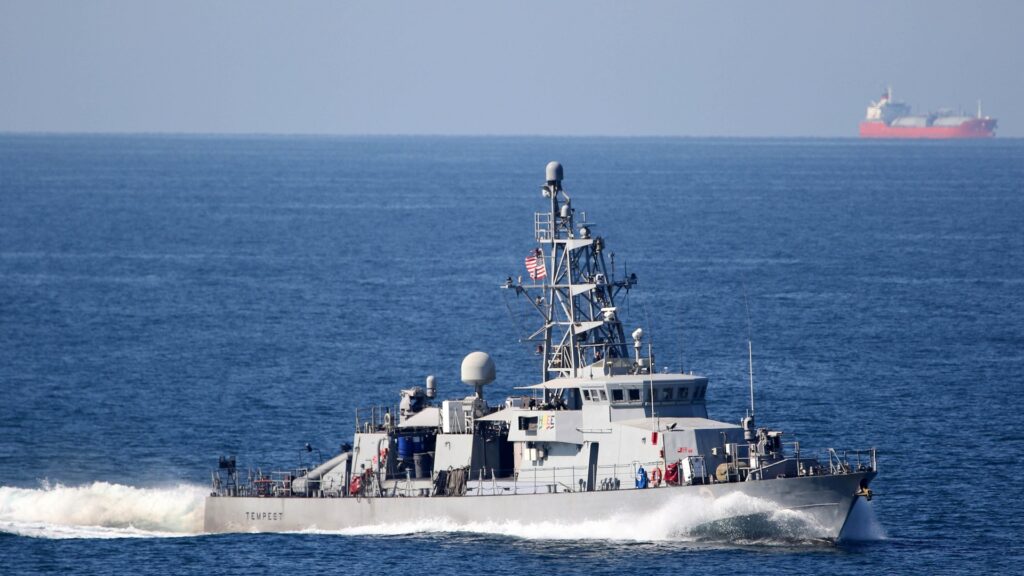
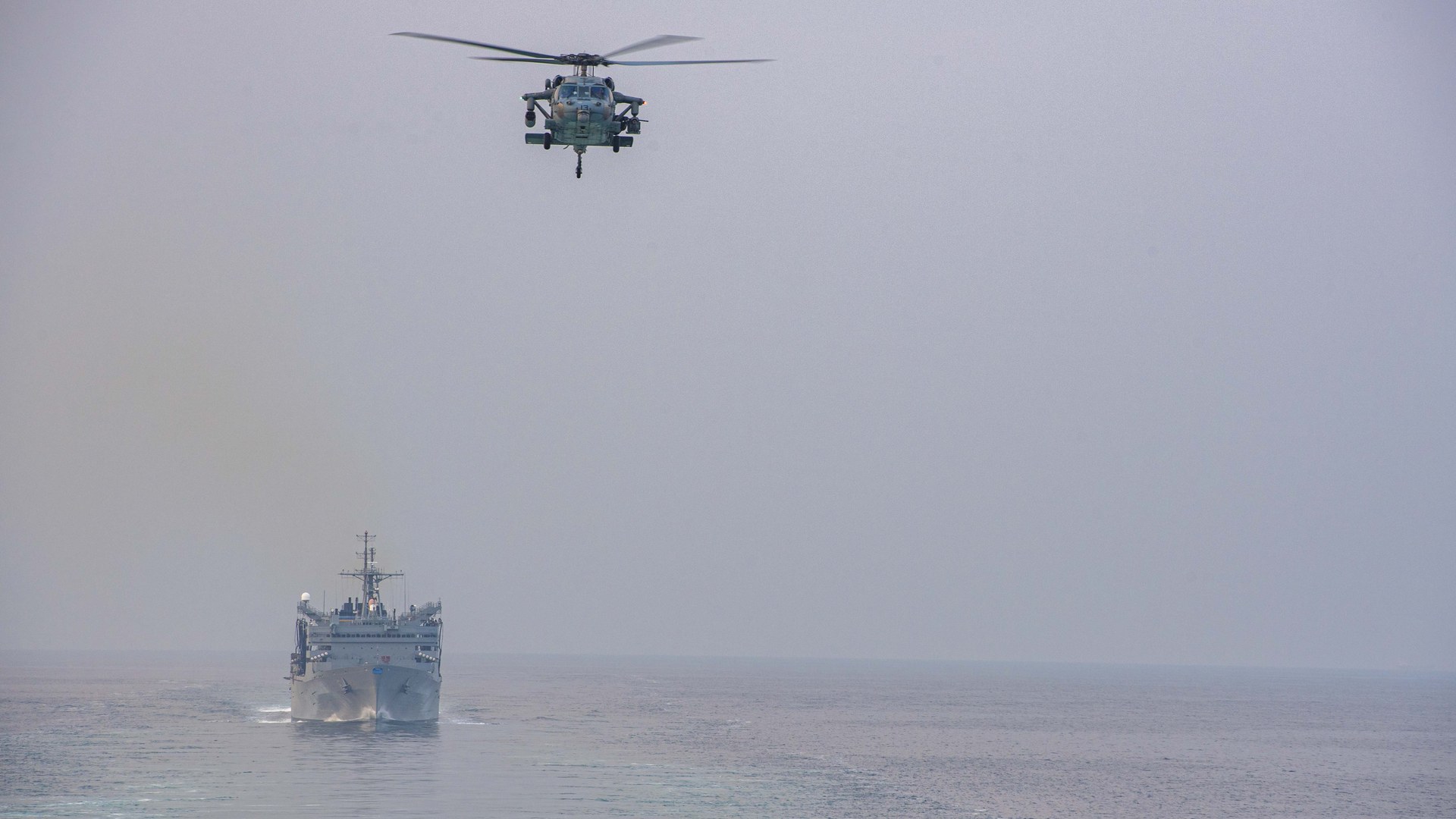
Central Command says more than 20 Navy warships and hundreds of American aircraft are operating across the Middle East. The force enforcing the blockade is not a token presence.
What Tehran says would end it
Iran says the strait can reopen within two days if Washington lifts the blockade, ends sanctions, unfreezes Iranian assets and ends the war on every front.
A Qatari delegation held two hours of talks in Tehran on Friday night, Iranian officials said. The broader talks to end the war have been stalled for months.
Foreign Minister Abbas Araghchi said the talks in the region must be given a chance. He said the blockade “must be lifted rationally” and that Iran is ready for dialogue just as it is ready to defend itself.

Why Black families should care about a strait half a world away
Black Americans have always answered the call to serve, and they serve today at a rate higher than their share of the population. The sailors and soldiers standing watch in Bahrain and across the Gulf include our sons, daughters, brothers, sisters and parents.
When drones and missiles fall on positions in Bahrain, those are our people sitting under the air defenses. When a tanker burns in the strait, its crew is working people far from home, the same kind of people who crew the ports back here.
Then there is the money. Oil prices actually fell on Monday as traders bet the world has more oil than it needs right now. Brent crude dropped under $90 a barrel after closing at $92.57 on Friday, and the national average price of gas stood at about $3.58 a gallon heading into Thanksgiving week, the lowest since March.
That calm can break in a single night. The shipping lanes in the strait are only about two miles wide. One mine, one missile, one ship sunk in that channel, and the price at the pump jumps.
Energy costs already take a bigger share of income from Black households than from the average American home. A sudden spike in gas, heating costs and groceries would land on our budgets first and hardest, right in the middle of the holiday season.
What happens next
OPEC and its partners meet on November 29. President Trump says his next move may wait until the New Year. Qatar is still carrying messages between the two sides. And in the strait, the tankers keep sailing through fire.
Urban City Podcast will keep following this story in our own voice as it develops. Stay with our News coverage for every turn.
Featured photo: The coastal patrol ship USS Tempest transits the Strait of Hormuz with a tanker in the distance. U.S. Navy photo by Mass Communication Specialist 2nd Class Indra Beaufort.