7 min read
Major Takeaways
- The Justice Department moved on September 24 to dismiss more than 50 school desegregation cases across the country.
- Advocates spoke out on November 18 and said courts should demand proof that racial gaps have closed before any case ends.
- In Neshoba County, Mississippi, 89 percent of white students showed college and career readiness in the last school year, compared with just 42 percent of Black students.
- A federal judge in Mississippi paused a ruling on ending oversight in Neshoba County and asked for more explanation of that gap.
- A review of court records found at least 56 districts in 12 states where the department has moved to end or withdraw from a case.
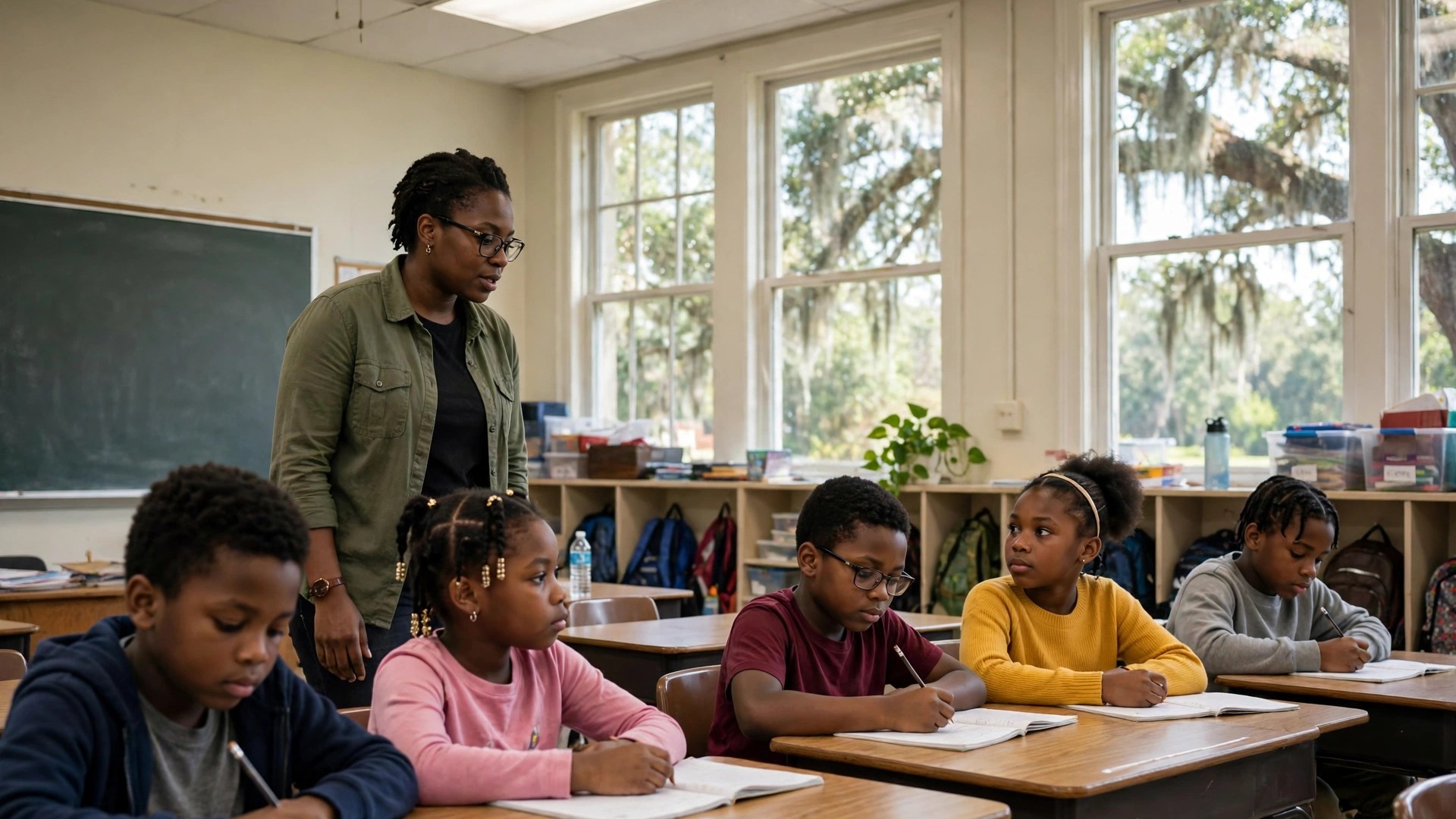
The fight over school desegregation cases is back in front of federal courts, and Black families are asking a simple question.
Before the government closes a case, show the proof that the work is done.
The Southern Education Foundation spoke out on Wednesday, November 18, against the effort by the United States Department of Justice to dismiss more than 50 longstanding cases.
The foundation said closing those cases without a close look at the gaps Black children still face would be premature.
It said the move would also weaken decades of progress toward equal educational opportunity for Black students.
The cases may date back decades, the foundation argued, but the need to address the inequities that led to them remains.
A Mississippi District Shows Why Advocates Are Worried
The foundation pointed to one Mississippi district as a clear warning sign.
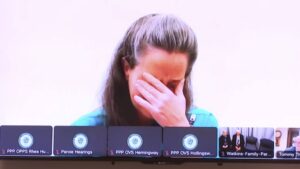
On October 21, advocates raised concerns at a federal court community hearing in the Neshoba County School District case.
They shared numbers from the 2024 to 2025 school year that are hard to ignore.
In that year, 89 percent of white students demonstrated college and career readiness.
Just 42 percent of Black students in the same district reached that same mark.
That is a gap of 47 points inside one public school system.
Advocates also told the court that help was available and had gone unused.
The Southern Center for Opportunity and Access described the desegregation resources and technical assistance it can offer districts.
The center noted that the district had not requested such assistance before the hearing.
After the hearing, United States District Judge Henry T. Wingate deferred his ruling on unitary status.
The judge paused the decision pending further explanation of the disparities raised at the hearing.
For Black parents in Neshoba County, that pause matters.
It means a court will look at the numbers before anyone declares the case complete.

What the Justice Department Moved to Close
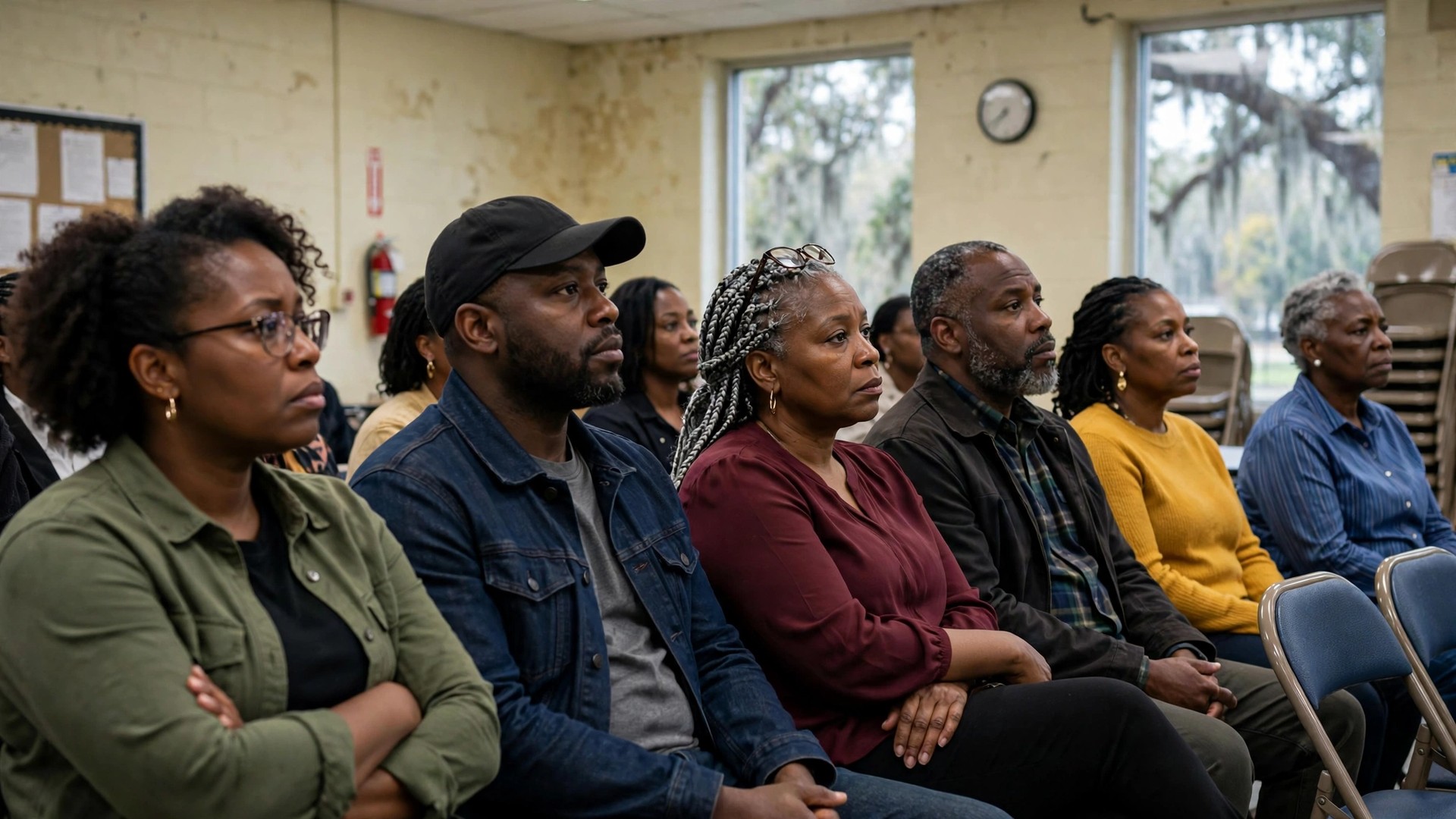
On September 24, the Civil Rights Division announced the dismissal of more than 50 school desegregation cases.
In that announcement, the department called longstanding consent decrees onerous and outdated.
Assistant Attorney General Harmeet Dhillon pointed to districts that have spent more than 60 years under federal oversight.
She argued that local districts should redirect taxpayer dollars toward students instead of court orders.
The reach of the announcement was wide, and it landed hardest in the South.
Georgia accounted for 15 of the dismissed cases and Mississippi accounted for 13.
Louisiana accounted for 11 cases, while Alabama had 5 and Florida had 5 more.
South Carolina had 1 case, and single cases were dismissed in seven other states.
Those states were Arkansas, Arizona, Connecticut, Missouri, North Carolina, Tennessee, and Texas.
As of last year, more than 130 school systems nationwide were still operating under Justice Department desegregation orders.
One announcement in September therefore touched a large share of the whole oversight system at once.
Read more of our coverage in the News section as this court fight continues.



How a Desegregation Case Is Supposed to End
Under the law, a case is supposed to end only when a court grants a district unitary status.
That ruling means the district has eliminated the vestiges of past discrimination to the extent practicable.
Courts look at six core areas before they make that call.
Those areas are student assignment, faculty assignment, staff assignment, transportation, facilities, and extracurricular activities.
Courts may also consider other measures of equal opportunity where they matter.
The district carries the burden of proving that it complied with the court order in good faith.
Time alone does not end that obligation, because the harm was imposed by law and policy.
A review of public court records found reason to question how often that full test was applied this year.
The review identified 56 school districts in 12 states where the department has sought to end a case, withdraw from a case, or step aside while a case ended.
In at least 18 districts, the department joined agreements to dismiss a case without asking the court to find unitary status.
Since the September announcement, courts have entered orders closing at least 5 cases.
The department has also jointly moved to close at least 5 more cases since that announcement.
Our recent report on a court ruling that protected international students explains why court review still matters for African students as well. Read that report here.
What Happens After Oversight Ends
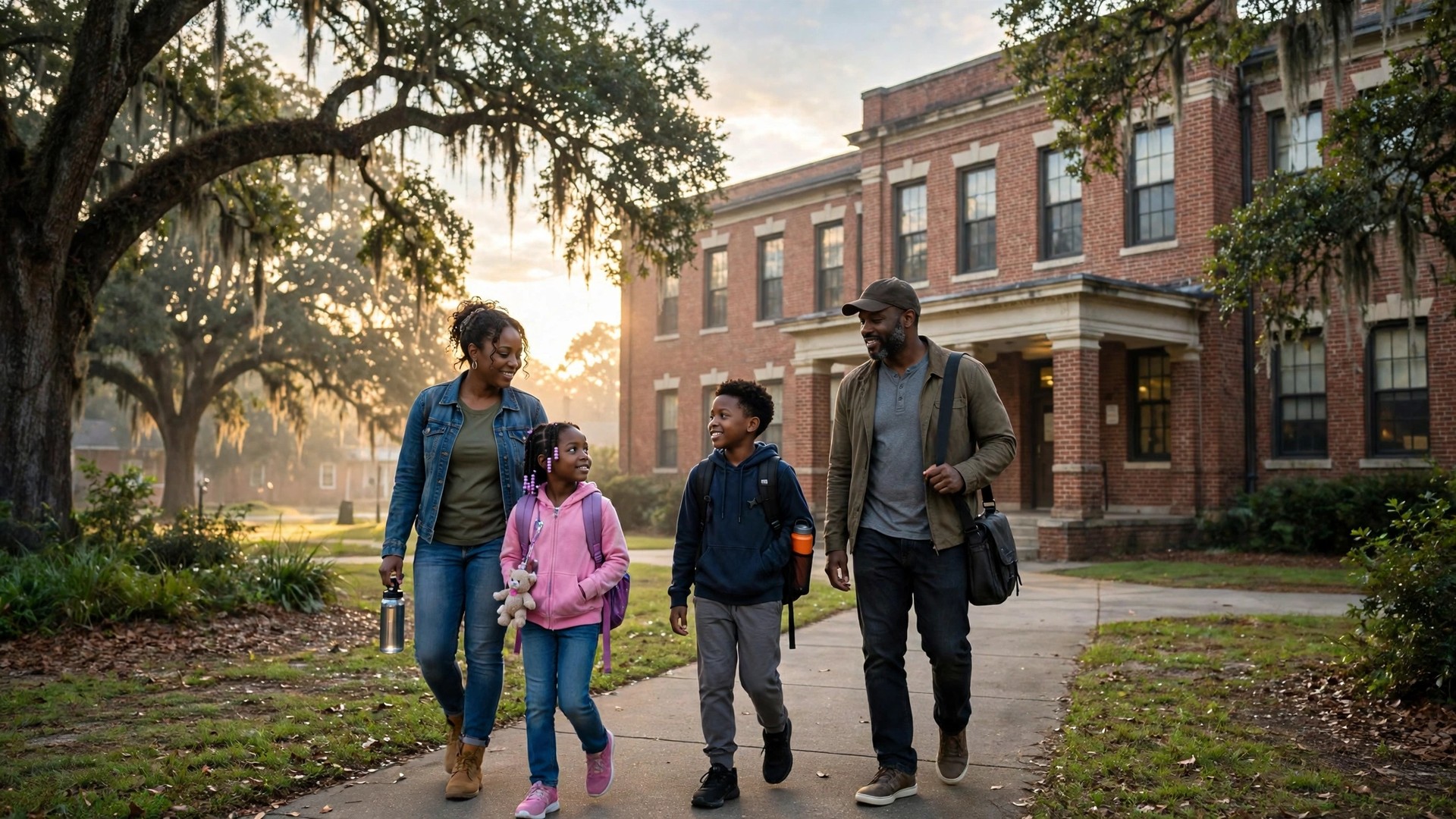
History gives Black families reason to watch these closures with care.
A study published in 2024 examined districts that were released from court ordered desegregation between 1991 and 2018.
The study found that release was linked to roughly a 13 percent increase in school segregation.
That increase did not fade with time, according to the researchers.
Nearly twenty years after release, the separation between Black students and white students remained substantially higher than in districts that stayed under supervision.
None of that proves every district closed this year will move backward.
It does show that the age of an order is not proof that the problem behind it is gone.
The Supreme Court ruled in Brown v. Board of Education that segregating public school students by race violates the Constitution.
That ruling did not integrate schools on its own.
Black families sued, federal courts issued orders, and the Justice Department kept returning to court for decades.
That long enforcement is the reason some cases remained open for more than half a century.
Advocates Want Proof Before Any Case Closes
The Southern Education Foundation said every district under a desegregation order should provide credible analysis of the disparities its Black students still face.
Only then, the foundation said, should a court rule on a motion to dismiss a case.
The Legal Defense Fund has also raised concerns about the impact of the department actions on Black students.
Both groups point to the same barrier, which is equal educational opportunity that remains unfinished.
For Black communities across the South, this is not an abstract legal debate.
These orders can shape school funding, building quality, advanced courses, and who gets a fair chance to learn.
When oversight ends without answers, families lose the one tool that forced those questions into the open.
The stakes connect directly to the voting fight our readers followed this morning. Read our report on the SAVE America Act Senate fight.
In both fights, Black advocates are asking officials to look at the evidence on the ground before rights are declared secure.
The foundation closed its statement with a plain promise.
It said it will keep advocating for accountability and support for districts, so every child gets a fair opportunity to learn and succeed.
For the families in Neshoba County and in dozens of districts like it, that promise now rests with the courts.
A judge has already asked for more explanation in Mississippi.
Black parents across the South are waiting to see whether other courts ask the same question before they close the file.