8 min read
Major Takeaways
- The South Carolina Board of Paroles and Pardons voted unanimously on Thursday, November 19, to deny Susan Smith parole for a second time.
- Smith, 55, has served 31 years of a life sentence for drowning her sons Michael, 3, and Alex, 14 months, in 1994.
- Her first parole bid was also denied unanimously in November 2024, and she will not get another hearing for two years.
- The case still matters for Black families because Smith first blamed a Black man for the crime, and that lie put Black residents of Union County under suspicion.
Susan Smith will stay in prison.
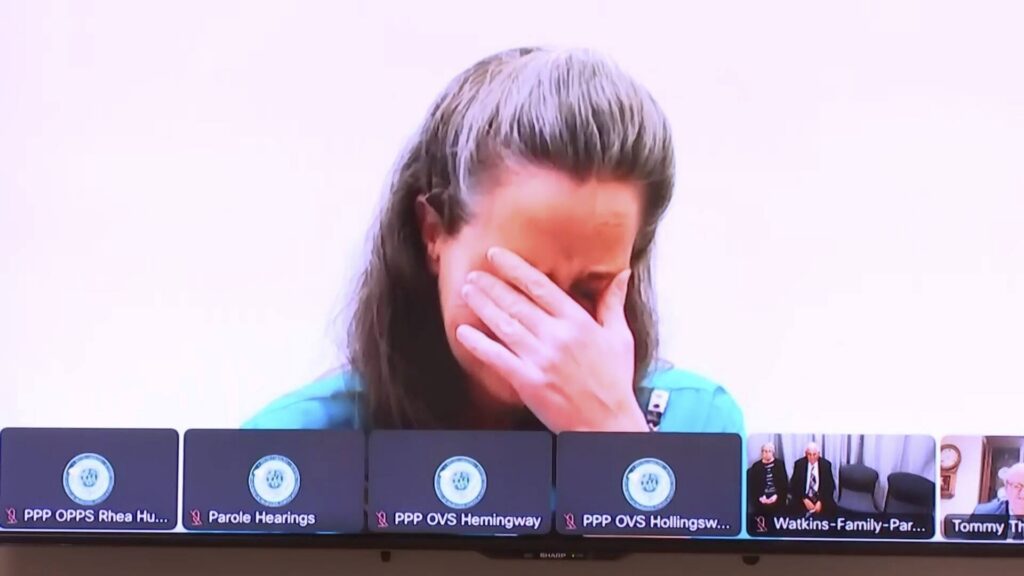
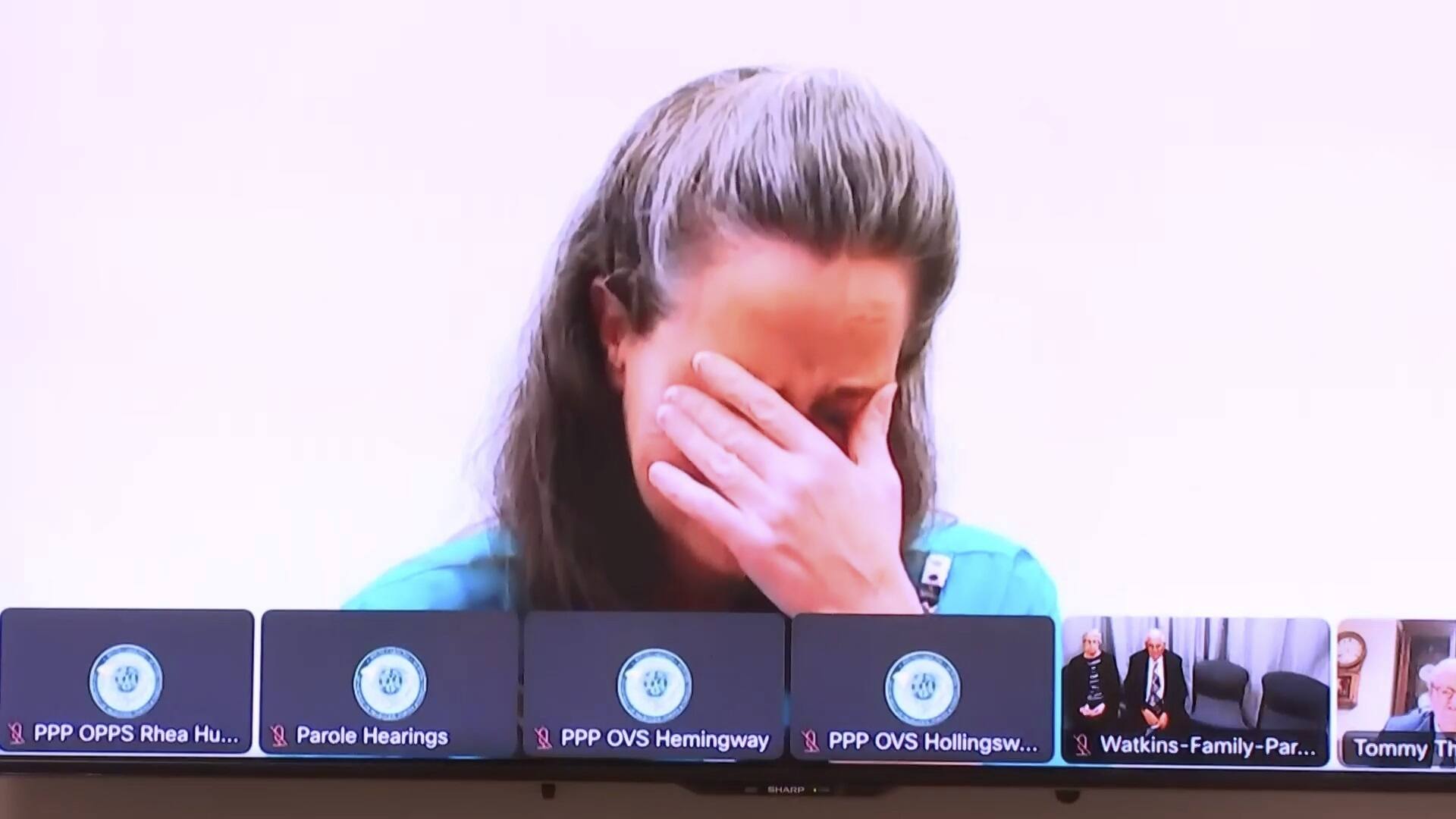
The South Carolina Board of Paroles and Pardons voted unanimously on Thursday, November 19, to deny her second bid for release.
Smith appeared by video from the Leath Correctional Institution in Greenwood, South Carolina.
The board did not give a detailed public reason for the vote beyond the decision itself.
The outcome means Smith will keep serving the life sentence she received after a jury convicted her of murder in 1995.
1. The Board Said No Again
Smith first became eligible for parole after serving 30 years.
Her first hearing came on November 20, 2024.
That board also voted unanimously to deny her release.
She then had to wait two years before she could ask again.
Thursday brought the same answer.
Smith is 55 now.
She was 23 when her sons died.
She has served 31 years behind bars.
Under the rules that apply to her sentence, she can seek parole every two years.
Her next chance will come in 2028.
Parole in South Carolina is granted only about 8 percent of the time.
That rate is even lower when prosecutors and the family of the victims oppose release.
Both did here.

2. David Smith Spoke for His Sons
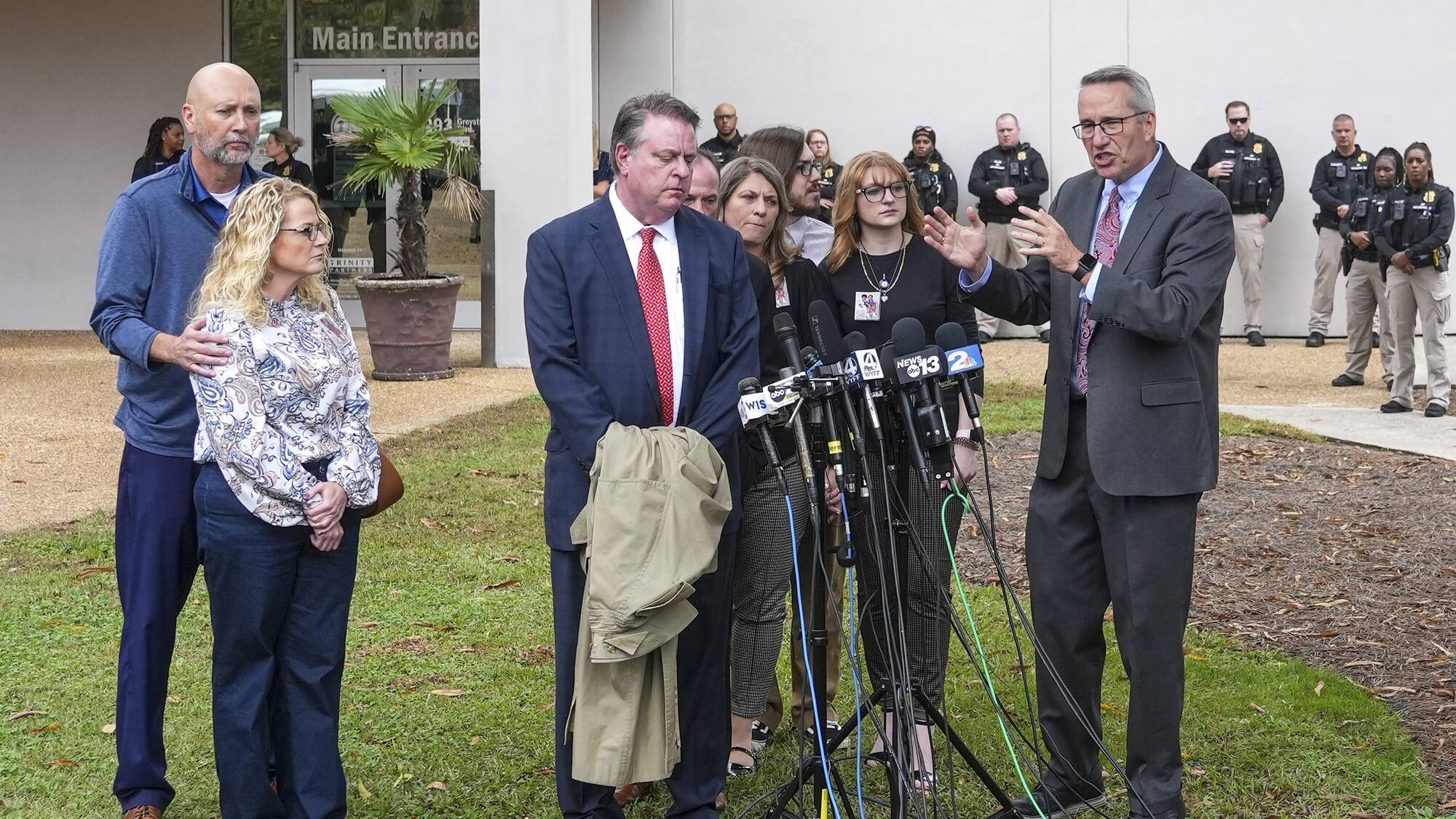
David Smith, the father of Michael and Alex, spoke to the board again on Thursday.
He has said at every hearing that he will keep showing up to oppose her release.
He told the board that what happened was deliberate.
“It wasn’t an accident. It wasn’t a bad state. She did it deliberately,” he said.
He asked the board to look at the pain he still carries.
He said 32 years has not taken away what she did to Michael and Alex.
He has said before that freeing her would be an injustice to his sons.
He has also said that for him, it still feels like yesterday.
That grief has not faded with time.
It is the reason he keeps returning to Columbia for these hearings.
He wants the board to remember two small boys, not just a file.
Supporters and opponents of Smith gave emotional testimony at the hearing.
David Smith was among those who spoke against release.
His voice carried the weight of a father who lost both of his children in one night.



3. The Lie That Put Black Neighbors in Danger
The crime itself was horrifying.
The lie that followed it caused a different kind of harm.
On the night of October 25, 1994, Smith told police that a Black man had carjacked her car in Union, South Carolina.
She said the man drove away with her sons still strapped in their car seats.
She made tearful pleas for their safe return on national television.
The story set off a nine day manhunt that made headlines around the world.
Deputies worked with her to draw a composite sketch.
Alerts about the man she described went out across the country.
Meanwhile, Black residents of Union County came under suspicion.
Chief Deputy Scott Coffer of the Union County Sheriff’s Office has said the false claim strained race relations in the town.
Prosecutors have said Black men were wrongfully pulled over as police searched for a man who did not exist.
That is the part of this story Black families cannot forget.
A white woman in distress told a story that fit an old and ugly idea.
The idea was that a Black man was a danger to a white woman and her children.
Police and the press moved fast on that story.
Black neighbors paid the price while the search went on.
One man was pulled from his job by police.
Others were questioned and watched.
None of them had done anything wrong.
The man Smith described was never real.
4. How the Story Fell Apart
Investigators had doubts about Smith’s story from the start.
They asked a basic question.
Why would a carjacker let Smith out of the car but keep her children?
Carjackers usually want the vehicle, not the children inside it.
The traffic light also gave her away.
Smith said she had stopped at a red light when the man took her car.
But the light at that intersection stayed green in her direction unless a car waited on the cross street.
Smith said no other cars were around.
She failed a lie detector test.
Other small details did not add up.
On November 3, 1994, under questioning, she confessed.
She admitted that she had strapped Michael and Alex into their car seats.
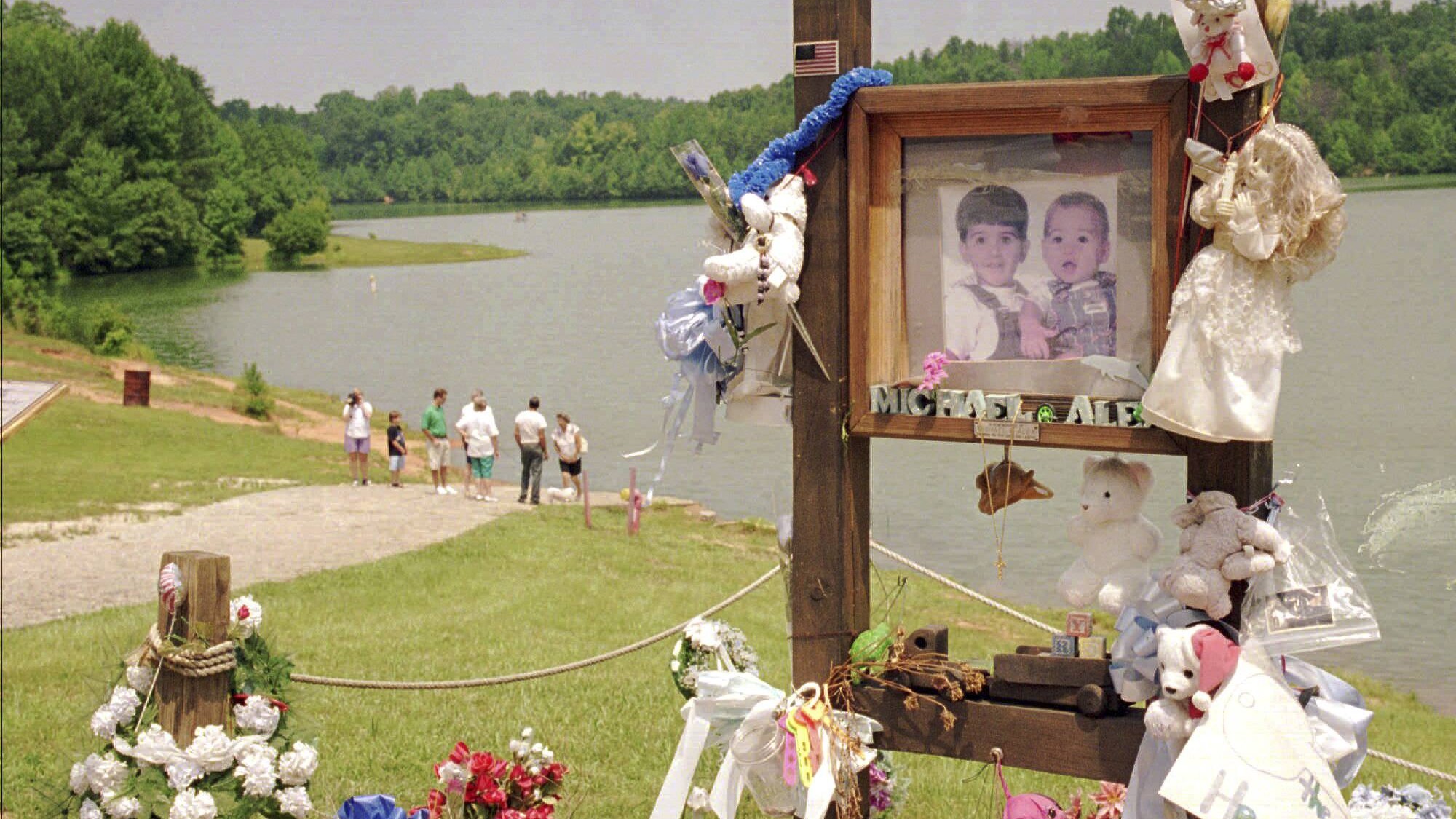
She admitted that she had let her burgundy Mazda roll down a boat ramp and into John D. Long Lake.
The car took six minutes to sink below the surface.
Divers found the boys still inside, upside down in their car seats.
Her nine days of televised pleas had been a performance.
The whole time, her sons were at the bottom of the lake.
5. What the Trial and the Prison Years Show
Prosecutors argued that Smith killed her sons to win back a wealthy man she had been seeing.
They said the man had told her he did not want children.
Her lawyers said she was suffering from mental health struggles, including postpartum depression.
They said she had meant to die with her children but left the car at the last moment.
The jury convicted her of two counts of murder.
The same jury chose life in prison over the death penalty.
That choice left her eligible for parole after 30 years.
Her years in prison have not been quiet.
She has faced a number of internal disciplinary charges.
Those charges have included drug possession and sexual encounters with two prison workers in the early 2000s.
Months before her 2024 hearing, she was charged with communicating with a victim or witness through calls with a documentary filmmaker.
Prison rules bar inmates in South Carolina from speaking with journalists by phone or in person.
She has held prison jobs, including work as a clerk and a teacher assistant.
She has not received education credits.
At her first hearing in 2024, she told the board she was very sorry.
She said she knew what she did was horrible.
She said God has forgiven her.
She asked the board to show her the same mercy.
The board said no then, and it said no again on Thursday.
6. Why This Still Matters for Black Families
This is not just a true crime story from 1994.
It is a warning about how fast a racial lie can travel.
Smith’s claim worked because it matched a stereotype.
That stereotype has been used against Black men for generations.
It turns an innocent Black man into a suspect before anyone asks for proof.
It turns a whole Black neighborhood into a place to search.
It wastes police time and public trust.
It also leaves a mark that does not wash away when the truth comes out.
Black residents of Union County lived through that in 1994.
They were questioned, stopped, and watched because of a story that was never true.
That is why the parole decision matters beyond the courtroom.
It closes another chapter, but it does not erase the harm.
Michael and Alex Smith deserved long lives.
Their father deserves peace.
And the Black families who were blamed for a crime that never happened deserve to have their story told plainly.
Smith stays in prison.
She will get another chance to ask for release in two years.
David Smith has said he will be there again to speak for his sons.
Read more in the News section, and see the latest on the Corey Ruiz charging decision in Madison and more stories on the Urban City Podcast homepage.