6 min read
Major Takeaways
A federal judge in Massachusetts vacated the student visa rule in full on Monday.
International students keep the right to stay for the full length of their studies.
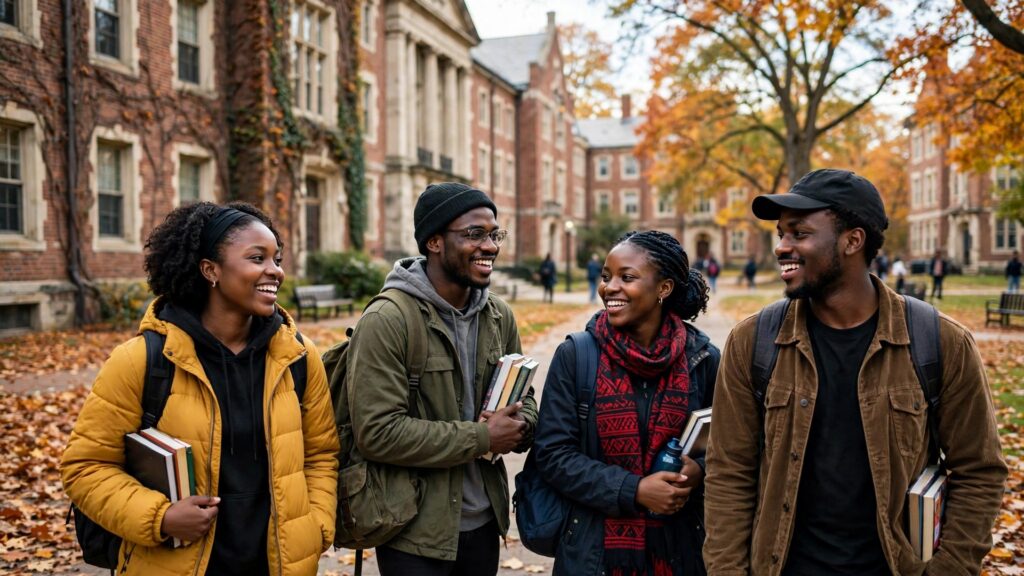
African students are a growing force on American campuses and had much at stake.
The government can appeal, so students should keep their school records current.
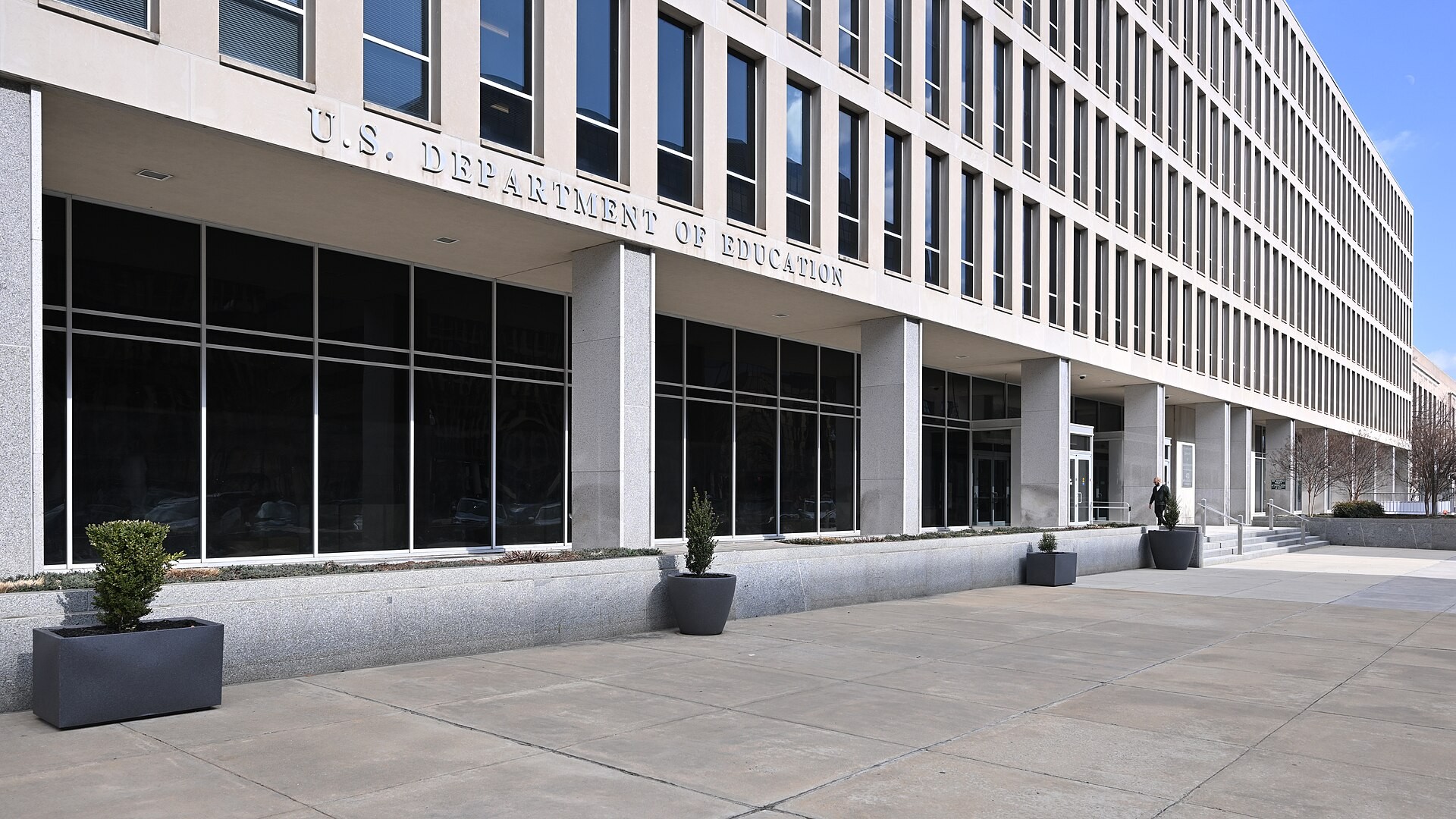
A federal judge has thrown out the rule that would have capped how long international students can stay in the United States.
Judge F. Dennis Saylor IV ruled on Monday, November 16, 2026 in Boston.
He vacated the Department of Homeland Security rule in its entirety.
The decision restores certainty for more than a million students now studying in this country.
For Black families across Africa and the Caribbean, the ruling lands close to home.
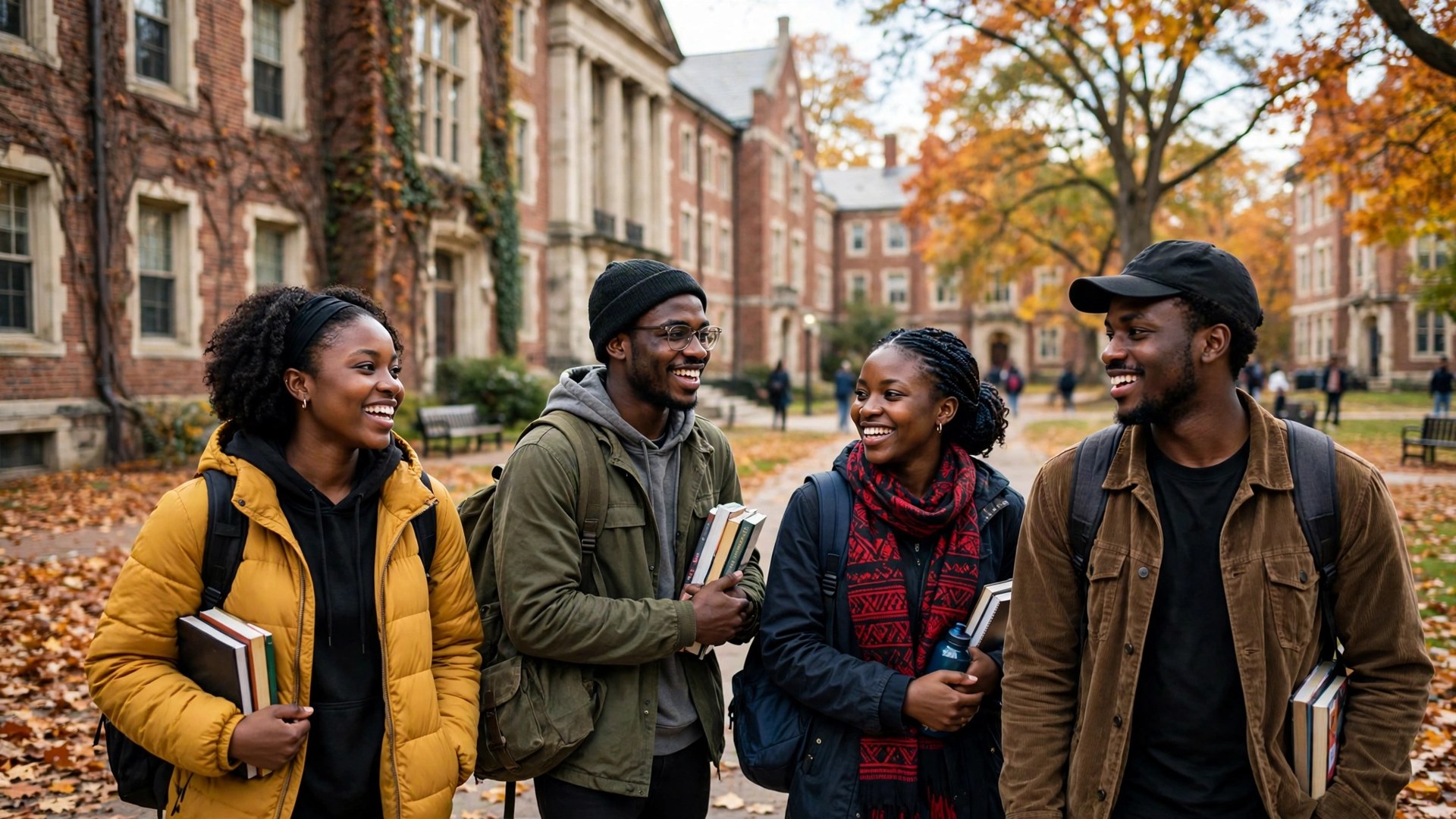
Students from Nigeria, Ghana and Kenya fill lecture halls from Houston to Harlem.
Many study at historically Black colleges and universities that have welcomed them for generations.
Their degrees often take longer than four years through no fault of their own.
Research programs run long. Funding gaps force lighter course loads. Life happens.
A hard four year clock would have pushed many of those students out mid degree.
A Rule That Never Took Effect
The department published the final rule on July 17, 2026.
It was set to take effect on September 15, 2026.
The rule would have ended a policy known as duration of status.
That policy has stood since the nineteen seventies.
It lets students remain in the country while they pursue a program and maintain status.
No fixed end date is stamped on their admission record.
The new rule would have replaced that system with a fixed admission period.
Stays for students and exchange visitors would have been capped at four years.
Foreign journalists would have been limited to two hundred forty days.
The grace period after graduation would have fallen from sixty days to thirty days.
Students who needed more time would have had to file a formal extension request with the government.
Schools could no longer simply update a student record the way they do today.
The rule also restricted how students could change programs or schools.
It barred a second degree at the same level or a lower level than one already earned.
Judge Saylor postponed the rule on September 14, one day before it was due to start.
Because of that order, the four year clock never governed a single student.
The Monday ruling goes further. A postponement became a final judgment on the merits.


Why the Judge Struck the Rule Down
The case was brought by a coalition of education and labor groups.
The plaintiffs include the Presidents Alliance on Higher Education and Immigration.
They also include NAFSA, the American Federation of Teachers and the United Auto Workers.
A Massachusetts association of independent colleges and universities joined the case as well.
The NewsGuild union joined on behalf of foreign journalists working in this country.
The coalition sued in August and argued the agency rushed the rule into place.
The court agreed, calling the rule arbitrary and capricious under federal administrative law.
Judge Saylor found the agency failed to weigh the costs of the rule against its benefits.
He found its claims about fraud and security risks were not backed by the record.
He faulted the agency for skipping less burdensome tools already at hand.
One such tool is the federal student tracking system schools already report into.
The agency also failed to answer the substance of nearly twenty two thousand public comments.
The judge held that limits on changing programs went beyond the authority Congress granted.
He wrote that the statute does not grant the agency such broad authority to undermine the student visa program.
He added that the agency sought to discourage the very activity Congress sought to permit and encourage.
That activity is providing educational opportunity for foreign students in the United States.



What the Numbers Say About African Students
New census figures released the same day show why this fight matters so much.
The Open Doors 2026 census counted one million one hundred forty six thousand one hundred sixty three international students.
That total fell two point seven percent from the year before.
New enrollments dropped seventeen point seven percent to two hundred twenty eight thousand one hundred twenty three.
Nigeria remains the largest African sender of students to the United States.
The census counted twenty thousand six hundred thirty four Nigerian students in the 2025 to 2026 year.
That figure fell five point six percent after four straight years of growth.
Ghana moved the other way and reached a record thirteen thousand two hundred sixty eight students.
Advocates say uncertainty around visas is already chilling applications from the continent.
Every new barrier lands hardest on families who stretch the furthest to send a child abroad.
Readers following our News coverage know those families include many in our own audience.
What the Ruling Means for International Students
Students in the United States today do not need to file anything new.
Their admission records continue to show duration of status, as they have for decades.
A student who needs more time asks the school for an updated record.
No separate application to an immigration office is required for a program extension.
Students may still transfer schools and change their course of study under existing rules.
The sixty day grace period after a program ends stays in place.
Miriam Feldblum of the Presidents Alliance called the ruling a clear and important victory.
She said it gives students greater certainty as they pursue their education.
Fanta Aw of NAFSA said the judge sent an unequivocal and resounding message.
She said the ruling confirms the longstanding duration of status policy is retained.
Randi Weingarten of the teachers federation welcomed the order as well.
She said the proposed limits on study time were arbitrary and hostile.
The stakes reach beyond any single campus, as our education reporting has shown all week.
Black colleges recruit scholars from across the diaspora and build research programs around them.
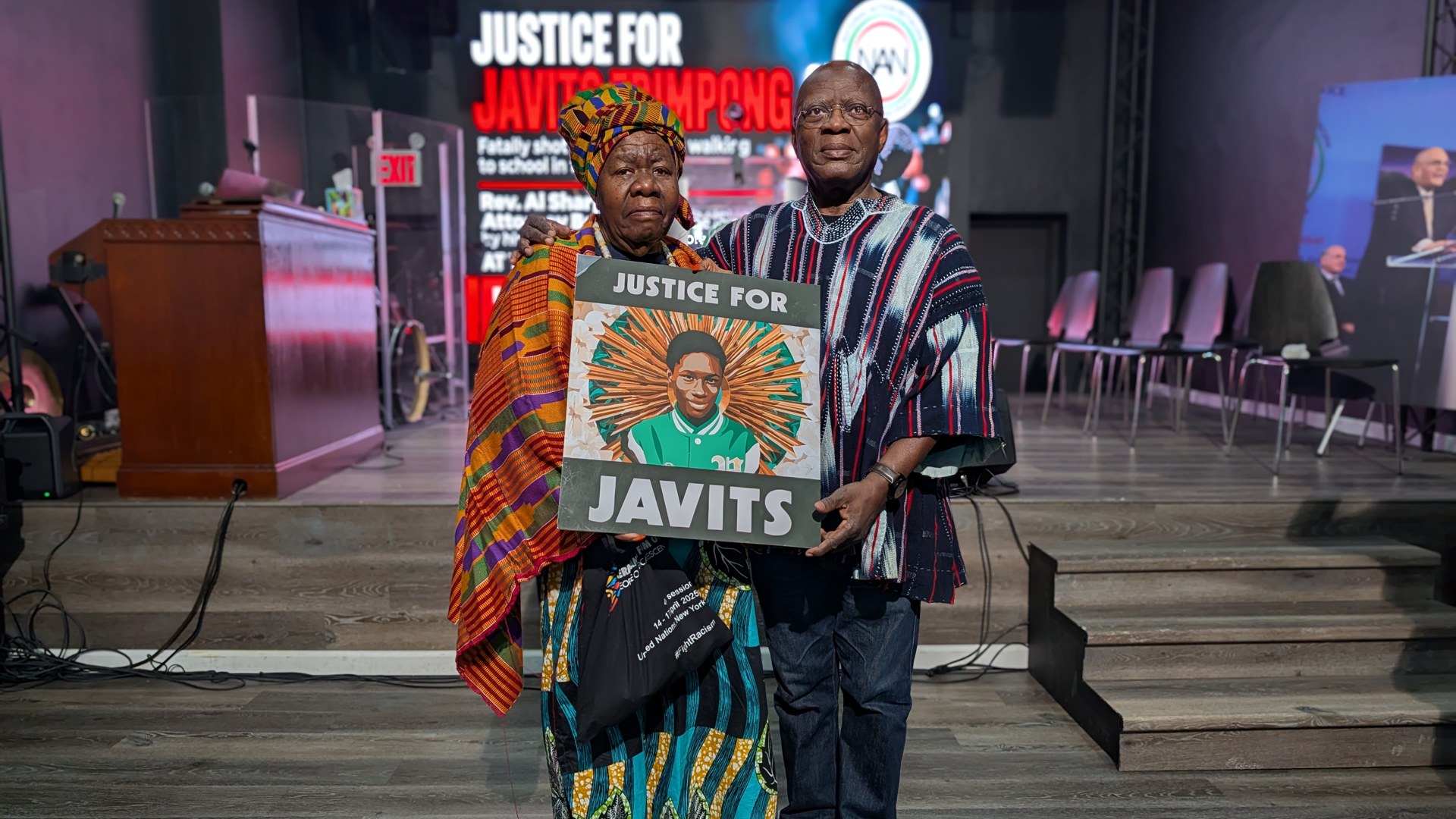
The story of Javits Frimpong reminded readers how deeply Ghanaian families are woven into American school life.
What Happens Next
The ruling is final at the district court level, but the fight may not be over.
The government can appeal to the federal appeals court for the First Circuit.
An appeal alone does not bring the rule back to life.
Only a court order pausing Monday judgment would let the agency enforce it again.
The government had not said publicly whether it will appeal as reports were published.
It could also try writing a new rule that answers the objections the court raised.
That path would require a fresh proposal and a new public comment period.
For now, students should keep full time enrollment and report program changes on time.
Staying in status remains the duty that duration of status has always carried.
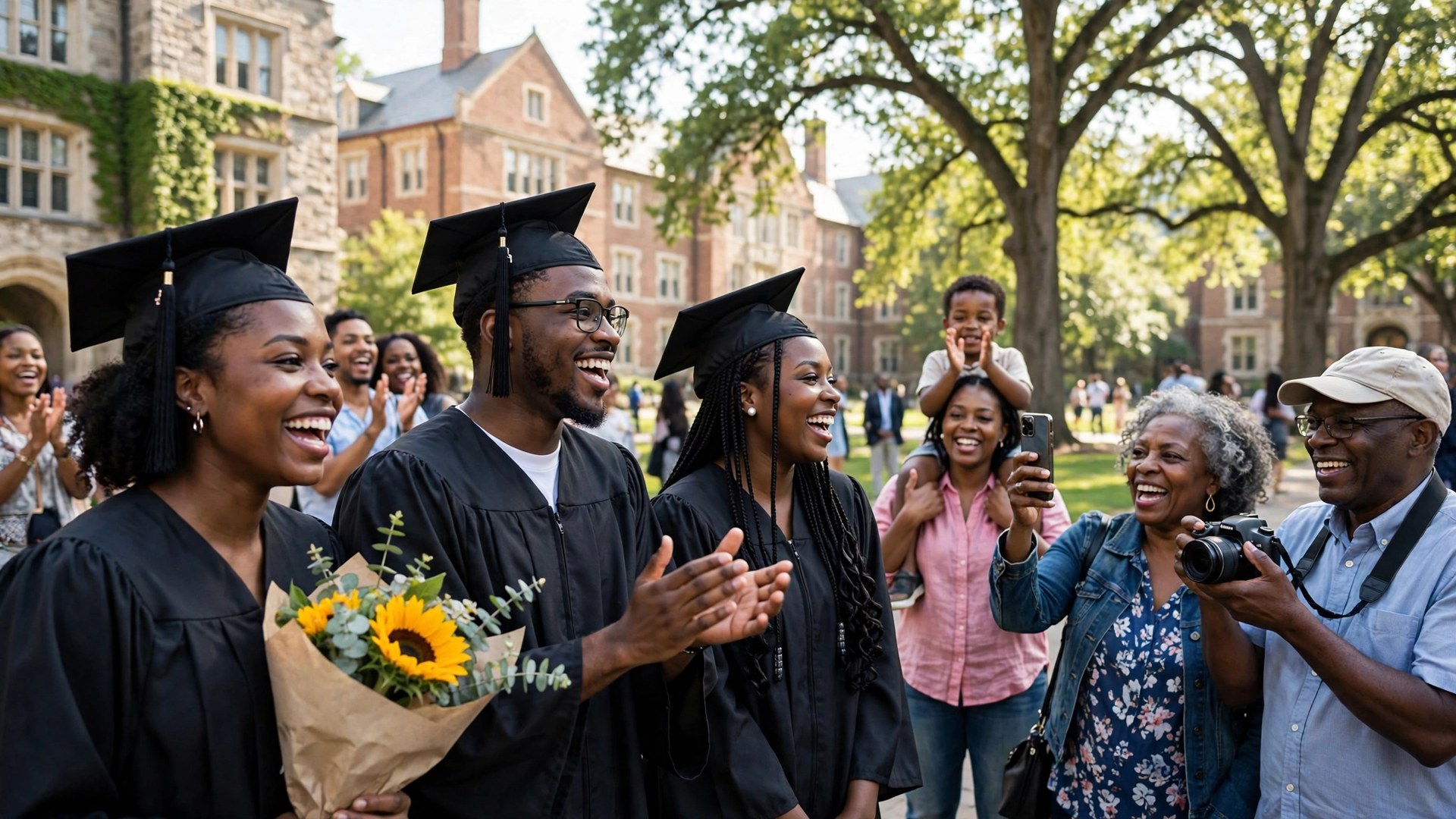
For African students building a future in American classrooms, Monday brought real relief.
The door Congress opened for them stays open, and the clock that threatened to close it is gone.