7 min read
Major Takeaways
- The SAVE America Act passed the House in February and has sat stalled in the Senate ever since, short of the 60 votes needed to advance.
- Two attempts to attach the bill to larger packages failed in recent days, as four Republican senators joined every Democrat in voting no.
- A separate amendment won 50 votes, and supporters now weigh one last push through budget reconciliation before the new Congress begins on January 3.
- The Congressional Black Caucus calls the bill voter suppression, and civil rights leaders say its document rules would fall hardest on Black voters.
SAVE America Act Heads Into Its Final Weeks in the Senate
The SAVE America Act is running out of time, and both sides know it.
The bill passed the House in February 2026 and then sat in the Senate for months.
It needs 60 votes to advance there, and its supporters have never had them.
In recent days the Senate tried twice to move pieces of the bill inside larger packages.
Both attempts failed, and the second one failed by just two votes.
Yet the fight is not over, because supporters are now discussing one final route before January 3.
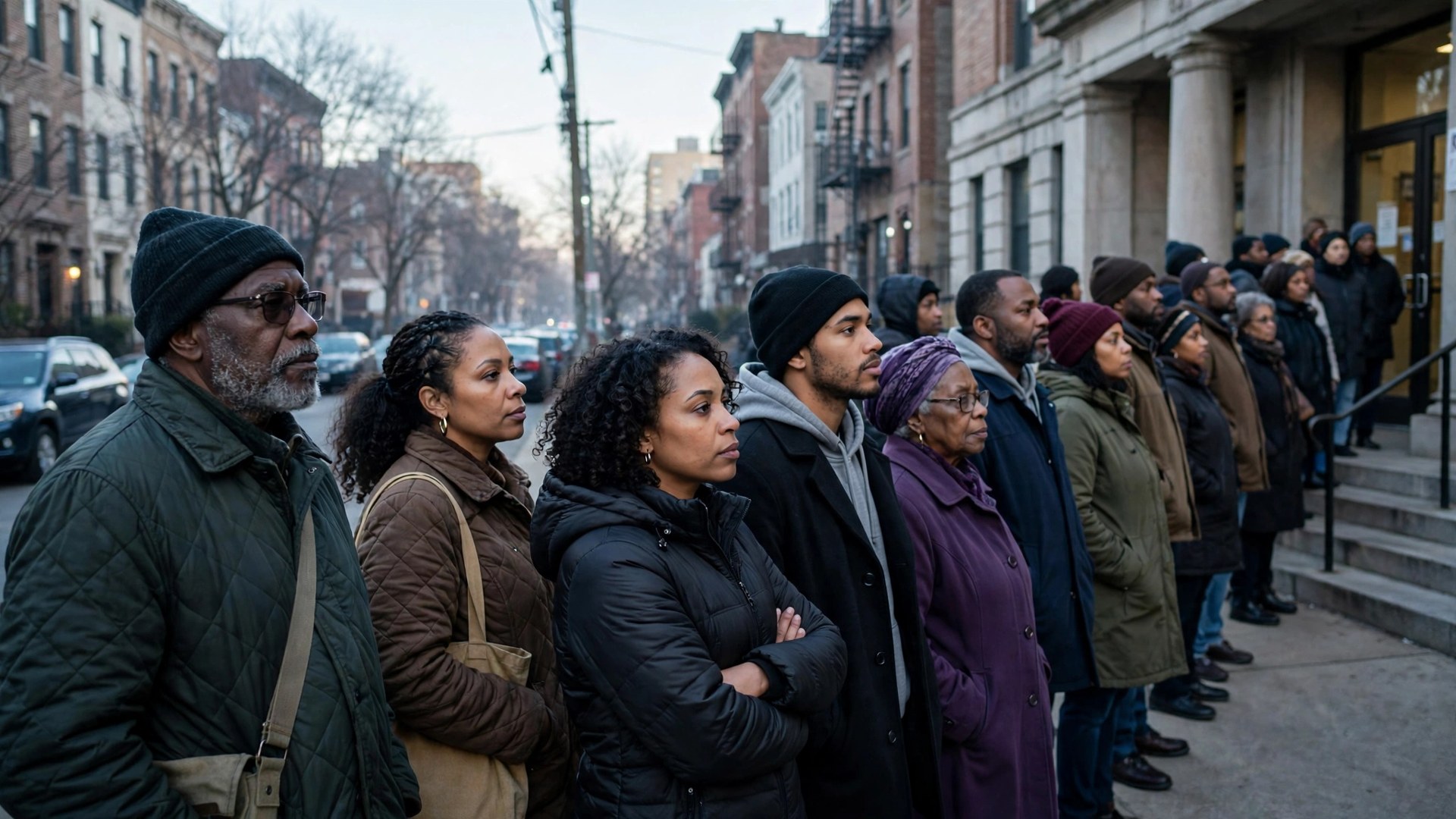
That route is budget reconciliation, a process that can pass some bills with a simple majority.
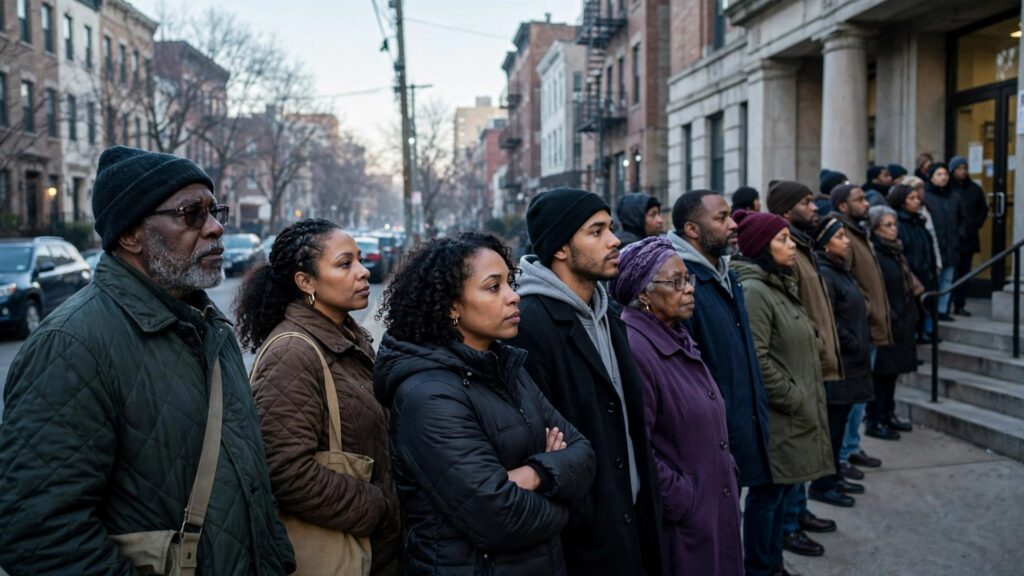
For Black voters, the stakes in this closing argument could not be clearer.
The bill rewrites how Americans prove who they are before they can register and vote.
What the Bill Would Require From Every Voter
The act would require documentary proof of citizenship from anyone registering to vote in a federal election.
That proof means a passport, or a certified birth certificate shown with government issued photo identification.
A standard driver license would not be enough on its own, because it proves identity and not citizenship.
Registration changes would also have to happen in person before an election official.
At the polls, every voter would have to show valid photo identification to cast a ballot.
The bill also orders voter roll purges every 30 days across the country.
It bans universal mail voting, even in states that already run secure elections entirely by mail.
Supporters call all of this simple election integrity, and they point to public polling in their favor.
Senator Josh Hawley of Missouri voiced that frustration after the failed votes this week.
Hawley said voter identification is the most popular thing out there and that people want elections to be safe and fair.


Two Failed Votes and One Number That Keeps the Push Alive
The first attempt came through an amendment from Senator Lindsey Graham of South Carolina.
His version folded the act into a 70 billion dollar budget reconciliation package on immigration enforcement.
It fell 12 votes short of the 60 votes needed to be added to that package.
Four Republicans voted no alongside the Democrats in that count.
They were Susan Collins of Maine, Lisa Murkowski of Alaska, Mitch McConnell of Kentucky and Thom Tillis of North Carolina.

A second attempt, a modified version tied to funding for the Department of Homeland Security, failed 48 to 50.
The same four Republicans joined every Democrat in rejecting that version as well.
Collins has said she supports the broader act but did not back this version of the proposal.
Tillis and McConnell are both retiring, which frees them from pressure inside their own party.
Senator Mike Lee of Utah then offered a separate amendment written as the original act itself.
That amendment secured exactly 50 votes after Collins switched and backed the original version.
Lee argued that, but for the filibuster, the act would now be on its way to the White House.
With Vice President JD Vance available to break a tie, supporters say a majority for the bill exists.
What does not exist is a path past 60 votes, and that single fact shapes everything that happens next.
Why Black Leaders Call This Bill Suppression by Paperwork
The Congressional Black Caucus has stated its position in plain language.
The caucus says the SAVE Act is not an election security bill and calls it a voter suppression bill, full stop.
Its members say they will not sit back while access to the ballot box is stripped from their communities.
They are calling on every senator to reject the bill outright.
The National Urban League pressed the same case on Wednesday morning in a new public warning.
League leaders called the act a throwback to the Jim Crow era and a modern resurrection of poll taxes and literacy tests.
Their case rests on the paperwork itself, and the numbers behind it are stark.
More than 21 million Americans lack easy access to the documents this bill demands.
Black Americans face those document hurdles at higher rates, from cost to time to office access.
Many older Black citizens were born in segregated hospitals and hold older documents that may not meet strict new criteria.
Black women face an added burden, because name changes after marriage or divorce can force them to produce decades of extra records.
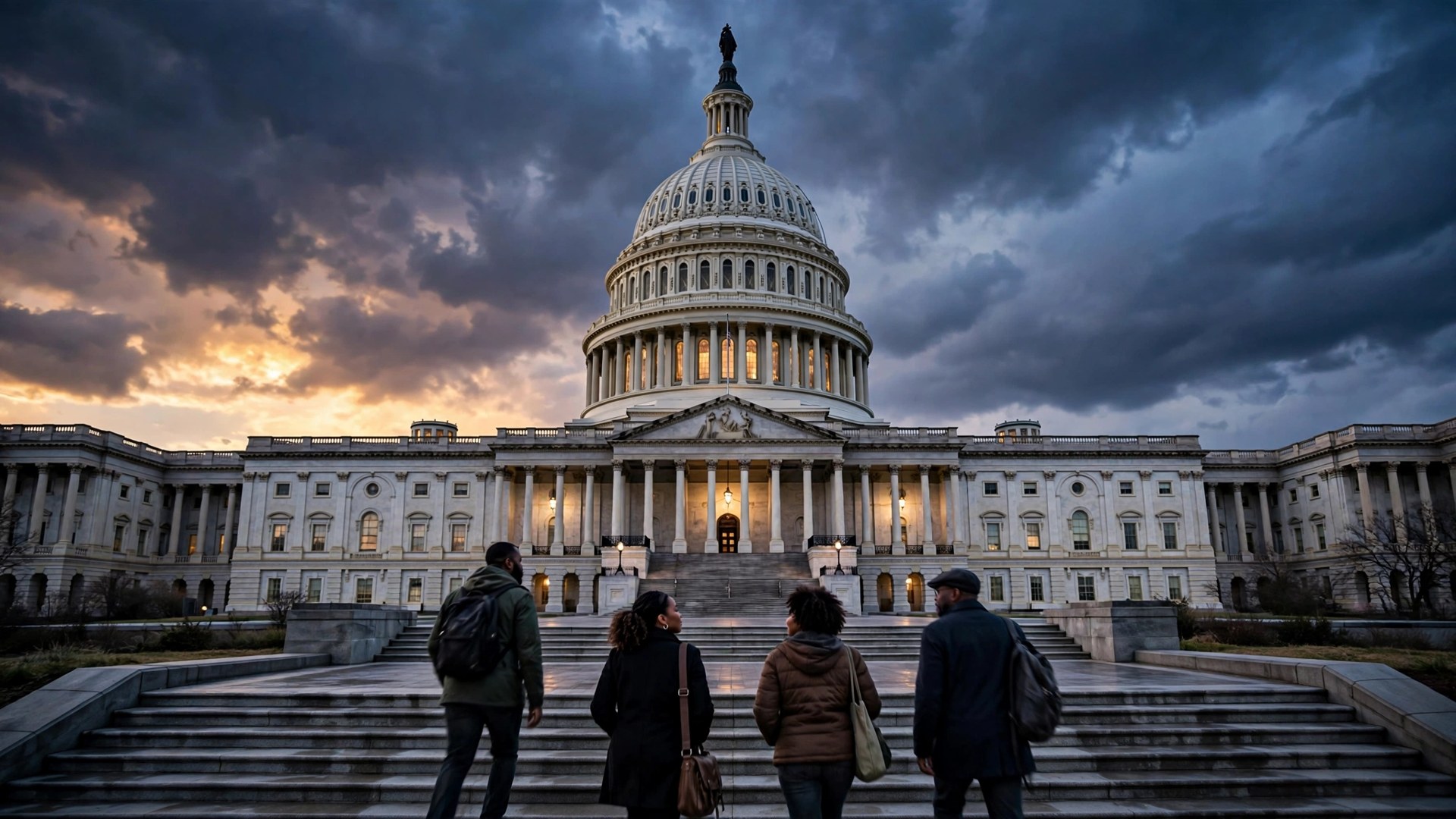
The purge rule worries advocates just as much as the document rule.
A voter removed in a monthly purge may learn of it only after arriving at a polling place.
By then the chance to fix the record may already be gone.
Advocates also note how rare the fraud behind this bill actually is in the record.
One Kansas county found just 18 noncitizens on its rolls over 18 years, and only five had ever cast a ballot.
That history is why Black organizers hear an old story inside a new bill, as our coverage of Black House seats slipping to 60 has also shown.
The Last Route Runs Through Reconciliation and a Referee
President Donald Trump has pressed for this bill all year and pledged not to sign other bills until it is approved.
He has also said he will not accept a diluted version of it.
Senator Rick Scott of Florida has urged his party to treat the coming weeks as a deadline.
Scott says the party has two months to get it done and that failure is not an option.
The reconciliation route sounds simple, but Senate rules guard it closely.
Every provision must satisfy the Byrd Rule, which limits reconciliation bills to budget matters.
The Senate parliamentarian decides what qualifies, and federal election mandates face major strictures under that test.
Senator John Kennedy of Louisiana floated a version that would order the Rules Committee to draft voter identification rules.
His plan would limit voting to Election Day and require ballots to be counted within 36 hours, with a 10 billion dollar cost cap.
Kennedy himself acknowledged that his approach might not align with the strict reconciliation rules.
Majority Leader John Thune has shown no willingness to hold a vote aimed at bypassing the 60 vote threshold.
Some supporters now argue the Senate should simply eliminate the filibuster, an idea party leaders have resisted all year.
The same map fights that shaped the midterms sit underneath this debate, including the census count fight in the 2030 census rule.
What Black Voters Should Watch Before January 3
The calendar is now the whole story.
The new Congress begins on January 3, 2027, and the current window closes with it.
If reconciliation carries the act, it will move fast and with little warning.
If the parliamentarian blocks it, the bill likely dies with this Congress and must start over.
Either way, Black voters should not wait for Washington to settle this.
Check your registration now, while a problem can still be fixed calmly.
Gather your documents now, while offices are open and lines are short.
A birth certificate ordered in November is an errand, while the same order in an election week can become a crisis.
Black turnout just reshaped Congress in the midterms, in state after state across the South.
That turnout is exactly what this fight is about, whichever side of it you believe.
The Senate will spend its final weeks deciding how hard voting should be.
Black America has answered that question before, at lunch counters, courthouse steps and ballot boxes.
The answer has always been to show up anyway, paperwork in hand and eyes open.
Follow continuing politics coverage in Big Back Politics.