7 min read
Bass Reeves was born with no legal right to his own body. He died as one of the most respected lawmen in American history.
His badge carried him across 75,000 square miles of Indian Territory. Outlaws who laughed at other deputies surrendered when his name was spoken.
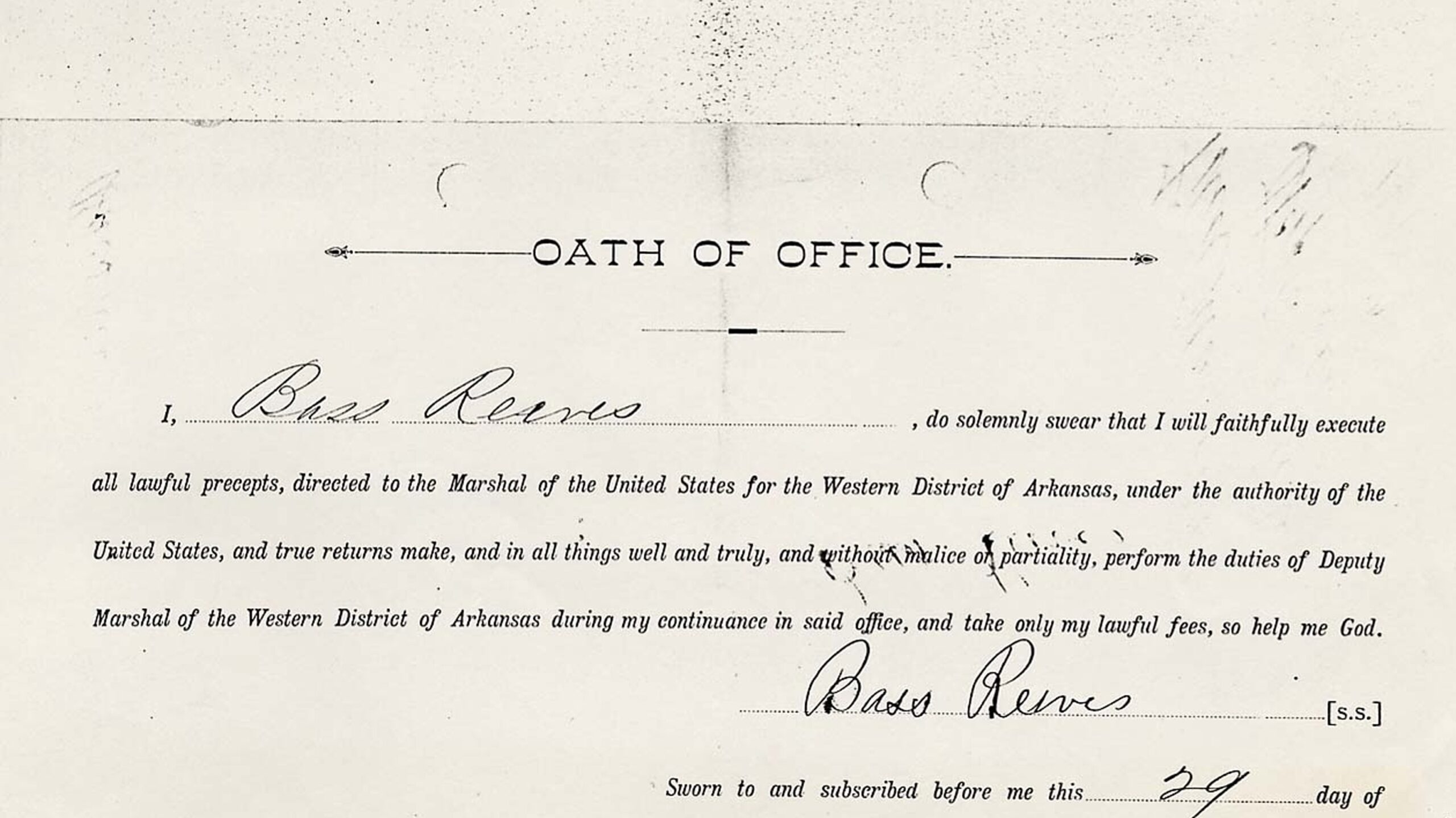
He could not read the warrants he carried. He memorized every one of them and never lost his place.
For Black readers today, his story redraws the map of the West. The frontier had Black heroes, and he stood tallest among them.
Major Takeaways
- Bass Reeves was born enslaved in Arkansas in July 1838 and fled to freedom in Indian Territory during the Civil War.
- In 1875 he became one of the first Black deputy United States marshals west of the Mississippi River.
- He arrested more than 3,000 people across 32 years of service and said he killed 14 men, always in self defense.
- He worked in disguise, shot with either hand, and memorized warrants because enslavement had denied him schooling.
- Arkansas placed his official portrait in its State Capitol in 2024, a first for an African American.
Bass Reeves Was Born Enslaved in Arkansas
Bass Reeves entered the world in Crawford County, Arkansas, in July 1838. The law counted him as property from his first breath.
His family was enslaved by the William S. Reeves household. In 1846 that household moved to Grayson County, Texas.
Young Bass grew up working land he would never own. He learned horses, cattle, weather and the open country instead.
Those hard lessons later became his greatest weapons. The boy denied books became a master of land and people.
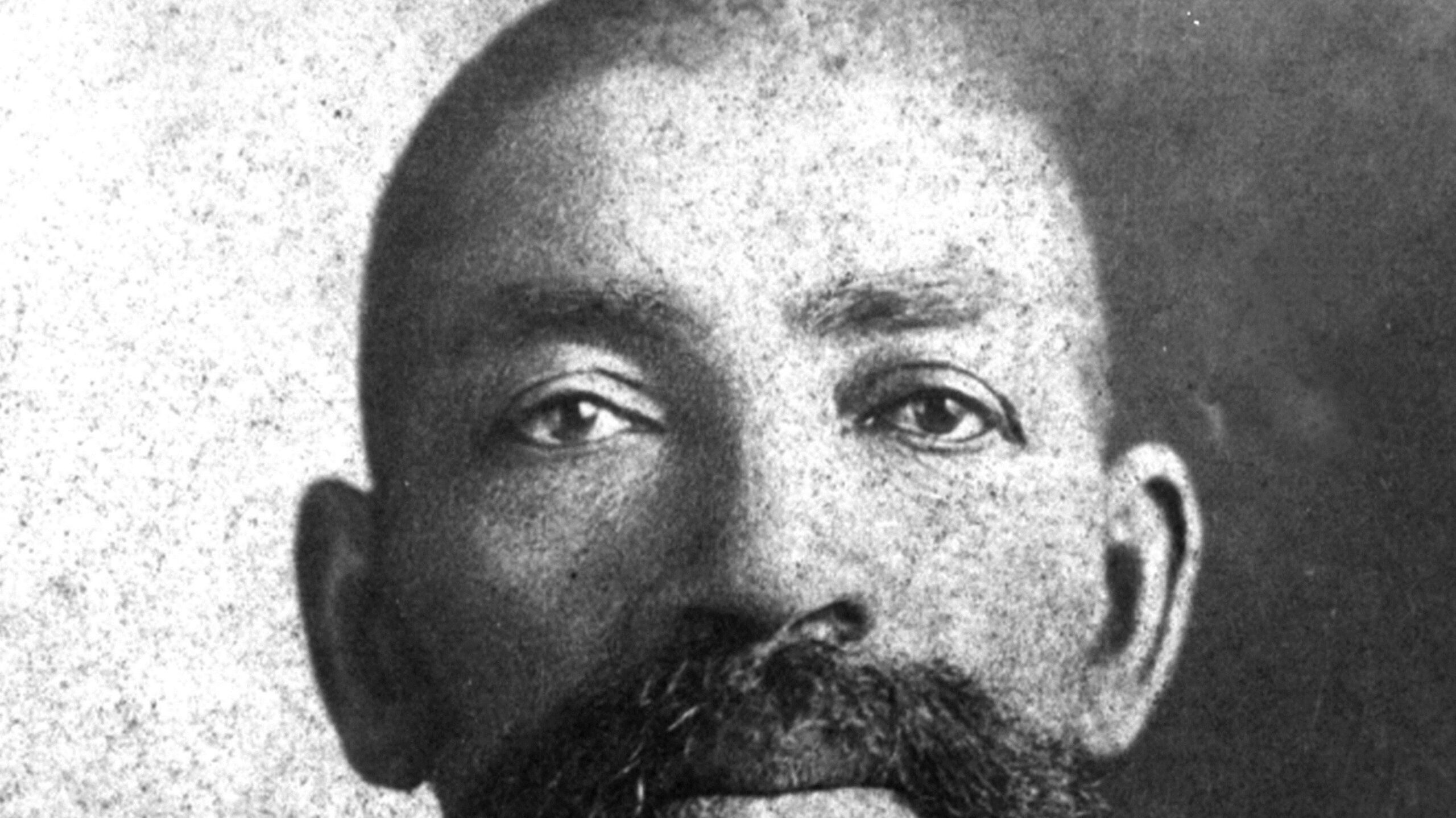
He also grew into a striking figure. He stood six foot two and weighed about 180 pounds in his prime.
War Opened a Door and He Ran Through It
The Civil War pulled his enslaver into Confederate service. Bass went with the household into that war.
At some point during the conflict, he broke away. He fled into Indian Territory, in what is now Oklahoma.
There he found refuge among the Creek and Seminole nations. He lived within their communities through the war years.
He learned tribal languages and customs firsthand. He also sharpened his tracking, riding and shooting to an elite level.
Historians believe he served with Union Indian forces in the territory. When slavery ended, he emerged a free man.
Freedom found him skilled, fearless and fluent in the land. Few men knew that vast territory better than he did.
A Free Man Builds a Life in Van Buren
After the war, Reeves settled near Van Buren, Arkansas. He farmed and raised stock with his wife, Jennie.
Oral history says he guided deputy marshals into Indian Territory. His knowledge of its trails made him valuable to the courts.
In 1875, Judge Isaac C. Parker took charge at Fort Smith. Parker had orders to bring law to a violent territory.
The Fort Smith court covered more than 75,000 square miles. It was the largest federal court district in the nation.
Parker authorized scores of new deputy marshals. Reeves was among the very first men hired that year.
At age 37, a man born enslaved pinned on a federal badge. He held authority to arrest people of every race.
The Most Feared Deputy in Indian Territory
More than 120 deputy marshals lost their lives in that territory. Reeves rode through all of it and was never wounded.
He shot accurately with his right hand or his left. Settlers said he could handle any two men in a fight.
He worked in disguise to draw out fugitives. He gathered quiet information, then struck when outlaws felt safest.
He once captured 19 horse thieves in a single sweep near Fort Sill. He brought fugitives back to Fort Smith by the dozen.
The outlaw Belle Starr learned that Reeves held her warrant. She chose to turn herself in at Fort Smith instead of running.
In 1890 he captured the Seminole outlaw Greenleaf. Greenleaf had evaded every lawman for eighteen years and murdered seven people.
Reeves told a newspaper in 1901 that he had arrested over 3,000 people. He said he killed 14 men, each time in self defense.
Newspapers at his death put that second number above twenty. His own count, told plainly in his own words, was fourteen.
He Memorized Every Warrant He Carried
Enslavement had left Reeves unable to read. He refused to let that fact limit the badge he carried.
Someone read each warrant and writ aloud to him. He committed every name and charge to memory before riding out.
Across 32 years of service, he reportedly never arrested the wrong person. Memory became his filing system and his shield.
In 1887 the law turned its eye on Reeves himself. He stood trial for the shooting of his trail cook.
The jury found him innocent of murder. He returned to the saddle and to the work that made his name.
In 1893 he transferred to the federal court at Paris, Texas. There he broke up the Tom Story gang of horse thieves.
In 1897 he moved to the federal court at Muskogee. His first wife, Jennie, had died the year before in Fort Smith.
Duty Asked Its Hardest Price at Home
In 1902, tragedy entered his own household. His son Bennie was charged with killing his wife in Muskogee.
Other deputies might have passed the warrant along. Reeves took that warrant himself and brought his own son in.
Bennie was convicted and sent to the federal prison at Leavenworth. He served eleven years before his release.
After his release, Bennie lived as a model citizen. The arrest that broke a father’s heart may have saved a son’s life.
Reeves had also arrested the minister who baptized him, for selling illegal liquor. No bond of blood or faith bent his duty.
He remarried in 1900, wedding Winnie Sumter of Muskogee. His family life and his legend grew side by side for decades.
The Badge Finally Comes Off in Muskogee
Oklahoma became a state in 1907, closing the old federal era. Reeves retired from the marshal service after 32 years.
He was the only deputy on record who started with the Parker court in 1875 and served until statehood. That span stands alone.
Muskogee hired him as a city policeman at age 67. Reportedly, not one crime was reported on his downtown beat.
Ill health ended his patrol work after about two years. He died on January 12, 1910, in Muskogee at age 71.
By then his name already belonged to legend. Yet for a century, schoolbooks and western films mostly left him out.
America Is Finally Learning His Name
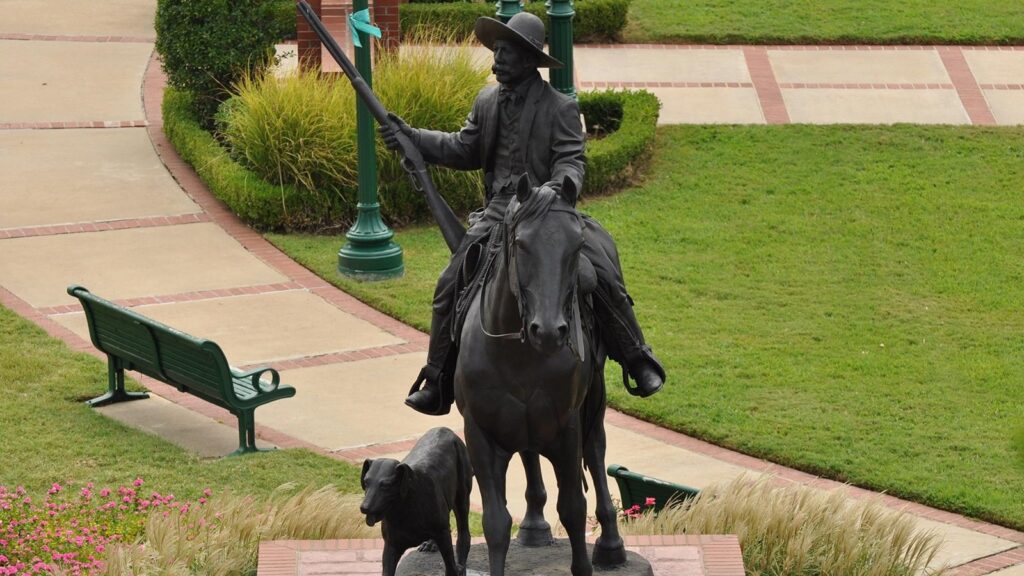
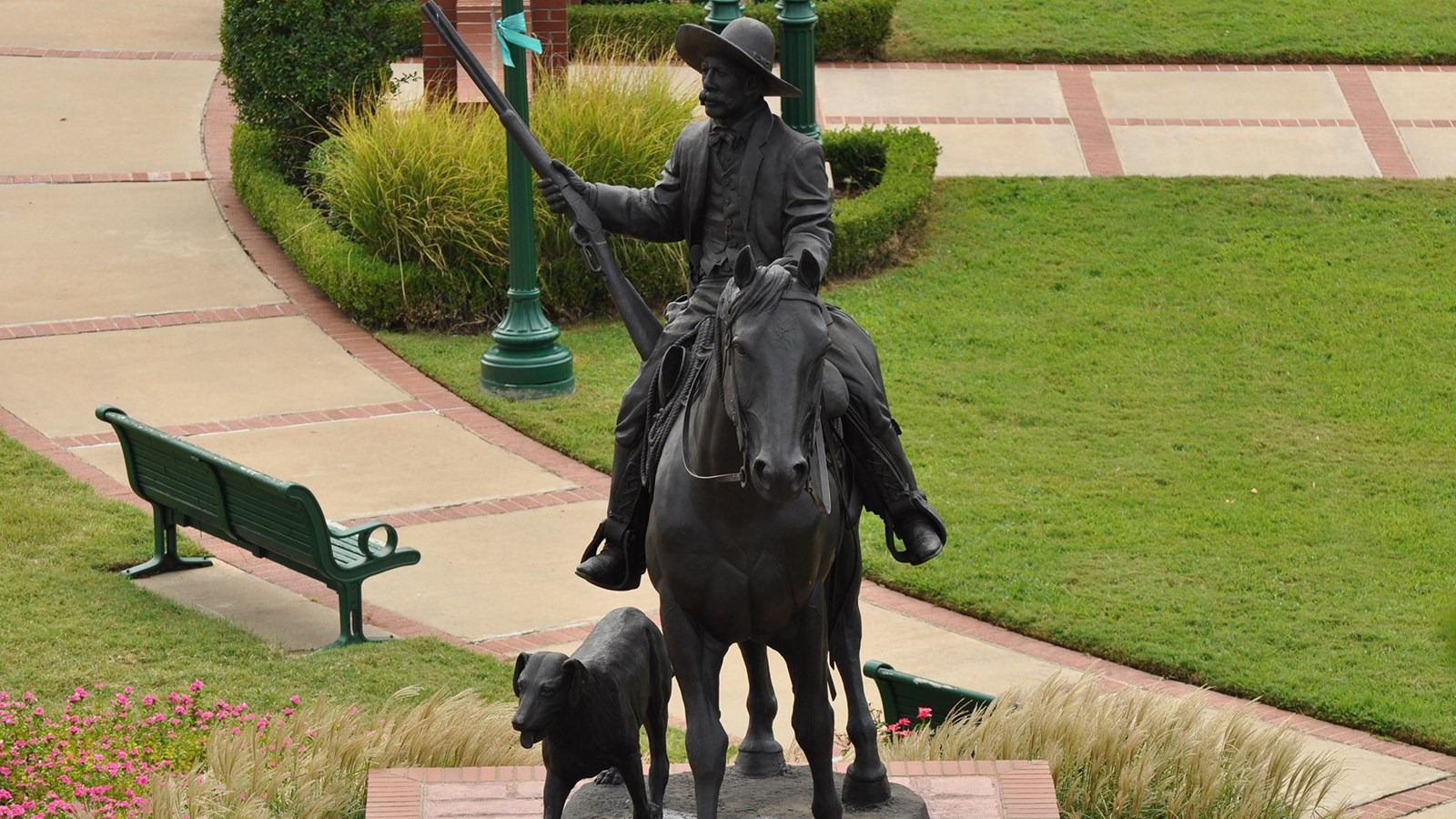
On May 26, 2012, Fort Smith dedicated a bronze statue of Reeves. It shows him on horseback, riding west into the territory.
Donations paid more than 300,000 dollars for that monument. It stands in Pendergraft Park, where travelers enter the city.
On December 18, 2024, Arkansas unveiled his official portrait at the State Capitol. He became the first African American so honored there.
A 2023 television series carried his name to a new generation. David Oyelowo played him in the title role to wide acclaim.
His story keeps company with other giants in this series. Read about Madam C. J. Walker and the empire she built for Black women.
Then meet Matthew Henson, the explorer written out of his own triumph. More Black history lives daily at Urban City Podcast.
Bass Reeves proves the West was never one color. Black hands helped build it, guard it and bring law to it.
He stole his own freedom, then spent 32 years protecting the freedom of others. That is a legacy worth riding with.