6 min read
Major Takeaways
A federal lawsuit says Maryland underfunded the University of Maryland Eastern Shore by six billion dollars since 1890.
Students describe mold, flooding and a gymnasium closed after a mercury finding.
A federal review found a 321 million dollar gap for the campus in just three decades.
The governor says the state has invested record funding in the school.
A second group is pressing lawmakers to put the 321 million dollars in this year’s state budget.
The UMES lawsuit now before a federal court in Maryland carries a price tag that is hard to ignore.
The claim reaches six billion dollars.
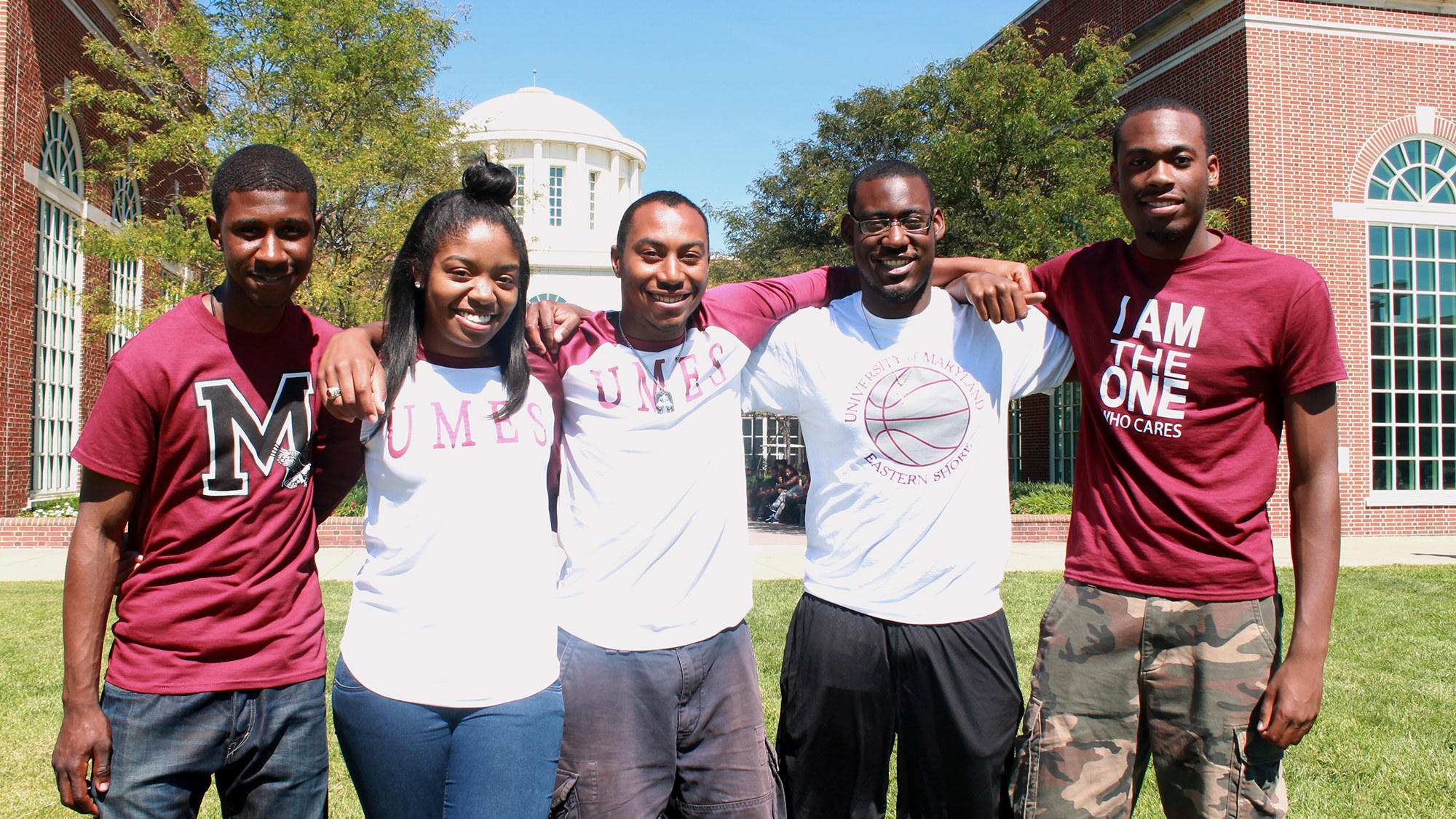
Students and alumni of the University of Maryland Eastern Shore say the state shorted their school for 136 years.
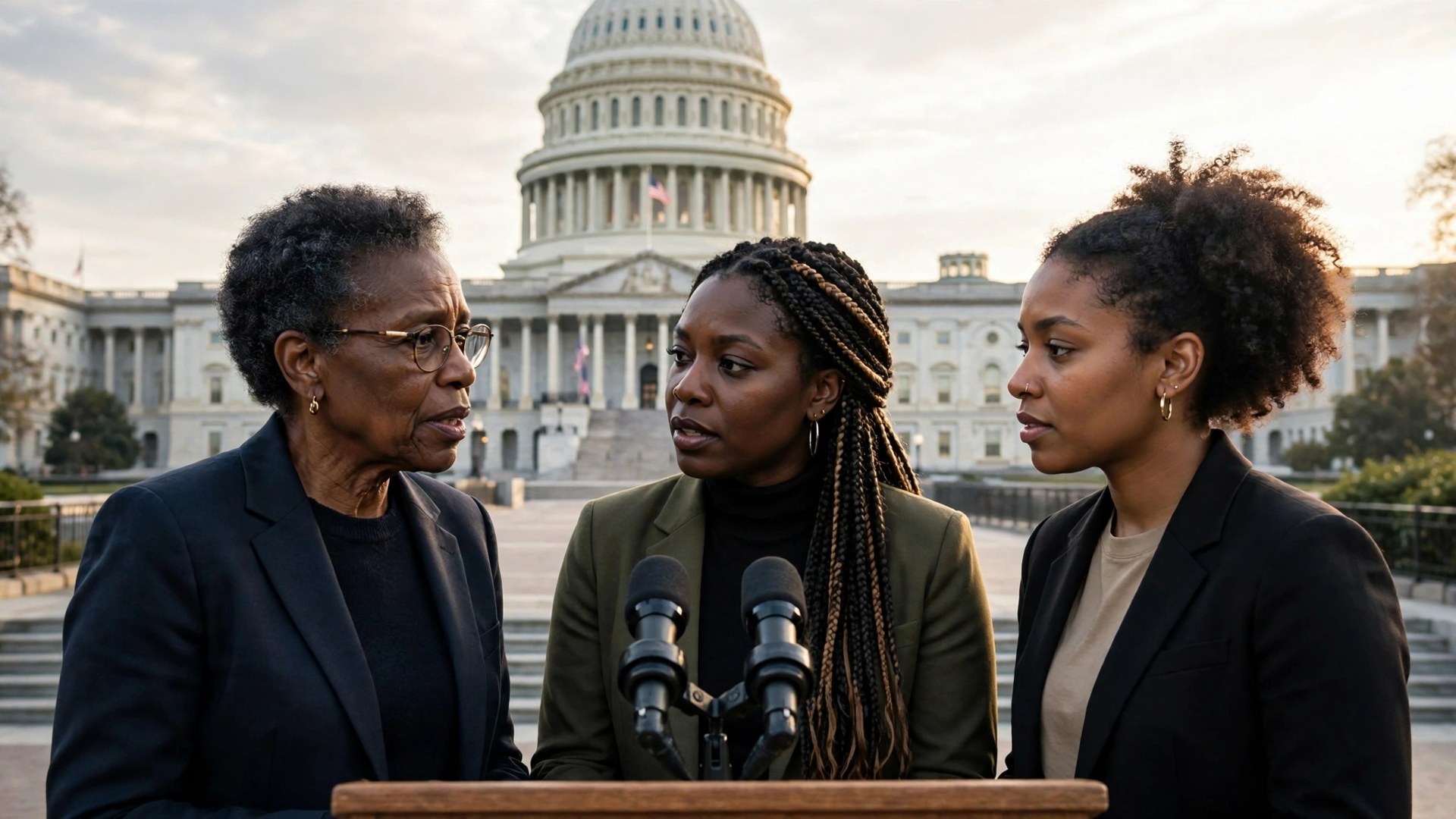
They laid out the case at a news conference in Baltimore on Tuesday morning.
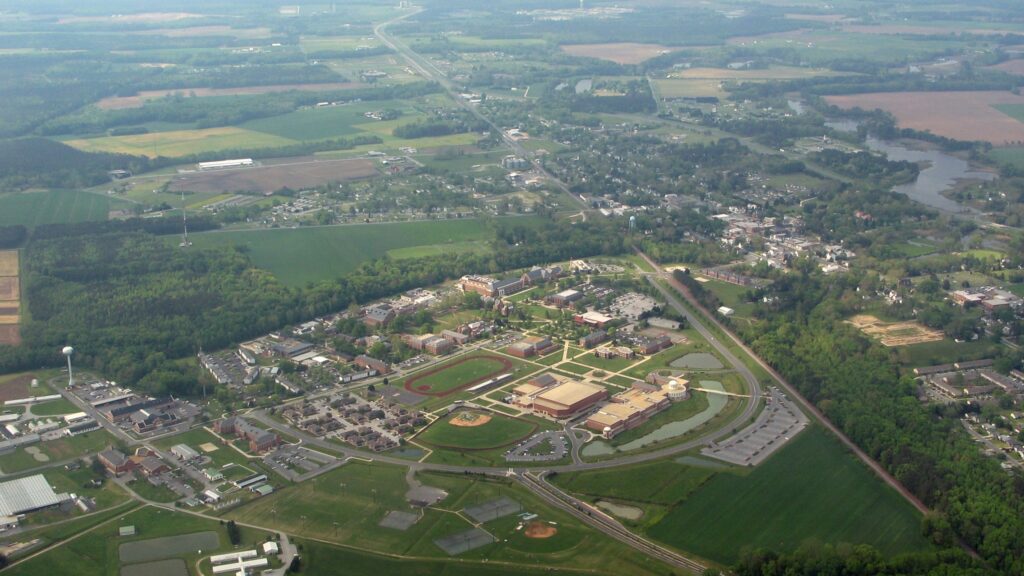
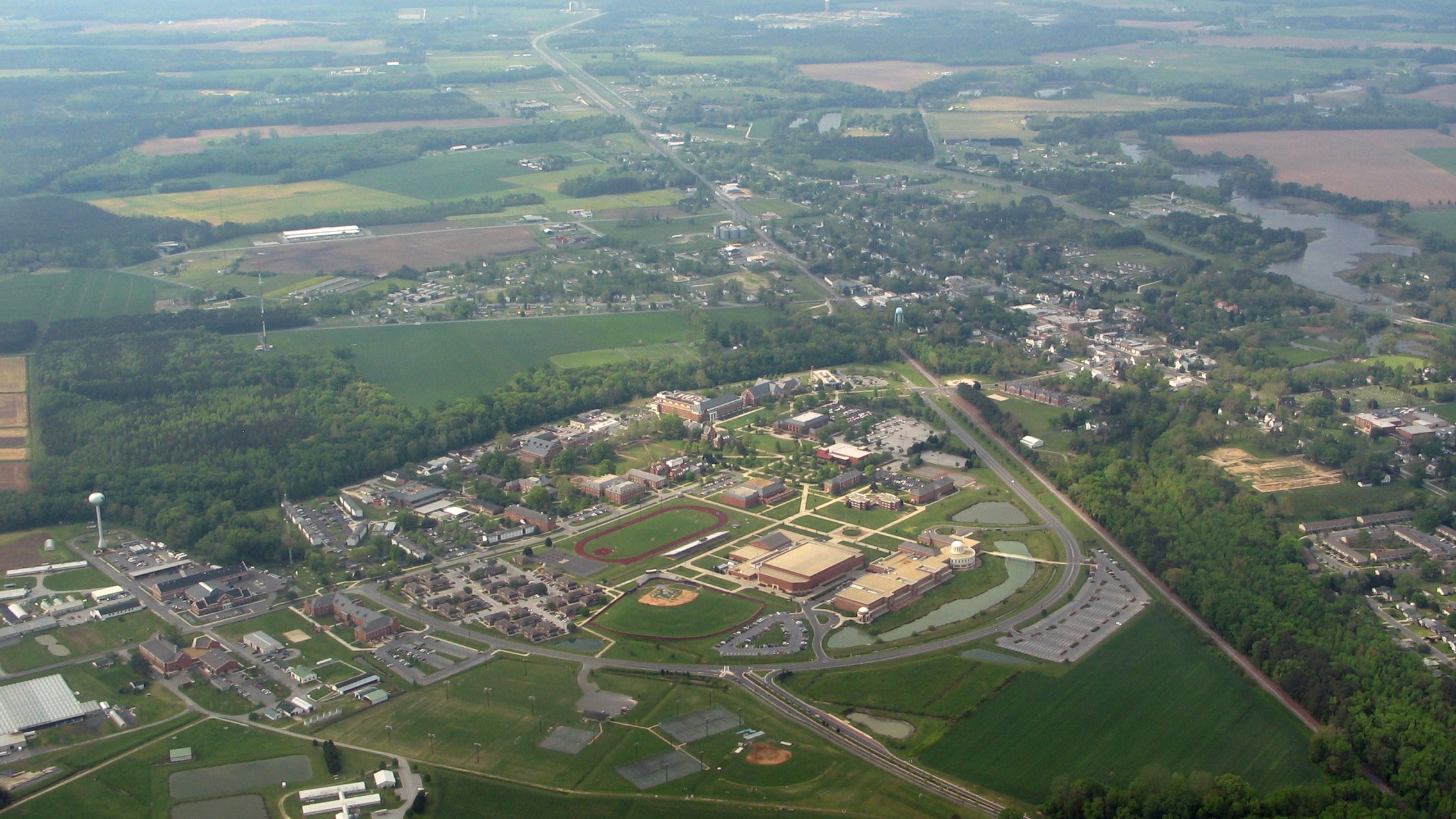
The school in Princess Anne is the only historically Black land grant university in Maryland.
For Black Marylanders, this fight is about far more than one campus budget.
It is about whether a promise made in 1890 will ever be kept in full.
A Lawsuit Rooted in 1890
The plaintiffs are students Chad Lance and Andre Cooper.
They filed alongside ForUMES, a nonprofit group of students, alumni, faculty and prospective students.
The amended complaint was filed on October 26 in the United States District Court in Maryland.
Defendants include Governor Wes Moore and University System of Maryland Chancellor Jay Perman.
Officials with the Maryland Higher Education Commission are also named in the suit.
The university itself is not a plaintiff in the case.
The school traces its roots to 1886, when it opened as the Delaware Conference Academy.
It became a land grant institution in 1890 under the Second Morrill Act.
That law required states with whites only land grant schools to create colleges for Black students.
College Park became a land grant school under the 1862 act and barred Black students for decades.
The complaint calls the Eastern Shore campus the woefully underfunded stepchild of the state university system.
“Maryland deliberately underfunded UMES. This lawsuit aims to right this horrible wrong,” the complaint states.
The suit also asks the court to pull the campus out of the state system.
In its place, the plaintiffs want a governing board of its own for the school.

The Numbers Behind the UMES Lawsuit
Attorneys at Murphy, Falcon & Murphy and the Peter Angelos law firm represent the plaintiffs.
Senior counsel Billy Murphy said the team spent hundreds of hours reviewing public budgets from both campuses.
Their math reaches back to 1890 and lands at six billion dollars in alleged underfunding.
A 2023 federal review told a smaller but still staggering version of the same story.
Education and Agriculture officials found the campus was underfunded by about 321 million dollars between 1987 and 2020.
The same review found a gap of about 12.6 billion dollars across states with Black land grant schools.
The law also requires states to match federal research and extension funds dollar for dollar.
Lawyers say College Park received its match from the state treasury year after year.
The Eastern Shore campus, they say, had to pay its own match from its operating budget.
Money meant for classrooms and laboratories went to cover a bill the state paid for the other campus.



Students Describe a Campus Wearing Down
At the Tuesday news conference, prerecorded student clips described mold inside campus buildings.
Students said facilities flood often and fall behind on basic repairs.
One student said the gymnasium closed recently after it tested positive for mercury.
System records put deferred maintenance on the campus at almost 82 million dollars.
The university educated about 3,400 undergraduate and graduate students last year.
Undergraduate enrollment has climbed 48 percent since 2021, rising from 1,811 to 2,695 students.
Yet degrees awarded fell 27 percent over that span, from 384 in 2021 to 280 last year.
Supporters say those two lines tell the story of a school asked to do more with less.
The State Points to Record Investment
The governor’s office said it cannot comment on active litigation.
Spokesperson Rhyan Lake said the governor’s dedication to the school is unwavering.
She said the administration has invested record funding for the school as an 1890 land grant university.
Maryland settled a fifteen year HBCU funding case in 2021 for 577 million dollars.
That deal spread money across Morgan State, Coppin State, Bowie State and the Eastern Shore campus over ten years.
The campus has received about nine million dollars a year in added funding since 2023 under that law.
Don Calloway of the 1890 Project credited Moore for raising the state match.
The match rose to 4.85 million dollars in fiscal 2025 and 5.1 million dollars in fiscal 2026.
The campus is also building the first veterinary school at a public HBCU in the nation.
The system board approved nearly 15 million dollars in April toward that project, set to open in June 2027.
University spokesman Robert Vickers said the school appreciates efforts to address systemic underfunding of public HBCUs.
Murphy aimed his words at the governor directly.
“The governor inherited this problem, he didn’t create it,” Murphy said. “But it’s up to him, because he has the power to correct it.”
A Second Push and a National Pattern
A separate group called the 1890 Project is working the same ground with a different strategy.
Calloway, a cofounder of the group, says the state owes the campus 321 million dollars.
His group wants that money placed in this year’s state budget as an appropriation.
The group sued over Lincoln University in Missouri last month and says Maryland is next on its list.
Maryland faces a projected shortfall of 2.3 billion dollars starting in July 2027.
That deficit will make any quick payout a hard sell in Annapolis.
Tennessee offers the clearest precedent for what persistence can win.
Federal math said Tennessee State University was owed 2.1 billion dollars by its state.
Its former president Glenda Glover secured 544 million dollars and a new funding structure.
“If you’re silent when you know there’s injustice going on, then you’re complicit in betraying the legacy of HBCUs,” Glover said.
What This Fight Means Beyond Princess Anne
The case now moves through federal court, where the state will answer the complaint.
Whatever the court decides, the argument has already changed the conversation in the state capital.
The Eastern Shore campus anchors its region as an employer, a research hub and a path upward for Black families.
Its students keep arriving in growing numbers even as the buildings age around them.
The fight over what Black institutions are owed is not new, as our Maggie Lena Walker banking story shows.
Follow the case and the rest of the day’s coverage in our News section and on the Urban City Podcast homepage.
The plaintiffs say 136 years is long enough to wait for equal treatment.
The next move belongs to the court, and to a governor who says his commitment is unwavering.