7 min read
Black representation in the House is headed down next year. A blue wave just kept the fall from turning into a rout.
The incoming Congress will include 60 Black House members, counting nonvoting members. The current House has 63.
That drop of three seats sounds small on paper. It sits one seat away from a much darker mark.
A loss of four seats would match the record set after the election of 1876. That vote closed the Reconstruction era.
The slide comes after a Supreme Court ruling this year weakened the Voting Rights Act. The decision in Louisiana v. Callais cut protections against racial discrimination in political mapmaking.
Fears of a record drop spread through Black political circles all year. The midterm wave pushed back against those fears, at least for now.
Major Takeaways
Black House representation falls from 63 seats to 60 in the incoming Congress, even after a strong Democratic wave.
Shomari Figures won reelection in Alabama on a redrawn map that a lower court had called tainted by intentional discrimination.
Black senators will reach a record high of seven, led by Scott Colom in Mississippi and Juliana Stratton in Illinois.
Advocates warn the deeper damage from new maps may land in 2028, 2030, and the census count that follows.
Black House Representation Falls Despite the Wave
The usual churn of politics explains part of the decline. Some members retired, and others ran for higher office.
Maps drawn in the middle of the decade did the rest. New lines in Texas and Florida undid some districts that Black voters had built.
An early tally from the Joint Center for Political and Economic Studies told the same story in voting seats. It counted 58 voting Black House members ahead, down from 60 at the start of this Congress.
That tally counted eight seats moving to members who are not Black. Black candidates also won six new seats in the same cycle.
One Louisiana seat still waits on a runoff set for Dec. 12. Cleo Fields held that seat and chose not to run again.
Fields stepped aside after the Callais ruling struck down the Black opportunity district he represents. His choice showed how fast a court ruling can empty a seat.
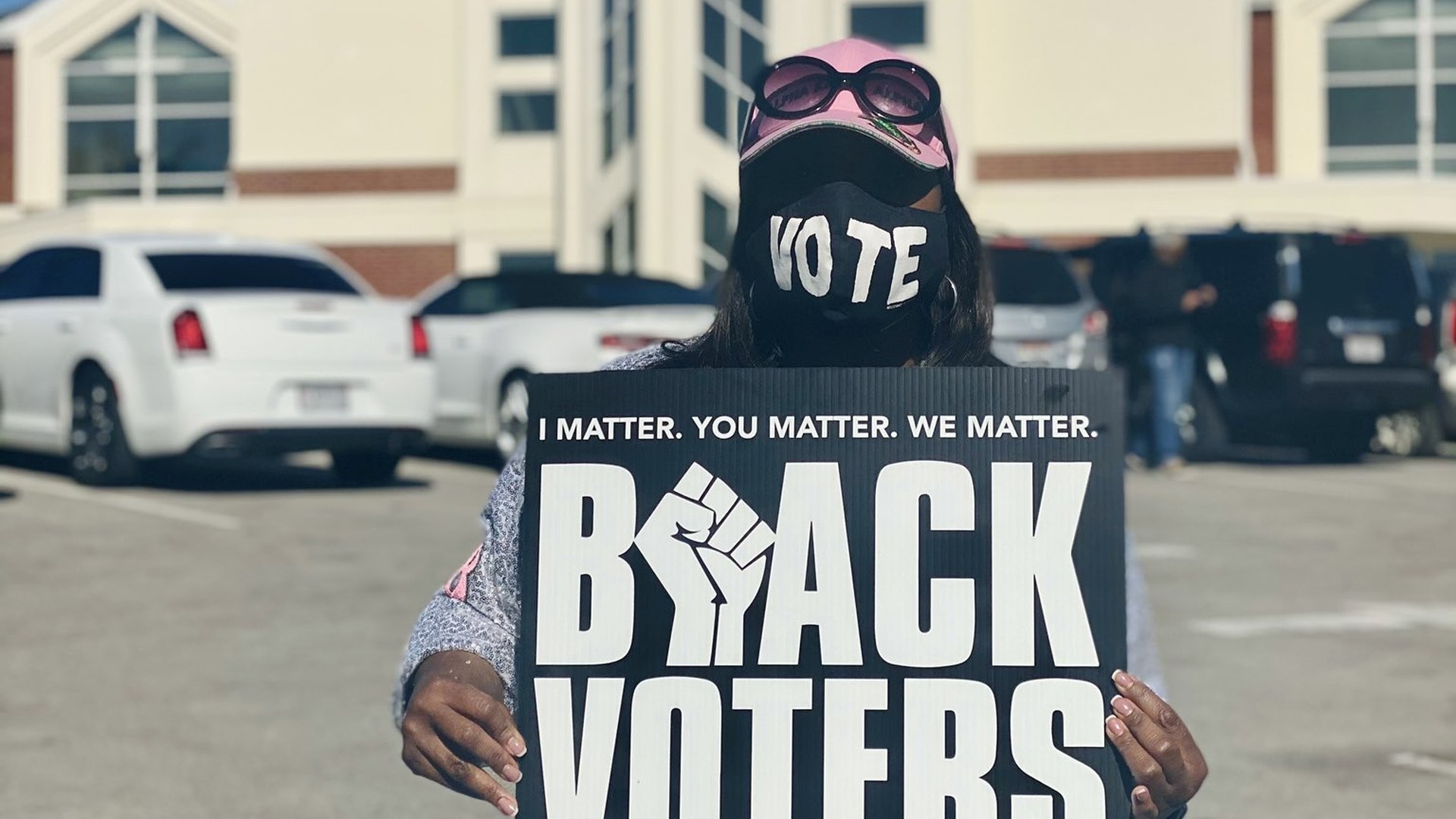
Nearly nine in ten Black voters backed Democratic House candidates across the country. That loyalty built the wave that saved other seats.
Shomari Figures Shows What Turnout Can Still Do
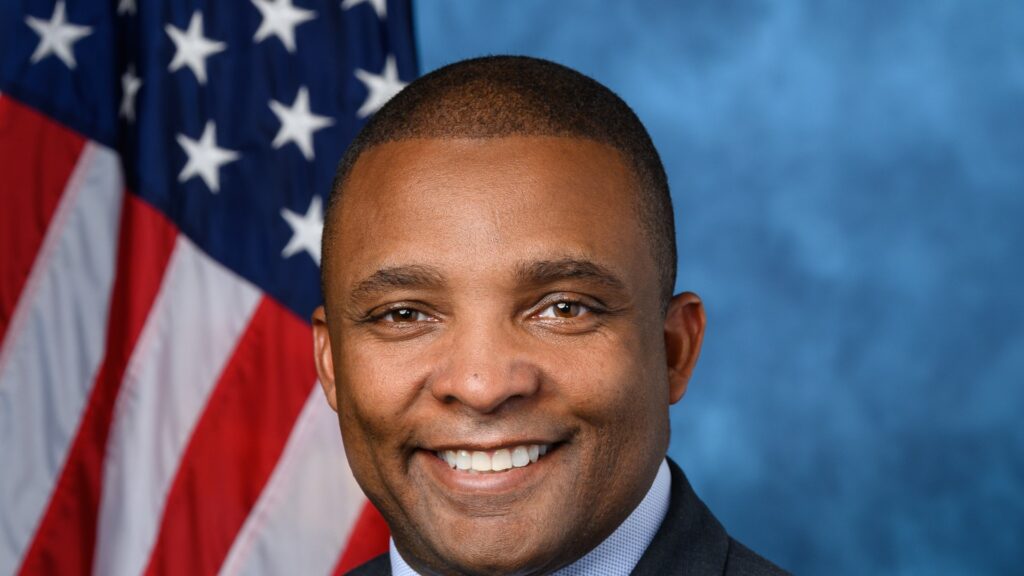
No race carried the point harder than the Second District of Alabama. Shomari Figures won reelection there against the odds and against the map.
Figures joined Congress after the election of 2024. He was the first Black representative the district had ever sent to Washington.
A lower court had ordered the district drawn with a Black population large enough to give Black voters a real chance. The court wanted their preferred candidate to have a fair shot.
Then the Supreme Court let the Republican controlled legislature of Alabama redraw the district anyway. The new lines made the seat far more friendly to Republicans.
A lower court had already found those lines tainted by intentional discrimination based on race. The court said the lines would give candidates preferred by Black voters zero chance of winning.
Figures won anyway, beating Republican Rhett Marques by roughly eight points. Turnout did what the map tried to undo.
Cliff Albright, one of the founders and the executive director of Black Voters Matter, put the scale plainly. He said it took a remarkable level of turnout for Figures to be able to win.
Albright gave the wave its own name in the South. He called it a Black wave, driven by attacks on voting rights and by gerrymandering.
North Carolina told a twin story a state away. Republicans redrew the district of Don Davis, one of three Black representatives from the state, and Davis defended his seat.
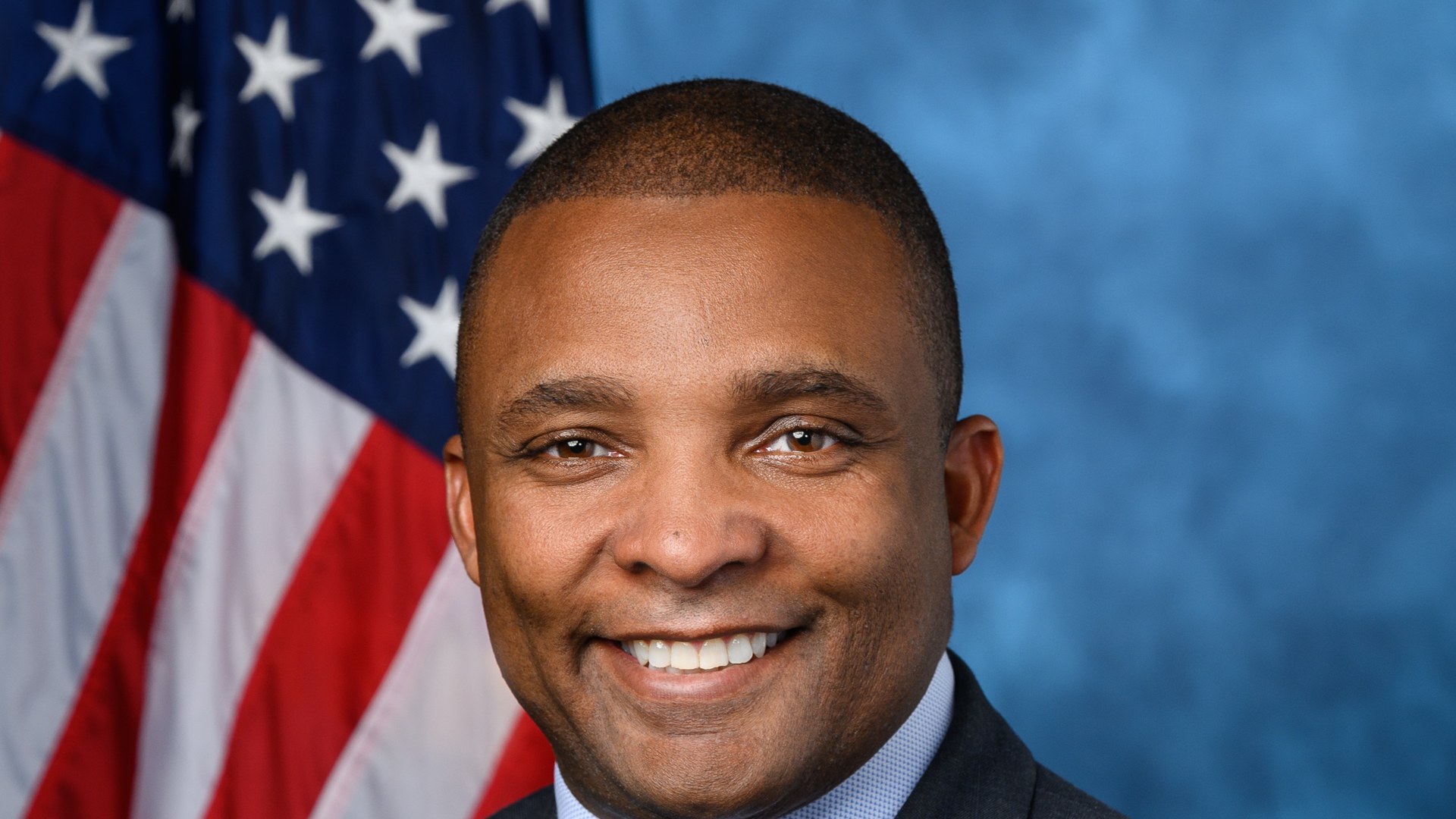
New faces added seats back in other states. Cyril Jefferson and LaKesha Womack flipped districts that white Republicans had long represented.
Melat Kiros in Colorado and Donavan McKinney in Michigan added to the tally as well. Their wins showed the map fight cuts in more than one direction.
Georgia lowered its own threat from inside state politics. Democrats broke the Republican hold on every lever of state power there.
Outgoing Governor Brian Kemp said he will not call a special session on redistricting. He hands the office in January to incoming Governor Keisha Lance Bottoms, the first Black woman elected governor in the nation.
That handoff matters for maps as much as for ceremony. A governor who can veto a redrawn map changes every calculation in the statehouse.
The Senate Moves the Other Way
Senators face voters across whole states, so district lines cannot touch them. On that side of Capitol Hill, Black representation is rising fast.
The new Congress will seat a record seven Black senators. The old mark falls by a wide and historic margin.
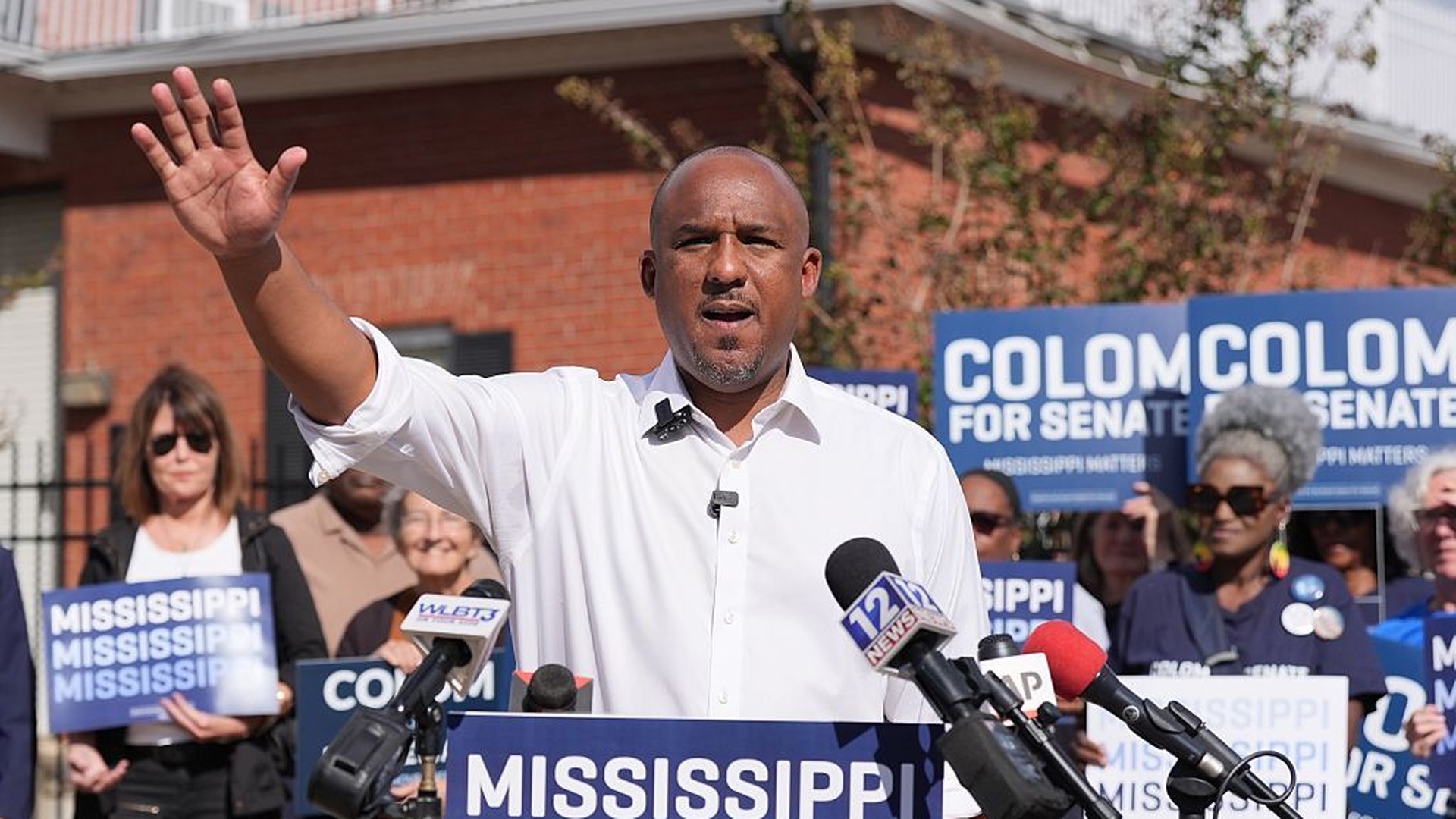
Juliana Stratton of Illinois joins that group as a new voice in the chamber. Scott Colom joins her with a win that rewrote Mississippi history.
Colom will become the first Black senator from Mississippi since Reconstruction. His win also anchors our coverage of Black women who powered historic wins across the South this cycle.
Power matters as much as raw numbers in the House fight. Troy Carter stands ready to lead the Congressional Black Caucus into this new Congress.
A caucus in the majority sets agendas and chairs committees. A caucus in the minority can mostly protest and wait.
That split explains why this moment feels like both a win and a warning. Black power in Congress is growing louder while its House count quietly shrinks.
The Real Fight Arrives With the Next Maps
Albright warns that this year may prove hard to repeat. A wave year brings friendly conditions that a normal year will not.
He asks what happens when the same level of white support fades. Black voters, he argues, cannot keep outrunning maps that carve up their strength forever.
Kareem Crayton of the Brennan Center urges caution about talk of a generational shift. He recalls the hope of 2009 after the election of Barack Obama.
Two years later, he notes, returns wiped out many of those gains. Rights, he argues, should be protected for the worst conditions and not the rosiest ones.
Dedrick Asante Muhammad of the Joint Center points to the calendar ahead. The greatest reaction to Callais, he says, will land in 2028, 2030, and onward.
The Callais ruling arrived too late for many states to redraw maps before these midterms. That delay spared seats this year and endangers more seats next time.
Janai Nelson of the Legal Defense Fund widens the lens further. The ruling will reach state legislatures, city councils, and school boards as new maps get drawn.
Voting rights advocates and redistricting experts share that broad warning. The redrawing of lines in coming years, including after the census of 2030, keeps threatening Black representation.
So the count to watch is not only 60 seats in January. The count to watch is how many districts still give Black voters a fair chance when the next maps land.
Black voters built this wave with turnout that beat the maps once. The work ahead is making sure they never have to beat the maps just to be counted at all.
Follow the politics that shape Black life every day at Urban City Podcast.