

What falling oil prices really mean for gas prices, how long the relief could last, and why this moment may not stick
Urban City Podcast Digital News Desk• 6 min readMajor Takeaways
- Oil prices fell quickly because market fear declined, not because supply surged
- Gas prices will follow, but with delays due to inventory and distribution
- The current relief is temporary and depends on ongoing geopolitical stability
Oil prices are falling fast. Headlines are calling it relief. Drivers are hoping it means cheaper gas. But before anybody celebrates, it is worth asking a simple question. Is this a real shift or just a temporary break in a very unstable situation? The answer sits thousands of miles away in one narrow stretch of water that most people will never see, yet it quietly controls a major piece of the global economy.
The reopening of the Strait of Hormuz triggered a sharp drop in oil prices almost immediately. This is not just another trade route you glance over on a map. It is one of the most important energy corridors in the world. Roughly 20 to 30 percent of global oil supply moves through this narrow passage every single day. When access was restricted, even temporarily, markets reacted the only way they know how. They panicked. Prices surged above 120 dollars per barrel because traders were not waiting for a shortage to happen. They were pricing in the possibility of one.
Once shipping resumed, that fear disappeared just as fast as it arrived. Prices dropped below 90 dollars per barrel in a short window. That kind of swing might look dramatic, but it tells a very simple story. This was never about oil vanishing overnight. It was about uncertainty. And once that uncertainty eased, the market corrected itself.
Oil markets do not wait for reality to catch up. They move ahead of it. During the disruption, the market priced in delays, supply interruptions, rising transportation costs, and even the risk of a wider conflict. Insurance premiums for tankers increased. Shipping slowed down. Companies hesitated. That hesitation alone was enough to push prices higher. When the route reopened, those pressures began to ease. That is why the drop felt immediate. The market was removing a risk premium that had been added just days before.
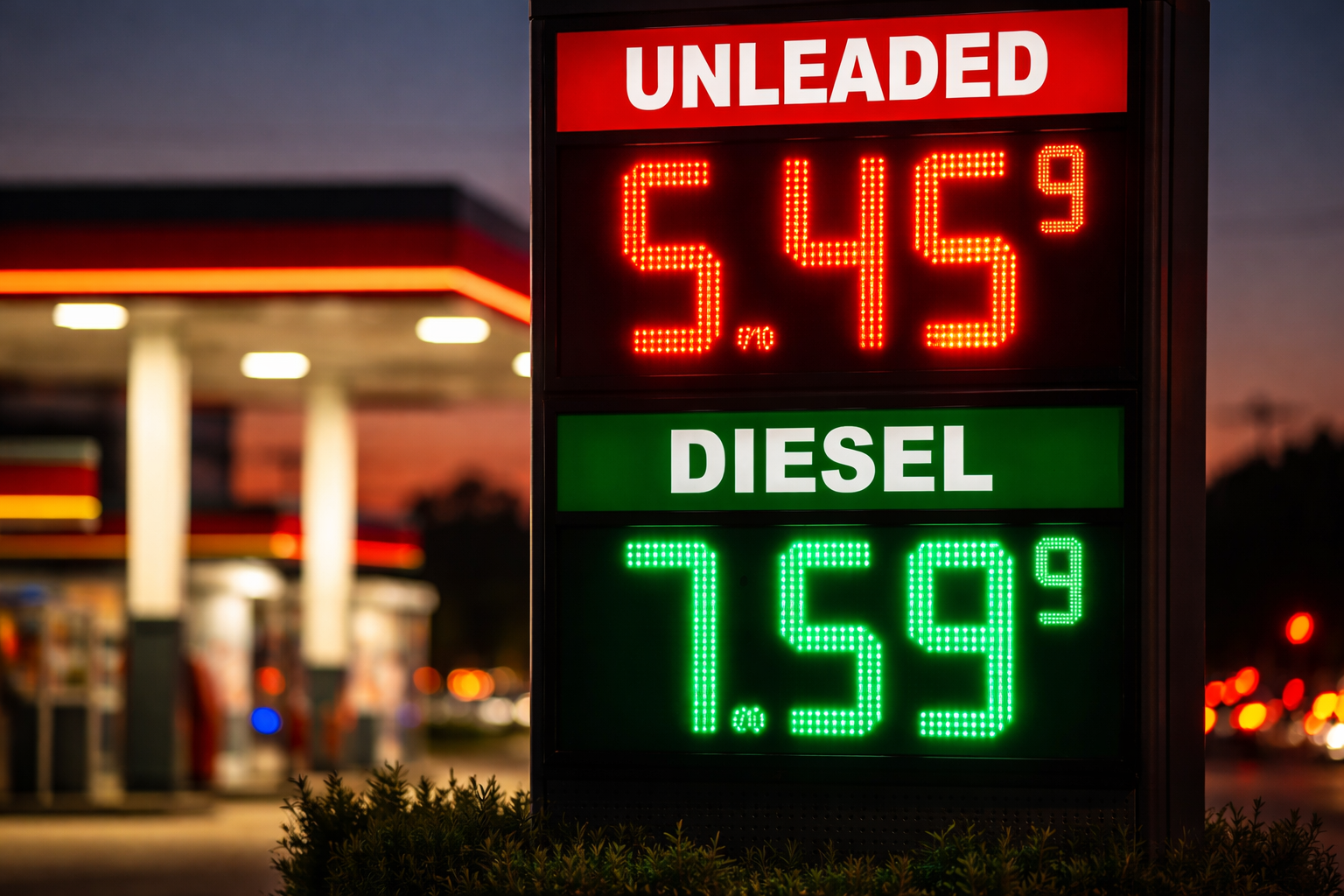
Now comes the part people actually feel in real life. Gas prices. And here is where expectations need to be realistic. Gas prices will drop, but they will not drop at the same speed as oil. That disconnect frustrates people every time, but it is not a trick. It is how the system works. Stations are still selling fuel that was purchased at higher prices. Refineries have their own timelines. Distribution takes time. Taxes stay the same regardless of what oil is doing on the global stage.
What does that mean for everyday drivers? You might see a few cents come off within days. It will not feel like much at first. Then over the next one to three weeks, those savings may become more noticeable. If everything remains stable, the full effect could take up to six weeks to really settle in. So yes, relief is coming, but it moves slower than the headlines that announce it.
Here is the part that people tend to overlook. This entire situation is built on a temporary ceasefire, not a permanent solution. Tensions in the region have not been resolved. They have simply cooled off for the moment. Shipping companies are still cautious. Military presence has not disappeared. And the global oil market is watching every move closely.
That means this price drop is not guaranteed to last. It could hold for weeks. It could stretch for months if stability continues. But it could also reverse quickly if tensions rise again. The same factors that caused prices to spike before have not gone anywhere. They are just not active right now.
There is also the question of whether prices will continue to fall. The answer is maybe, but within limits. If supply continues to flow smoothly and confidence grows, prices could edge down further. However, global demand for oil remains strong. Inventories are not overflowing. And not all supply disruptions have been fully resolved. That creates a floor that prevents prices from dropping too far too fast.
On the other side of that coin is the very real possibility of prices rising again. Oil markets have a long history of reacting quickly to geopolitical tension. If the ceasefire breaks down or if access to the Strait is restricted again, prices could climb just as fast as they fell. It would not take much to push oil back above 100 dollars per barrel. That is not speculation. That is pattern recognition based on how this market has behaved for decades.
All of this points to a bigger reality. What we are seeing is not a long term correction. It is a short term reaction to a moment of reduced risk. Oil prices dropped because uncertainty dropped. That is the core of it. Nothing more, nothing less.
For consumers, this creates a temporary window where gas prices may ease and budgets may get a little breathing room. For businesses, it offers a short term shift in operating costs. But for the global market, it is just another reminder of how sensitive energy prices are to geopolitical events that can change overnight.
And if there is one thing to take away from all of this, it is this. The story is not the drop itself. The real story is how quickly everything could flip again.