5 min read
The NAACP went to federal court on Friday to stop the Justice Department from sending about 1,000 poll monitors into voting sites across all 50 states.
The lawsuit argues the plan could intimidate eligible voters and harass election workers during the midterm elections.
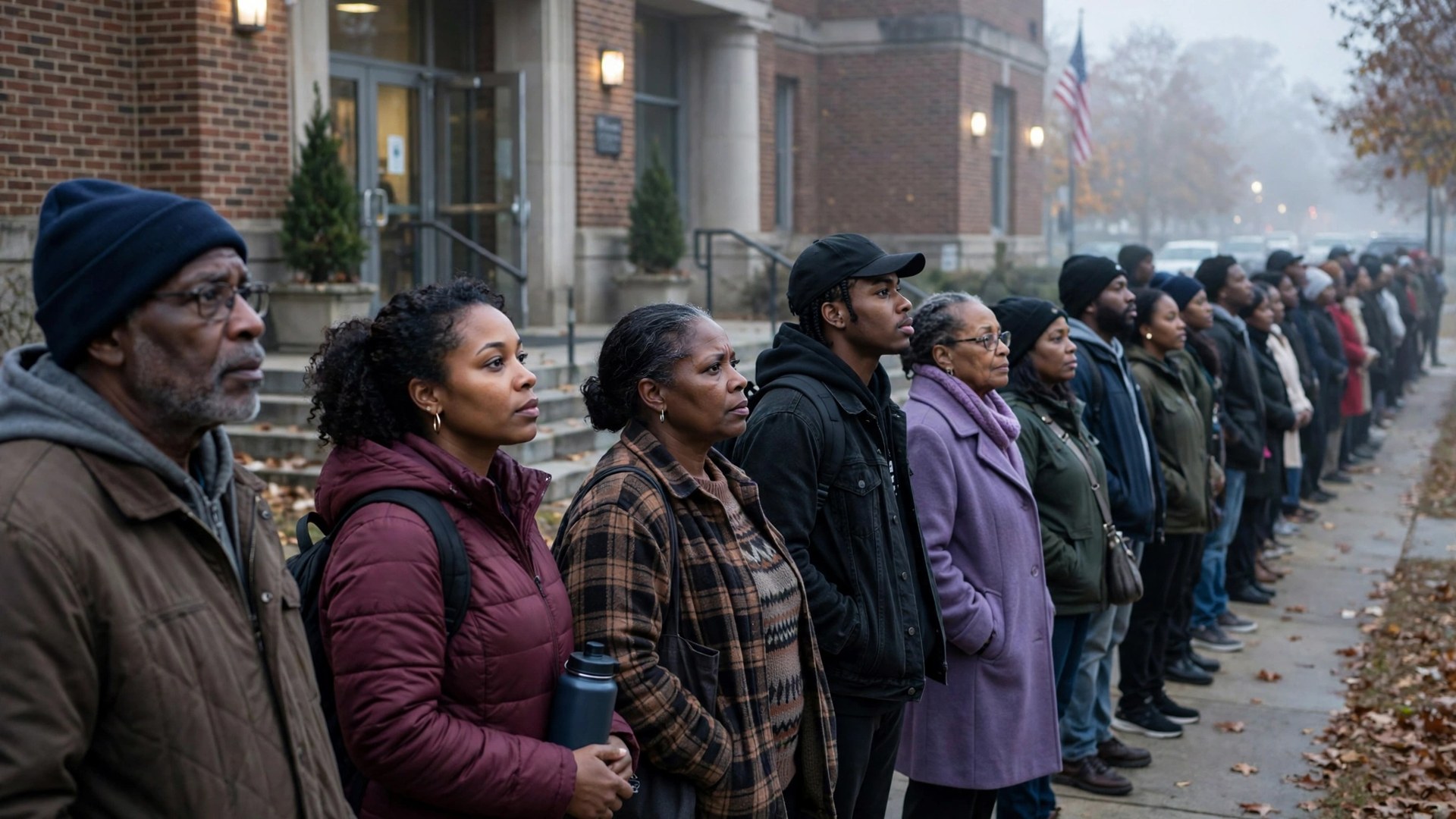
For Black voters, the case is about far more than staffing at polling places. It is about who gets to cast a ballot free from fear.
Major Takeaways
- The NAACP filed suit Friday in federal court in Washington to block the deployment of about 1,000 federal poll monitors.
- The complaint says criminal prosecutors and FBI agents have no place serving as election monitors at polling sites.
- The case rests on Section 11(b) of the Voting Rights Act, which bars intimidation of voters and of people helping others vote.
- The Justice Department disputes the intimidation claim and says its mission protects ballot security and compliance with federal law.
A Lawsuit Filed With Election Day Weeks Away
The complaint was filed in the United States District Court for the District of Columbia on October 16.
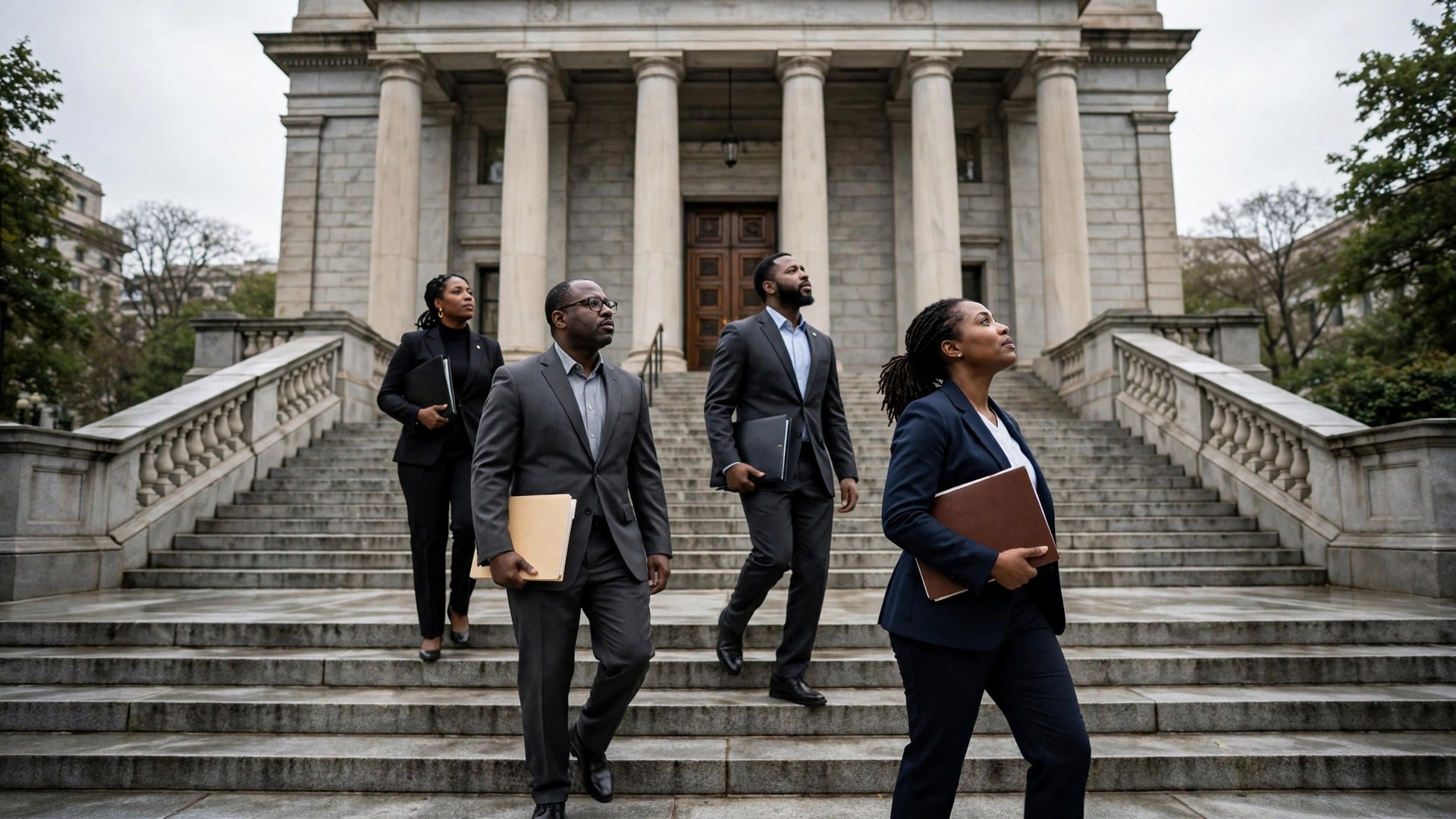
The plaintiffs are the NAACP and three of its members. The Advancement Project is serving as legal counsel in the challenge.
The defendants are the Department of Justice, Attorney General Todd Blanche and Assistant Attorney General Harmeet Dhillon.
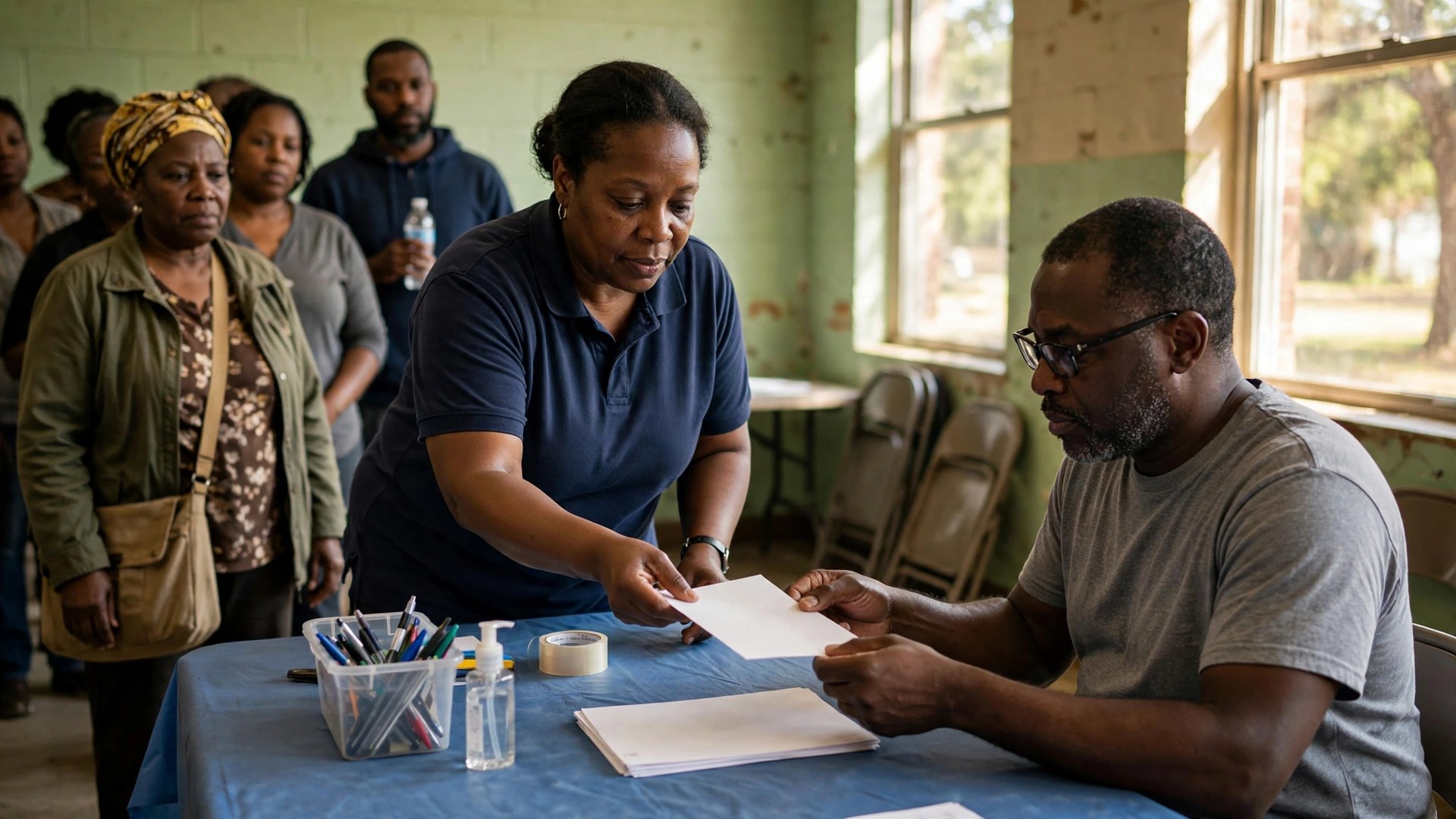
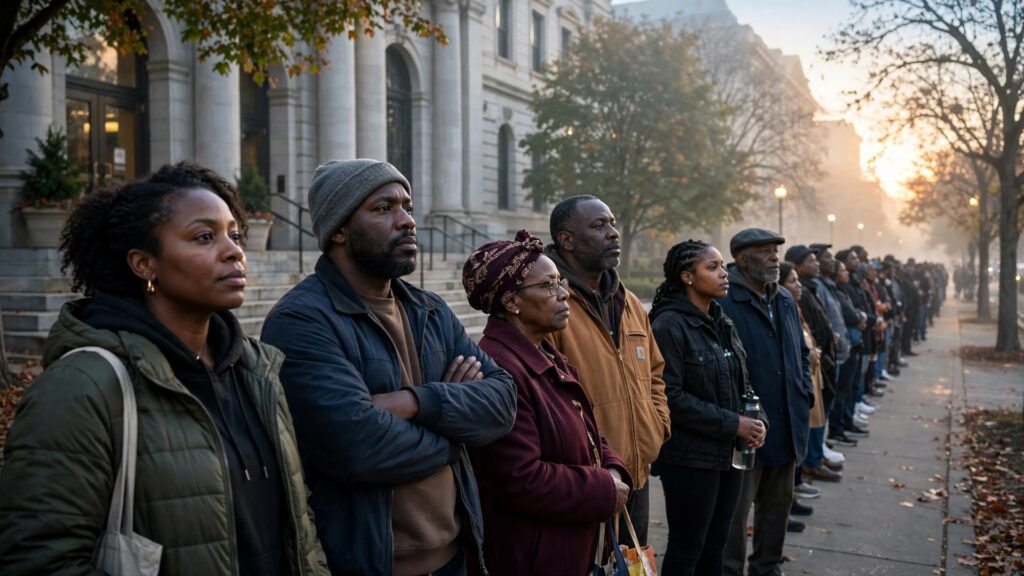
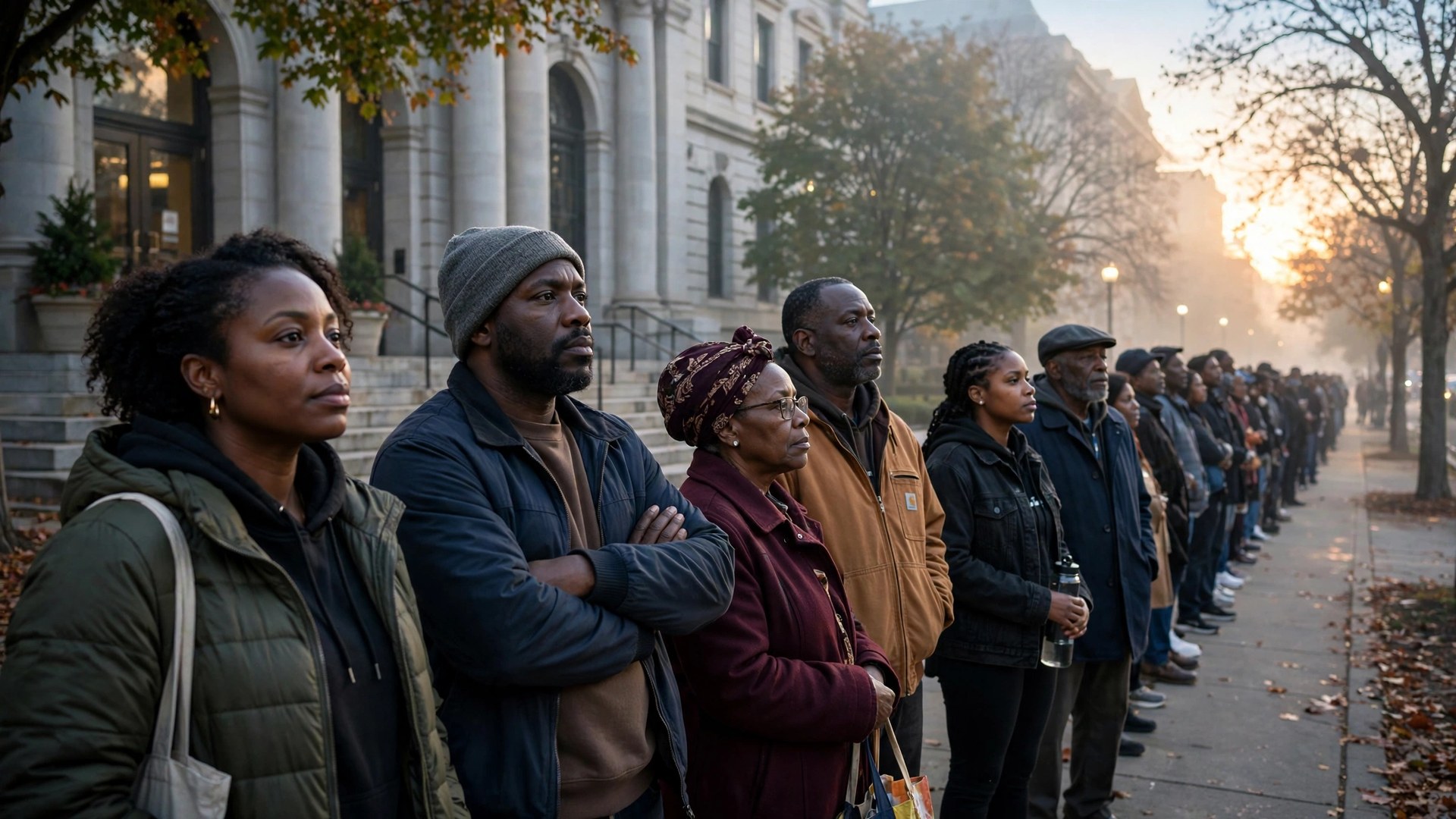
Election Day is November 3. Early voting is already underway in states across the country, and lines are already forming.
The timing leaves a federal judge little room to wait. A ruling will shape what voters see when they walk into polling places this fall.
What the Complaint Says About Poll Monitors
Federal election monitoring is not new. For decades, the Justice Department sent civil rights attorneys and trained staff to observe polling locations.
Those efforts generally involved coordination with local election officials and advance public notice to the public.
The goal was compliance with federal voting laws. Monitors watched to make sure citizens could cast ballots without obstruction.
The NAACP argues this year is different. The complaint says the department has added criminal law enforcement personnel and expanded the reach of the program.
The suit asks the court to prohibit criminal prosecutors and law enforcement agents from serving as election monitors.
It also asks the court to restrict activities that could intimidate voters and to require greater transparency around monitoring operations.
The organization wants a complete list of the specific jurisdictions targeted for monitoring before deployment begins.
One line in the complaint states the core claim plainly. There is no federal statute that gives defendants the authority to turn polling places into interrogation rooms.
Why Black Voters Hear an Old Warning in This Plan
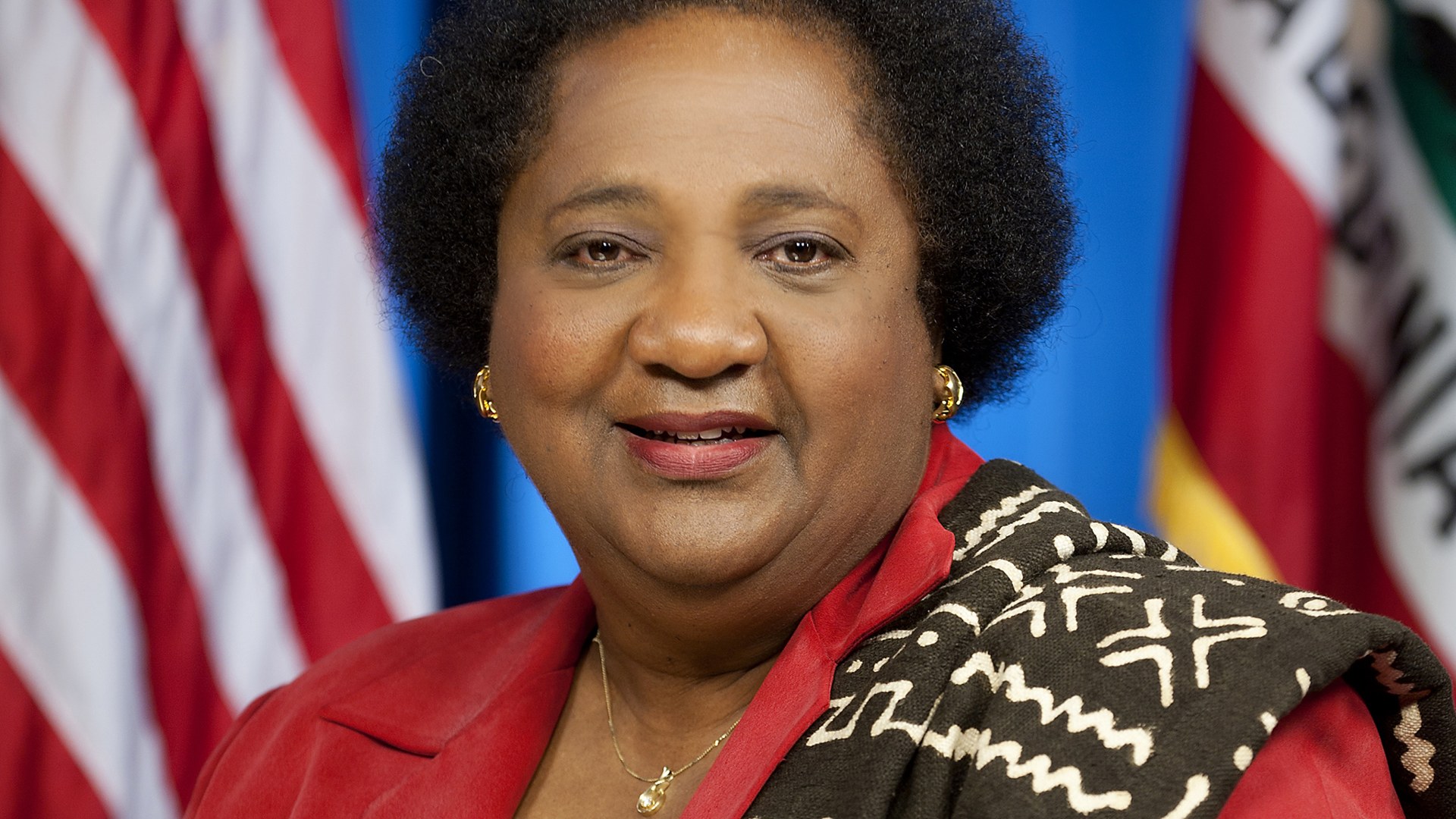
NAACP General Counsel Kristen Clarke said voter intimidation has no place in our democracy.
Clarke said the department has deployed FBI agents, prosecutors and even a convicted criminal to the polls during this election cycle.
Federal records cited in the case show six criminal prosecutors and an FBI special agent were assigned to monitor the Arizona July primary elections.
Another monitor identified in reporting on the program is a Justice Department attorney who once pleaded guilty to misdemeanor charges.
Those charges stemmed from unauthorized access to Florida election websites. The incident did not involve voting machines or vote counting systems.
In Wyoming, Republican Governor Mark Gordon raised concerns about federal monitors during his state primary election.
The complaint says Gordon described their behavior as aggressive and irregular.
Carmen Daugherty of the Advancement Project said generations of Black and brown voters faced down sheriffs and poll taxes to cast a ballot.
Daugherty said those voters know intimidation when they see it. Her group is asking every voter to answer intimidation at the ballot box on November 3.
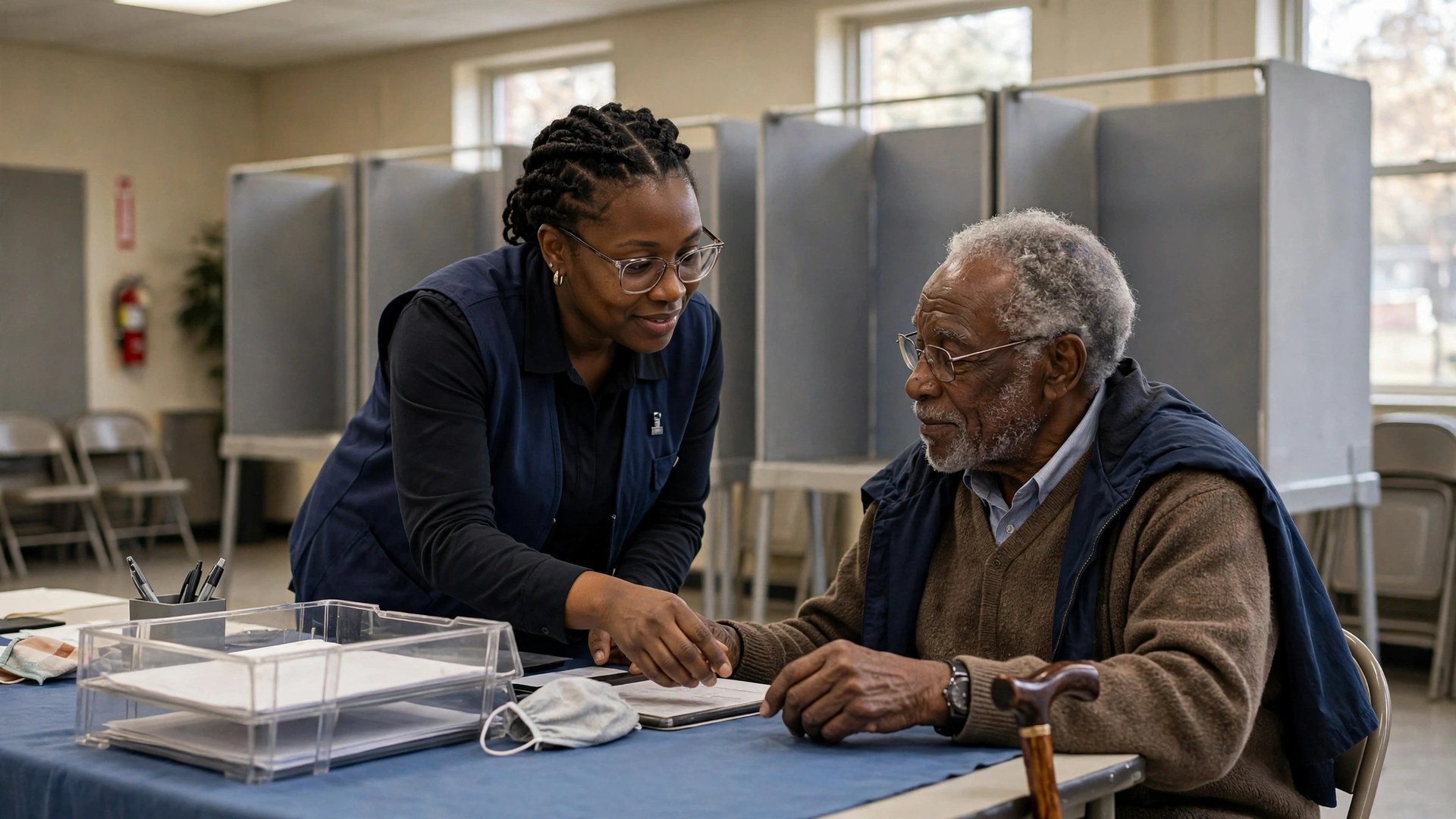
That history is why this lawsuit lands so hard in Black communities. The ballot was won through struggle, and its protection has always required vigilance.
What the Justice Department Says Back
The Justice Department disputes the suggestion that its monitoring efforts are designed to intimidate voters.
In its official statement, the agency described its mission as protecting ballot security, transparency and compliance with federal election laws.
Officials have said publicly that they want monitors in place to root out voter fraud during the November 3 election.
The NAACP complaint quotes those statements at length. It argues fraud hunting is a sharp break from the civil rights mission that justified monitoring in the past.
This is the second court fight between the two sides over the same plan. An earlier and separate lawsuit sought records about the program.
That records case asked for the legal authority, deployment locations and training materials behind the operation.
The new case goes further. It asks a judge to stop parts of the deployment itself before Election Day arrives.
What This Fight Means for Voters Right Now
Early voting numbers show Black voters are already turning out in force where ballots are open.
In Georgia, Black voters have powered record early turnout so far, casting about a third of all early ballots statewide.
Organizers say the answer to intimidation is a line out the door at every polling place.
Voters can help by making a plan now. Check your registration, know your polling place and vote early where your state allows it.
If you face intimidation at the polls, you can report it to election officials and to voter protection hotlines in your state.
The court has not yet ruled. What happens next in Washington will be felt at polling places in every state this fall.
For Black America, the principle at stake is simple. The path to the ballot box must remain free from intimidation and harassment for every voter.
Read more in our News coverage, see how Georgia early voting is being powered by Black voters, revisit our coverage of the NAACP legal hub and the monitor plan, and visit Urban City Podcast for more stories.