5 min read
California Governor Gavin Newsom has signed Assembly Bill 1661 into law, directing oil penalty money to Black families near the Inglewood Oil Field.
The law sends the first $5 million in penalties to cash assistance for one thousand households within 2.5 miles of the field.
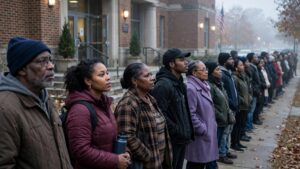
For families in Inglewood, Baldwin Hills and Ladera Heights, the signing closes a long organizing fight and opens a direct path to help.
Major Takeaways
- The first $5 million in oil well penalties will fund direct cash assistance for eligible households near the field.
- One thousand households within 2.5 miles can qualify when a resident has respiratory or reproductive health harm.
- Black Women for Wellness and SCOPE led years of community organizing with thousands of residents across Los Angeles.
- Los Angeles County will distribute the funds once the money is approved for use in the program.
What the Inglewood Oil Field Law Does
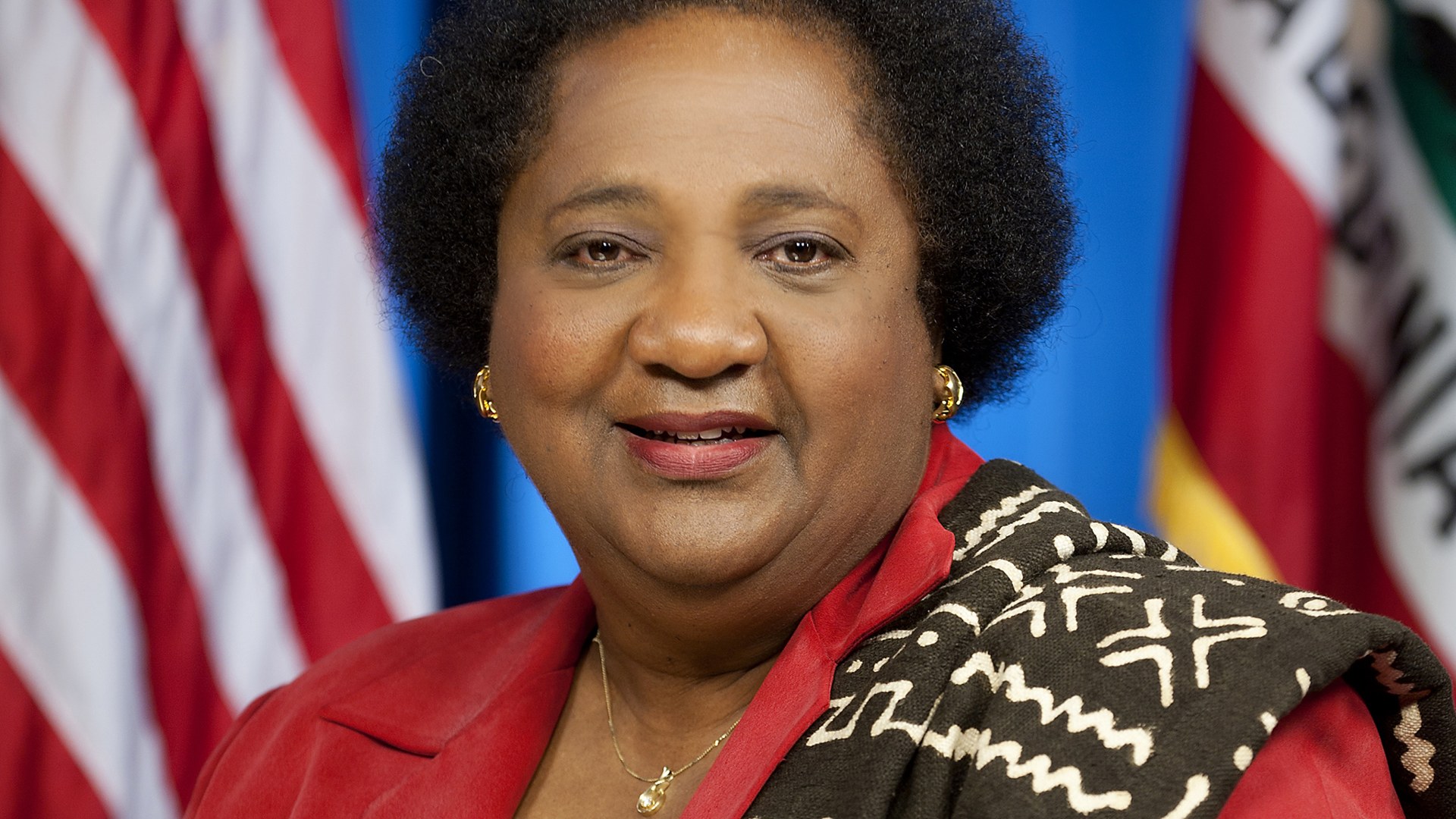
Assembly Bill 1661 was authored by Assemblymember Isaac Bryan, who represents the communities that surround the oil field.
It builds on Assembly Bill 2716 from 2024, a law that bans low production wells in the Baldwin Hills Conservancy area.
That earlier law sets penalties for operators who do not comply, and those penalties flow into a repair account.
The account is the Equitable Community Repair and Reinvestment Account, created to support benefits for the surrounding community.
Assembly Bill 1661 makes cash assistance the first priority, before money can go to other project categories in the account.
Eligible households are those living within 2.5 miles of the identified low production wells at the field.
A household qualifies when a resident has faced negative respiratory or reproductive health impacts from life near drilling.
Early program outlines set aside enough money for payments of up to $5,000 for each of the one thousand households.
If more than one thousand households apply and qualify, the county will choose recipients through a lottery process.
A Field That Shapes Daily Life in Los Angeles
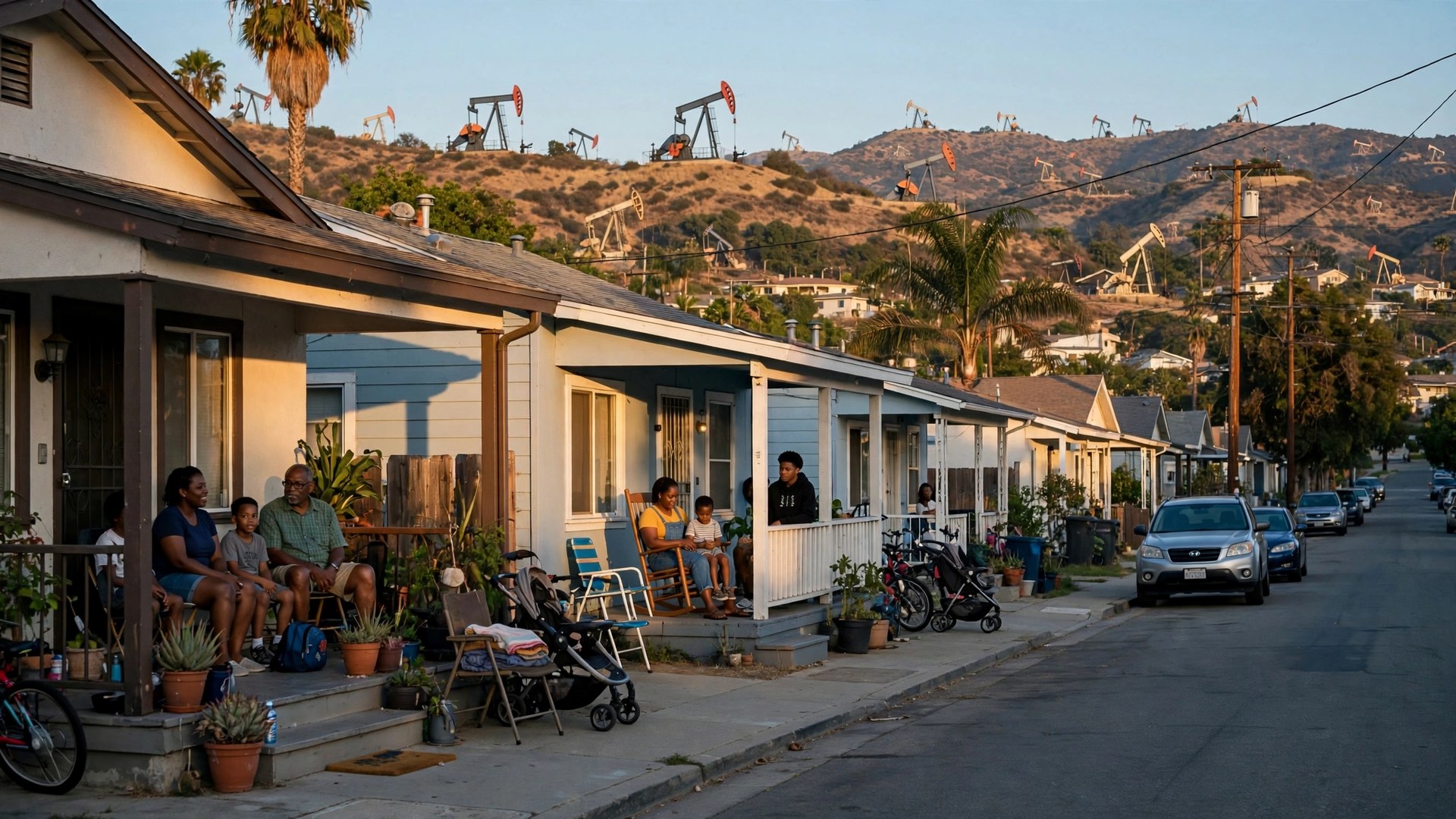
The Inglewood Oil Field covers more than one thousand acres across Los Angeles County.
It is the largest urban oil field in the United States, a fact residents can see and smell every day.
More than one million people live within five miles of the site, in communities that are predominantly Black and Latine.
Some of the Blackest neighborhoods in the county surround the field, including Inglewood, Ladera Heights and Baldwin Hills.
For over a century, Black people in Los Angeles and across the nation have been more likely to live near oil wells.
Pollution from drilling sites is connected to birth complications, child development issues, respiratory illness and cancer.
A South Los Angeles study linked living near drilling to decreased lung function among nearby residents.
A statewide study linked living near active oil and gas wells with low birth weight for babies.
Another study found a higher likelihood of spontaneous preterm birth among pregnant people living near oil and gas wells.
Organizing That Turned Resident Stories Into Law
Tianna Shaw Wakeman leads environmental justice work at Black Women for Wellness in Los Angeles.
She said Black communities near the field have been paying for the reality of living near the largest urban oil field in the country.
That payment, she explained, shows up in lung capacity, lost school time, inhalers, doctor visits and constant fear at home.
Marcus McKinney leads SCOPE in Los Angeles and put the lesson of the campaign in plain terms for residents.
He said accountability does not happen on its own, and that it happens when people organize together for change.
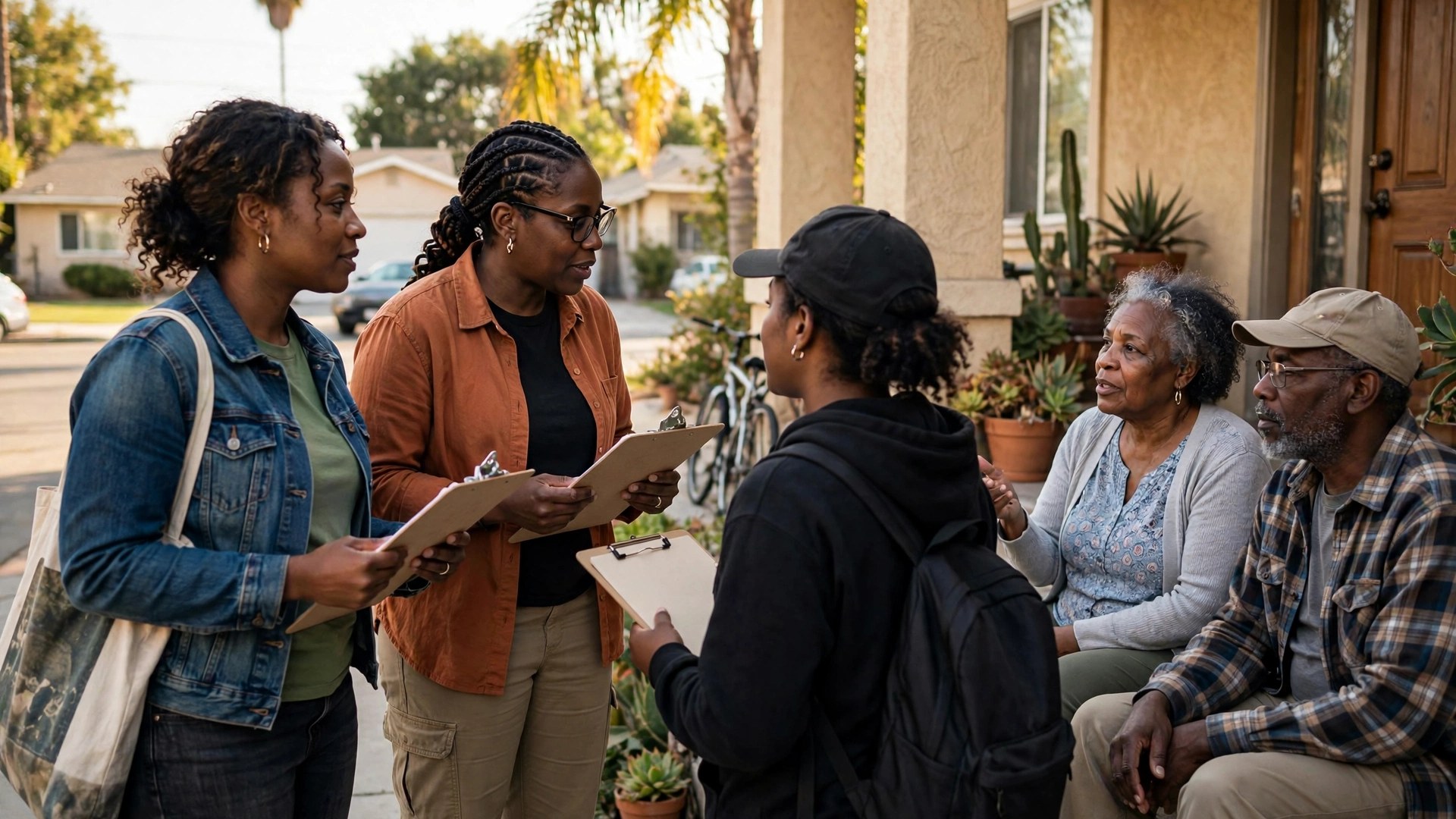
Since 2022, the coalition has reached thousands of residents through door to door canvassing, phone banking and community outreach campaigns.
Nearly three thousand surveys were completed during that outreach across neighborhoods near the field.
About sixty percent of households reported that they or someone they knew had a health concern connected to living near the field.
In total, the groups reached more than thirty thousand households and spoke with more than five thousand residents.
Support also came from the California Environmental Justice Alliance, the Central California Environmental Justice Network, California Environmental Voters and Sierra Club California.
Bryan has said the operator extracted value from the community with no investment and no care for the broader community.
Why This Law Matters for Black America
Environmental harm in Black neighborhoods is rarely an accident of geography alone in American life.
Housing policy, zoning choices and industrial siting decisions placed heavy burdens beside Black homes for generations.
The cost shows up in inhalers, clinic visits, missed school days and medical bills paid from family budgets.
It also shows up in lost time, worry during pregnancy and fear that never fully leaves a household.
Direct cash assistance treats residents as the experts on what repair should look like in their own homes.
That flexibility matters because each household carries a different mix of medical costs and daily living expenses.
The model also carries a national lesson for Black communities living near refineries, highways, landfills and drilling sites.
A 2017 study found Black communities were seventy five percent more likely to live near an oil or natural gas production site.
Repair, in this model, starts with polluter penalties and ends with money in the hands of harmed residents.
What Happens Next for Eligible Families
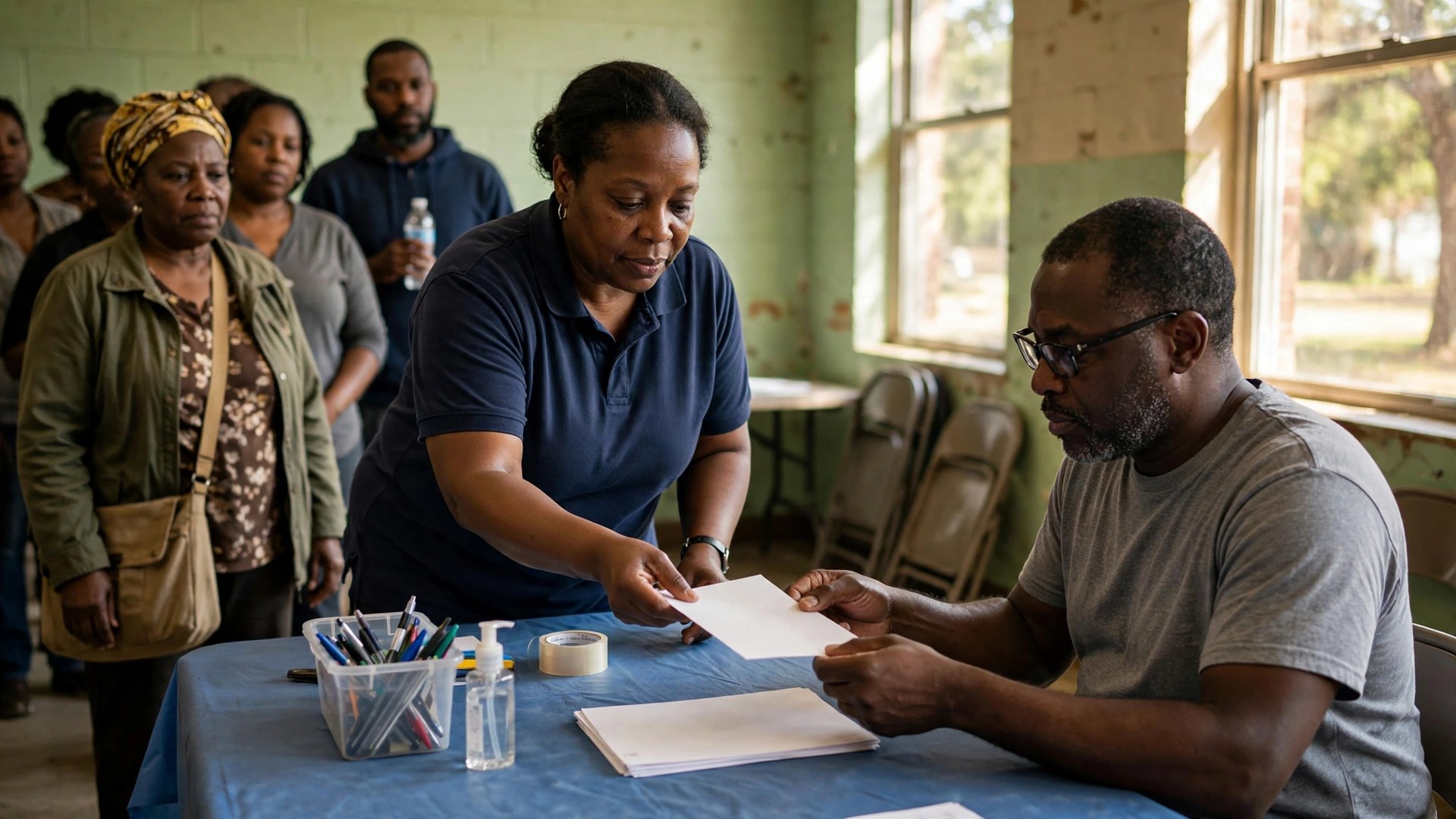
Los Angeles County will distribute the funds once they are approved for use under the program rules.
Residents should watch for county guidance on the application process and the steps to confirm eligibility.
Because the first round reaches one thousand households, early and complete applications will matter for interested families.
Organizers say they will keep working so repair becomes the standard, not the exception, in Los Angeles.
For now, the signing stands as proof that sustained organizing by Black women and neighbors can move state law.
Urban City Podcast will follow the county rollout and share application details as soon as officials release them.
Read more in our News coverage, explore our Health and Wellness coverage, and visit Urban City Podcast for more stories.