6 min read
Major Takeaways
- The NAACP will launch a national legal hub on October 24 to investigate voter intimidation and seek emergency relief in court on Election Day.
- The Justice Department plans to deploy about 1,000 election monitors nationwide, which would be the largest federal observer operation in its history.
- A coalition led by the Rev. Al Sharpton is training hundreds of community poll observers to watch heavily Black voting precincts in four battleground states.
- Black voters consistently rank protecting voting rights as the top national priority, and civil rights leaders say the 2026 midterms will be the most watched election in modern history.
The 2026 midterms may be the most watched election in American history. And for Black voters, that is not necessarily comforting news.
The Justice Department is preparing to send roughly 1,000 of its own staff to monitor polling places on November 3. That would be the biggest federal election observer effort the agency has ever mounted.
At the same time, civil rights organizations are building their own watch operation. The NAACP will open a national legal hub on October 24 to field reports of voter intimidation and suppression and to go to court when needed.
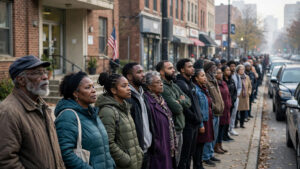
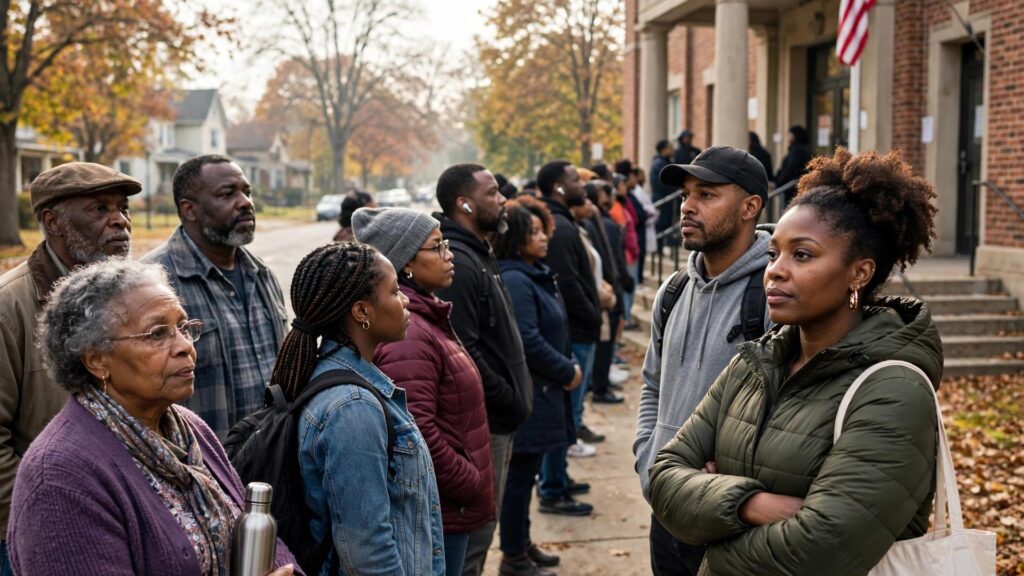
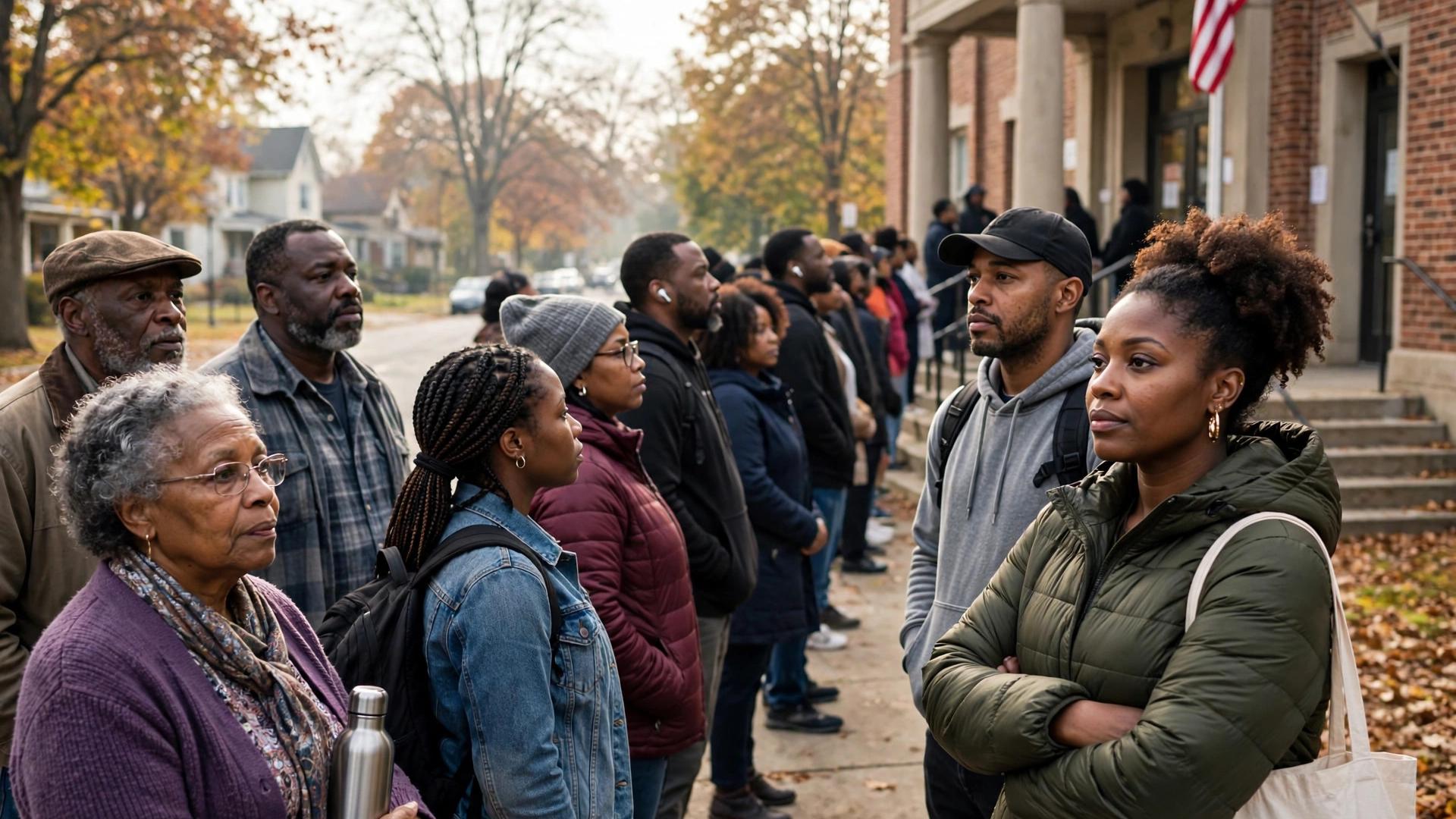
For Black communities, the convergence of all these watchers at the polls is raising urgent questions. Who is watching, what do they plan to do, and will their presence protect voters or scare them away?
NAACP Opens Legal War Room Before Election Day
On October 24, the NAACP will launch a national legal hub dedicated to investigating reports of voter intimidation and suppression.
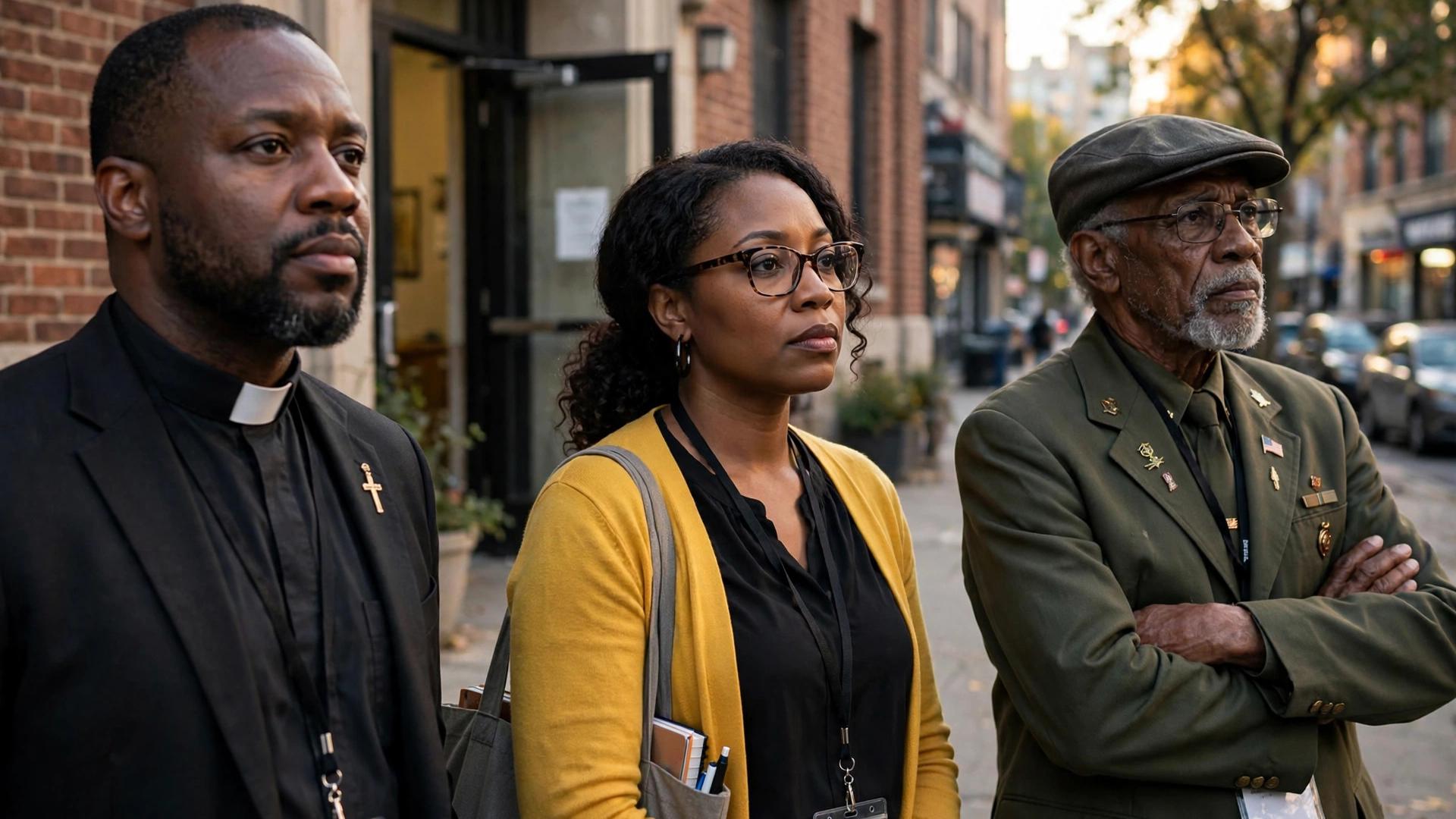
Kristen Clarke, the general counsel of the NAACP, says the organization has assembled an army of legal volunteers prepared to seek emergency relief on Election Day. The hub will take reports from voters and move quickly when intervention is needed.
The move follows a legal action taken this week. On Monday, the NAACP filed an emergency lawsuit seeking records about the Justice Department monitoring plans.
The organization had asked where monitors would be deployed, how they would be trained, what their qualifications are, and what legal authority they hold. The Justice Department did not provide those records by the deadline under federal freedom of information law, so the NAACP went to court.
DOJ Plans Largest Election Monitor Deployment Ever
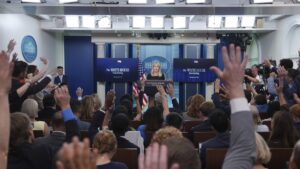
Harmeet Dhillon, who leads the Civil Rights Division at the Justice Department, announced the plan on the program Real America’s Voice.
“This is going to be the biggest DOJ election observer effort in history,” she said. She added that the staff will simply watch, observe, and take notes without interfering in voting.
To be fair, federal monitoring of elections is not new. After the Voting Rights Act of 1965 became law, federal observers helped make sure jurisdictions with histories of racial discrimination followed the law and let Black citizens vote.
But civil rights advocates say the context in 2026 is dramatically different. President Donald Trump has repeatedly warned without evidence that American elections are vulnerable to widespread fraud, casting doubt on the integrity of the midterms before a single ballot is counted.
He has also called for supporters to build a 2026 “Election Integrity Army” even larger than the operation assembled for the 2024 election. That call is bringing partisan poll watchers, citizen journalists, and self described election investigators into the same polling places as federal staff.
Why Being Watched Hits Different for Black Voters
For most Americans, extra eyes at the polls might sound reassuring. For Black voters, the history makes it land differently.
Before the Voting Rights Act, Black citizens trying to register or vote faced questioning, surveillance, threats, economic retaliation, and violence. In the South especially, the presence of law enforcement around polling places sent a clear message about who held power.
Literacy tests, poll taxes, and whites only primaries were the formal tools. Intimidation was the informal one. The watcher at the door did not need a badge to scare people away from the ballot box.
That memory is alive for older voters, and younger voters have grown up hearing the stories. The Brennan Center for Justice warns that poll watchers cross the line into intimidation when they photograph or film voters, try to view private voter information, aggressively challenge eligibility, or invade personal space.
Federal law prohibits voter intimidation regardless of who does it. And the Brennan Center notes that DOJ monitors do not have unlimited authority. In many states they cannot enter a polling place without permission from state or local election officials, and they cannot direct election workers or disrupt voting.
Vote Safe Coalition Puts Community Eyes on the Polls
Civil rights groups are not waiting to see what happens on November 3. They are building their own observer operation with people voters actually trust.
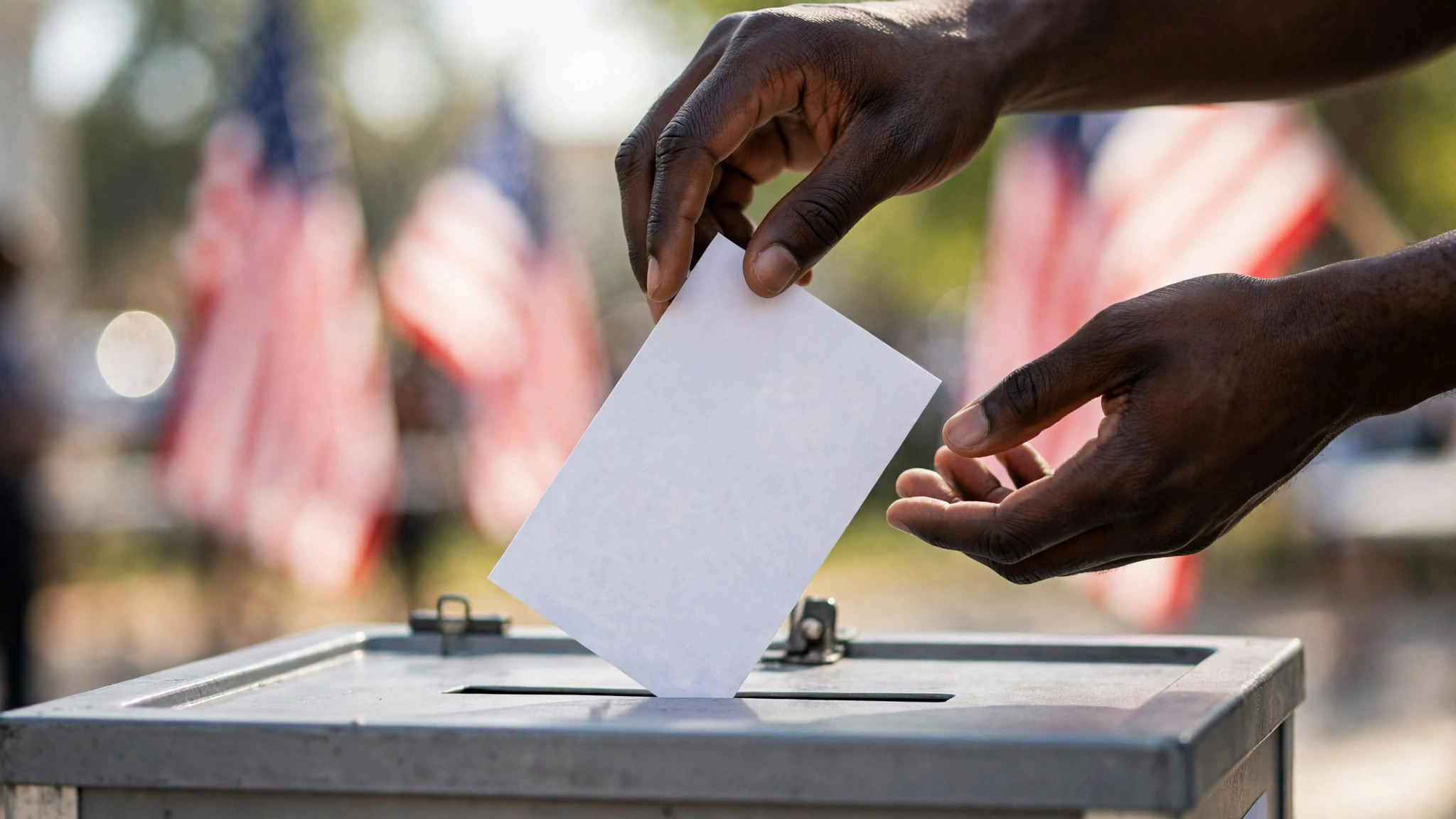
Vote Safe is a nonpartisan coalition organized by the Save America Movement, the Rev. Al Sharpton’s National Action Network, and the American Federation of Teachers. It plans to deploy hundreds of trained community observers to heavily minority voting precincts in Michigan, Ohio, Georgia, and North Carolina.
Organizers say faith leaders, teachers, veterans, firefighters, and other trusted community members will be trained in election law and calming techniques. The project will focus on precincts around Detroit, Cleveland, Atlanta, and Charlotte, where turnout among voters of color is expected to be highest.
“The volunteers are not there to engage with any ICE folks that could show up,” said Mary Corcoran, co founder and executive director of the Save America Movement. “It’s really about keeping things calm simply by being there to witness it all.”
Similar efforts are underway elsewhere. In Phoenix, the community group LUCHA is training volunteers it calls “constitutional observers” after an uptick in immigration enforcement around polling sites during Arizona’s primaries earlier this year.
What Black Voters Should Know Before November 3
The midterms are less than a month away, and Black voters are more motivated than alarmed. Polling shows that 81 percent of Black voters rate protecting the freedom to vote an 8 or higher on a 10 point scale, making voting rights the top national priority across racial groups.
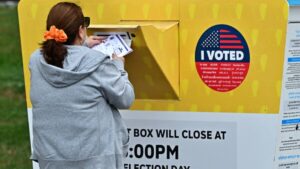
Know your rights at the polls. No one may photograph you inside a polling place, challenge your eligibility based on your appearance, or follow you as you vote. If someone crosses that line, tell the poll workers and call a voter protection hotline.
The watchers are coming from every direction. The real question is not whether someone will be observing this election. It is whether ordinary Black voters will still be able to walk in, mark a ballot, and walk out free from fear.
On that question, the entire election may turn.