6 min read
Major Takeaways
- The Justice Department and the City of Lexington have signed a settlement agreement that rewrites how the town police department handles fines, fees, bail and release from jail.
- The deal also forces new rules on stops, searches, arrests and use of force, plus stronger reporting and review of officer conduct.
- Federal investigators found the department discriminated against Black residents, used excessive force and punished people for being poor.
- The agreement follows a separate settlement in August that resolved lawsuits filed by Lexington residents against the city and its former police chiefs.
- Federal officials say they will keep working with the city to make sure the violations are remedied.
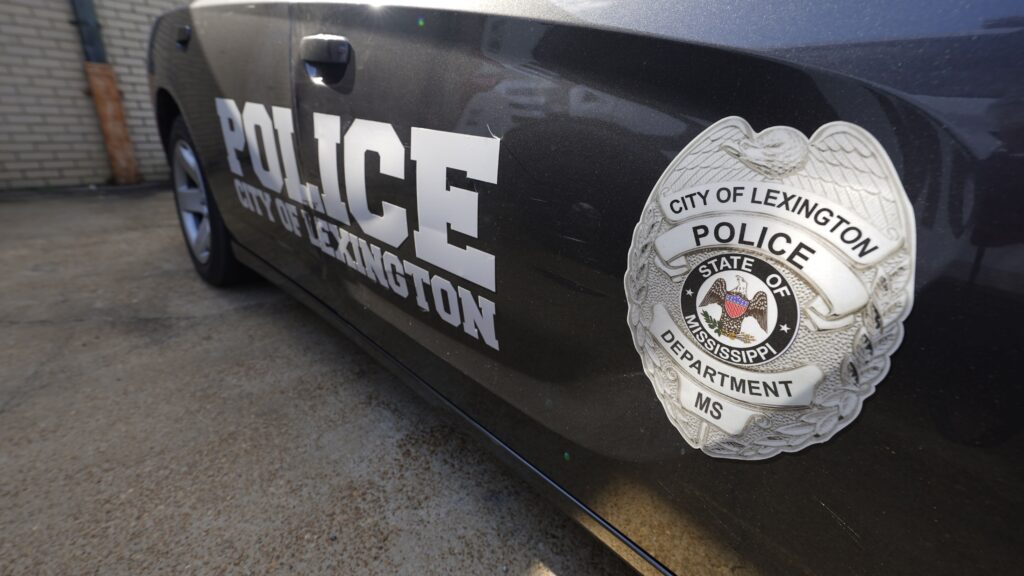
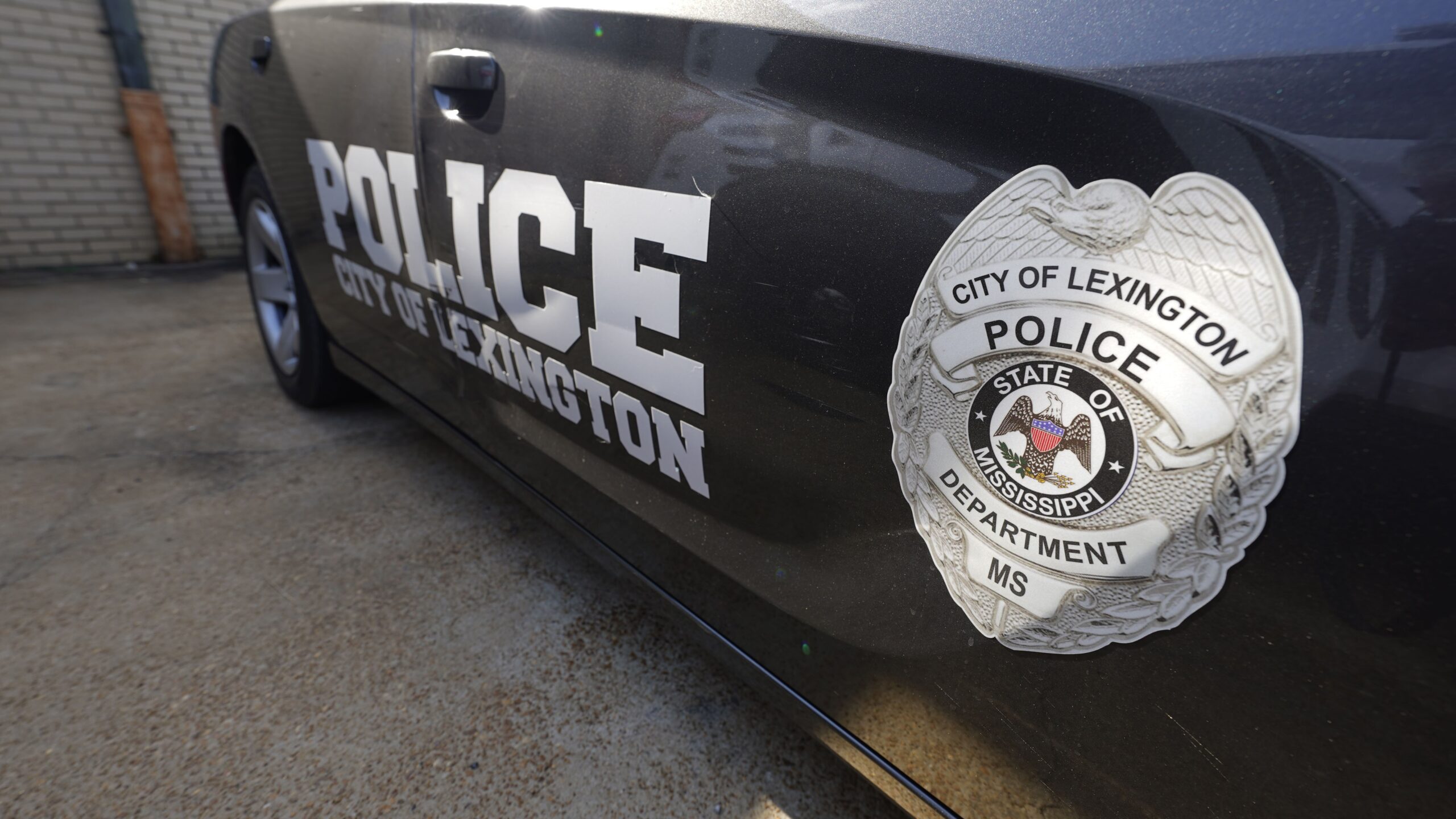
The United States Department of Justice announced Friday that it has reached a settlement agreement with the City of Lexington, Mississippi, resolving the federal civil rights case against one of the smallest police departments ever investigated by the federal government.
The agreement grows out of a sweeping investigation into the Lexington Police Department. Federal investigators concluded that officers in the majority Black town of about 1,200 people discriminated against Black residents, used excessive force and retaliated against people who criticized them.
Lexington sits in Holmes County, one of the poorest counties in Mississippi and in the nation. Roughly three out of every four residents are Black, and nearly a third of the town lives below the poverty line.
What the Settlement Requires
Under the agreement, the city and its police department will amend their policies and practices on fines and fees. The way bail is set and the way people are released from jail will change as well.
The department will also address potential conflicts of interest in its operations. Federal investigators found that the department budget depended on the money it raised through enforcement, a structure the Justice Department called unconstitutional.
Police will revise the policies that govern stops, searches and arrests. The rules on use of force are being rewritten too.
Officers will face updated reporting and review of their actions in the field. The Justice Department says it will work with the city and the department to ensure the violations are remedied.
A Department That Policed for Profit
The federal findings, released in September 2024, described a department that built its budget on the backs of the people it policed. In two years, Lexington officers made nearly one arrest for every four people in town.
That arrest rate was more than ten times the per capita arrest rate for Mississippi as a whole. Most of the people arrested were Black.
Residents owed the department about 1.7 million dollars in fines. The city court had issued bench warrants for more than 650 people, roughly half the population of the town, over unpaid fines.
One man was jailed for four days because he refilled a cup of coffee at a gas station after paying for a single cup. A woman was arrested and chained to a bench at the police station for parking in a space reserved for people with disabilities.
Investigators reviewed body camera footage and found officers using force again and again against Black people. They did not find a single case of force used against a white person.
Investigators also found that officers sexually harassed women and threatened people who challenged them. The racial gap in arrests kept growing the whole time.
In 2019, Black residents were two and a half times more likely to be arrested than white residents. By 2023, they were nearly eighteen times more likely.
“In America, being poor is not a crime,” Assistant Attorney General Kristen Clarke said when the findings were released. “But in Lexington, their practices punish people for poverty.”
The Road to This Agreement
Residents started this fight themselves. In 2022, Lexington residents and the civil rights organization JULIAN sued the city and its police chiefs in federal court, accusing officers of terrorizing the town through false arrests and intimidation.
That same year, Chief Sam Dobbins was fired after a recording surfaced of him using racial slurs and bragging about how many people he had killed on duty. Civil rights advocates had obtained the recording.
In June 2023, JULIAN president Jill Collen Jefferson was arrested after filming a traffic stop. Her arrest came nine days after Clarke traveled to Lexington to meet with residents about police misconduct.
The Justice Department opened its investigation in November 2023. Its findings landed in September 2024, and the town has been under pressure ever since.
In January of this year, the Lexington Board of Aldermen voted to adopt the Justice Department recommendations. The board also voted to remove Chief Charles Henderson, who had succeeded Dobbins and kept the same enforcement strategy in place.
In August, the city settled the lawsuits brought by residents Javarius Russell, Andrial Young and Deborah Powell, who accused officers of unlawful arrests, excessive force and fabricated charges. The city admitted no wrongdoing in that settlement.
“I believe my rights were seriously violated,” Powell said. “I was thrown to the ground and jailed for days simply for trying to get a court ordered reimbursement from Lexington Police. I’m happy that this settlement provides me some justice.”
The agreement announced Friday is the final piece. It turns the federal findings into written commitments the city has now accepted.
Why This Matters Beyond Lexington
Holmes County carries a proud civil rights legacy. In 1967, county voters elected Robert Clark, the first Black man to win a seat in the Mississippi Legislature in the 20th century.
Generations later, the people of Lexington had to fight their own police department for the most basic constitutional protections. They documented the abuse, organized, sued and refused to back down.
“Gone are the days when rural isolation and remoteness could conceal the injustice of unconstitutional policing,” said Todd Gee, the United States Attorney for the Southern District of Mississippi.
The real test starts now. Paper reforms have failed Black communities before, and Lexington residents will be watching to see whether stops, fines and arrests actually change on their streets.
For more of our Mississippi coverage, read about the fake texts targeting Mississippi voters and the case of Jackson leader Chokwe Antar Lumumba.