6 min read
Major Takeaways
- More than 230,000 Mississippi voters were listed inactive before the November 3 midterms, up nearly 60,000 in two years.
- The Mississippi Legislative Black Caucus demands an investigation into how credit data from Experian was used to check the rolls.
- In Hinds County, only 34 percent of affidavit ballots were approved, down from 60 percent in 2024.
- Lawmakers plan legislation to give voters a chance to confirm their identity before they are deactivated.
More than 230,000 Mississippi voters were listed as inactive before the midterm election on November 3.
That number jumped by nearly 60,000 in two years.
Now Black lawmakers in Jackson want to know why.
The Mississippi Legislative Black Caucus called a news conference on Thursday to demand an investigation.
The caucus wants legislative oversight committees to examine how credit reporting data was used to check voter rolls.
State Representative Kabir Karriem leads the caucus.
He said voters still do not know if their ballots counted.
He put it plainly for the people he represents.
We need answers to give to our constituents, because the question is still out there: Did my vote count?
He called the process disenfranchisement by another name.
How the Mississippi voter purge unfolded
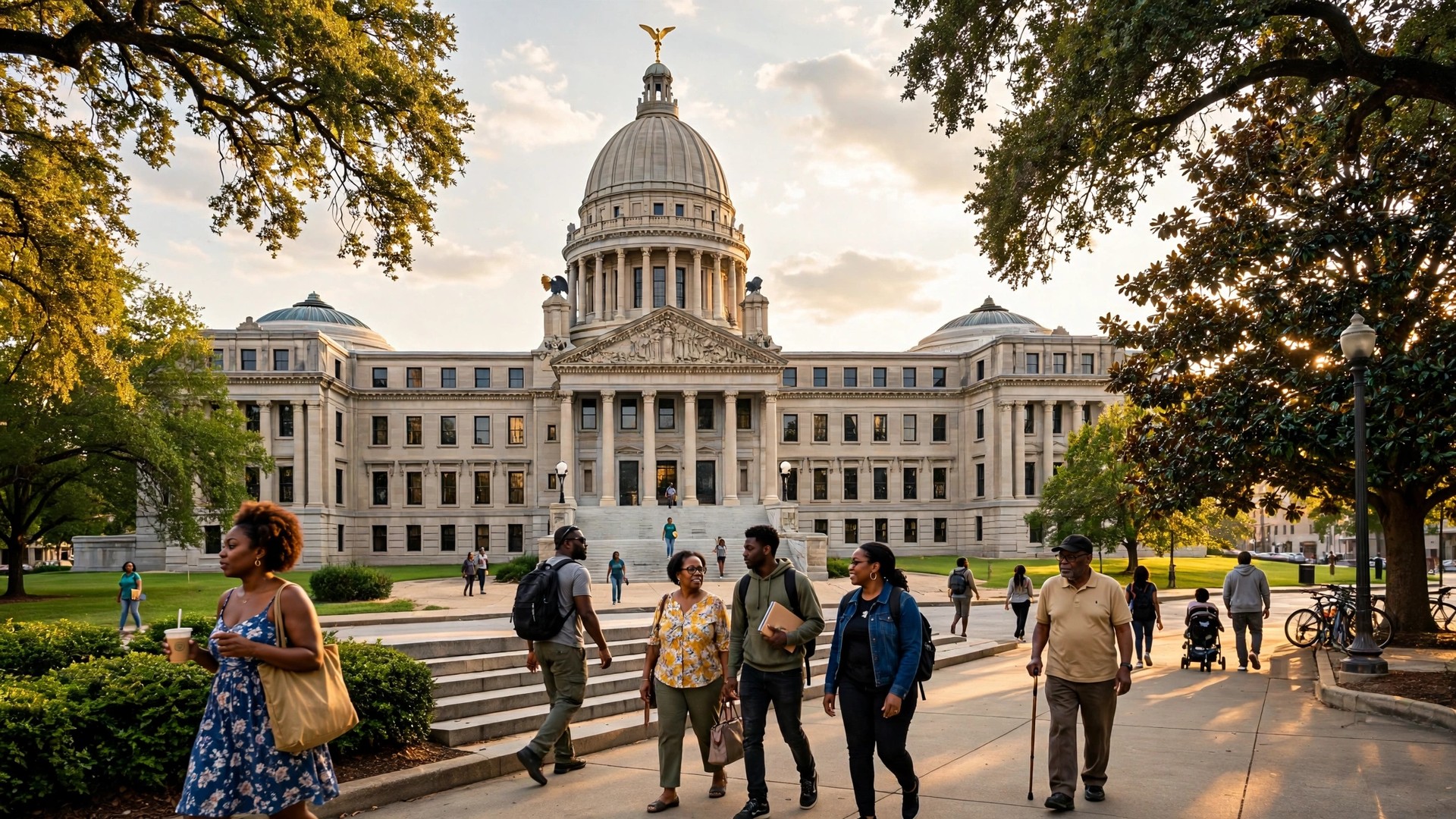
For years Mississippi relied on Postal Service change of address data to clean its voter rolls.
That changed in 2025.
Secretary of State Michael Watson announced a partnership with Experian, one of the three major credit reporting agencies in the country.
County election officials were given access to credit data and Social Security data to verify voter addresses.
Mississippi law then required a fast and harsh step.
When an address was questioned, officials had to move the voter to inactive status at the same time they mailed a confirmation card.
In some cases the notice went to an address taken from the same unverified data.
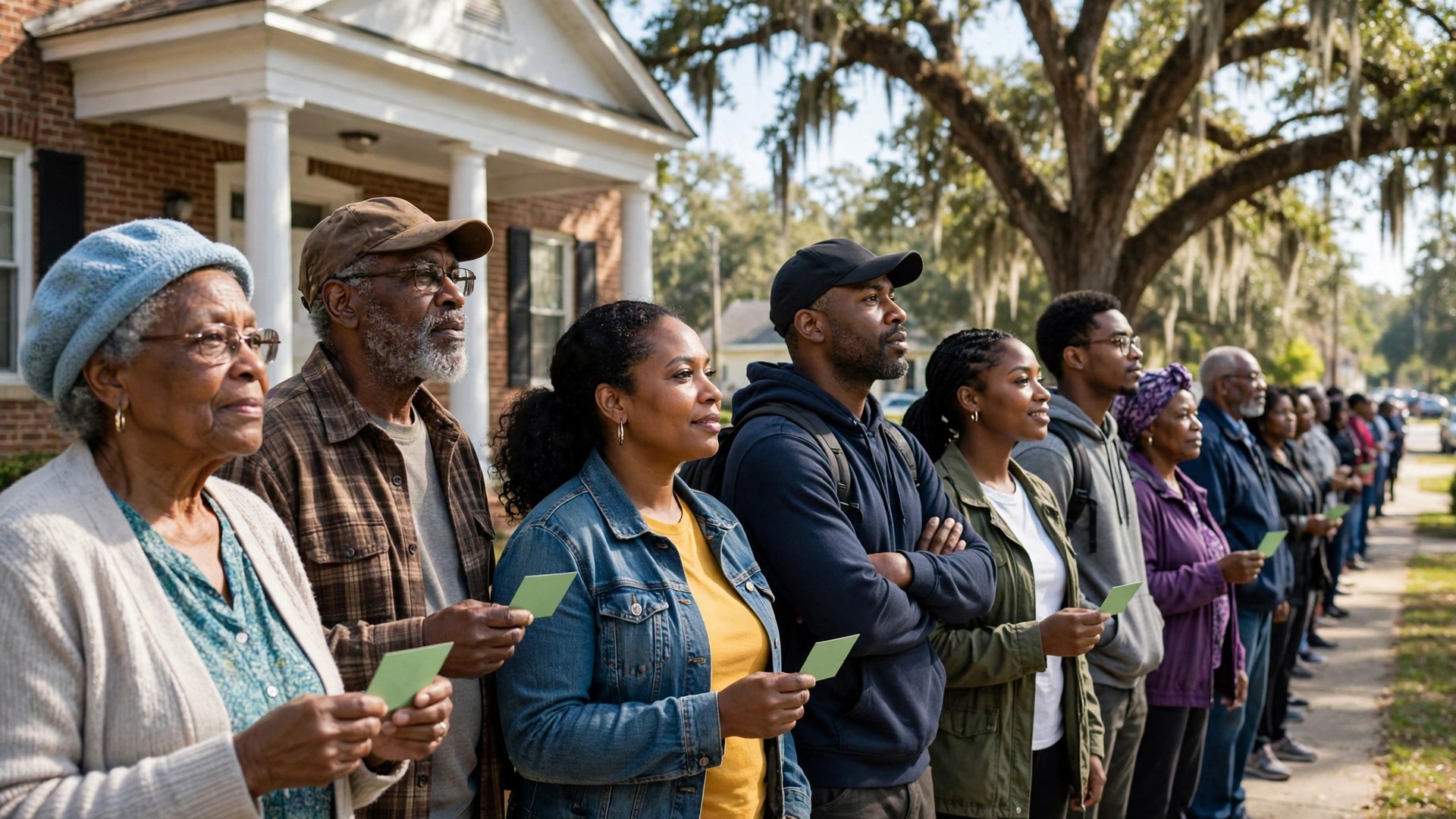
They found out only when they showed up to vote.
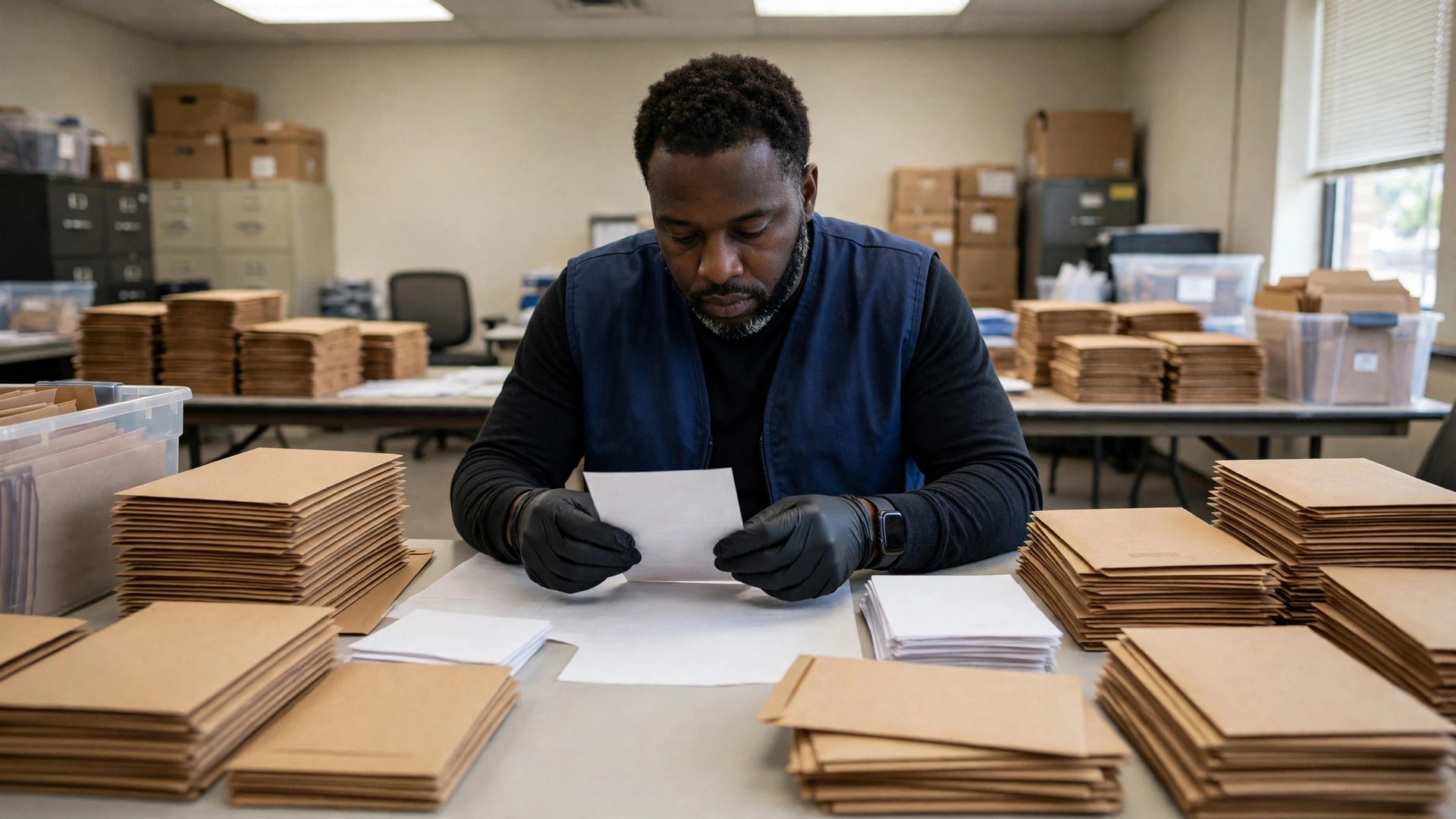
Then they had to cast an affidavit ballot.
That ballot counts only after county election commissioners review it and approve it.
The numbers tell a stark story
The inactive list stood at 185,000 during the 2022 midterm elections.
It stood at 171,000 during the presidential election two years ago.
Before this year election, it passed 230,000.
That rise came after Experian data entered the verification process.
Watson himself said the rise was caused by integrating Experian data into the overall verification process.
A spokesperson said the 230,000 figure was accumulated over more than five years of maintenance by local officials.
Watson made the same point in a statement on November 16.
He said the data sent to counties in 2025 flagged about 113,000 people for review.
He said not a single voter was made inactive without review by a local election official.
And the jump followed a new data source that the company itself said was not built for this job.
Experian warned the data was not built for voting
Experian has said its address data was not designed or intended to validate voter records.
A company spokesperson said decisions on voter registration are made solely by election officials under local, state and federal law.
The company also said it has not provided services to Mississippi since early 2025.
The contract itself carried a warning.
The state paid 50,000 dollars for the Experian data in 2024.
The contract said the company could not guarantee the accuracy or reliability of its data.
Scott Colom, the Democrat who won the Senate race, raised that warning in public.
He said Experian told Watson the data was not reliable, and Watson used it anyway.
He said the chaos that followed was a result of that decision.
DeSoto County shows what the purge looked like on the ground
It moved more voters to inactive status than any of the 82 counties in Mississippi.
In the eight months between the primaries and the midterms, county officials moved more than 15,000 voters to inactive status.
Over those months, the county inactive list more than doubled.
By Election Day, one in five voters in DeSoto County was inactive.
Many did not find out until they arrived to vote.
They found their names missing from poll books in places where they had lived and voted for years.
DeSoto reported about 2,100 affidavit ballots this year.
In 2022, the county reported roughly 275.
That is more than seven times as many.
Hinds County approved far fewer affidavit ballots
Statewide, about 75 percent of affidavit ballots were approved and counted.
In Hinds County, only 34 percent were approved.
Hinds County is majority Black.
It is home to Jackson, the state capital.
In 2024, 60 percent of affidavit ballots there were accepted.
The drop is steep.
Watson points to a different statewide number.
He said 21,484 affidavit ballots were cast in 2026.
He said that was nearly identical to the 21,321 cast in 2024, a presidential year with higher turnout.
Colom won the Senate race by just over 8,000 votes with 99 percent of ballots counted.
That margin is far smaller than the number of affidavit ballots cast statewide.
It is far smaller than the number of voters moved to inactive status.
What Black lawmakers want to change
State Representative Cheikh Taylor leads the Mississippi Democratic Party.
He plans to introduce legislation in the new year.
His bill would increase transparency in how credit data is used to verify voter eligibility.
It would also give voters a chance to confirm their identity before they are deactivated.
One Republican has already signaled openness.
State Senator Jeremy England said transparency legislation could draw Republican support.
He said the state needs to look at the process more closely and make sure voters are not marked inactive for a reason they should not be.
Mississippi holds elections next year for governor and other statewide offices.
It also holds elections for the legislature and the state supreme court.
Governor Tate Reeves will be termed out of office.
He won his 2023 reelection bid by just three percentage points.
The race for his seat is wide open.

The state has already moved on, but not forward
Watson said the state has started using data from a new vendor, Interactive Data.
That vendor draws on information from all three major credit bureaus.
Watson said the state moved because it thought the new product was better.
Taylor is not convinced.
He said he had not seen evidence that data from Interactive Data would be much different from Experian data.
Did my vote count?
Now the state owes them a clear answer.
A full investigation, a public record, and a law that puts voters first.
More coverage sits in our Big Back Politics section.
That is what the Thursday demand is really about.