7 min read
Major Takeaways
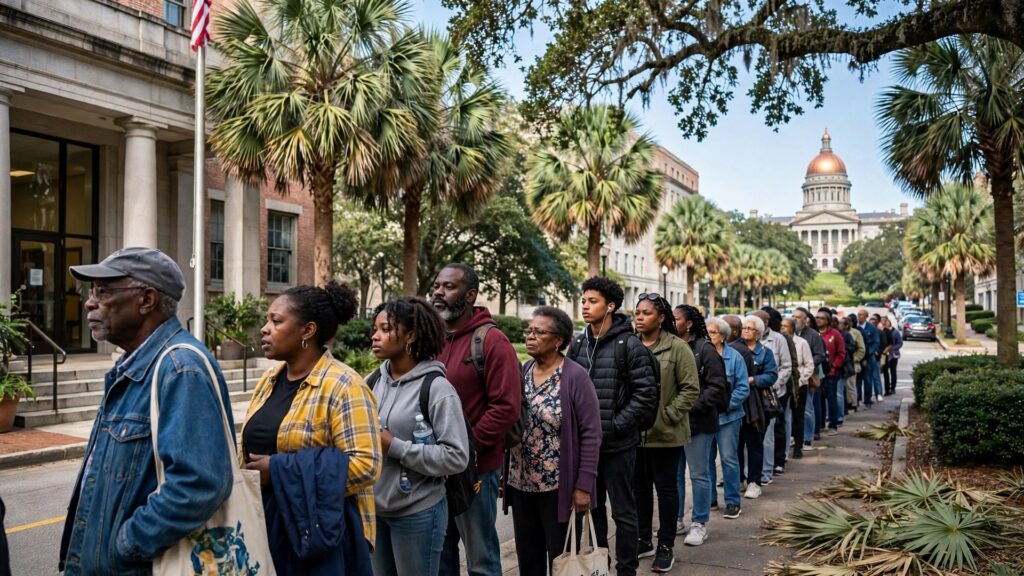
About 503,200 Black voters cast ballots in South Carolina this month. They made up about one quarter of everyone who voted in the state.
That total is 29 percent higher than all nonwhite voters combined in the 2022 midterm. It is the most Black voters in any midterm since at least 1986.
Black turnout fell just 7 percent from the 2024 presidential race. Total turnout fell 20 percent, so Black voters held their ground while others stayed home.
The surge powered a Senate win, one flipped seat in Congress, and ten flipped seats in the state House. It also nearly elected the first Black governor.
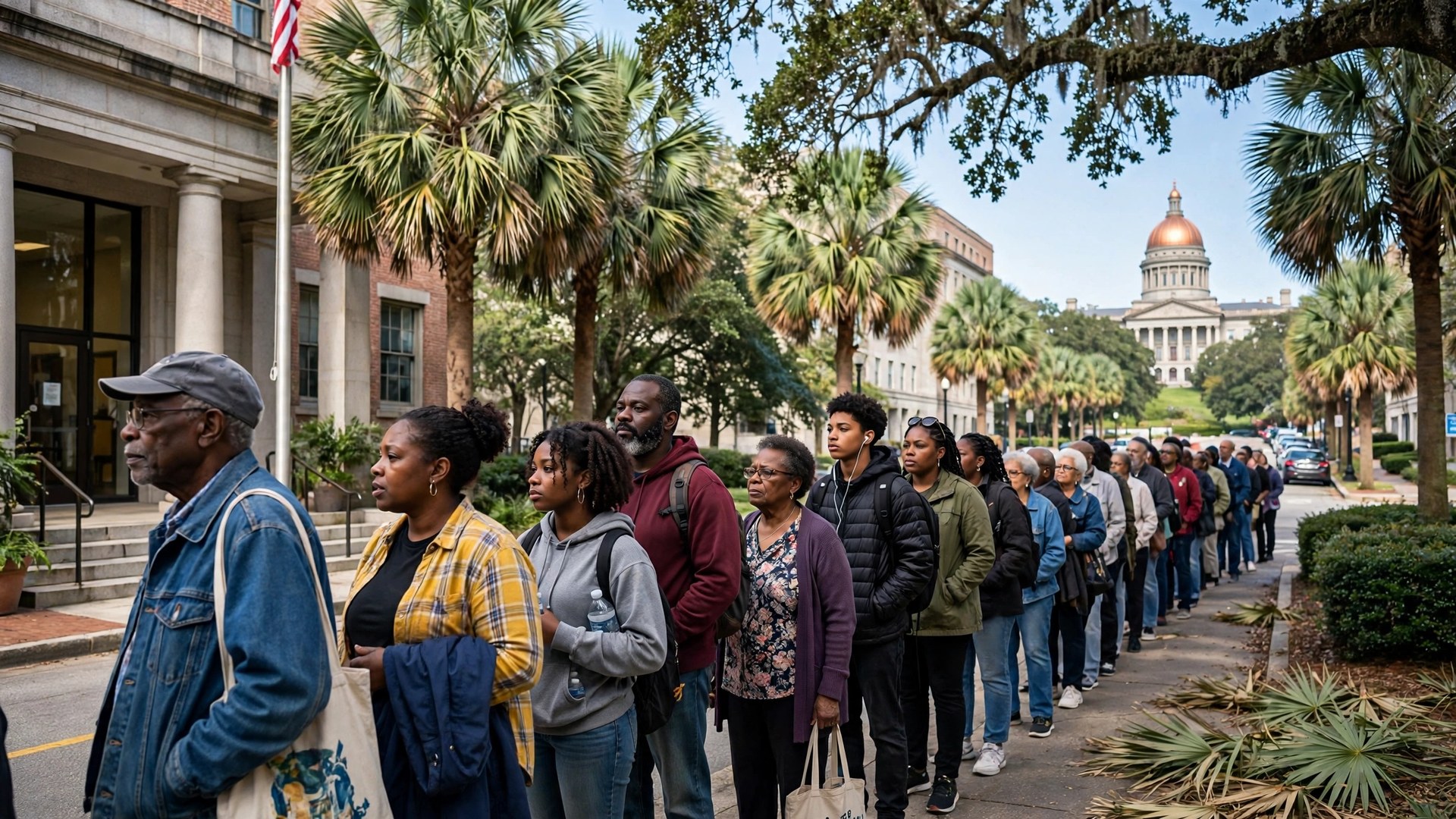
Black voters in South Carolina just rewrote what a midterm can look like in the Deep South. Certified state election data released this week shows about 503,200 Black voters cast ballots on November 3.
That is roughly one quarter of the entire electorate. It is a presidential level number delivered in a midterm year, and it changed races up and down the ballot.
Democrats posted their biggest election gains in the modern history of the state. None of it happens without Black voters, and the certified numbers now prove it.
1. Black Voters Held Presidential Level Turnout
Midterms usually shrink the electorate, and this one did. Total participation fell 20 percent from the 2024 presidential race, which is normal when the White House is not at stake.
Black turnout barely moved. It fell just 7 percent, from about 542,200 Black voters in 2024 to about 503,200 this year.
More than 2 million people voted in all, about 60 percent of registered voters. Four years ago only about 51 percent of registered voters took part.
The comparison to the last midterm is even sharper. This year brought 29 percent more Black voters than all nonwhite voters combined in 2022, when about 390,500 nonwhite voters cast ballots.
More Black voters cast a ballot this month than all nonwhite voters in any midterm going back to at least 1986. That is the first year the state reported demographic data.
One honest caution belongs in the record. South Carolina only began reporting Black voters as a separate category in 2024, so a direct count against older midterms is not possible. The scale of the surge is still unmistakable.
2. A Senate Win Twenty Years In The Making
Annie Andrews beat appointed Senator Darline Graham in the race for the United States Senate. The win is the first statewide victory for a Democrat in South Carolina in 20 years.
It is also the first time voters in the state have sent a Democrat to the Senate since Fritz Hollings last won election there in 1998. A generation of Black voters has waited for a result like this one.
Democrats also flipped one seat in the United States House of Representatives. They flipped ten seats in the state House, in districts that normally vote deep red.
State Representative Jermaine Johnson came within 5 percentage points of becoming the first Black governor in state history. He lost to Attorney General Alan Wilson, but the margin tells its own story about where the state is heading.
Johnson was only the second Black major party nominee for governor in state history. Black nominees also ran for superintendent of education, agriculture commissioner, treasurer, comptroller general, and secretary of state, and fell short.
State Democratic Party Chair Christale Spain put the credit where it belongs. Black voters are more than the base, she told reporters last week.
Spain said voters showed up in a way that benefited all of the party candidates. She called the turnout the driving force behind the base vote, and she called it monumental.
3. Young Black Voters Marched And Then Voted
The youngest voters delivered some of the loudest growth in the state. Almost 100,000 voters ages 18 to 24 cast ballots, about 30,000 more than four years ago.
That is a jump of more than 42 percent in that age group. Voters ages 25 to 44 grew by 28 percent, the second largest increase of any group.
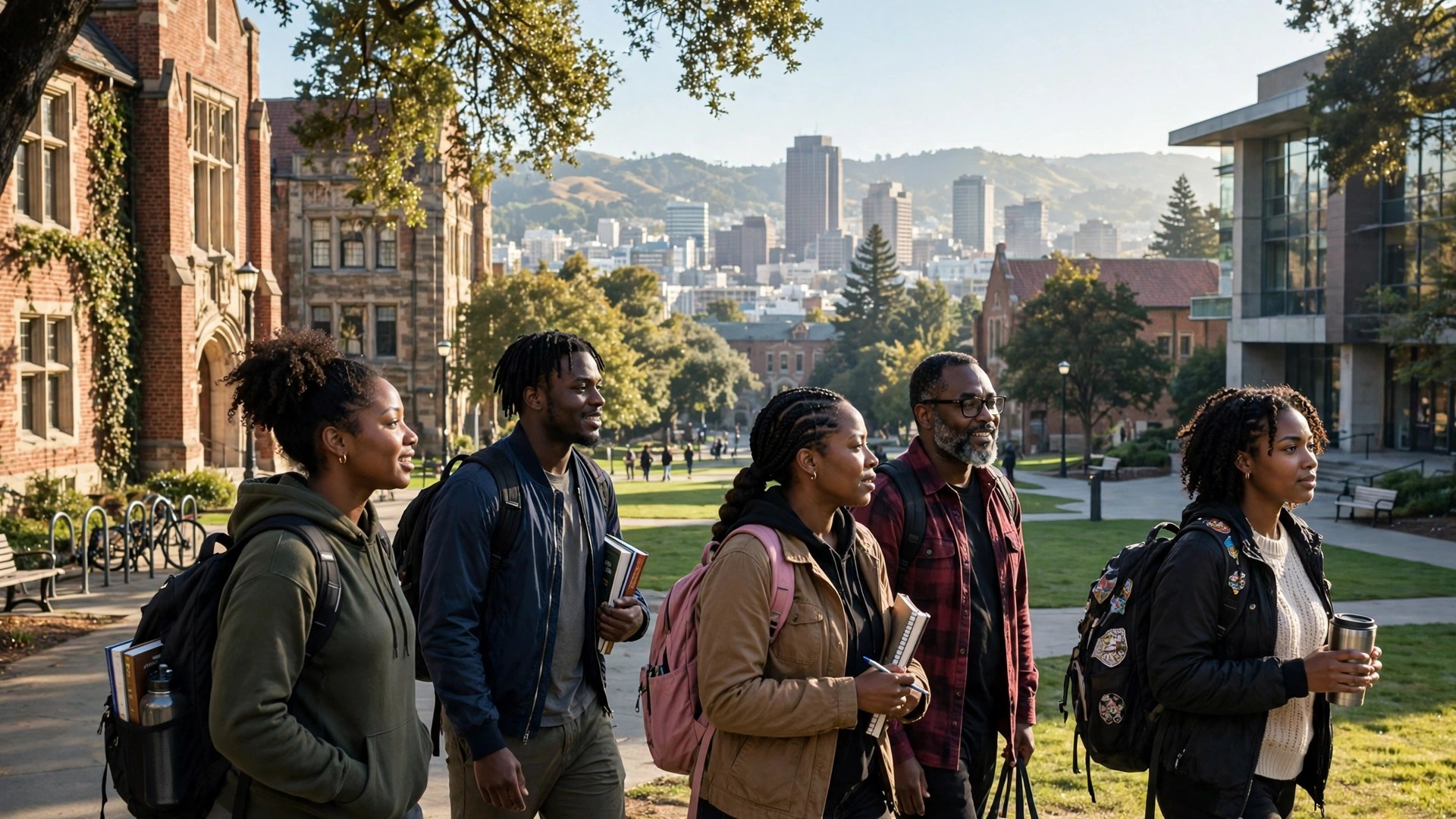
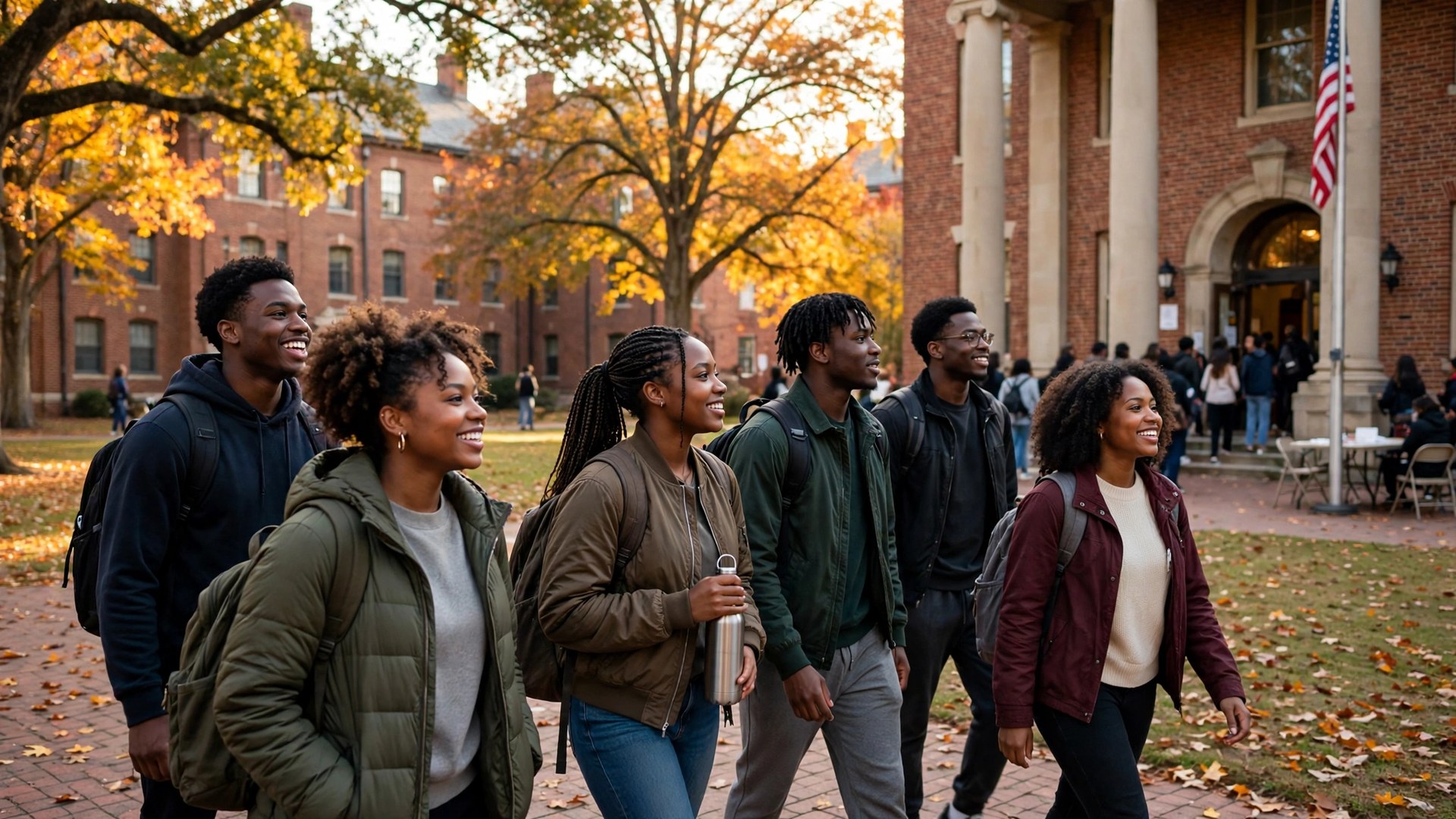
On Election Day, hundreds of students from Claflin University and South Carolina State University marched together in Orangeburg. The two historically Black schools sit side by side, and their students walked to the polling precinct on the South Carolina State campus chanting that their vote matters.
Johnson joined the students to cheer them on. Ten days earlier, he and Andrews had spent time with students at a South Carolina State homecoming football game.
Kameron Sutton, the junior class president at South Carolina State, helped organize the march. He said it matters for people his age to see that they are the ones who make the difference.
Roshanda Pratt, a communications strategist on the Johnson campaign, said young voters treated this as their own election at last. Her daughter was among the Claflin students voting for the first time.
Pratt said these voters are dealing directly with student loans and gas prices. They knew their voice carried the same weight as anyone else in line.
Older voters still cast the most ballots in total. People ages 45 and older made up 73 percent of all voters, so the surge paired veteran voters with a rising generation.
4. The Straight Ticket Strategy Paid Off
South Carolina is one of only six states that let voters pick one party for every partisan race on the ballot. This year, voters used that option at a record pace.
Straight ticket ballots made up 63 percent of all ballots cast. That is the highest share since 2020, and both parties fought hard over it.
Republicans still cast more straight ticket ballots overall. But Democrats claimed 48 percent of them, and the party cast about 100,000 more straight tickets than it did in the presidential election two years ago.
In the Senate race, straight tickets made up 59 percent of the Andrews total and 70 percent of the Graham total. Party officials said they pushed voters hard to select the straight party option this year, a tactic Republicans have valued for years.
Kwadwo Poku Agyemang, who directs a public opinion research institute at Claflin University, said excitement for Johnson lifted the whole ticket. His October survey found more than 40 percent of respondents most interested in the governor race.
When a candidate really compels you to show up, he said, some of that love spreads to every member of the party. That spread is visible in ten flipped state House seats.
5. What This Means For Black Political Power
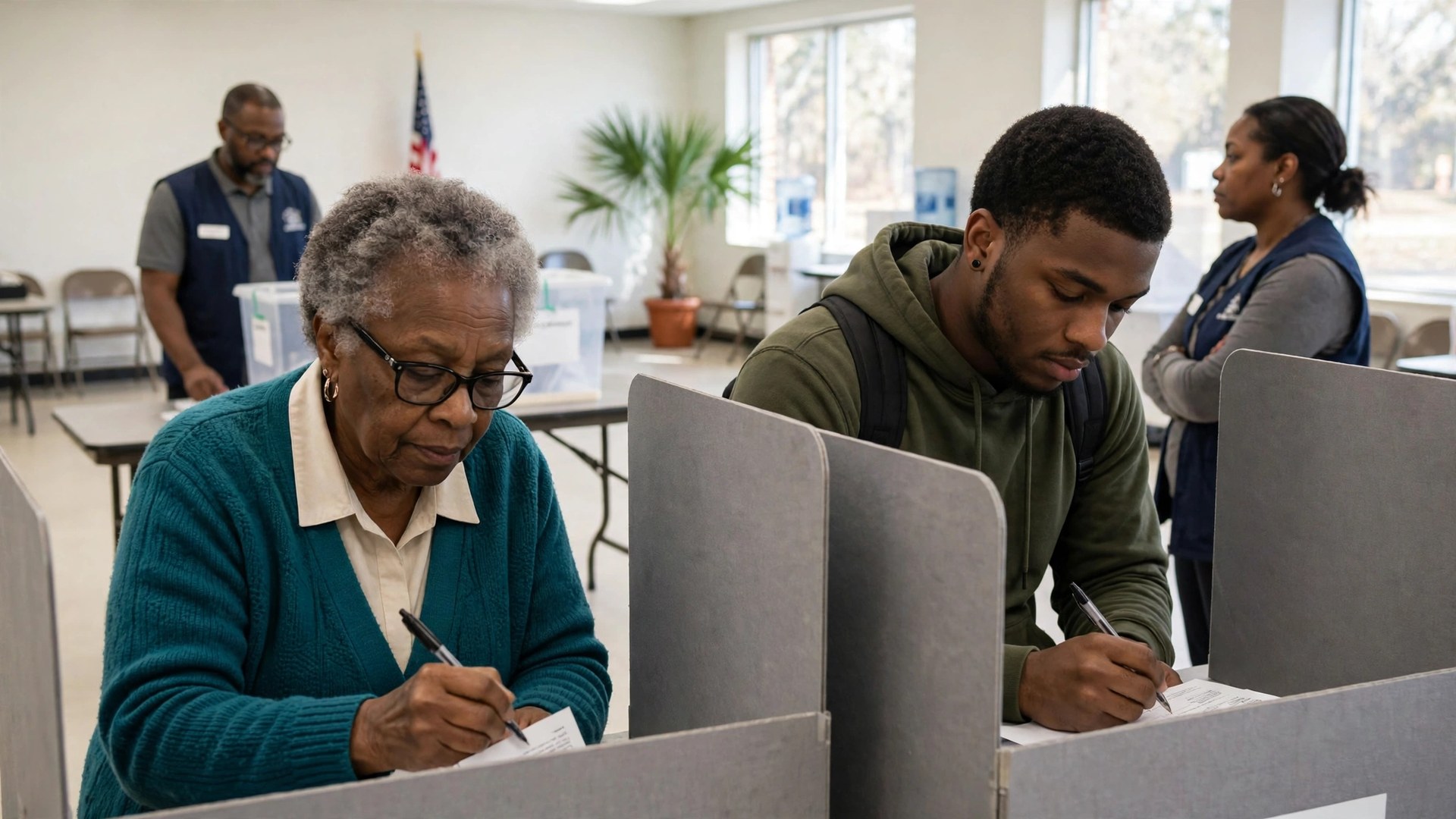
For Black communities in South Carolina, these numbers are bigger than one good night for one party. They show a durable electorate that no longer waits for a presidential race to matter.
A Black electorate that turns out at near presidential levels in a midterm can decide Senate races. It can flip seats in hostile districts, and it can pull a governor race inside 5 points in a state long written off as safely red.
The same pattern demands results in return. Voters who deliver historic gains will expect action on the cost of living, on health care, and on the voting rights fights that still shadow every election in the South.
That demand is already echoing across the region. In Mississippi, Black voters just powered a Senate breakthrough of their own, even as state leaders face hard questions about voter rolls there.
South Carolina now joins that story. The certified data says Black voters were the heartbeat of the biggest Democratic gains in modern state history, and heartbeats do not skip the next cycle.
Read more of our politics coverage in the Big Back Politics section, and follow how Black women are setting the agenda for the new Congress.