4 min read
Major Takeaways
- Scott Colom is the projected winner of the Mississippi Senate race, defeating incumbent Sen. Cindy Hyde-Smith after eight days of counting.
- Colom is set to become the first Black senator from Mississippi since Reconstruction and the first Democrat to win the seat since 1982.
- The latest count has Colom at 472,188 votes to 467,603 for Hyde-Smith, a lead of 4,585 votes with nearly all ballots counted.
- Counties certify the result on Friday, November 13, and Mississippi law provides no recount.
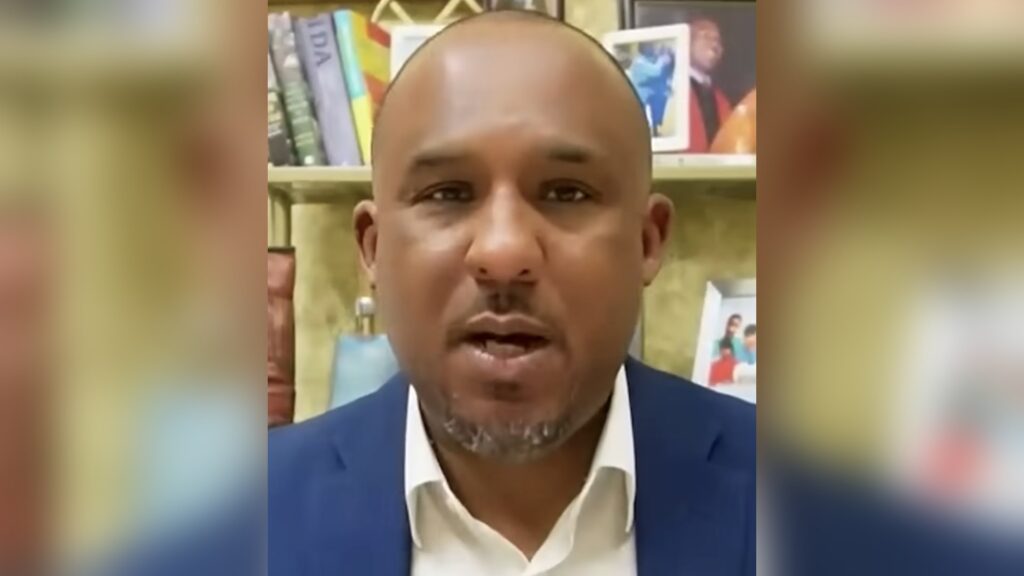
History has been made in Mississippi. Scott Colom, a district attorney from Columbus, is the projected winner of the United States Senate race, defeating Republican incumbent Sen. Cindy Hyde-Smith in one of the closest and most closely watched contests in the nation.
The projection caps eight days of counting that kept the entire country waiting. What began as a lead of just 43 votes in the first count grew ballot by ballot until the outcome was no longer in doubt.
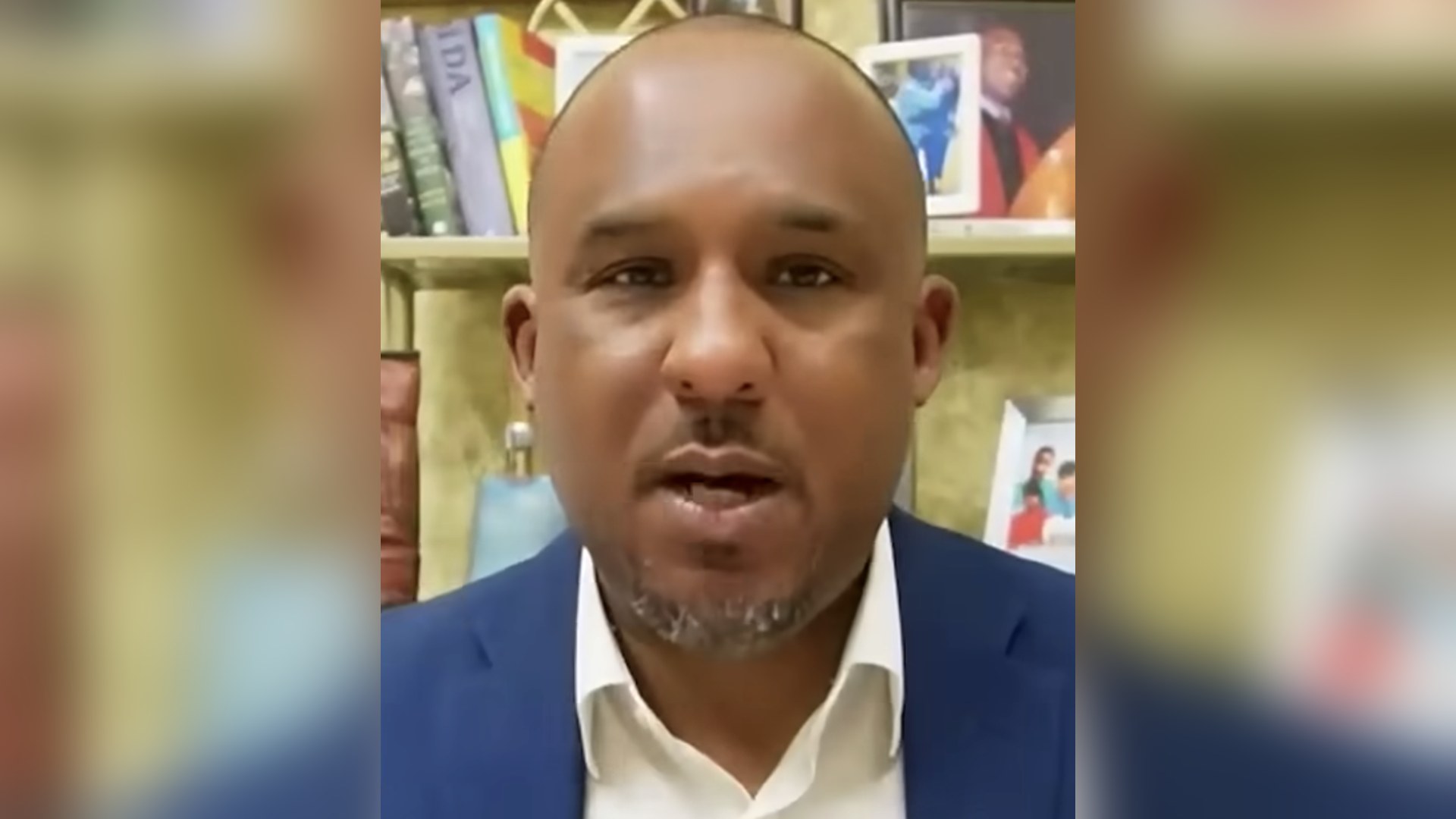
Scott Colom. Photo by The Contrarian via Wikimedia Commons, CC BY 4.0.
The Numbers
The latest statewide count puts Colom at 472,188 votes, or 49.2 percent, to 467,603 votes, or 48.7 percent, for Hyde-Smith. Independent candidate Ty Pinkins holds about 20,147 votes, or 2.1 percent.
Every precinct in the state has reported, and about 98.6 percent of the expected vote has been counted. The ballots still outstanding are too few and too scattered to change the result.
A First Since Reconstruction
When Colom takes his seat in January, Mississippi will send a Black senator to Washington for the first time since the Reconstruction era. Hiram Revels and Blanche K. Bruce served in the 1870s, chosen during a brief window of Black political power after the Civil War.
After them came more than 140 years without a Black senator from a state where Black residents make up nearly four in ten people, the largest share of any state in America.
Colom is also the first Democrat to win a Mississippi Senate seat since 1982. The state has stood as one of the most reliable Republican strongholds in the country for a generation.
The Long Count
The race turned on ballots that almost did not count. Roughly 230,000 voter registrations were flagged inactive this year on faulty voter roll data, and thousands of voters were forced to cast affidavit ballots that had to be verified one by one.
Statewide, 18,178 affidavit ballots were processed, and about one in four was rejected. In Hinds County, home to Jackson and Jackson State University, officials accepted 817 ballots and rejected 1,609, a rejection rate of about 66 percent.
The ballots that survived broke overwhelmingly for Colom. Hinds County counted its accepted affidavit ballots 703 to 96 in his favor, and the same pattern held in county after county.
The fight over those ballots defined the final week. The Hyde-Smith campaign and national Republican groups demanded that every county preserve its affidavit ballots, a battle Urban City Podcast has followed from the start.
Voters who cast affidavit ballots then faced a hard deadline to prove their eligibility, driving to courthouse offices across the state so their votes would count.
The Senator Who Tried to Block Him
There is a back story Mississippi will not forget. Years ago, Hyde-Smith used her Senate power to block Colom from a federal judgeship, refusing to return the customary blue slip that home state senators give to judicial nominees.
On election night, with the race still undecided, she boasted to supporters that she had blocked Colom from the bench and said they had blocked him from the Senate as well. Eight days later, the voters of Mississippi delivered their answer.

Sen. Cindy Hyde-Smith. Photo by the United States Senate, public domain, via Wikimedia Commons.
What Happens Next
Hyde-Smith has not conceded. Speaking with reporters on Tuesday, she said votes were still being counted and that she felt confident about where the race would land.
Counties must certify their results by Friday, November 13, and the Secretary of State declares the final statewide result on December 3. Mississippi has no recount law, so there is no automatic recount and no recount a candidate can request.
Any challenge from here would have to go to court or to the United States Senate itself. For now, the count is what it is, and the count says Mississippi has chosen Scott Colom.
For Black Mississippians who stood in long lines and then had to prove their right to vote all over again, this result carries a weight far beyond one seat. Their ballots survived the process, and their ballots made the difference.
Colom, a seventh generation Mississippian, is expected to be sworn in when the new Senate term begins in January, joining the new Democratic majority in the chamber.