7 min read
Major Takeaways
A federal panel in Shreveport hears arguments Tuesday on the future of the last Black district in Louisiana.
The Callais plaintiffs want the case kept open so judges can examine the district held by Representative Troy Carter.
Attorney General Liz Murrill wants the case ended now that the Sixth District has been redrawn and weakened.
Sixty percent of registered voters in the Second District are Black, and a redraw could scatter them.
Nothing decided Tuesday changes the November 3 midterm elections, but the ruling path reaches far beyond them.
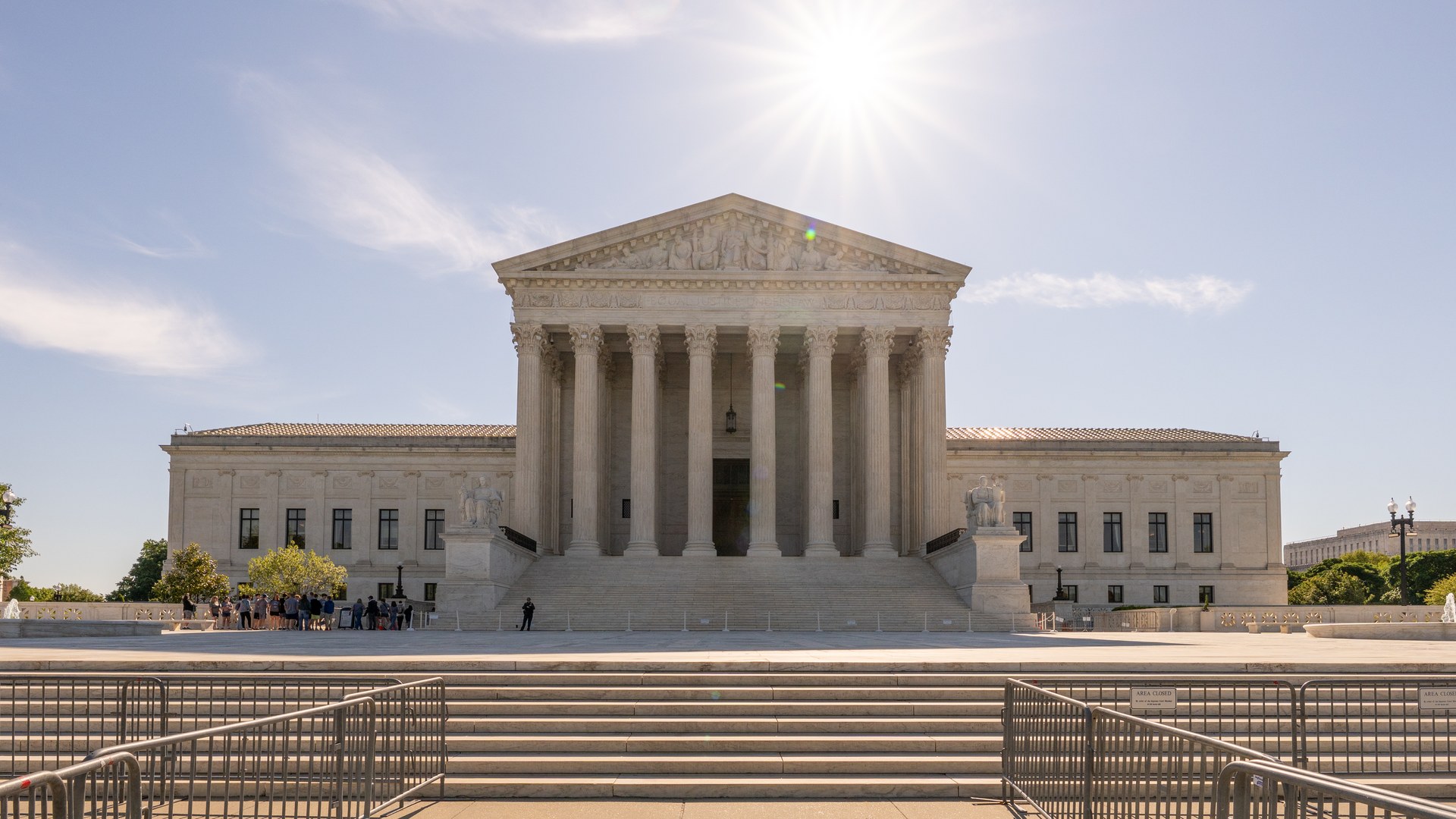
The fight over the last Black district in Louisiana goes back into a federal courtroom on Tuesday.
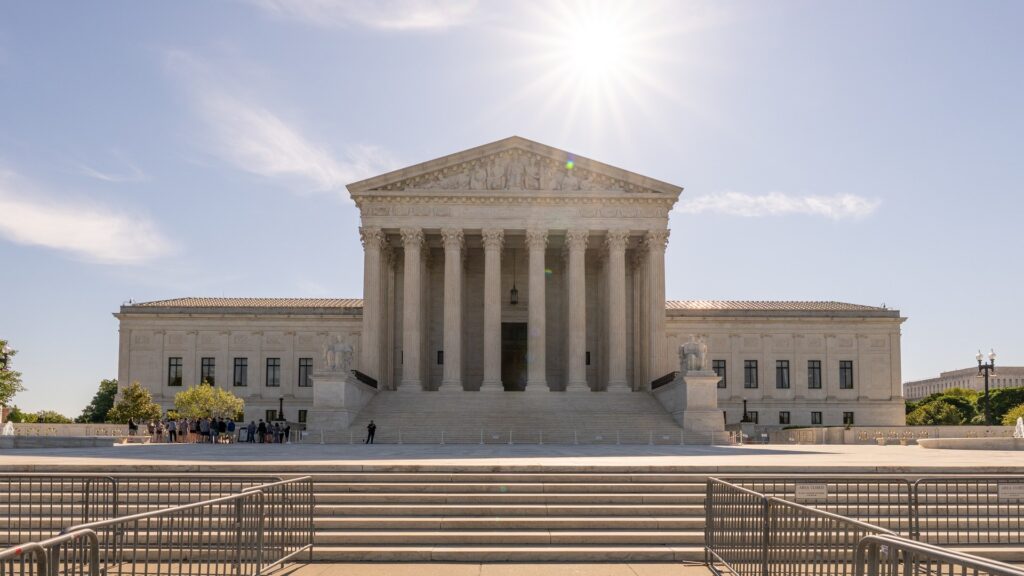
Three judges sitting in Shreveport will hear arguments in the Callais case.
The question sounds narrow and procedural on the surface.
Should a case that already erased one majority Black district now come to an end?
Or should it stay open long enough to examine the one district that remains?
For Black voters across Louisiana, that answer carries the weight of representation itself.
A Shreveport Hearing Decides the Path for the Black District
Attorney General Liz Murrill is expected to ask the panel to end the proceedings.
Her argument rests on the new map lawmakers passed on May 29.
She says the Sixth District as redrawn no longer violates the Supreme Court ruling from April.
In her filing, she warned against expanding the case into one that warrants wasting untold judicial and party resources over the next year.
The Callais plaintiffs see the same hearing in opposite terms.
They argue the injury they claimed was never fully resolved.
Their lawyers put the point plainly in court filings.
A case is not moot if it resolves some of but not all of the injury.
The panel hearing the arguments brings its own balance of history.
Former Fifth Circuit Chief Judge Carl E. Stewart of Shreveport was nominated by President Bill Clinton.
District Judges David C. Joseph and Robert R. Summerhays both sit in Lafayette.
Both were nominated by President Donald Trump.
If the case survives, the parties must offer a proposed roadmap by December 15.
Remedial proceedings are already set for March 2 and March 3 of 2027.
How Louisiana Lost Its Second Majority Black District
The road to Shreveport began with a map that finally gave Black Louisianians a second voice.
Lawmakers created that second district in 2024 after a federal court found the earlier map likely violated Section 2 of the Voting Rights Act of 1965.
Representative Cleo Fields won the new Sixth District under that map.
Twelve voters who described themselves as not African American then challenged the map as a racial gerrymander.
On April 29, a six to three Supreme Court majority agreed with them.
The Court held that the Voting Rights Act did not require Louisiana to create the additional district.
Without that requirement, the justices said, no compelling interest justified the use of race in drawing it.
Lawmakers answered within about a month and replaced the map.
The Sixth District fell from 53 percent Black to 25 percent Black.
Fields announced he would run for his old state Senate seat instead.
The new map favors five white Republicans and one Black Democrat in Congress.
The map it replaced had sent four Republicans and two Democrats to Washington.
All of this sits in a state where Black residents make up about one third of the population.
White majorities in Louisiana have never elected a Black candidate to Congress on their own.
One Voter Moved Districts and the Case Followed Him
The thread keeping this case alive runs through one man and one precinct.
Lead plaintiff Bert Callais lived in the old Sixth District.
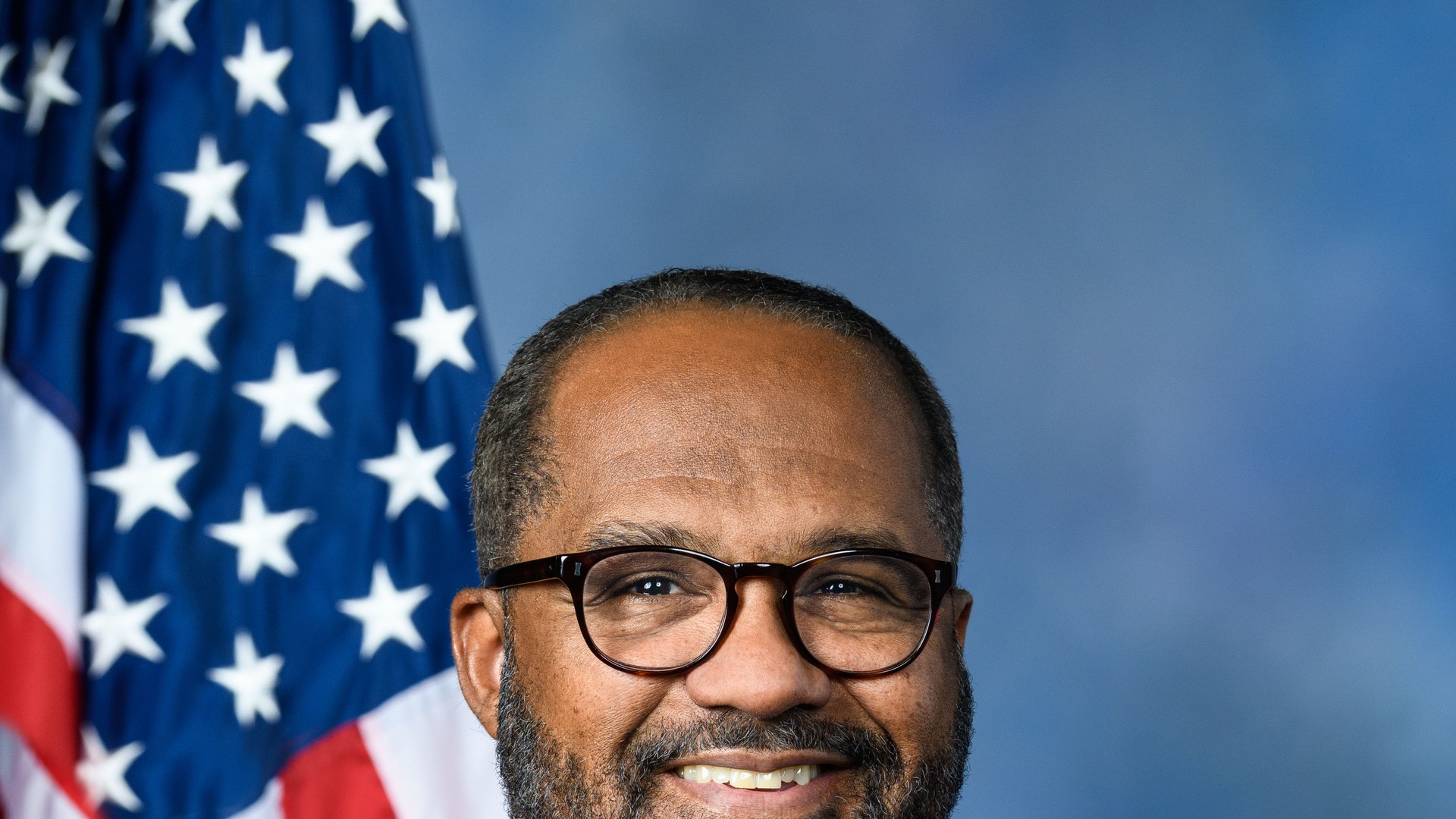
The new map moved him into the Second District held by Carter.
His lawyers, Edward D. Greim and Paul Loy Hurd, say that move left him in a potentially racially gerrymandered district.
They want judges to decide whether his precinct in Brusly was moved for a fair reason.
Or whether the move protected the Black majority in the Second District.
Brusly is a small and mostly white town in West Baton Rouge Parish.
The parish around it holds a large Black community.
Carter himself has answered the effort in blunt terms.
They will never stop in their quest for a return of Jim Crow, he said.
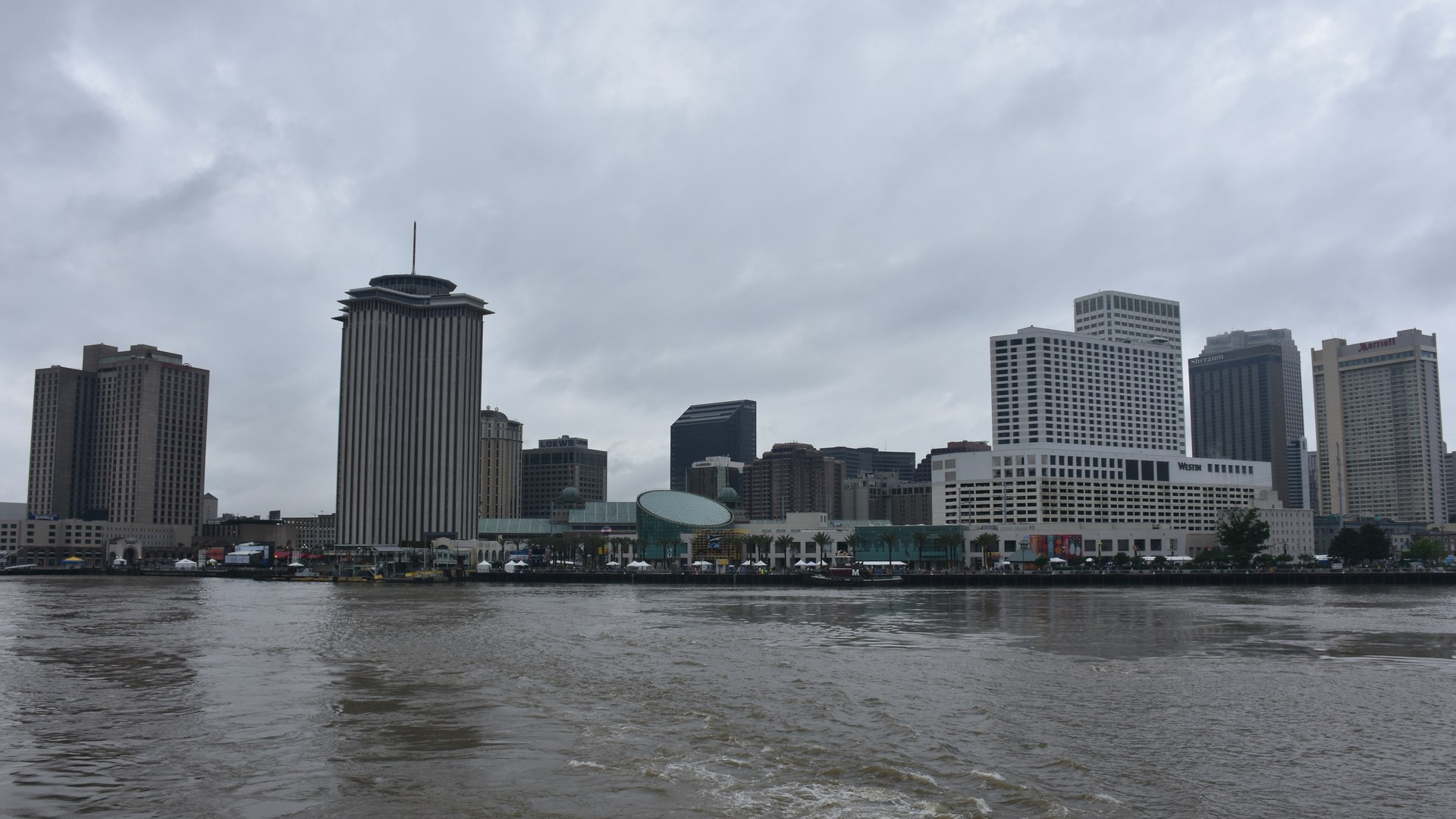
His district runs through mostly Black communities along the Mississippi River.
It stretches from New Orleans up to Baton Rouge.
No court has ruled that his district is unconstitutional.
That distinction matters, and Tuesday only decides whether the challenge gets its chance.
What a Redraw Could Do Along the River
The numbers show what is truly at stake in the Second District.
Sixty percent of its registered voters are Black.
A redraw that broke up the district would move many of those voters elsewhere.
Many would land in the First District held by House Majority Leader Steve Scalise.
Black voters make up only about 12 percent of registered voters there.
A voice that anchors a district on the river would become a small minority in another.
Ashley Shelton leads the Power Coalition, a grassroots group in New Orleans and a party in these cases.
She warned that the effort could still surprise its own backers.
The reality is that there are too many Black people in the state of Louisiana for it not to have unintended consequences, Shelton said.
She also noted that past maps were drawn to protect the seats of Scalise and House Speaker Mike Johnson.
Our coverage of poll closures hitting Black voters in Clarendon County shows the same fight in another form.
The tools change from state to state, but the target stays familiar.
The Callais Ripple Has Already Reached Other States
Louisiana is where this ruling landed first, not where it ends.
About 40 of the 140 majority minority districts in the nation were drawn because of the Voting Rights Act.
That law was enacted more than 60 years ago to open political life to Black Americans.
A century of Southern laws and policies had kept Black voters shut out before it passed.
Since April, other Southern states have moved quickly under the new ruling.
Alabama rushed to revisit its own congressional map on the same logic.
Tennessee lawmakers split the single compact district representing Memphis into three parts.
Memphis is a city where about two thirds of residents are Black.
The split ended the seat of the sole Democratic member of the Tennessee delegation.
The new lines link city neighborhoods with rural areas that favor white Republican candidates.
That is the pattern Black voters are watching unfold across the South.
Our report on the voter rolls lawsuit and threats before the vote tracked another front in that same struggle.
What Black Louisianians Can Do Right Now
Tuesday brings a second deadline that matters just as much as the hearing.
It is the final day of early voting in Louisiana.
Civil rights groups planned a day of action around the Shreveport hearing.
Supporters were urged to pack the courtroom and show the court who is watching.
Afterward, lawyers and clients planned to speak outside the courthouse.
The day was set to close with a community push to the polls.
That pairing tells the whole story of this moment.
The courtroom fight decides what maps will allow in the years ahead.
The ballot fight decides who holds power under the maps that exist today.
Black Louisianians have won representation before against lines drawn to dilute it.
They won it in the streets, in the courts and above all at the ballot box.
Readers following the final week can revisit our look at Republicans playing defense in red states for the wider map.
Election Day is Tuesday, November 3, and nothing in Shreveport changes that date.
What changes is how much of Black Louisiana still has a district of its own when the next map is drawn.