4 min read
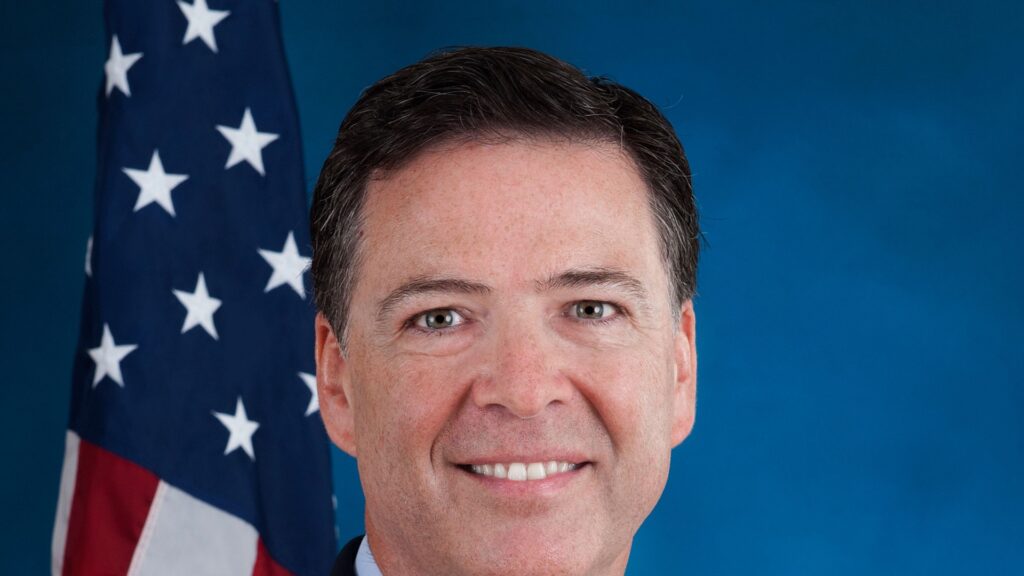
Federal prosecutors have charged former FBI Director James Comey with transmission of national defense information and conspiracy to transmit national defense information.
The case is the third federal case brought against Comey during the administration of President Donald Trump.
It played out under seal from October 5 until the charges became public on Monday.
Major Takeaways
- Prosecutors charged Comey with transmission of national defense information and conspiracy.
- The case stayed under seal from October 5 until it surfaced on Monday.
- Comey has not been indicted by a grand jury in this case.
- His lawyers moved last week to dismiss the charges, and he says he is innocent.
What the filing alleges
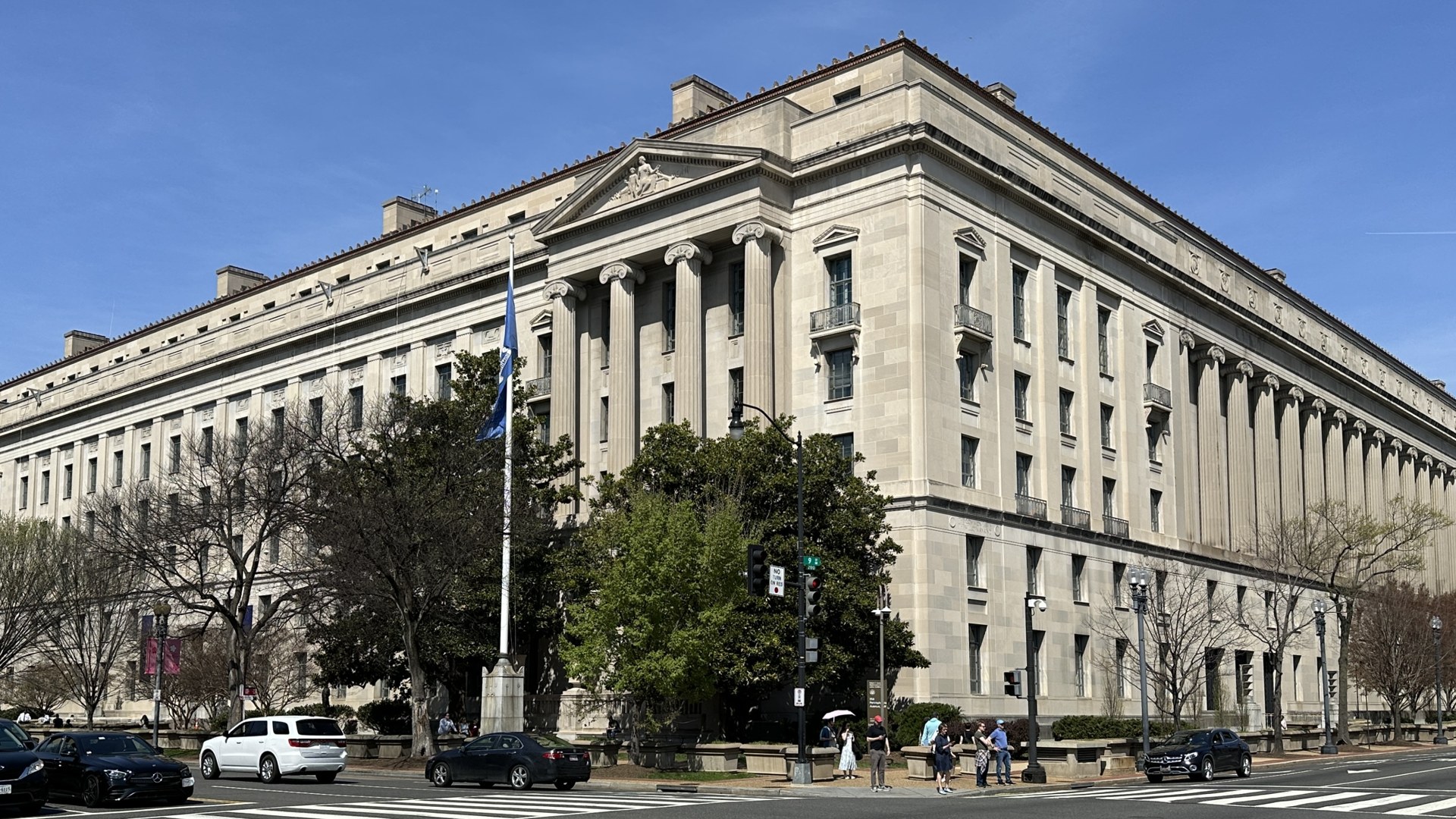
The charges were filed in federal court in Washington, in the District of Columbia.
The filing says that on or about October 5, 2016, Comey caused national defense information to be passed to a reporter at a national news publication.
Prosecutors say the information moved through one or more other people before it reached the reporter.
The filing says Comey knew the information belonged to the national defense and knew the person receiving it had no right to it.
It charges him under Section 793 of Title 18 of the United States Code, the federal law that covers gathering and transmission of national defense information.
Prosecutors also ask the court to order forfeiture of property tied to the alleged offenses if Comey is convicted.
These are allegations in a court filing. Comey has not been convicted of anything in this case, and he is presumed innocent.
Charged, but not indicted
One detail matters for understanding where this case stands.
Comey has not been indicted in this case. No grand jury has voted on these charges.
Prosecutors brought the charges through a court filing instead, and the case sat sealed while the first legal fight took shape.
Last week, lawyers for Comey filed a motion asking the court to dismiss the charges.
Comey answered the news in a short video posted online. He said the Justice Department was back again and added, “I’m still innocent.”
A long feud enters a new round
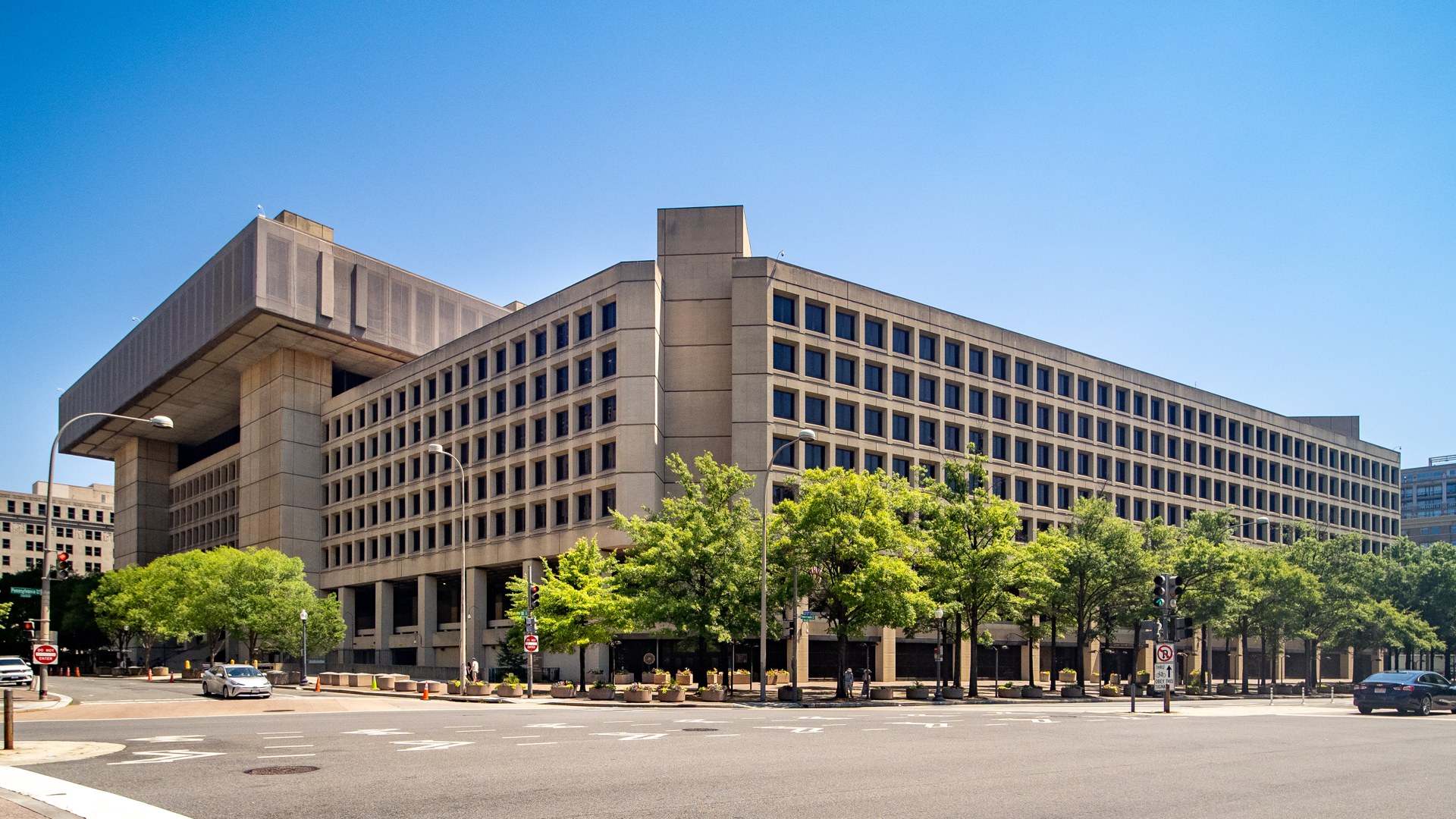
Comey led the FBI when the bureau opened its investigation into Russian interference in the 2016 election.
President Trump fired him as FBI Director on May 9, 2017, and the two men have been public adversaries ever since.
In September 2025, a grand jury in Virginia indicted Comey on charges of making a false statement and obstruction, tied to his testimony to the Senate in 2020.
The jurors in that case declined one additional charge prosecutors had proposed.
Comey pleaded not guilty in the Virginia case. His lawyers there have argued the prosecution is selective and vindictive.
Why Black America watches cases like this one
Black Americans have long experience with the weight of federal prosecution.
Federal agents surveilled Dr. Martin Luther King Jr. and other civil rights leaders, and the FBI ran a counterintelligence program that targeted Black political organizations.
That history shapes how many in our community read a case like this one.
The question under the legal arguments is a simple one. Does the Justice Department apply its power evenly, to the powerful and to the powerless alike?
A former FBI director now faces the machinery he once helped run, for the third time, while Black defendants fill federal courtrooms every week in cases that draw no cameras.
However this case ends, it will say something about whether the rules bind everyone the same way.
What happens next
The court will take up the motion to dismiss, and a judge will decide whether the case moves forward.
No trial date has been set in this case, and details of a first court appearance were not yet public on Monday evening.
This story is developing, and Urban City Podcast will follow each step.
Read more in our Big Back Politics coverage, including the Mississippi Attorney General and the Colom video fight and Republicans playing defense in red states.