7 min read
In Clarendon County, poll closures have redrawn the road to the ballot box for thousands of Black voters in South Carolina.
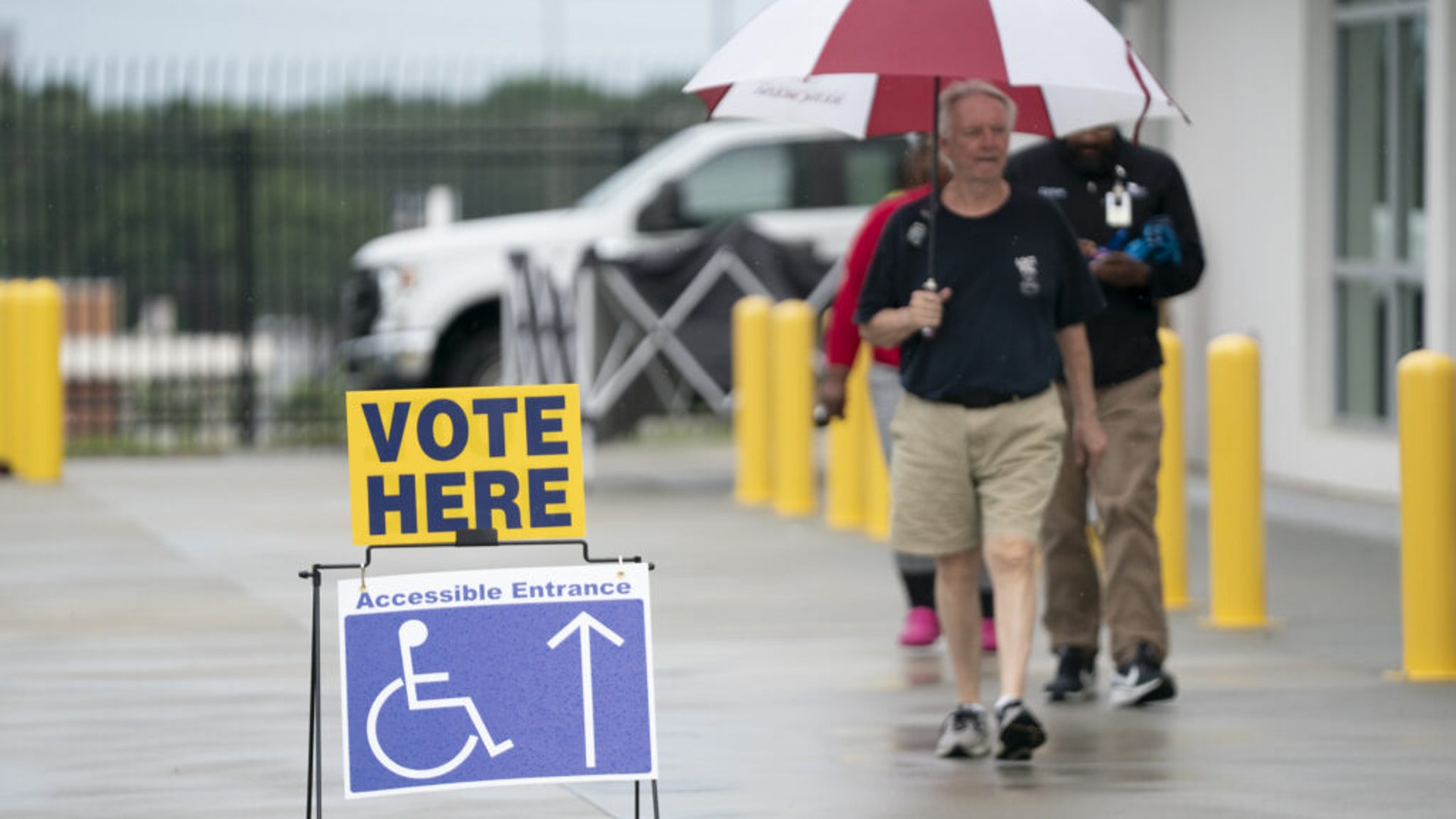
Six polling places have been closed or combined weeks before the November 3 general election.
Voters in eight precincts will now cast their ballots at only four locations on Election Day.
Major Takeaways
Six polling places in Clarendon County have been closed or combined weeks before the November 3 general election.
An analysis tied to the legal challenge says the changes touch more than 61 percent of the Black voting population in the county.
Black voters in the county are twice as likely as white voters to be affected by the consolidations.
Civil rights lawyers say state law gives only the General Assembly the power to set precincts and polling places.
The county elections board has cycled through three directors in just over a year while the dispute keeps growing.
Clarendon County poll closures put eight precincts into four locations
About one in ten people of voting age in the county must now travel outside the home precinct to vote.
For a rural county of about 31,000 people, that travel can mean a long drive with no bus line to catch.
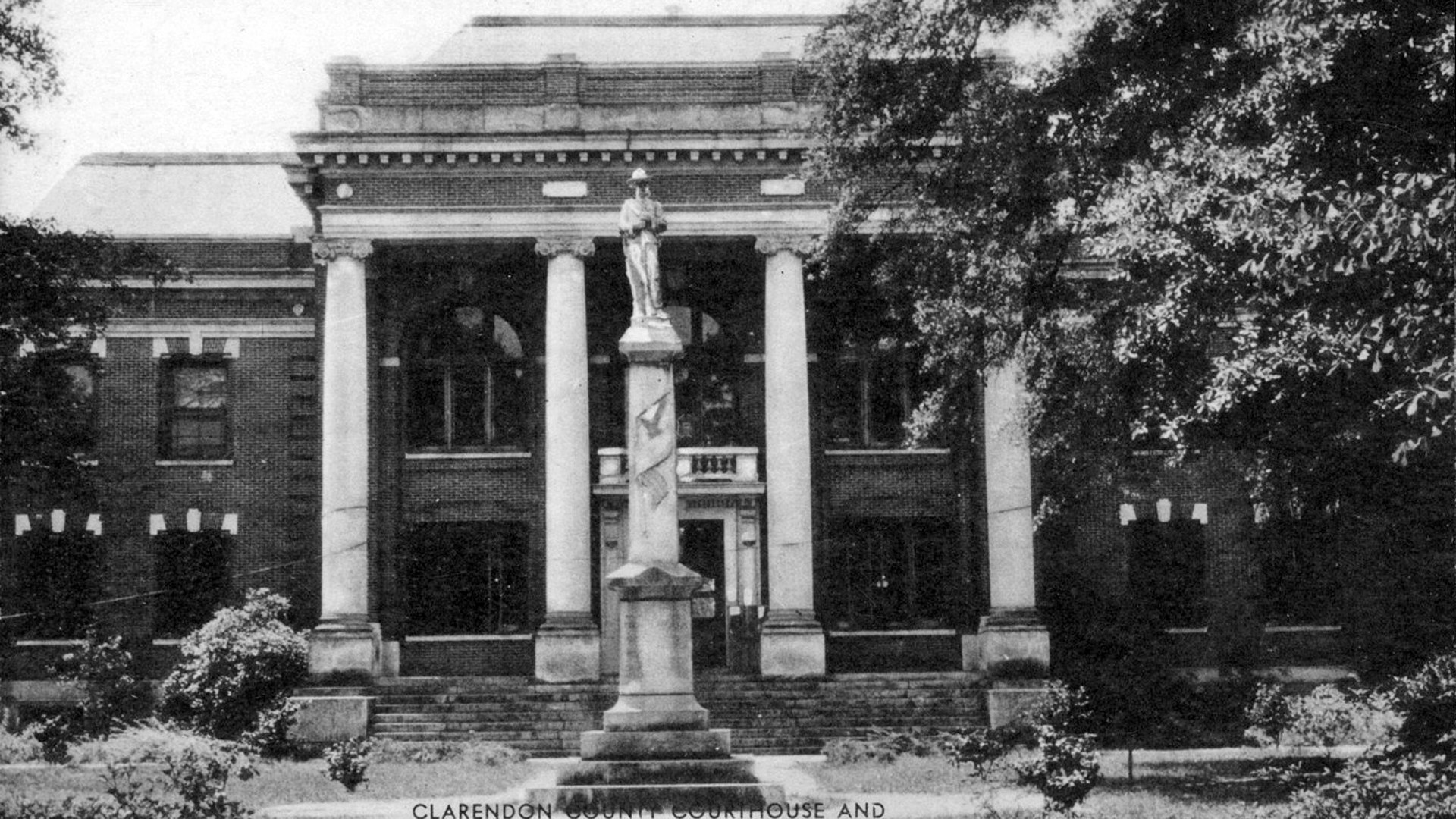
Clarendon County sits in east central South Carolina, and its county seat is Manning.
Black residents make up about 45 percent of the county population, United States census figures show.
A longer trip to vote is not a small burden where work shifts are long and cars are shared.
It is the kind of quiet change that can shave turnout without ever touching a single ballot.
Black voters carry the heaviest load in Clarendon County
“They’re disenfranchising voters so that they can keep an eye on them,” said Patricia Pringle in a recent interview.
Pringle serves as the Clarendon County auditor and chairs the county Democratic Party.
“They can consolidate them to the point where they know they can keep control of what’s going on at each precinct,” she added.
The American Civil Liberties Union of South Carolina sent a letter on October 8 to State Election Commission Chairman Conway Belangia.
In that letter, lawyers Allen Chaney and Sarah Schreiber said the county board had violated the law by closing the voting sites.
They also said Board Chairman Edward Gamble had described the consolidations as moving locations only.
The letter disputes that reading, because eight precincts now vote at only four locations.
“As a result, about 10 percent of the county’s voting age population will now have to travel outside their precinct to vote in the 2026 election,” the lawyers wrote.
Their analysis says the consolidations affect more than 61 percent of the Black voting population in Clarendon County.
Black voters are twice as likely as white voters to be affected by the board action, the letter says.
The lawyers warned that shared locations bring crowding, confusion and delays for voters who arrive.
Again, those harms fall hardest on Black voters, they wrote.
The fight arrives in the same season when secret money aimed at Black voters in Ohio showed how hard outside forces will work to move Black turnout.
What state law says about moving a polling place
Under South Carolina law, only the state General Assembly is allowed to establish voting precincts.
County election boards do not hold that power on their own, the letter argues.
In 2019, Assistant Attorney General Matthew Houck clarified that county election boards are not authorized to alter polling locations.
“South Carolina law protects voters and facilitates voting by requiring that every precinct have at least one voting location and that the voting location be inside the precinct,” Chaney said.
The State Election Commission answered both challenges with the same general response from its chairman.
Belangia wrote that polling locations may change for a variety of reasons.
A facility may no longer be available, or it may no longer meet accessibility or other requirements, he wrote.
A location may also no longer accommodate the number of voters in the precinct, he added.
He pointed to an inadequate number of poll workers and other logistical and operational considerations as well.
Chaney said his organization is exploring the extent of the problem and keeping all options at its disposal for protecting the rights of voters.
An elections office in turmoil behind the polling fight
The dispute lands on an elections office that has struggled to keep a leader in place.
Last week, the board appointed Susan Thomas as its new elections director.
She is the third person to hold the director job in just over a year.
The board voted on August 31 to terminate the previous director, Robert Adams, by a 7 to 1 vote.
Adams had led the office since February, after the board selected him in late January.
He brought nearly two decades of election administration experience from Berkeley County to the job.
Before Adams, Princess Lang began work in August 2025 and was terminated the following month.
Pringle said she believes both directors were pushed out for resisting board pressure to close polling sites and make other changes.
“I think they probably wanted him to do things he wasn’t going to do, and didn’t, because he’s going to follow state statutes and laws,” she said of Adams.
Local candidates and voters raised many of the same questions in a September 28 memo to the board.
The memo asked why six locations were closed or combined, how many voters were affected, and how those voters were notified.
It also sought answers on staffing, training, poll worker appointments and voter assistance.
The group asked about absentee ballots from the June 9 primary as well.
It said 95 absentee ballots were understood to have been returned, while official results showed only one ballot in the absentee by mail category.
The board accepted the memo during public comment but did not publicly answer the individual questions before moving on to new business.
Since then, the board has approved more poll workers for November, adding 13 names to about 118 workers approved earlier.
Why Clarendon County carries special weight in this fight
Clarendon County is not just any rural county in the long American fight over the ballot.
Local Black families brought Briggs v. Elliott, a school segregation case rooted in this county soil.
That case became one of the five cases decided together in Brown v. Board of Education in 1954.
The Supreme Court ruled in that decision that racial segregation of public schools was unconstitutional.
Black residents built that case at great personal risk, in a county where Black people were once a majority of the population.
That history is why a closed polling place here lands as more than a routine administrative change.
When the doors of a precinct close in Clarendon, elders hear an old story being told in a new way.
The right to vote was won here at a cost, and it is defended here the same way.
What Black voters in Clarendon County can do right now
Election Day is Tuesday, November 3, and early voting is open now in South Carolina.
Any registered voter can vote early in person at an early voting site within the county.
A photo ID is required to vote in person in South Carolina.
Voters should confirm the assigned polling place before Election Day, because an old card may point to a closed site.
Voting early also avoids the longer lines that shared precinct locations can create on Election Day.
Churches, families and civic groups that move voters to the polls can blunt the effect of a longer trip.
The legal fight may still change where Clarendon County voters cast ballots this fall.
Whatever the courts and commissions decide, clear notice owed to voters should arrive long before they do.
Urban City Podcast will follow the state response and any legal filing that lands before November 3.
Read more coverage in our Big Back Politics section as the midterm fight over the ballot continues.