8 min read
Op-Ed
By Felicia Brookins, Contributor

Major Takeaways
- A slogan promising to make America great again is itself a complaint about the country, and the people who cheer it are called patriots.
- Colin Kaepernick knelt in 2016 to protest racial injustice, and the nation argued about his method instead of the pain behind it.
- From Cleveland in 2016 to St. Petersburg in 2017 to the presidency in 2019, Black and Brown critics kept getting the same answer: go back.
- Elizabeth Eckford heard that shout in Little Rock in 1957, at fifteen, while trying to attend her own school in her own country.
- Citizenship should not come with a silence clause, and love of country can sound like asking it to do better.
This editorial was prompted by a social media video that raised pointed questions about irony and hypocrisy in American patriotism.
Written by Felicia Brookins
I have spent much of my writing life telling stories about people who were expected to keep quiet about what hurt them.
People who were told to protect the family’s reputation, respect the institution, keep the peace, and stop bringing up what everybody else wanted to forget.
So, I pay attention when that same expectation shows up in how we talk about America.
And I have a question.
Why can one person say America needs to be made great again and be celebrated as a patriot, while another person says America needs to do better and gets told to leave?
Take the words “Make America Great Again.” Before we discuss who wears the hat or supports the movement, let us consider what those words actually say.
If America needs to become great again, then something about its present condition is being criticized. Something has gone wrong. Something needs fixing.
That is a complaint about America. It may be packaged as a promise, but the promise rests on dissatisfaction.
The Republican Party made that message central to its 2024 platform, describing a country in crisis and presenting its agenda as the way to restore it.
And its supporters are entitled to make that argument. But so are the rest of us.
A Black mother concerned about how her son will be treated deserves that same freedom.
A Brown family questioning whether they are being treated fairly deserves it.
A citizen asking this country to live up to its promises should not have to prove that they belong here before their concern can be heard.
Yet Belonging Is Exactly What Gets Questioned
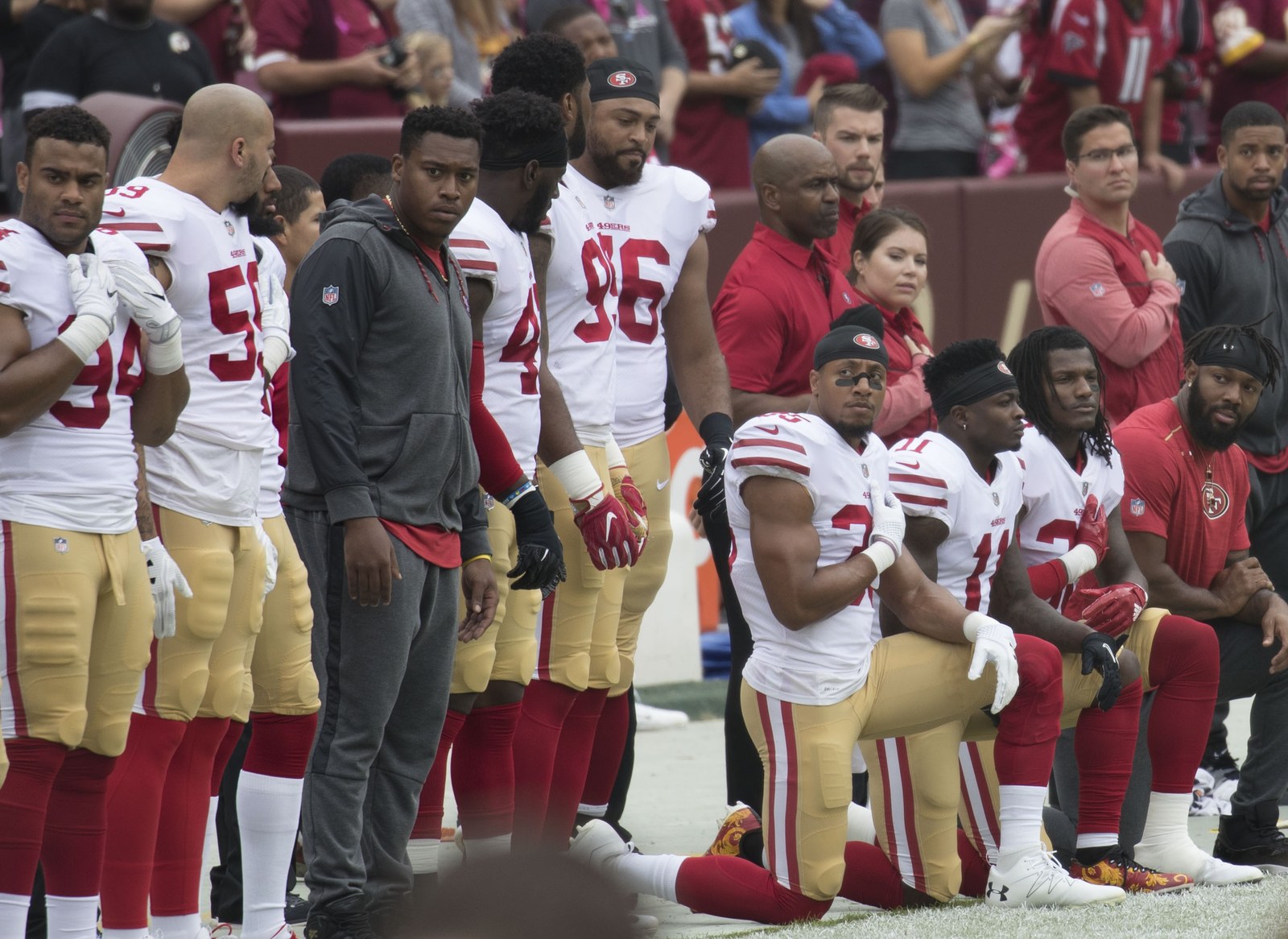
Consider Colin Kaepernick. In 2016, he began protesting racial injustice and police mistreatment of Black Americans by sitting, then kneeling, during the national anthem.
The response increasingly focused on his conduct during the anthem rather than the injustice he was protesting.
In September 2017, President Donald Trump called for NFL owners to fire players who participated in those protests.
People can disagree with how a protest is carried out. But disagreement with the method does not answer the concern.
What happens to the people whose pain started the conversation? Do they have to wait until everybody approves of how they express it?
Kaepernick’s protest and the MAGA slogan did not offer the same diagnosis or the same solution. But both expressed dissatisfaction with America as it was.
One became a celebrated declaration of national restoration among its supporters. The other became, for many critics, evidence of disrespect toward the nation.
That Difference Deserves Examination
And the words “go back to Africa” make the issue even harder to dismiss.
In March 2016, a Trump supporter outside a Cleveland rally was recorded telling Black Lives Matter protesters to “go back to Africa.”
There, alongside a campaign built around changing America, Black protesters were being told their place was somewhere else.
Think about that.
How can dissatisfaction with America justify a political movement, yet become a reason to question a Black protester’s right to remain in America?
Then came another example.
At a July 2017 mayoral forum in St. Petersburg, Florida, candidate Paul Congemi responded to reparations advocates by claiming that Barack Obama’s presidency had already served as their reparations.
He then told them that if they did not like America, flights were available from Tampa, and instructed them to “go back to Africa.”
His remarks drew objections, and the sitting mayor condemned them.
Those objections matter. Everybody did not accept what he said. But his response still reveals the problem.
People raised a concern about an unresolved injustice, and he answered by suggesting they leave the country.
He did not have to agree with reparations. He could have challenged the proposal. Instead, he challenged their belonging.
By July 2019, the same kind of message was coming from the presidency. Trump told Democratic congresswomen of color to “go back” to the places they came from.
The remarks targeted Alexandria Ocasio-Cortez, Ayanna Pressley, Rashida Tlaib, and Ilhan Omar. All four were American citizens. Three were born in the United States.
The wording was different from “go back to Africa,” but I hear the same condition underneath it: Your place here becomes questionable when your criticism makes me uncomfortable.
That is what troubles me.
Some Americans are allowed to speak as though this country belongs to them even when they are furious with it.
Others are treated as though their welcome depends on remaining grateful and agreeable.
Citizenship should not come with a silence clause. So why is criticism embraced from some people and resented from others?
I believe part of the answer lies in who is assumed to belong without having to explain themselves.
When a white political leader speaks about restoring the country, supporters can hear someone taking responsibility for what is his.
When a Black or Brown person names racism or exclusion, some listeners hear an accusation they would rather reject, and begin treating the speaker as an outsider.
Political loyalty plays a role. So does discomfort with accountability. And when the response becomes “go back to Africa,” race is plainly part of the message.
I am not suggesting that every white American responds this way, that every person of color shares the same politics, or that every MAGA supporter intends the same thing.
I am asking us to confront a double standard that these incidents make visible.
Why is one person’s frustration understood as love of country while another person’s pain is treated as ingratitude?
I recognize that pattern from the stories I write.
Someone finally speaks about what happened in the household, and suddenly the conversation becomes about their tone, their timing, or the embarrassment they have caused.
Meanwhile, the hurt remains unaddressed. A nation can do that, too.
It can become so concerned with defending its image that it stops listening to its people.
And we still need to ask; Great again when, and for whom?
Before we romanticize an earlier America, we should listen to the people who were denied opportunities in it.
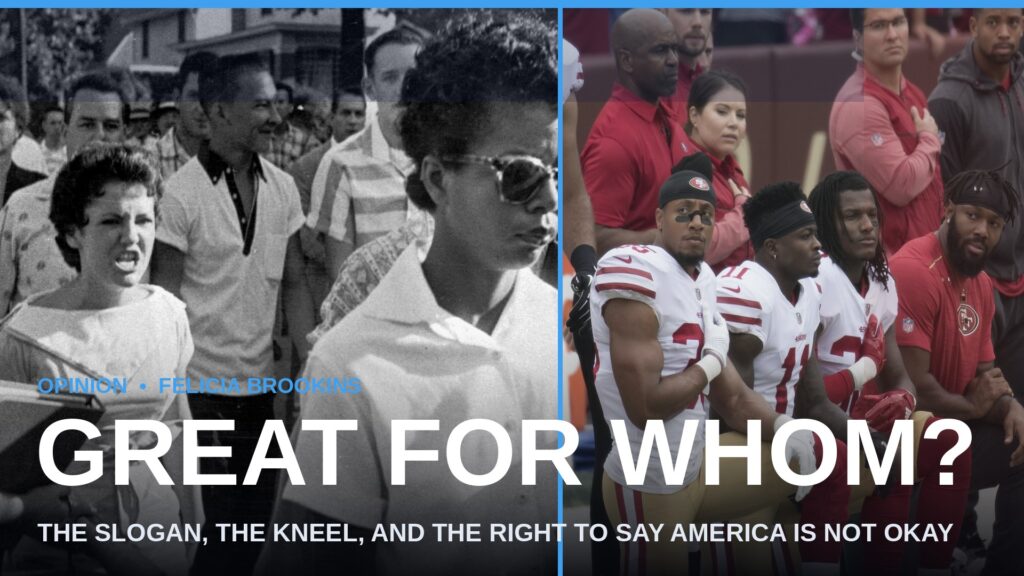
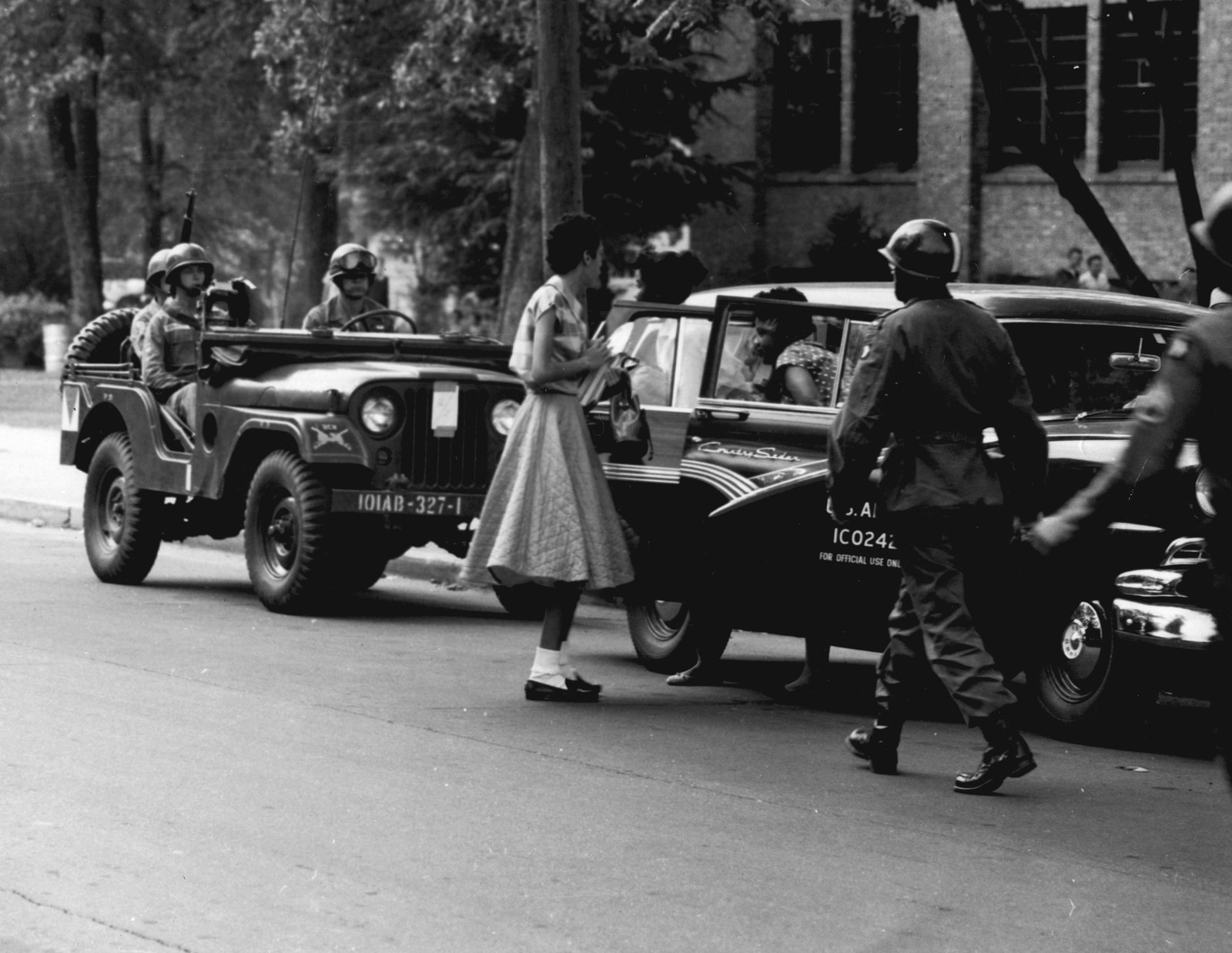
In 1957, fifteen year old Elizabeth Eckford was trying to attend Little Rock Central High School as one of the Little Rock Nine.
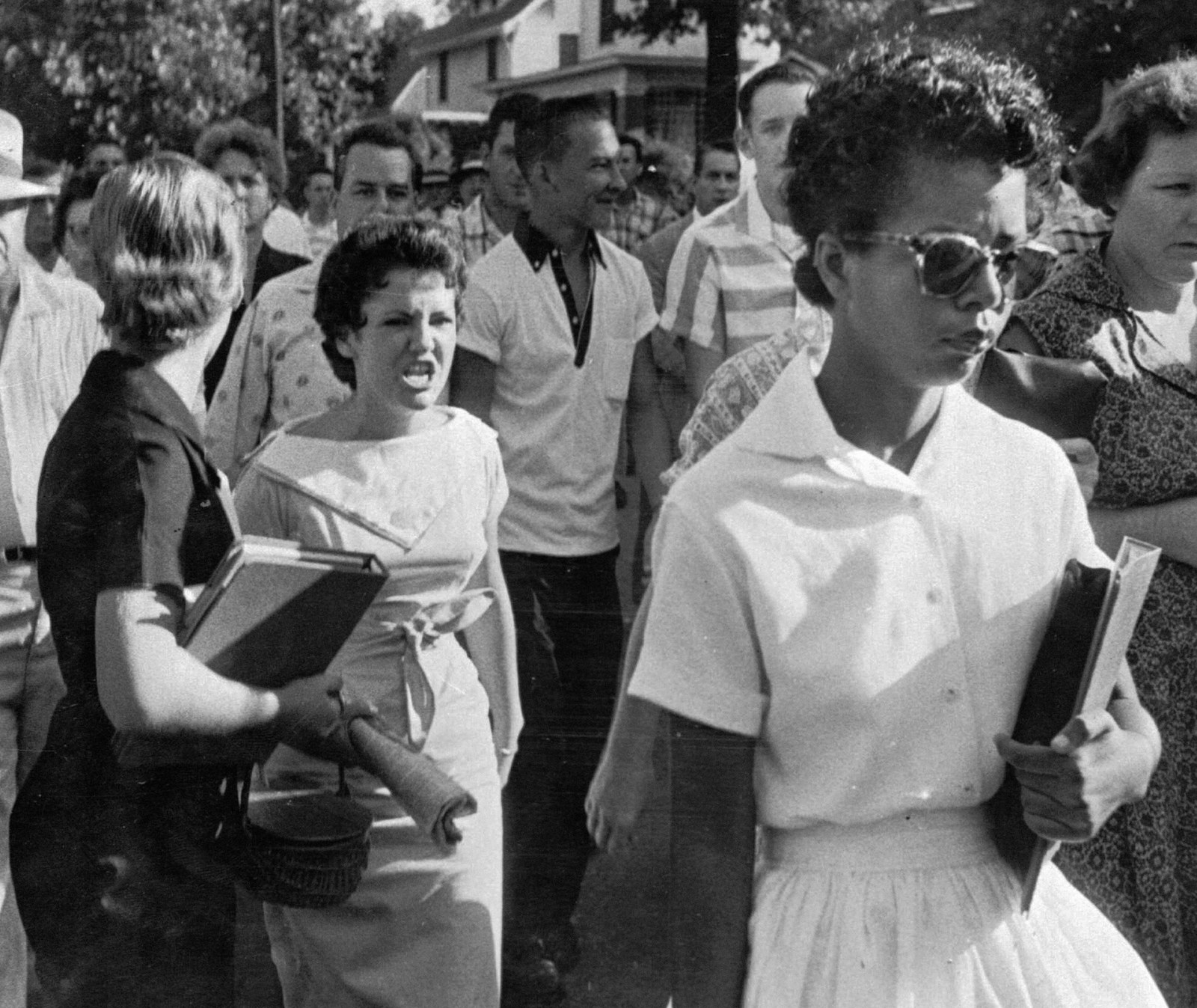
Hazel Bryan, a white teenager in the hostile crowd, shouted for her to “go back to Africa.” Elizabeth was seeking an education in her own country.
That history gives the word “again” a different weight.
I want an America where we can disagree about solutions without questioning whether the person raising the problem belongs here.
Where concern about racism receives the same serious hearing as concern about jobs, prices, or the direction of the country.
We do not have to agree with every criticism. We do have to stop making someone’s acceptance conditional on their silence.
I love this country enough to want its promises to reach the people still waiting on them.
And I should not have to pack a suitcase to say so.
What are your thoughts?