
6 min read
For years, Black Southern voters were told their states were out of reach and not worth the investment.
This month, those voters answered by delivering upset victories across the South in proportions not seen in generations.
The clearest example sits in Mississippi, the state with the largest share of Black residents in the nation.
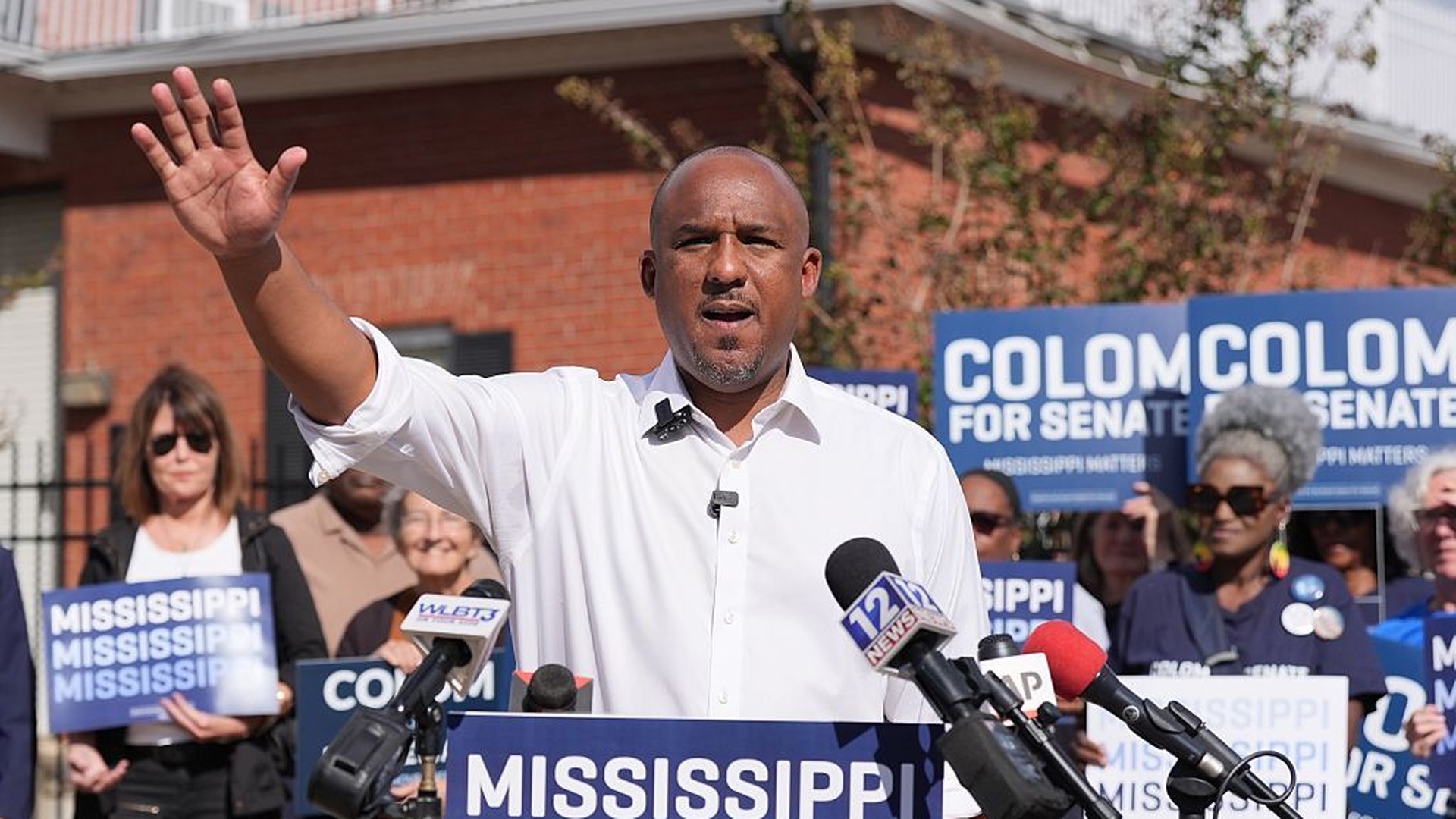
Scott Colom, a district attorney, upset incumbent Senator Cindy Hyde Smith and became the first Black senator from Mississippi since Reconstruction.
In Hattiesburg, Colom won Forrest County by 11 percentage points, a county Donald Trump carried by 18 points in 2024.
Major Takeaways
- Black voters helped deliver upset Democratic victories across the South, including a historic Senate win in Mississippi.
- Organizers say Black led groups never stopped investing in Southern voters, even when national parties looked elsewhere.
- Exit poll data shows about 97 percent of Black voters backed Colom, joined by 27 percent of white voters.
- Leaders warn the gains will fade without sustained funding for registration, canvassing, and local organization before 2028.
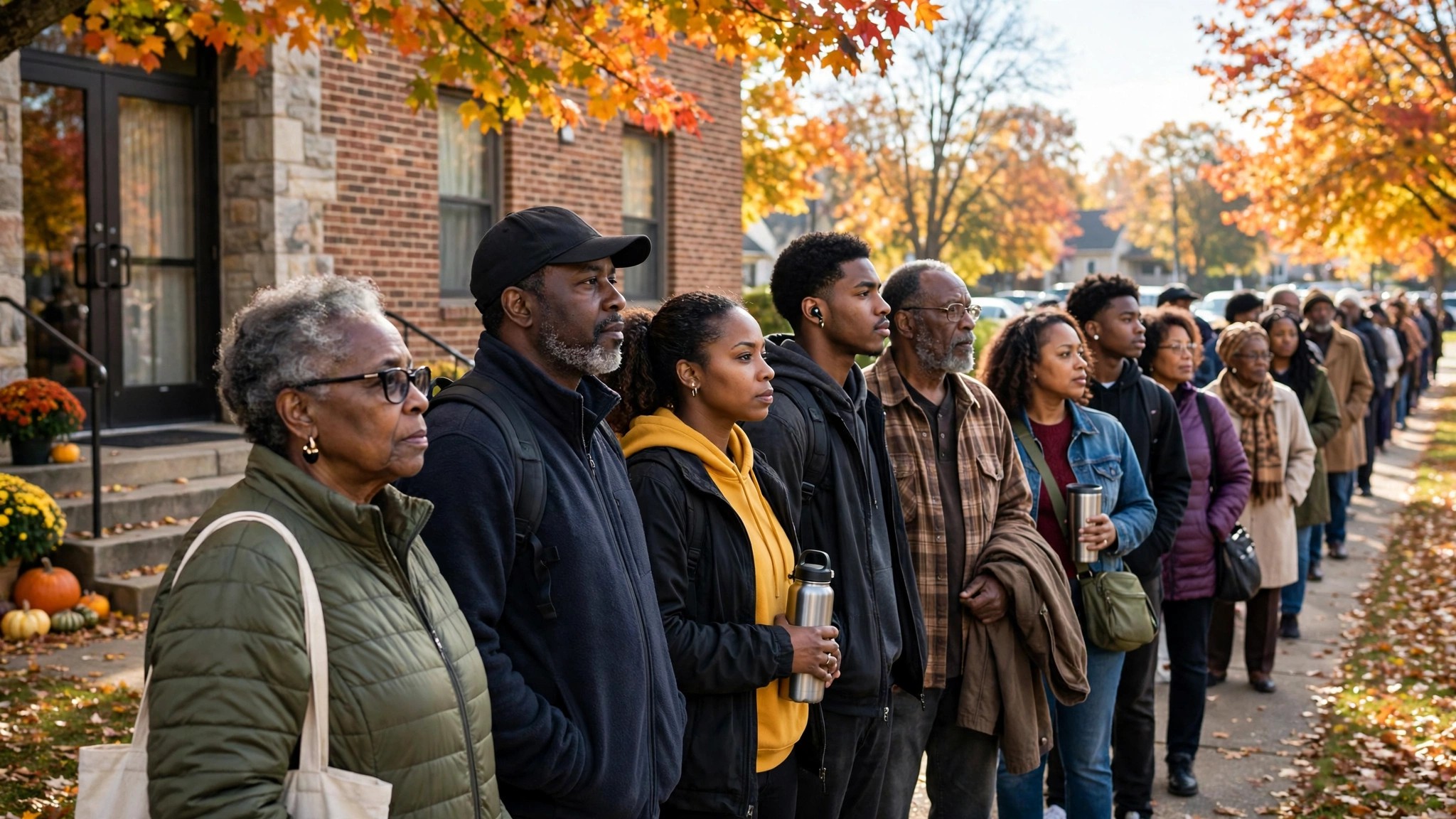
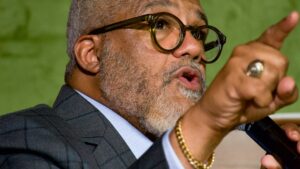
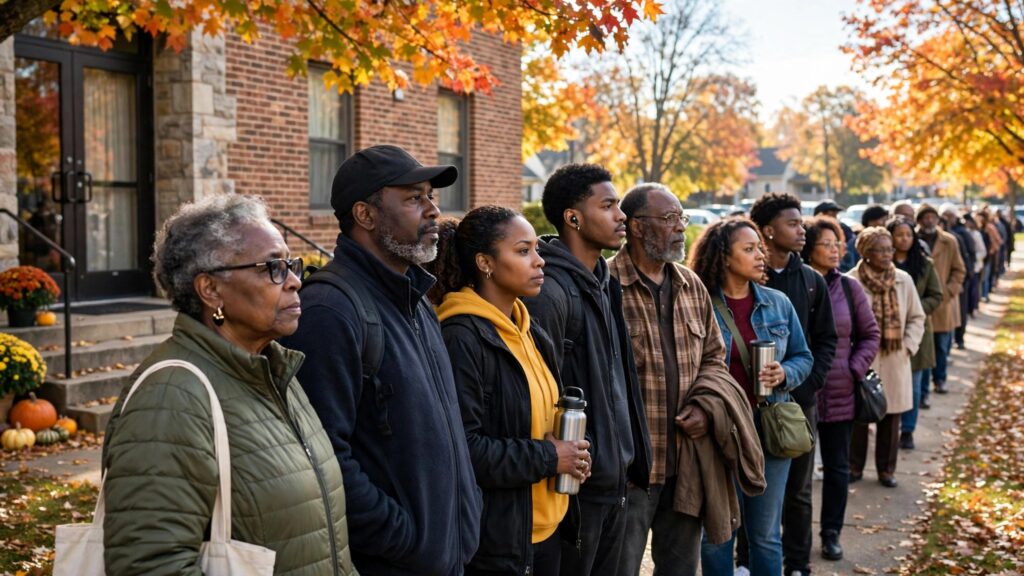
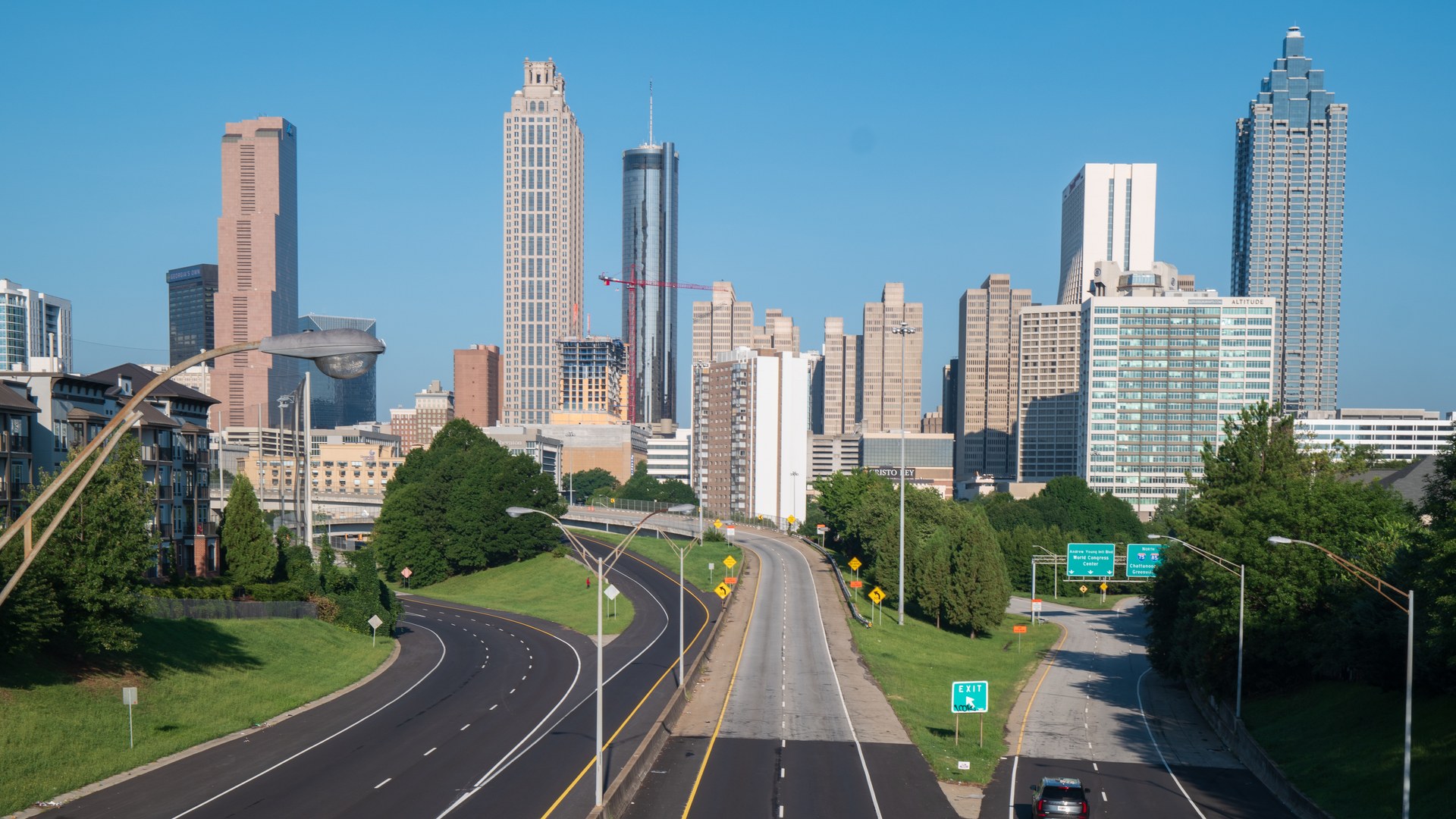
Photos: Black voters in line and Scott Colom at a campaign podium from the Urban City Podcast media library; Atlanta skyline from the Urban City Podcast media library.
A Morning In Hattiesburg Says Plenty About This Moment
In Hattiesburg, the sun rises over a memorial to Vernon Dahmer, a civil rights leader murdered in 1966 by the Ku Klux Klan for paying poll taxes for fellow Black voters.
Yards away stands a Confederate monument from 1910, a symbol of racism to many residents.
Melanie Sowell, chair of the Forrest County Democratic Party, sees new hope between those two landmarks.
“One day, if we continue this fight, the sun will set on the segregation, the racism and hatred that we live with every day and fight so hard to combat,” Sowell said.
Gloria McCray Watson, an academic counselor at Jackson State University, described the mood among Mississippi voters in plain terms.
“We have done so much to try to get power back in the hands of the people,” she said. “And I feel like we got sick and tired.”
That energy showed up in the numbers, and it reached well beyond one Senate race.
Wins Stacked Up Across The South, Even On Redrawn Maps
In Georgia, Democrats won two statewide seats, including the governor race.
Keisha Lance Bottoms became the first Black woman elected a state governor in United States history.
Black women in Georgia also won races for attorney general, secretary of state, agriculture commissioner, insurance commissioner, labor commissioner, and school superintendent.
In Alabama, Representative Shomari Figures won reelection even after lawmakers redrew his district to favor Republicans.
Trump had carried the new areas of that district by about 14 points in 2024.
In North Carolina, Representative Don Davis, a Black Democrat, also won reelection in a district redrawn to favor his opponents.
In Tennessee, State Representative Justin Pearson ran in a Memphis area district that Republicans split into three, and he lost by roughly 1.1 points.
Close losses in Florida and Louisiana also landed far tighter than recent history suggested they would.
About 9 in 10 Black voters supported the Democratic candidate in their local House race this year, up from about 8 in 10 who supported Kamala Harris in 2024.

Organizers Say The Secret Was Never A Secret At All
Black political leaders have argued for years that lasting power in the South grows from investing in its large Black electorate.
For decades, national strategy centered on a narrow map of battleground states and left much of the South with little sustained investment.
Marc Morial, president of the National Urban League, said the party made a long retreat from grassroots organizing, candidate recruitment, and voter registration.
“The important lesson to be learned here is that the Democratic Party’s future flows through the South,” Morial said.
Melanie Campbell, president of the National Coalition on Black Civic Participation, pointed to the groups that stayed.
“Black led organizations never stopped investing where our people are,” Campbell said.
Her organization worked alongside an NAACP voter engagement campaign and more than 160 local organizations across the region.
The ground work was often thin and improvised, even in a winning race.
Canvasser Seija Hunter in Forrest County recalled starting with little more than a sample ballot.
“When we started out, we didn’t even have any flyers, so we were going to people’s houses and people would ask us, ‘What does he look like?’,” Hunter said.
Colom final margin also turned on affidavit ballots, votes set aside at the polls and counted later by hand, a process organizers say earlier investment could have made less decisive.
What Pushed So Many Black Voters To The Polls
Leaders say much of the motivation came from Washington itself.
Federal workforce cuts caused a cascade of job losses among Black workers, said CJ Rhodes, pastor of Mt. Helm Baptist Church in Jackson.
The push to eliminate diversity, equity, and inclusion programs added to that anger.
So did a Supreme Court decision that weakened the Voting Rights Act and allowed states to redraw maps in ways that diluted Black representation.
Rhodes said Black voters across Mississippi were simply “activated.”
Republican voices offer a different read on the same results.
Tennessee Republican Party chair Steve Hickey in Williamson County pointed to voter frustration over the cost of living and a fading economic message.
Diante Johnson, president of the Black Conservative Federation, said lower engagement from Trump supporters and unfunded grassroots work hurt his side this cycle.
Senate Democrats, for their part, note they flipped nine seats in 2026, including seven in states Trump carried by double digits in 2024, and say they will work to flip every seat they can in 2028.

The Real Test For Black Southern Voters Starts Now
The open question is whether Mississippi was an exception or the start of a broader shift in American politics.
Registration Nation, a nonpartisan registration group, identified thousands of unregistered Black voters across Mississippi and South Carolina this cycle.
Its president, Andrea Pringle, put the challenge in one sentence. “You cannot let people vote and then go away,” she said.
Deborah Delgado, the first Black woman elected to the Hattiesburg city council, worries that state leaders who still control the governorship and both legislative chambers could answer with new maps or tighter voting rules.
For Black families across the South, the stakes are jobs, voting access, and whether their history and identity remain under attack or finally get defended.
Readers can follow more coverage in our News section and our Big Back Politics coverage at Urban City Podcast.
The voters have shown what is possible when they are organized and motivated.
Whether the investment finally follows them is the story to watch between now and 2028.