7 min read
Major Takeaways
- Williams founded Provident Hospital in Chicago in 1891, the first Black controlled hospital in the nation, staffed by doctors of every race.
- On July 10, 1893, he repaired the torn sac around the heart of stabbing victim James Cornish, one of the first successful heart operations on record.
- Cornish left the hospital 51 days later and lived for decades after his surgery.
- Williams later led Freedmen Hospital in Washington and helped found the National Medical Association in 1895.
- In 1913 he became the first Black member of the American College of Surgeons.
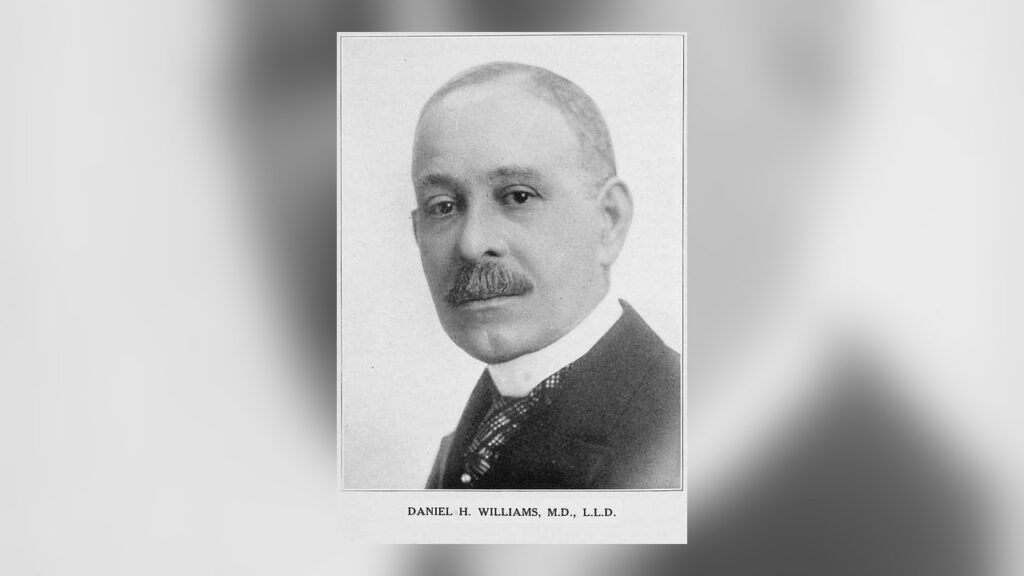
Daniel Hale Williams did something in 1893 that much of the medical world believed could not be done.
He opened the chest of a dying man, repaired the sac around a beating heart, and watched that man walk out of the hospital alive.
He performed the operation in a hospital he had founded himself, because the doors of American medicine were mostly closed to Black doctors and Black patients alike.
A Barber Chair Start in Pennsylvania and Wisconsin
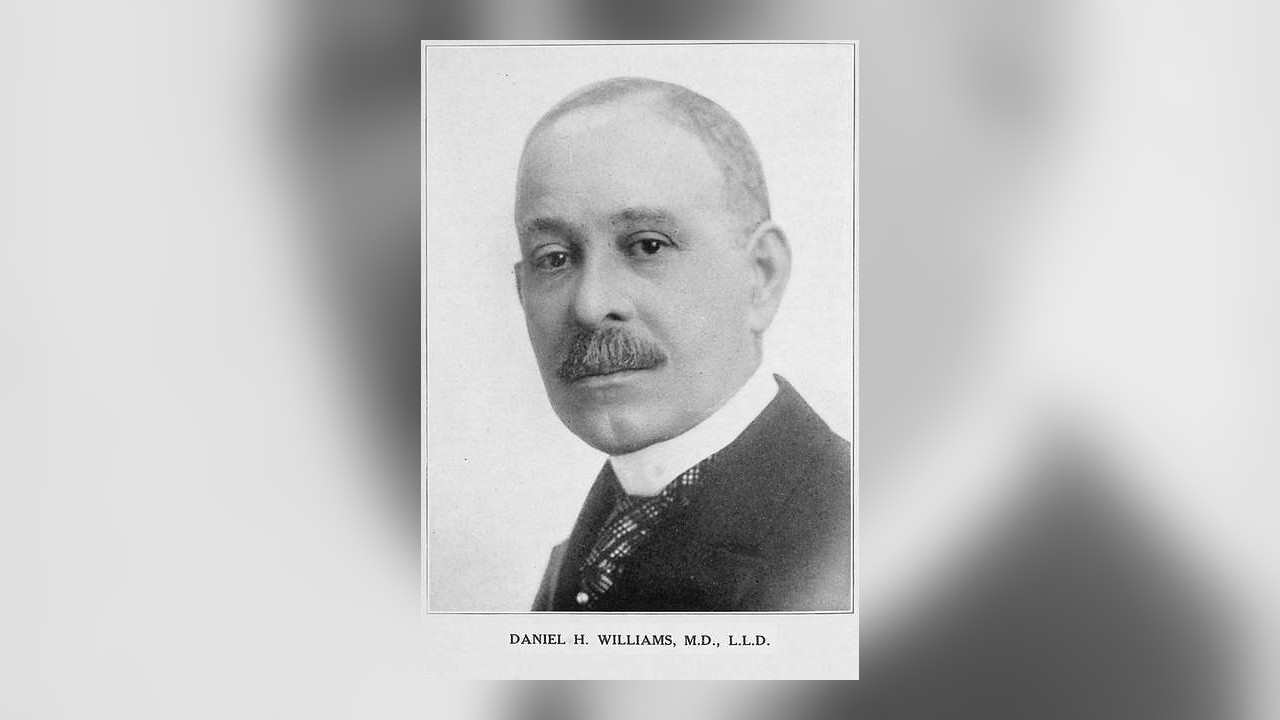
Daniel Hale Williams was born on January 18, 1856, in Hollidaysburg, Pennsylvania.
He was the fifth of seven children born to Daniel Hale Williams II and Sarah Price Williams.
His father worked as a barber. When his father died while Daniel was still young, the family scattered and struggled to stay together.
Young Daniel lived with family friends in Baltimore and with relatives in Illinois. He worked as an apprentice shoemaker and then as a barber, cutting hair to survive.
In 1878 his life turned. He began working in the office of Dr Henry Palmer, a Wisconsin surgeon, and medicine took hold of him.
Williams entered Chicago Medical College in 1880. He earned his medical degree in 1883, ready to practice in the city that would make his name.
Chicago Put Daniel Hale Williams to Work
Williams opened his own practice in Chicago and taught anatomy at the medical college that had trained him.
Patients and colleagues called him Doctor Dan. He built his reputation on skill and on discipline, insisting on modern sterile technique at a time when infection killed many surgical patients.
In 1889 the governor of Illinois appointed him to the State Board of Health. His talent was plain to anyone who watched him work.
Yet the color line in medicine stood firm. Black doctors were barred from staff privileges at white hospitals, and Black nurses had almost nowhere to train.
At the time, only 909 Black physicians served a Black population of 7.5 million people across the nation.
Williams stated his conviction plainly. A people who do not make provision for their own sick and suffering, he said, are not worthy of civilization.
Provident Hospital Rose on the South Side in 1891
Williams answered exclusion the way builders do. He organized, raised support, and opened a hospital of his own.
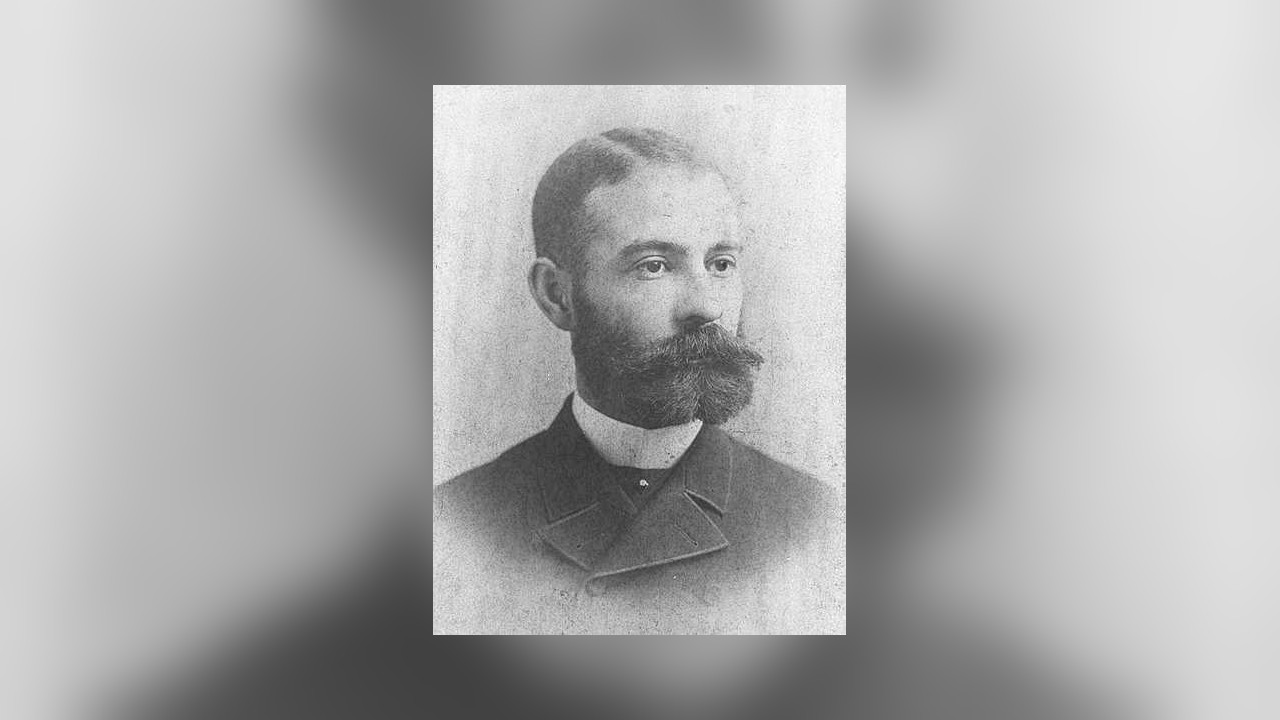
Provident Hospital and Training School opened on May 4, 1891, on the South Side of Chicago, in a three story building with twelve beds.
Provident was the first Black controlled hospital in the nation. It was also the first hospital in the country with an interracial medical staff.
Its training school was the first in the United States built to train Black nurses, opening a profession to Black women whom other schools refused.
Patients of every race came through its doors. Under Williams, Provident posted a patient recovery rate of 87 percent, a record that silenced doubters.
The pattern would echo for generations. Builders like Maggie Lena Walker, who turned pennies into a banking first in Richmond, proved the same truth in another field. When the door stays shut, our people build a house of their own.
The Night James Cornish Reached Provident
On the night of July 9, 1893, a young Chicago man named James Cornish was stabbed in the chest during a fight.
He reached Provident Hospital fading fast and slipping into shock. The wound showed little blood on the surface, which made it more dangerous, not less.
Williams suspected the blade had gone deep, close to the heart itself. Waiting offered Cornish almost no chance at all.
On the morning of July 10, Williams made his decision. He would open the chest and look for the wound, a step many surgeons of the era considered reckless.
Six doctors gathered to observe the operation, four white and two Black. What they were about to witness would travel around the world.
A Beating Heart in His Hands
Williams worked without the tools modern surgeons take for granted. There was no blood transfusion available, no antibiotics, and no modern imaging to guide his hands.
He opened the chest and found a damaged artery near the heart. He repaired it with careful stitches.
Then he found the deeper wound. The knife had gashed the pericardium, the protective sac that surrounds the heart, close to a coronary artery.
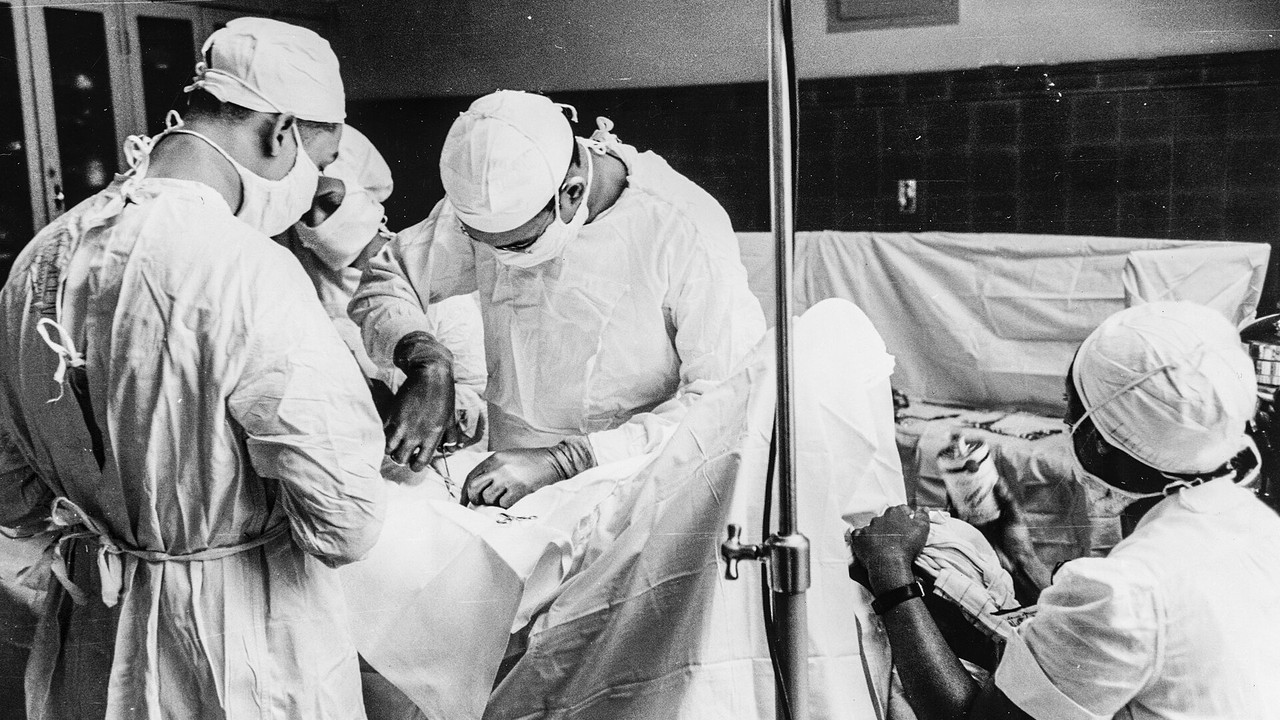
Williams rinsed the wound with salt solution. He held the edges of the torn sac with forceps and sewed it closed while the heart beat beneath his fingers.
Fifty one days after he arrived near death, James Cornish walked out of Provident Hospital on his own strength. He lived for decades after the operation.
The surgery stands as one of the first successful heart operations ever recorded, performed by a Black surgeon in a Black built hospital that segregation had made necessary.
Freedmen Hospital and a National Stage
Fame followed the operation. In 1894 Williams was appointed chief surgeon of Freedmen Hospital in Washington, the most prestigious medical post then open to a Black physician.
He found a hospital worn down by years of neglect and rebuilt it. He raised surgical standards, organized an ambulance service, employed a multiracial staff, and started a training school for Black nurses.
Doctors traveled from far and wide to watch him operate and to study the standards he set.
In 1895 Williams helped found the National Medical Association, a national home for Black physicians who were barred from membership in the American Medical Association.
He married Alice Johnson in 1898 and returned to Chicago, where he took up his work at Provident again.
His path ran alongside other Black institution builders of the era, and it pointed forward to pioneers like Dr Charles Drew, who built the blood bank that saves lives a generation later.

Honors That Came Slowly, Institutions That Lasted
For two decades Williams also served as a visiting clinical surgeon at Meharry Medical College in Nashville, training young Black doctors.
He operated at Cook County Hospital and at St Luke Hospital in Chicago, where he worked until 1926.
In 1913 the American College of Surgeons welcomed him as its first Black member and its only Black charter member. The honor came twenty years after the operation that changed surgery.
A stroke forced his retirement in 1926. Daniel Hale Williams died on August 4, 1931, in Idlewild, Michigan, at the age of 75.
His memory lives in working medicine to this day. At Howard University Hospital, an emergency call for a failing heart is still announced as a Doctor Dan.

Why Daniel Hale Williams Still Matters Today
Heart disease remains a leading cause of death in Black communities, and too many Black families still meet the health care system at its hardest moments.
Black doctors remain a small share of the physician workforce. Black patients still fight to be heard, believed, and treated with full dignity.
Williams faced the same wall in a harsher century. His answer was not complaint. His answer was construction.
He built a hospital where none was offered. He trained nurses whom other schools rejected. He organized doctors whom the national association refused to seat.
Every Black surgeon, nurse, and physician practicing today walks through doors that Daniel Hale Williams helped force open, and some of those doors he built with his own hands.
His story belongs in every conversation about American medicine. Find more stories like his in the Black in the Day series at Urban City Podcast.