6 min read
Major Takeaways
The Senate passed the permitting bill on Thursday night by 62 votes to 33, and the bill now moves to the House.
Black leaders warn the bill weakens public input, limits access to the courts, and puts community health at risk.
Supporters say faster permits will speed clean energy, lower power bills, and build transmission lines the country needs.
Critics want the House to block the bill and let the new Congress elected this month write a fairer version in January.
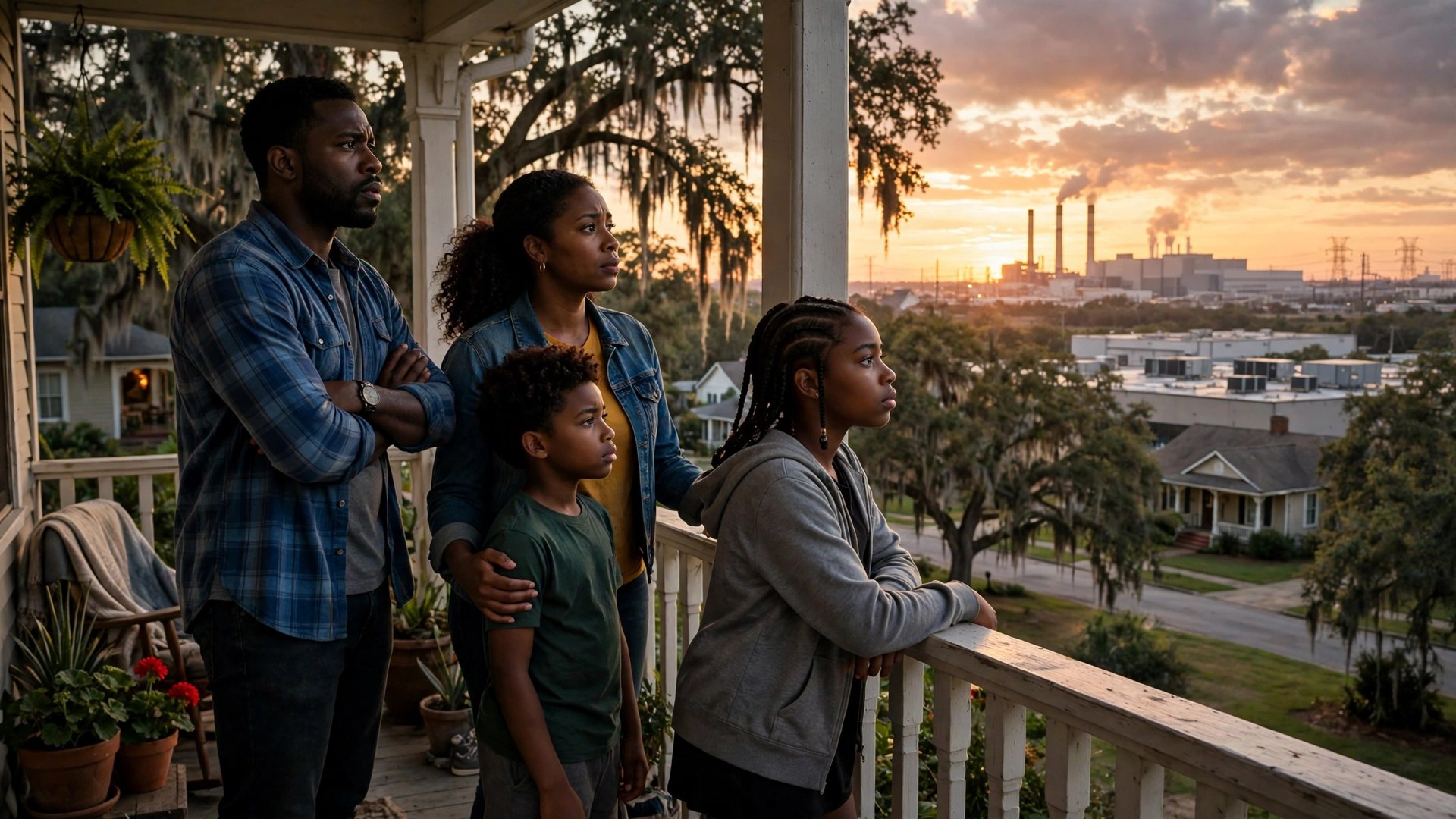
The Senate passed a permitting bill on Thursday night that will shape what gets built near Black neighborhoods for years to come.
The vote was 62 to 33. The bill now goes to the House, where its fate will test whose voice counts in Washington.
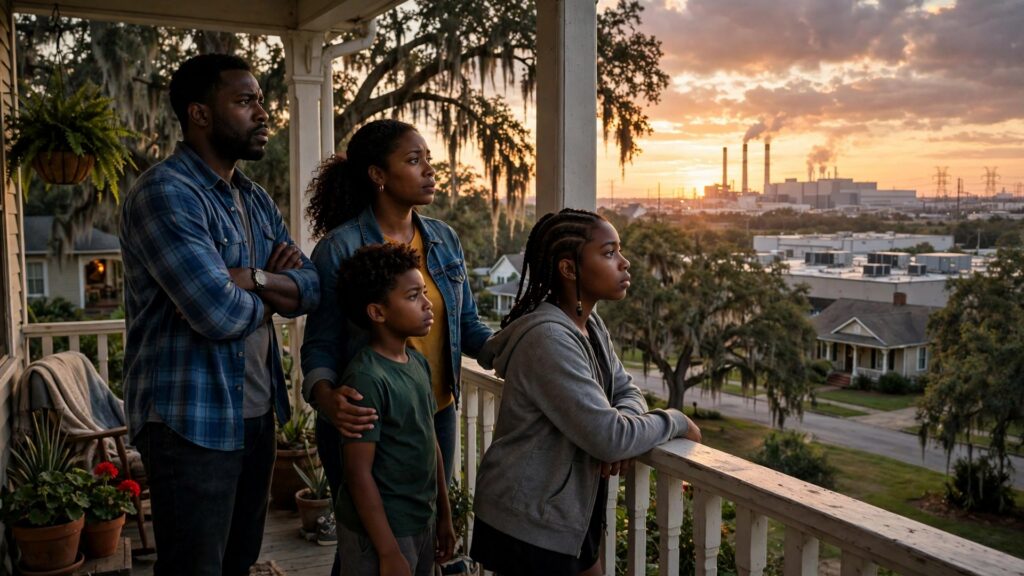
For Black families in the South, this fight is not abstract. It is about plants, pipelines, and data centers near home.
1. A Big Bill Rushed Through The Final Weeks
The Bipartisan American Affordability and Jobs Act rewrites how the federal government reviews large energy and infrastructure projects.
It speeds permits for mines, pipelines, power plants, and data centers. It also speeds permits for wind, solar, and transmission projects.
The bill was written by Senators Shelley Moore Capito and Mike Lee with Senators Sheldon Whitehouse and Martin Heinrich.
Support fell as debate went on. The Senate first voted 73 to 25 to take up the bill on November 9.
By Thursday night, only 62 senators voted yes. More than 150 amendments were offered, and debate on them was blocked.
Senator Edward Markey of Massachusetts called the bill a wolf in sheep clothing in a statement after the vote.
Markey said the bill will let President Donald Trump approve projects across the country without concern for public health or public consent.
2. Why Black Leaders Say Our Neighborhoods Pay First
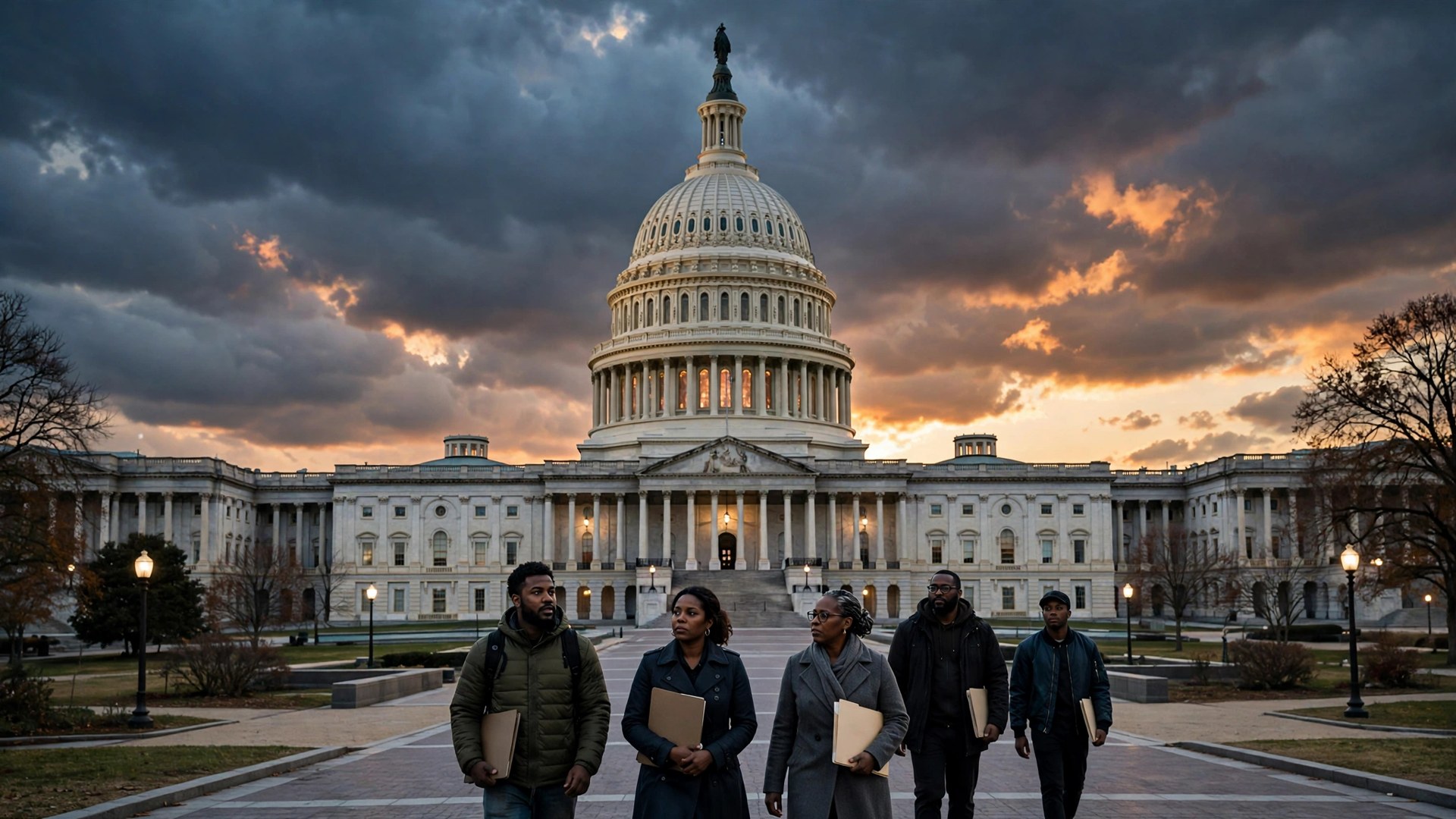
The NAACP strongly opposes the bill. Its leaders say the decision was rushed and the risk lands on Black communities first.
Abre Conner leads environmental and climate justice work at the NAACP. She warned against rushing a choice that threatens Black health.
Conner said the bill puts community health and the health of the planet in the hands of billionaires and their interests.
She said a fair approach starts from the ground up, with community protection at its core and power to hold polluters accountable.
Liz Zepeda of the Southern Environmental Law Center made the same point in plainer terms after the Senate vote.
Zepeda said the bill forces regular people in low wealth communities and communities of color to give up their power.
She said it asks those families to risk their health and their way of life, while fossil fuel companies compromise on nothing.
The concern is history. Black neighborhoods have long been placed beside highways, plants, and waste sites with the least power to object.
Public comment periods and court challenges are often the only tools those neighborhoods have. This bill narrows both tools at once.
That is why the same communities fighting for the ballot in the Mississippi voter purge fight see this vote as a power fight too.
3. Supporters Say Building Has To Move Faster
Supporters answer that the current system traps good projects for years and keeps power bills high for working families.
Citizens Climate Lobby praised the vote and called permitting reform climate legislation that puts clean energy on a level playing field.
The group cited modeling that the bill could cut climate pollution by billions of tons over time.
The same modeling projects annual electricity system savings of 11.7 billion dollars and lower home power bills by 2.5 billion dollars a year.
It also projects new transmission lines growing at a pace 167 percent to 262 percent faster than the past decade.
Markey disputes the household math. He said the bill delivers about five dollars a month in savings fifteen years from now.
He said it delivers a huge win for big technology firms and big oil companies right now, not years from now.
4. The Timing Is The Politics
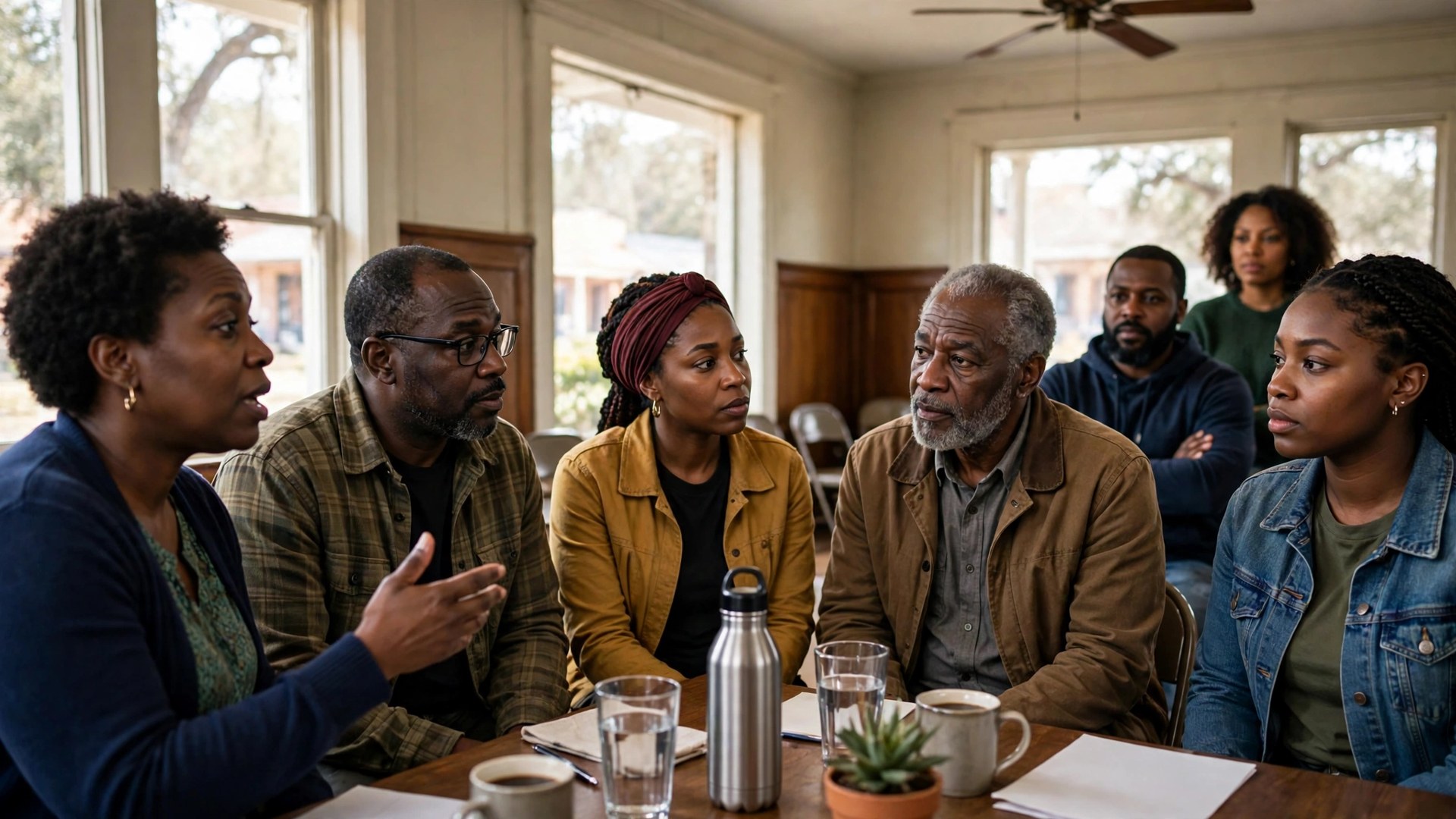
This vote did not happen in a vacuum. It happened weeks after voters gave Democrats sweeping majorities in the midterm elections.
Black voters backed Democratic House candidates by 85 percent to 13 percent in a national poll of more than 10,000 voters.
All five top concerns named by Black voters in that poll were about affordability, led by the cost of living at 60 percent.
That is the same demand carried in the seven demands Black women set for the first 100 days of the new Congress.
Critics ask why a bill this large had to pass in the final weeks of the old Congress, before that new majority takes power.
Markey urged the House to block the bill so the work can restart in January with a Democratic majority writing the bill.
Loren Blackford of the Sierra Club said the House must reject the rushed bill and demand real debate for the people.
Nat Mund of the Southern Environmental Law Center said there were no hearings and no real chance for the public to weigh in.
5. What Happens Next In The House
The House can pass the bill, change it, or let it die when this Congress ends. Each path carries real stakes.
If the House passes it as written, the bill goes to President Trump, who backed faster permitting throughout the debate.
If the House blocks it, permitting reform returns in January, when the new Congress convenes on January 3 and the speaker vote takes place.
Black advocates say January offers a chance to write community protection, tribal consultation, and court access into the text from the start.
What Black communities are asking for is simple. Build what the country needs, but do not build it on our backs.
Speed cannot be the only value in the law. Health, consent, and accountability have to count when a project lands next door.
Follow the House fight and the rest of our politics coverage in Big Back Politics as this story develops.