11 min read
Major Takeaways
- House Democrats choose their nominee for speaker by secret ballot on Wednesday, November 18, and Hakeem Jeffries of New York has no declared challenger.
- If the full House elects him on January 3, Jeffries would become the first Black speaker in the history of the chamber.
- A petition demanding a new speaker has passed 1.12 million signatures, and a bloc of incoming members is withholding support while it presses its demands.
- One incoming member from Ohio says senior Democrats warned his life would become a living hell if he refused to back Jeffries, a claim party leaders dispute.
Hakeem Jeffries stands two votes away from becoming the first Black speaker of the House, and neither vote looks simple anymore.
The Brooklyn Democrat announced his candidacy on November 4, one day after voters gave his party control of both chambers of Congress.
In a letter to colleagues he humbly requested their support to serve as the next speaker of the House of Representatives.
No Democrat has declared a challenge against him in the two weeks since that letter went out.
Yet the race around him has grown louder by the day, driven by petitions, protests and public holdouts.
House Democrats pick their nominee by secret ballot on Wednesday, November 18, in leadership elections that run into November 19.
The full House then elects the speaker on the floor when the new Congress convenes on January 3, 2027.
Jeffries, 56, has led House Democrats since he succeeded Nancy Pelosi, becoming the first Black lawmaker to lead a party in either chamber.
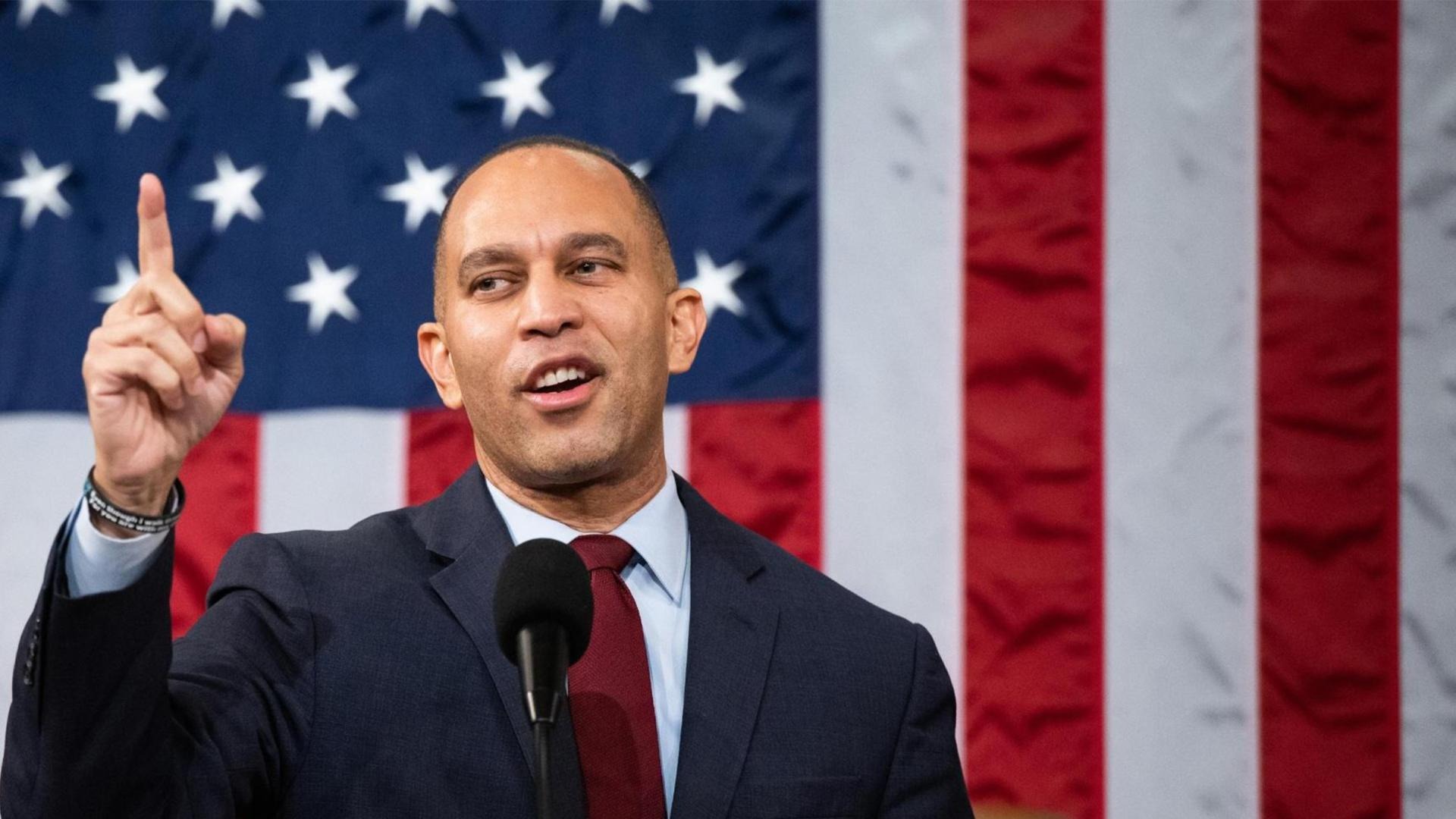
Hakeem Jeffries Runs Unopposed and Still Faces a Fight
On paper, the math favors Jeffries by a wide margin.
Democrats have won at least 255 House seats, with more than a dozen races still uncalled.
At a news conference on Monday, November 9, Jeffries projected that Democrats will hold more than 260 seats when counting ends.
A speaker needs 218 votes if every member votes for a named candidate on January 3.
That cushion means Jeffries could lose roughly three dozen Democratic votes on the floor and still take the gavel.
He has also stood as the Democratic nominee for speaker 20 times without losing a single Democratic vote.
His establishment support runs deep and public.
The New Democrat Coalition, a caucus of more than 100 members, says Jeffries is the right person at the right time to lead the party.
Congressional Black Caucus Chair Yvette Clarke of New York is among his declared backers.
Clarke said she is excited to cast her vote for the first Black Speaker of the House and a true Brooklynite.
Representative Alexandria Ocasio Cortez put the establishment case in one line, saying there is one candidate in this race, Hakeem Jeffries.
Potential rivals have stepped aside one by one.
Representative Jamie Raskin of Maryland, often named as a possible alternative, said he is not a candidate for speaker in any way.
Raskin added that he is supporting Hakeem and voting for Hakeem.
Jeffries himself acknowledged the open door while closing it in the same breath.
Someone could always emerge in the next week or so, he said, but right now there are no declared challengers and no indication anyone may put themselves forward.
A Living Hell Claim Puts the Pressure Campaign in Public
The sharpest charge in this fight comes from a man who has not yet taken the oath of office.
Incoming Representative Don Leonard of Ohio beat Republican Representative Mike Carey in the Fifteenth District on November 3.
He flipped a seat that President Donald Trump carried by about 10 points in 2024.
Leonard, a former Ohio State University city planning professor, posted a video on November 10 describing a meeting the night before.
He said senior members told him in no uncertain terms that refusing to back Jeffries would mean making his life a living hell for the next two years in Washington.
He said they also warned he would be sure to lose his election in two years.
Leonard called the threats the stuff you see in the movies, and he has not named the members involved.
He said a letter from Jeffries still left several of his constituents questions unanswered.
House Democratic Caucus Chair Pete Aguilar answered the claim at a news conference the same day.
Aguilar said he does not know what senior Democrats Leonard is talking about, and he added there is no question Jeffries will be the next speaker.
A fact check this week found no evidence that Jeffries himself threatened to withhold committee seats from anyone.
That rumor grew out of the Leonard account of what other senior members told him.
Leonard insists he is asking for no committee seat and no personal favor.
His price is policy, and he shares that price with a wider group of holdouts.

The Bloc Is Selling Its Votes for Policy, Not Posts
The resistance is concentrated among incoming members who have not yet been sworn in.
An informal progressive group known as the Bloc has declined to commit its votes to Jeffries.
Its members include Claire Valdez and Darializa Avila Chevalier of New York and Adam Hamawy of New Jersey.
Melat Kiros of Colorado, Chris Rabb of Pennsylvania and Donavan McKinney of Michigan are also in the group.
None of the six has put forward an alternative candidate for speaker.
Instead, they are using the speaker vote as leverage for commitments from the man who needs their votes.
Their demands include Medicare for All, cuts to immigration enforcement funding and a halt to weapons shipments to Israel.
Valdez, who has not committed yet, said people are angry and delivered a mandate last Tuesday.
She listed that mandate as lowering costs, ending the war, reining in immigration enforcement and taking on the most corrupt and powerful oligarchy this world has ever seen.
Leonard and incoming Representative Richard Ojeda of North Carolina have named a more specific price.
Both want Jeffries to commit to a ban on corporate political action committee contributions before they vote for him.
Leonard wants a constitutional amendment by 2028 to shut down Elon Musk and corporate money and Israeli lobby money.
Ojeda put it more simply, saying it is time to stop allowing the billionaire class to buy our elections.
Leonard also wants a House vote on an amendment to overturn Citizens United and an end to United States support for the war in Iran and for Israel.
Other newcomers are still in conversation rather than in revolt.
Representative Delia Ramirez of Illinois said she has begun conversations with Jeffries and wants leadership to make it easy for her to vote for the one person running.
Jeffries met with the North Carolina delegation last Wednesday, and its incoming members say they are still listening.
At a Thursday news conference he promised to keep talking to every member of the caucus, current and incoming alike.
He said he is confident the caucus is on a positive trajectory, but he takes nothing for granted.
Pressley Is the Name in the Room Without Entering the Race
With no declared challenger, the loudest alternative is a name that has not been offered.
Activists have pushed Representative Ayanna Pressley of Massachusetts to run, and a petition backing her for speaker has passed 90,000 signatures.
A far larger petition, titled House Democrats Choose a New Speaker, has collected more than 1.12 million verified signatures.
That petition was created on September 3, weeks before the midterms, and it crossed one million names over this past weekend.
Pressley has privately told colleagues she does not want the role, according to multiple House Democrats.
Her spokesperson Ricardo Sanchez said she is in active conversations with Leader Jeffries about how to leverage this majority, meet the moment and deliver for the people.
Sanchez added that she appreciates the groundswell of support lifting up her leadership in her district and across the country.
Pressley has instead spent the days since the election telling her party what the majority must do.
She urged Democrats not to just talk about health care justice but to pass Medicare for All.
She urged them not to just talk about Black lives mattering but to enact reparations now.
She also called for abortion access legislation and for taking every last dollar from immigration enforcement and abolishing the agency.
The public pressure turned physical in Denver on November 13, at a conference billed as the place where Democrats would chart the path through 2028.
Protesters repeatedly interrupted a Jeffries panel, shouting traitor and demanding a Green New Deal and Medicare for All.
Some interrupters were escorted out of the room, and no injuries or arrests were reported.
One young protester told him she is scared for her future.
The day before that panel, Jeffries had posted that the caucus will clean up the mess in Washington, get big money out of politics and ban members of Congress from trading stocks.
His office offered no comment on the heckling.
Black Voters Delivered This Majority and Are Watching Its Price
For Black America, this fight carries a weight that goes far beyond party procedure.
The speaker sits second in the line of succession to the presidency and controls what the House debates, funds and investigates.
No Black lawmaker has ever held that gavel in the 237 years of the House.
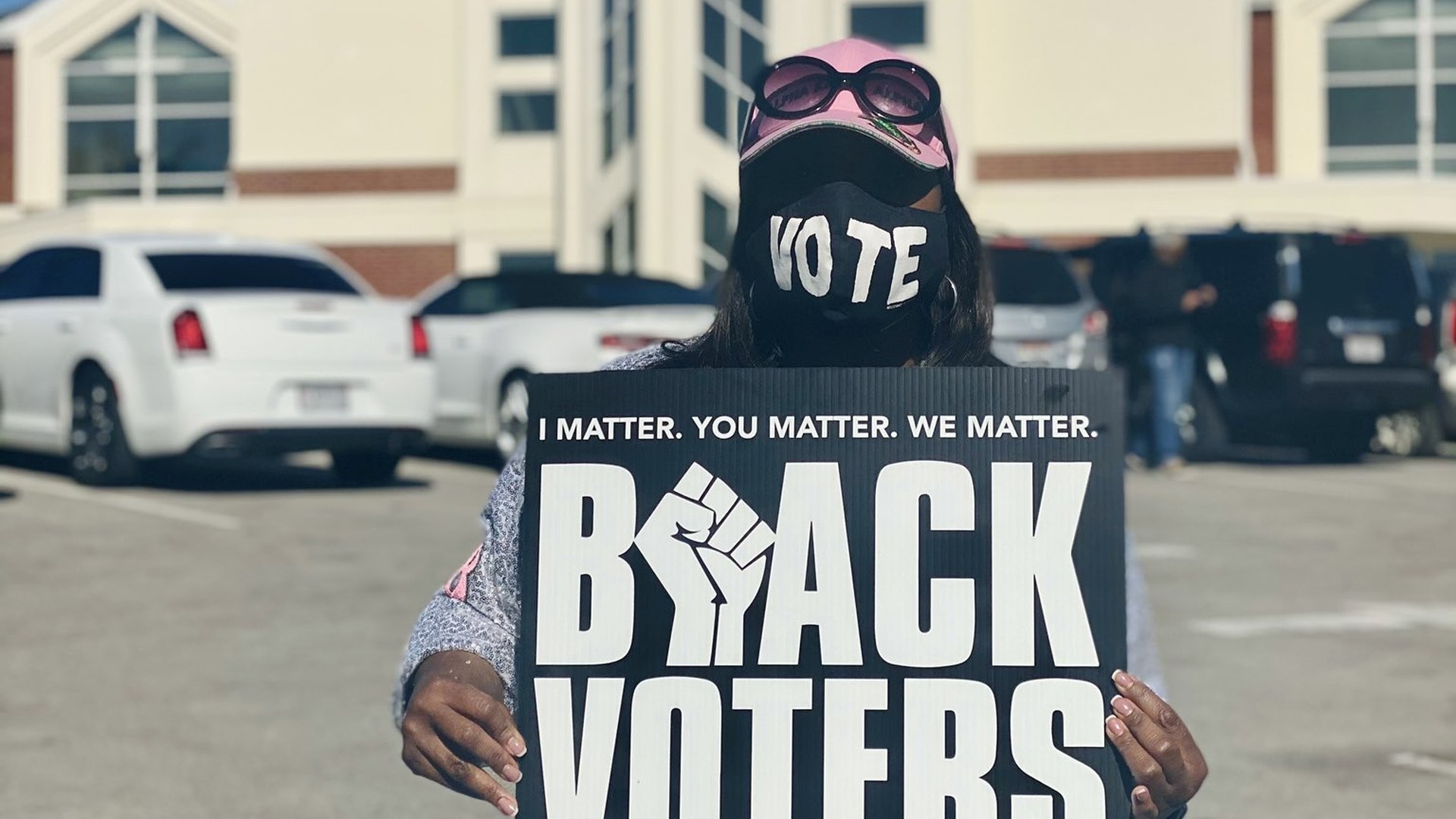
Black voters helped build the majority that makes this moment possible, backing Democratic House candidates at a rate of about nine in ten voters.
That support arrived even as new district maps cut into Black representation, as our reporting on Black House seats slipping to 60 has documented.
The incoming Congressional Black Caucus will be led by Troy Carter of Louisiana, whose rise we covered in Troy Carter and the largest Black Caucus in history.
Carter backs Jeffries for speaker and wants a voting rights bill at the front of the new majority agenda.
That is the real question underneath the petition signatures and the shouted demands in Denver.
Black communities did not turn out in record numbers to watch a historic gavel change hands while their agenda waits in line.
Health care costs, voting rights, housing and the price of daily life decided this election in Black neighborhoods.
A speaker who owes his margin to holdouts bargaining over money in politics will govern with those bargains attached.
A speaker who wins without making any bargains will face the same demands the morning after the vote, with less leverage left to grant them.
Either way, the caucus that Black voters built will expect the first Black speaker to deliver more than a place in the history books.
Wednesday Vote Is the First Test and January Is the Real One
The calendar now runs this story.
On Wednesday, November 18, House Democrats vote by secret ballot, and Jeffries needs only a simple majority of his caucus to win the nomination.
Every account of that vote expects him to clear the bar, and the size of any no bloc is the number Washington will read.
A handful of no votes reads as protest, while a bloc of three dozen would prove the holdouts can threaten the floor vote in January.
Across the Capitol, a parallel fight is testing Senate Democratic Leader Chuck Schumer, who faces a challenge from Senator Chris Van Hollen of Maryland.
House Republicans, now headed for the minority, elected Representative Jim Jordan of Ohio as their next minority leader over Representative Steve Scalise of Louisiana by 106 to 73.
Until January 3, Speaker Mike Johnson keeps the gavel and the new majority exists only on paper.
Jeffries has laid out a 100 day agenda that starts with extending Affordable Care Act tax credits and repealing the Trump tariffs.
One late October poll put his national approval at 26 percent, with 47 percent of Americans disapproving, a reminder that history and popularity are different contests.
What happens on Wednesday will not settle the argument over what this majority is for.
It will show, for the first time on a ballot that counts, how deep the divide runs inside the party Black voters just returned to power.
Follow continuing politics coverage at Urban City Podcast.