6 min read
Major Takeaways
- New York City disbanded the NYPD Strategic Response Group on Monday, ending a unit long accused of brutal protest policing.
- Kettling, tear gas and long guns are now banned at protests, and pepper spray can no longer be used for crowd control.
- A civilian led dialogue division and a 30 officer First Amendment Support Team will now lead the city protest response.
- The move answers a defining grievance of the 2020 Black Lives Matter protests, when investigators found the unit played a central role in excessive force.
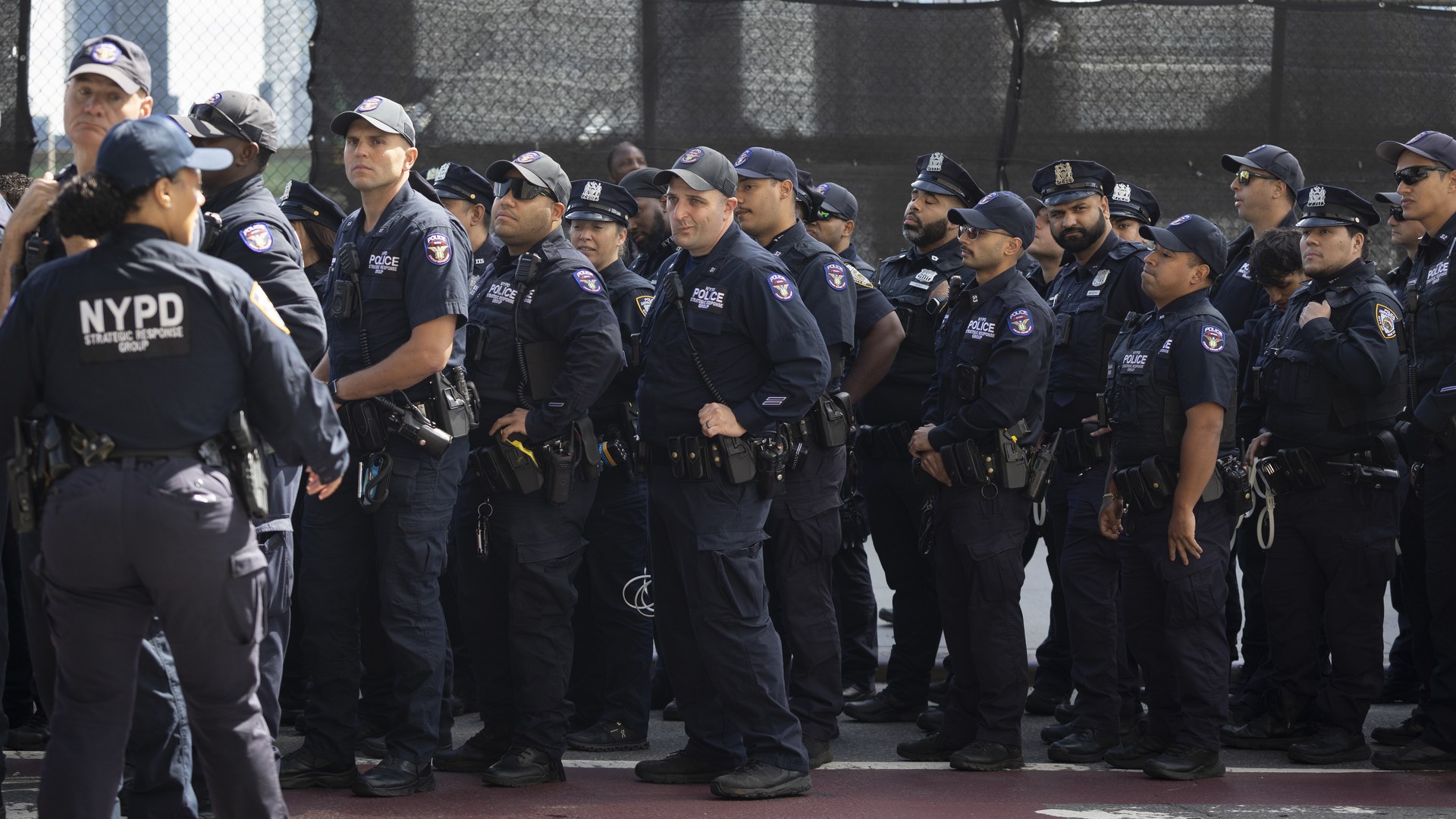
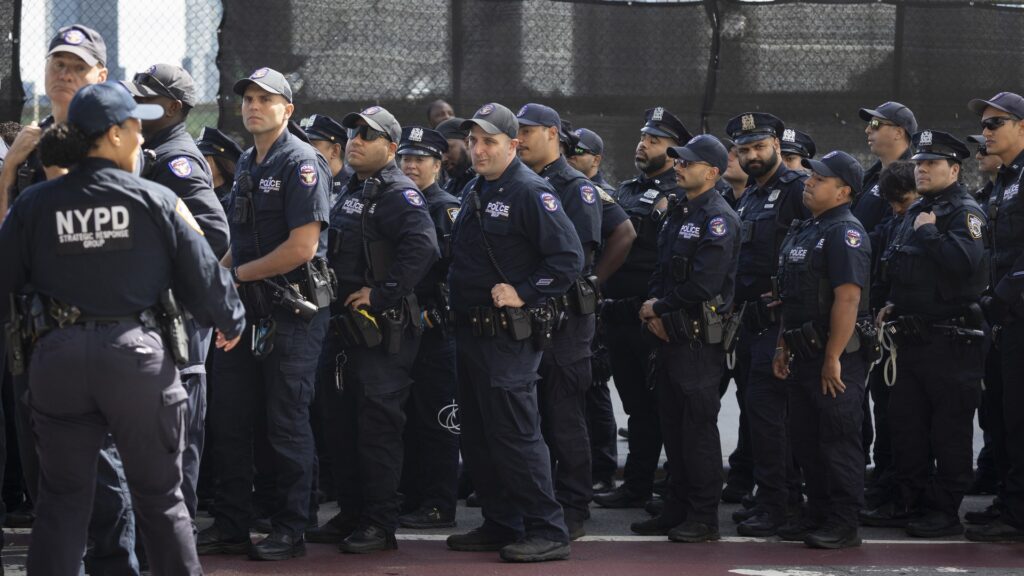
New York City disbanded the NYPD Strategic Response Group on Monday, in the most sweeping police reform of Mayor Zohran Mamdani’s time in office so far.
The mayor announced the decision alongside Police Commissioner Jessica Tisch, who backed the changes in public. Protest response now passes to new teams built around dialogue, while counterterrorism work moves elsewhere in the department.
“During our campaign, I promised New Yorkers that we would disband the Strategic Response Group and separate counterterrorism from protest response, and today we are delivering on that promise,” Mamdani said.
“New Yorkers exercising their constitutional right to protest should not be met with the same police response as a terrorism threat,” he added.
1. The Strategic Response Group Is Gone
Created in 2015 with a counterterrorism focus, the SRG grew to roughly 500 officers. It became a fixture at demonstrations across the city, from marches in the streets to actions on college campuses.
Its counterterrorism duties, including heavy weapons deployments at critical infrastructure, will now be consolidated within the NYPD Intelligence and Counterterrorism Bureau. Protest duty ends with the unit itself.
City officials said the new structure needs no additional funding and no change in the size of the NYPD workforce. Officers from the disbanded unit will be reassigned to other roles across the department.
2. Why Black New Yorkers Know This Unit Well
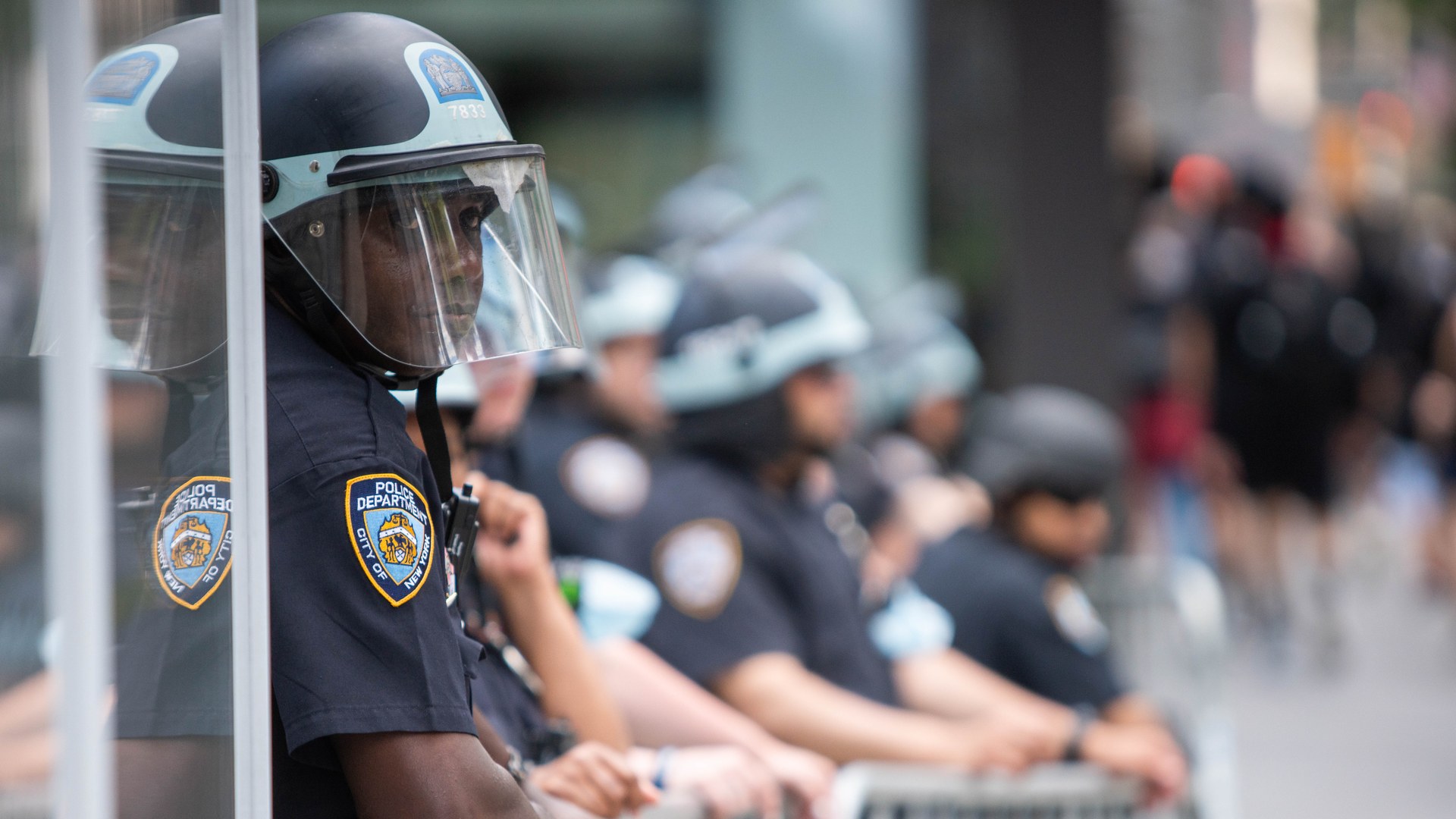
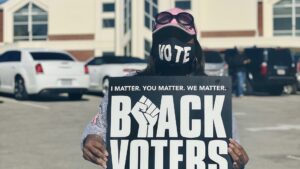
For Black New Yorkers, the SRG name carries the weight of the summer of 2020. The unit was deployed heavily during the Black Lives Matter demonstrations that followed the killing of George Floyd.
After those protests, the city Department of Investigation found the NYPD used excessive force in violation of demonstrators’ First Amendment rights. Investigators said the SRG played a central role in helping to police the protests at the time.
Critics spent years pointing to a long record of complaints, lawsuits and expensive legal settlements tied to the unit. On the campaign trail, Mamdani said the SRG had cost taxpayers millions in lawsuit settlements and brutalized countless New Yorkers exercising their First Amendment rights.
Protest has always been a core tool of Black civic life, from civil rights marches to the streets of 2020. How a city polices a march helps decide whose voices get heard and whose get pushed aside.

3. A New Response Built on Dialogue First
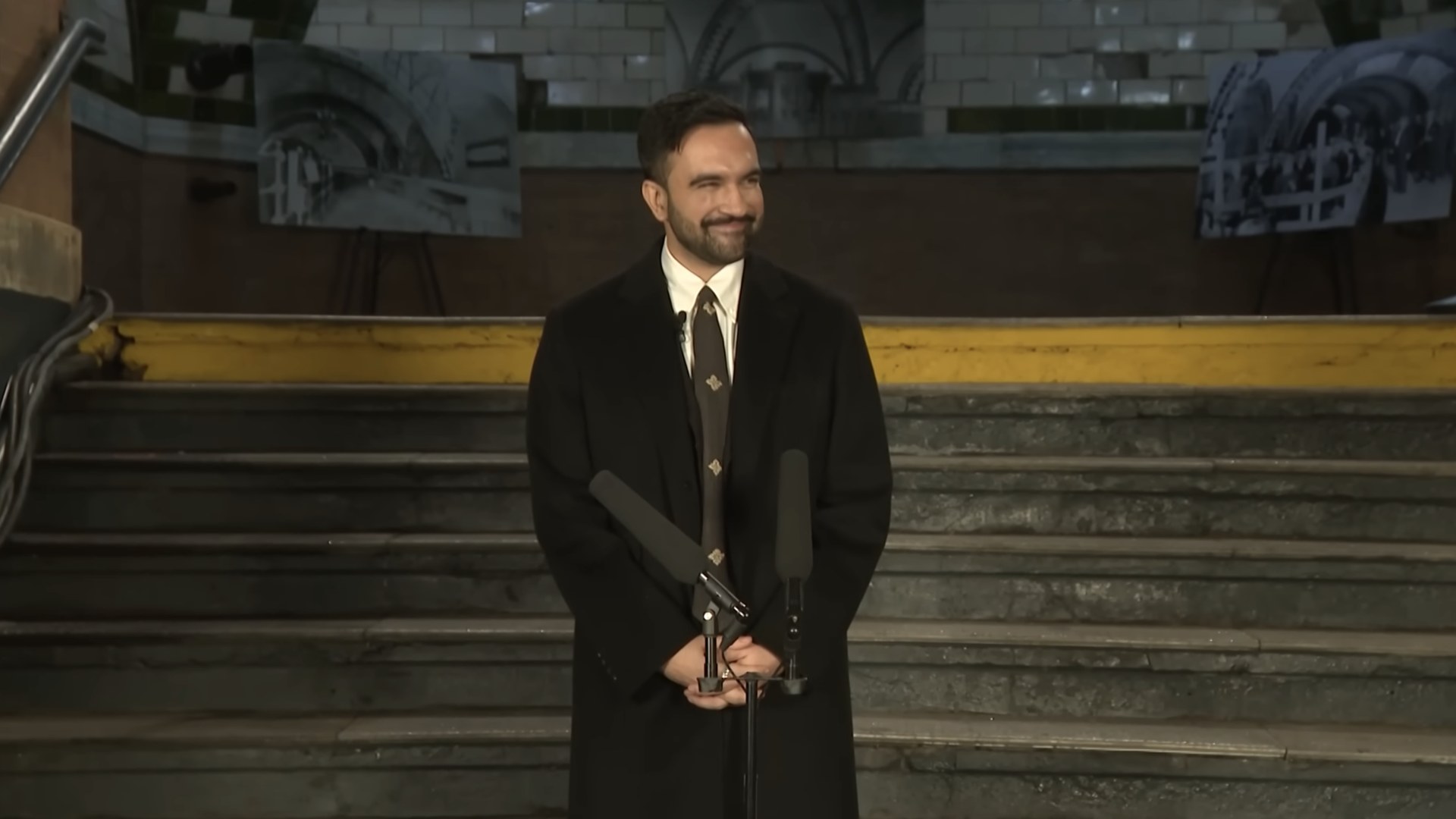
In place of the SRG, the Mayor’s Office of Community Safety will run a civilian led Community Dialogue and Deescalation Division. Its staff will carry no weapons and hold no arrest powers.
The division will work with a new NYPD First Amendment Support Team of 30 uniformed officers. Those officers will be trained in communication and in calming crowds before tensions boil over.
A third piece, a Patrol Support Division inside the Patrol Services Bureau, will be staffed with vetted officers. They will spend most of their time on regular patrol duties and receive specialized crowd management training to support responses to demonstrations.
The administration said the plan has been under development since January. It follows the March launch of the Mayor’s Office of Community Safety and a broader review of NYPD use of force policies and police accountability.
4. The Tactics Now Banned Outright
The directive formally bans kettling, the tactic of surrounding a crowd and physically restricting people to one area. The tactic has often been used ahead of mass arrests at demonstrations.
Tear gas and long guns are now prohibited during protests. Pepper spray can no longer be used as a crowd management tool by responding officers.
Acoustic devices will be capped at 90 decibels. Officers may use bicycles as weapons only when preventing death or physical injury to an officer or another person.
The changes mirror the CURB Act, a City Council bill from Councilmember Chi Ossé that would bar the SRG from protest duty and limit protest tactics in law. Mamdani endorsed the bill on Monday and appeared with Ossé in a video announcing the reforms.
5. Praise, Pushback and the Test Ahead
Tisch, whom Mamdani kept on from the prior administration, defended the rebuild in strong terms. “I would never support changes that diminish the NYPD’s ability to protect New Yorkers,” she said. “These changes will make us a stronger, more effective department.”
Law enforcement unions see it very differently. Patrick Hendry, president of the Police Benevolent Association, said the reforms will put both police officers and the public at greater risk, and he accused the mayor of demonizing one group of officers for political points.
Supporters of the old unit argue that its specialized training made it best equipped to handle violent demonstrations. The mayor had also faced months of pressure from supporters on his left who said he was moving too slowly on the police reform he promised.
The real test now comes at the next major march in the city. If dialogue teams can keep a protest peaceful without kettling, gas or mass arrests, New York will have built a model that other big cities will study closely.
For communities that marched in 2020 and demanded exactly this kind of change, Monday counts as a receipt. A promise made on the campaign trail is now written into how the largest police department in America answers its own people in the streets.
Read more from Urban City Podcast: 2030 Census Rule Could Erase Black Voices From Count and Georgia Black Voters Delivered and Now Expect Results, and follow the day’s coverage at urbancitypodcast.com.