6 min read
Major Takeaways
- A software bug inside a hardware system at JPMorgan Chase triggered the banking delays that spread across the country on Monday.
- Chase says the problem was not a cyberattack, and customers kept access to their accounts and funds the whole time.
- Customers at other banks felt delays only when a payment touched Chase, including Zelle transfers sent across banks.
- Bank of America and Citigroup were not having problems with their own banking services.
- If a Zelle payment is still pending, do not send it again. Wait for it to complete and keep your records.
If your banking app crawled on Monday, or a Zelle payment sat in limbo while rent and bills waited, you were not imagining it.
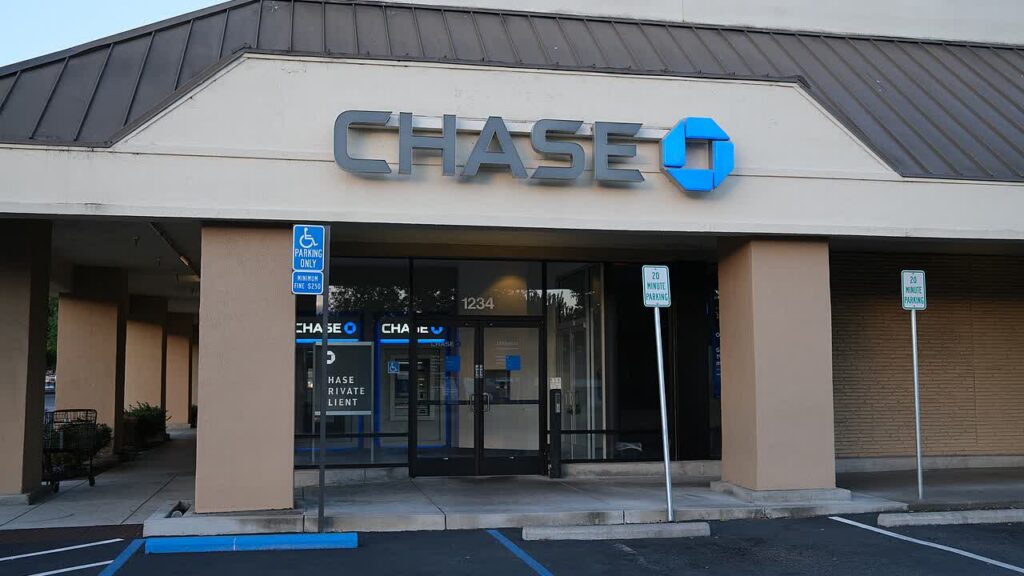
Thousands of customers across the country reported trouble moving money on Monday, November 16. The trail led back to one place: JPMorgan Chase, the largest bank in the nation.
Outage reports tracked by Downdetector show complaints about Chase spiking just after 9 AM Eastern time. They peaked at 4,829 just before 2 PM, then eased to about 3,088 after 3 PM.
Wells Fargo and Bank of America saw elevated reports too, and for a few hours it looked like the whole banking system had caught a cold. The truth was narrower, and in a way stranger.
What Actually Triggered the Delays
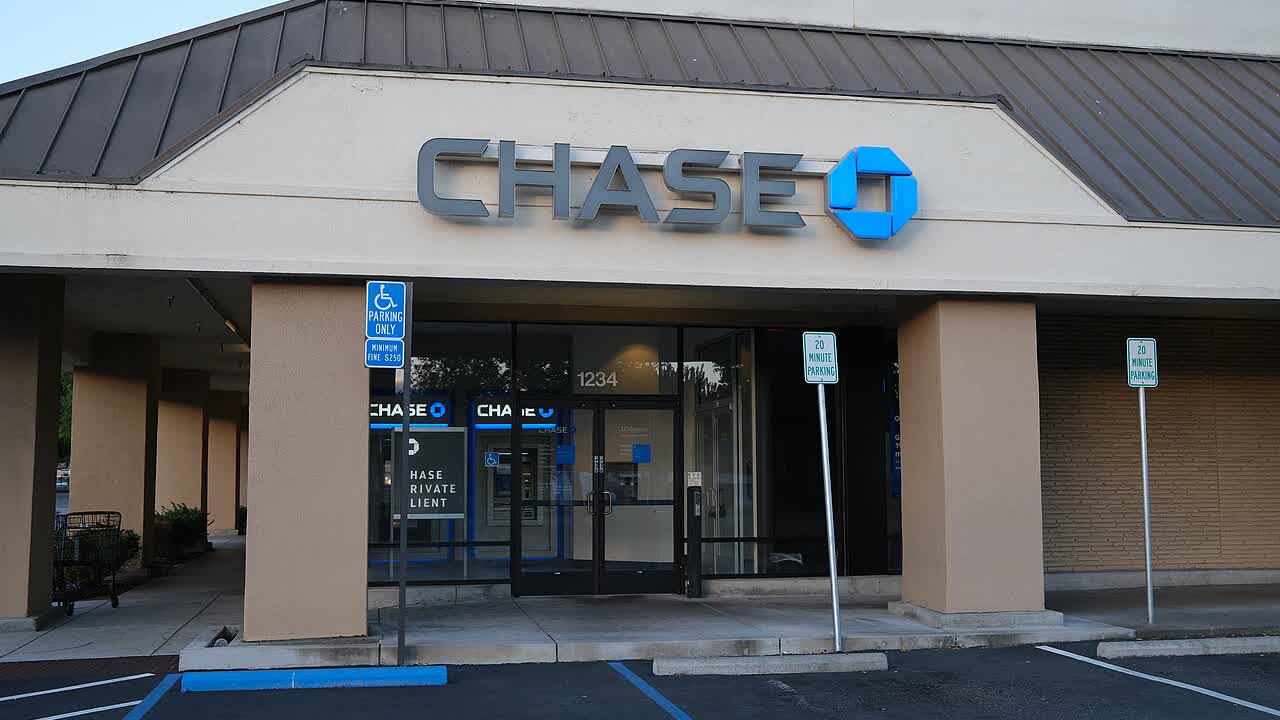
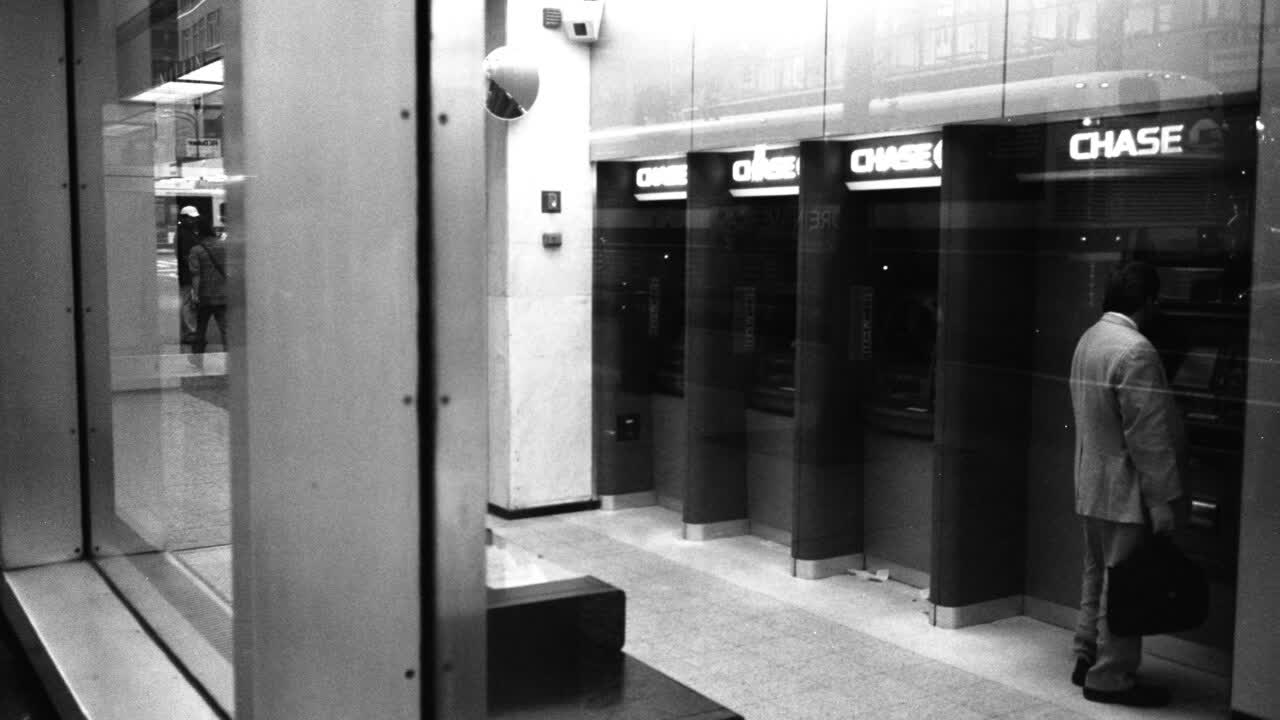
The trigger was not hackers. It was not a collapse of the banking system. Chase spokesman Joe Evangelisti said the bank ran into a temporary problem caused by a software bug in one of its own hardware systems.
“JPMorgan Chase has experienced a temporary issue related to a software bug in an on-premise hardware system — it is not cyber-related.”
Evangelisti stressed that the fault lived at Chase alone.
“This is not a systemic issue — other banks may have been impacted by slowness in transactions only to the extent that they were a party to a transaction with us.”
In plain terms, flawed software running on equipment inside Chase slowed the machinery that moves money in and out of the bank. When the biggest bank in the country slows down, the slowdown does not stay inside its own walls.
Why Customers at Other Banks Felt It Too
Banking today is a web of handoffs. A paycheck lands at one bank, a Zelle payment crosses to a cousin at another, a card payment clears across town. Money constantly passes between institutions, and any transaction that had to pass through Chase on Monday risked getting stuck in line behind the bug.
That is why customers at other banks felt delays that were never the fault of their own bank. Bank of America and Citigroup were not having problems with their own banking services. Their customers got caught only when a payment involved a Chase account on the other end.
US Bank said its systems were not directly impacted. But it warned that clients sending or receiving Zelle payments with another financial institution could still experience transaction delays.
Zelle itself never went down. Early Warning Services, the company that runs the network, said the Zelle network stayed fully operational.
“Zelle is not down. Zelle is operating as it should.”
Zelle is owned by Early Warning Services, which is itself owned by seven of the biggest banks in the country: Bank of America, Capital One, JPMorgan Chase, PNC Bank, Truist, US Bank and Wells Fargo. A slow Zelle payment on Monday most likely meant one side of that payment touched Chase.

Your Money Stayed Within Reach
Chase told customers their money was never out of reach during the disruption.
“Due to a technical issue, some transactions are taking longer than usual to complete but customers still have access to their accounts and funds. We are working to resolve this as quickly as possible.”
Some customers who opened the Chase app met a blunter message on their screens.
“Some services aren’t available. We’re working on them. Please try back later.”
The bank said it hoped to have the problem resolved by the end of Monday. Wall Street still flinched. Shares of JPMorgan Chase fell 2.5 percent on Monday, while Bank of America fell 2.1 percent and Wells Fargo fell 1.3 percent.
The bank delays landed just days after a major Microsoft outage on Friday knocked Outlook, Teams and Copilot offline for hours. Two big technology failures in four days is a hard reminder of how much of daily life runs on systems nobody sees until they stop working.
On a Monday, Slow Money Hurts Fast
Monday is payday, rent day and bill day rolled into one for millions of working families. A delayed deposit is no small thing when the light bill is due and the account already runs close to empty.
It can mean late fees, overdraft charges and a week spent catching up, all because of a problem the customer did nothing to cause.
Black households feel that squeeze first and hardest. Lower pay and thinner savings, built over generations, leave more of our families one delayed paycheck away from a penalty. The bank calls it a technical issue. The family waiting on that money calls it dinner, gas and the electric bill.
That is why the plain facts matter here. This was a software bug at one bank. It was not an attack on the banking system, and it is not a reason to pull money out of accounts. Funds stayed accessible, and payments were delayed rather than lost.
What to Do if a Payment Is Still Stuck
If a Zelle payment still shows as pending, do not send it a second time. Sending it again can pull the money twice once the first payment completes.
Wait for the pending payment to finish, and check its status in your banking app before you take any other step. Keep screenshots and confirmation numbers for every payment that matters.
If a bill payment lands late because of the delay, call the company, explain the bank outage and ask for the late fee to be waived. Companies routinely drop fees when a documented bank problem caused the delay.
And if your own bank charges you a fee because a deposit arrived late, call and ask for it to be reversed. The banks caused this mess. Customers should not be the ones paying for it.
Urban City Podcast will update this story as Chase confirms the backlog is fully cleared. For more reporting that matters to our community, browse the latest UCP news coverage, read about North Carolina troopers ordered into bias training, and catch up on how Jackson police named the three killed on Azalea Drive.