8 min read
Major Takeaways
- Georgia Black voters powered a sweep of every statewide race and now say the victory has to turn into governing results.
- Stonecrest voters turned out at about six in ten and backed Democrats at about 90 percent, and they say their community has been overlooked for too long.
- The demands are bread and butter: wages, housing costs, electricity rates, Medicaid expansion, small business support and voting rights protections.
- Democrats will control the office of the governor and the Georgia House, while Republicans keep the state Senate, so every promise faces a real governing test in January.
Georgia Black voters did the work again this November, and this time they are saying the quiet part out loud before the winners even take office.
The celebration is real. The invoice is also real.
Across Georgia, the voters who powered a sweep of every statewide race now expect the new government to listen and to deliver.
Their message is simple. Pay attention to the communities that delivered the votes, and answer economic complaints that have been building for years.
Georgia Black Voters Turned Loyalty Into Power
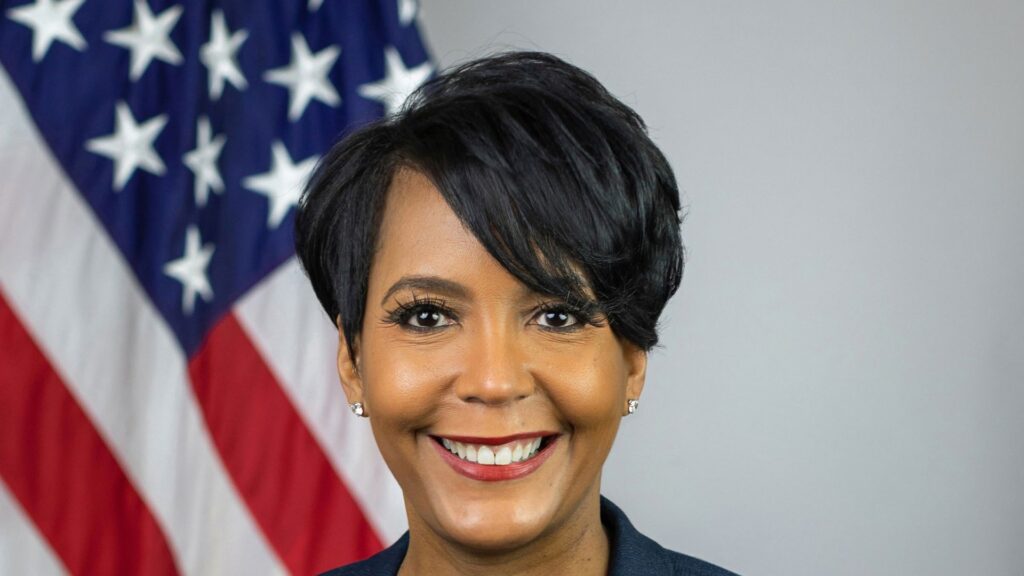
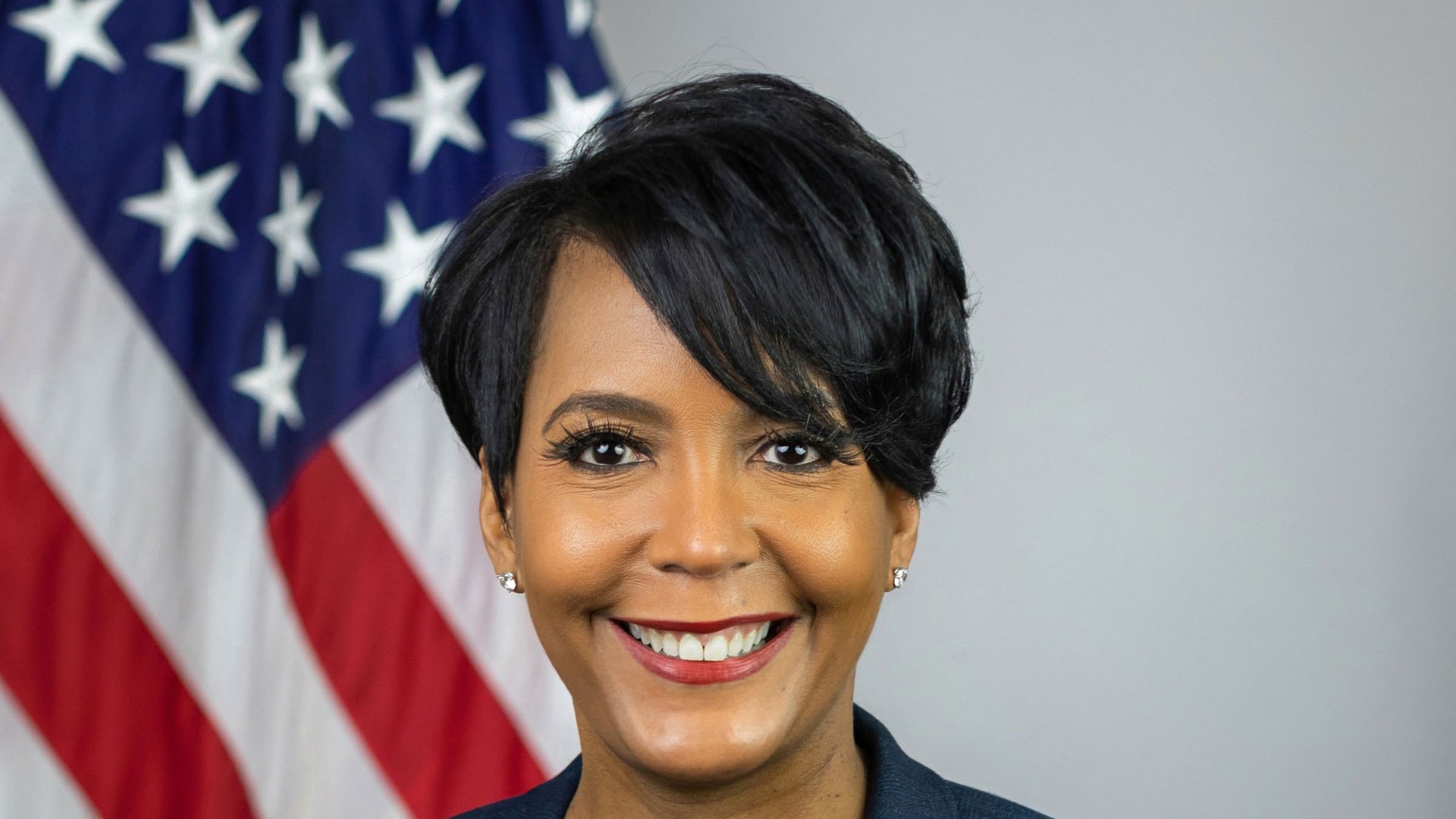
Senator Jon Ossoff held his seat. Keisha Lance Bottoms won the race for governor and became the first Black woman elected governor in American history.
Democrats won every statewide contest, from lieutenant governor down to insurance commissioner.
They also displaced the Republican majority on the Public Service Commission. That body sets electricity rates for Georgia families.
Almost all of the incoming statewide office holders will be Black women. Columbus lawmaker Carolyn Hugley has been selected by House Democrats to lead the Georgia House.
Democrats regained control of the Georgia House for the first time in more than two decades. Republicans will still hold the state Senate.
The early vote showed the engine behind the sweep. More than 560,000 Black women voted before November 3, up 31 percent from 2022.
More than 330,000 Black men also voted early. That figure rose 27 percent from 2022.
Bottoms won with about 54 percent of the vote. Her Republican opponent Rick Jackson took about 45 percent.
Urban City Podcast covered the night Bottoms made history in our report on the first Black woman elected governor.
Stonecrest Shows What Being Overlooked Feels Like
Stonecrest sits southeast of Atlanta. It is a middle class city that incorporated a decade ago so its largely Black residents would have a stronger voice in local affairs.
About six in ten Stonecrest voters cast ballots in the 2026 election. About 90 percent of them backed Democrats.
By one measure, Stonecrest is the largest city in the nation where the non Hispanic Black population stands above 90 percent. Its people say the state power structure has still passed them by.
Residents built the city on a simple comparison. They wanted their community served the way white middle class voters are served thirty miles north in Sandy Springs.
In September, Bottoms held a fundraiser at Privi, an event center and retreat in suburban Atlanta. The event drew little attention at the time.
Privi founder Vaughn Irons said the community often gets driven through and flown over. He said Bottoms came to speak to people who rarely receive that kind of attention.
Irons is a former federal housing official. He also served as an economic development director for DeKalb County.
Kazemde Ajamu owns Akoma Coffee and Books in Stonecrest. He wants Georgia to recognize microbusinesses and give small owners a real seat at the table.
Business owners in the city say the next step is clear. Access has to become action.

The Demand Is Bread and Butter, Not Speeches
Deborah Scott leads Georgia STAND UP, a group that advocates for job training and economic development for working families.
Scott said the result was not the product of a single moment. It took years to build the infrastructure in Georgia through failed election cycles and a slow fight against cynicism.
She credited careful relationship building by organizations led by Black women. She also credited community groups and nonprofits that stayed on the ground for a long time.
Scott pushed back on any reading of this election as a simple verdict on gas prices or on one man in Washington.
Black voters assess their conditions as a whole, she said. They weigh prices, public services, and whether economic growth reaches ordinary families.
The last two years sharpened that view. Workers at the Centers for Disease Control and Prevention found themselves caught in changes led by Health Secretary Robert F. Kennedy Jr.
At the same time, nonprofits serving low income communities scrambled to replace lost federal spending and scarce private grants.
The jobs picture hangs over all of it. The unemployment rate for Black women rose from 5.6 percent to 6.8 percent in September.
One research report found that Black women lost 250,000 jobs between January and August of 2025. Federal job losses hit Black women especially hard, at nearly 35 percent of all cuts.
Tiffani Stephens, a DeKalb County voter, said Black women have been flattened by lazy political stereotypes for too long.
Stephens argued that Black women are treated as surface level figures. In truth, she said, they are central political actors with sharp concerns about power, policy and daily life.
The Black Mecca Paradox Sits Under Every Promise
Georgia politics has long carried a contradiction that Black residents know well.
Atlanta has drawn Black professional talent from across the country and around the world. Strong Black political and cultural institutions anchor that draw.
Georgia leads the country in Black executive representation and in recent income growth. Black unemployment in Atlanta runs lower than the national figure.
Yet upward mobility for Black Atlantans born in the city has been weak. The state offers the worst odds in the nation for a Black child born into poverty to build wealth.
For twenty years, Democrats were shut out of the major decisions about the direction of Georgia. That era shaped the laws voters now want revisited.
The state has restrictive abortion laws and permissive gun laws. It is also one of ten states that has not expanded access to Medicaid.
At the same time, the state drew major investment during the two terms of Governor Brian Kemp. Carmakers, battery plants and chip makers moved in.
Almost all of that development landed in the north Georgia foothills or in rural south Georgia. The Hyundai Motor Group plant in Bryan County is the example voters cite most.
For many Black voters in the Atlanta region, the pattern feels familiar. Jobs and political attention land somewhere else.
That is the backdrop behind the governing demands now moving across the South, a story Urban City Podcast traced in our report on Black women and the historic Southern wins.
January Is When the Receipts Come Due
The new leaders take office in January. Voters say that is when the government has to start responding.
Scott said the new government has an opening to spread development more evenly across the state.
Her list runs wide. She named voting rights protections written into the state constitution, a deeper port in Savannah, and support for the new Audi plant being built near Macon.
She also named genuinely affordable housing and real economic development for communities that have waited.
Melita Easters leads Georgia WIN List, which has spent more than 26 years recruiting and preparing Democratic women for public office.
Easters said Medicaid expansion will be a big, big issue for the new House. She also expects attention on firearm safety, safe storage proposals, and environmental concerns around data centers.
The governing math will test every promise. A Republican controlled Senate can still block bills that pass the House.
That split is exactly why voters are speaking now, while the transition is still being built. They do not want to be thanked in November and forgotten by spring.
Black voters in Georgia have heard the celebration speeches before. This time they organized for years, voted early in record numbers for a midterm, and changed who holds power in the state.
Now they expect to be heard on wages, housing, power bills, health care and the right to vote. Follow the politics that shape Black life every day in the Urban City Podcast news coverage.