6 min read
Major Takeaways
In 250 years, America has elected thousands of governors. Only three have been Black, all men, all Democrats.
This November, a record eight Black major party nominees are on gubernatorial ballots in eight states. Two Black women could become the first ever elected governor in the nation.
Governors control huge budgets and sign laws on housing, health care, education and voting. This race season could reshape Black power in statehouses across the country.
America has elected thousands of governors across 250 years of history. Only three of them have been Black. That number could change in a big way on Nov 3.
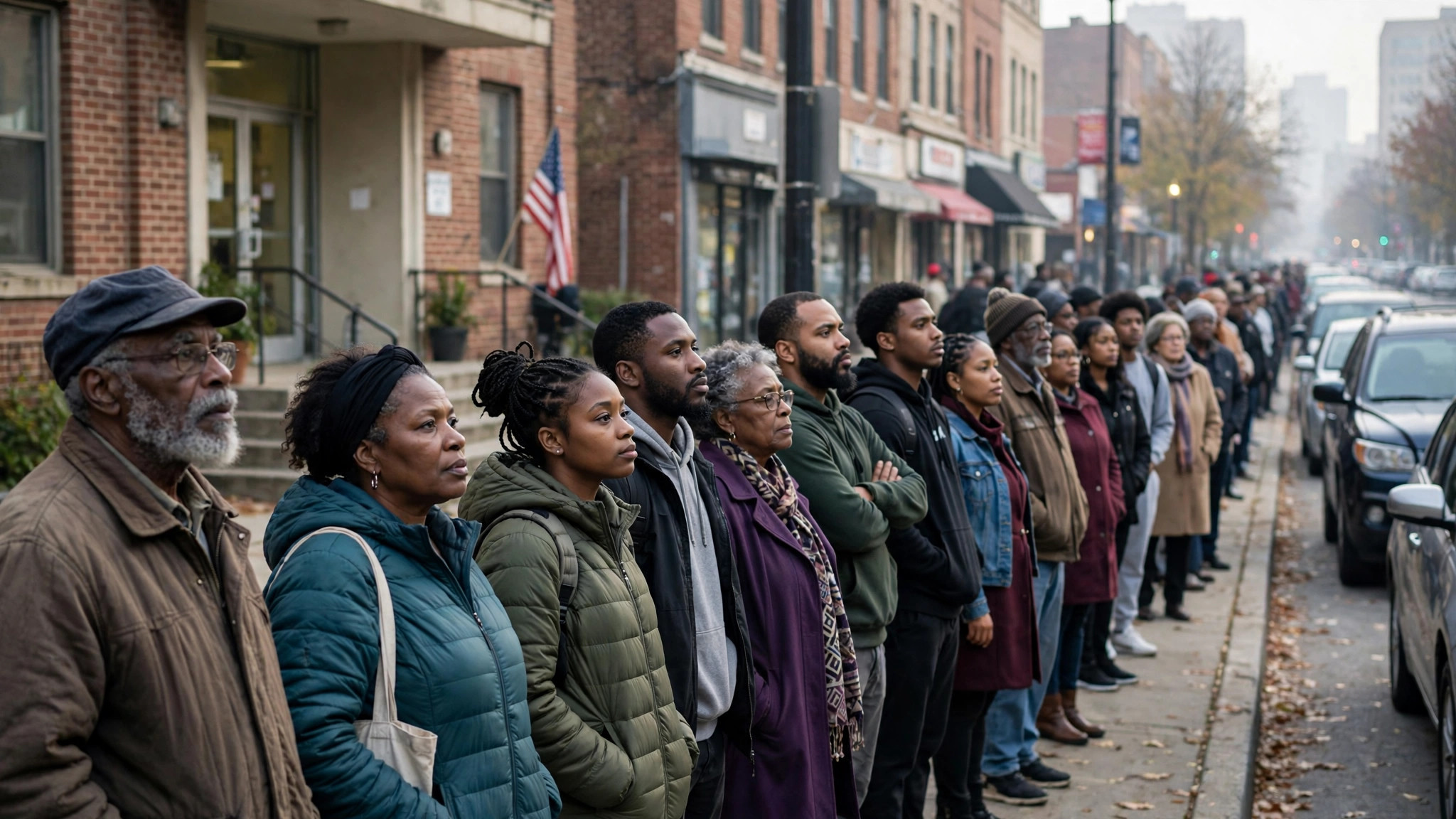
A record eight Black major party nominees are on 2026 gubernatorial ballots across the country, according to the Associated Press. They are running as Republicans and Democrats, men and women, in states from Florida to Minnesota. With Election Day less than a month away, Black voters have a rare chance to help rewrite the executive map.
Only Three Black Governors in 250 Years
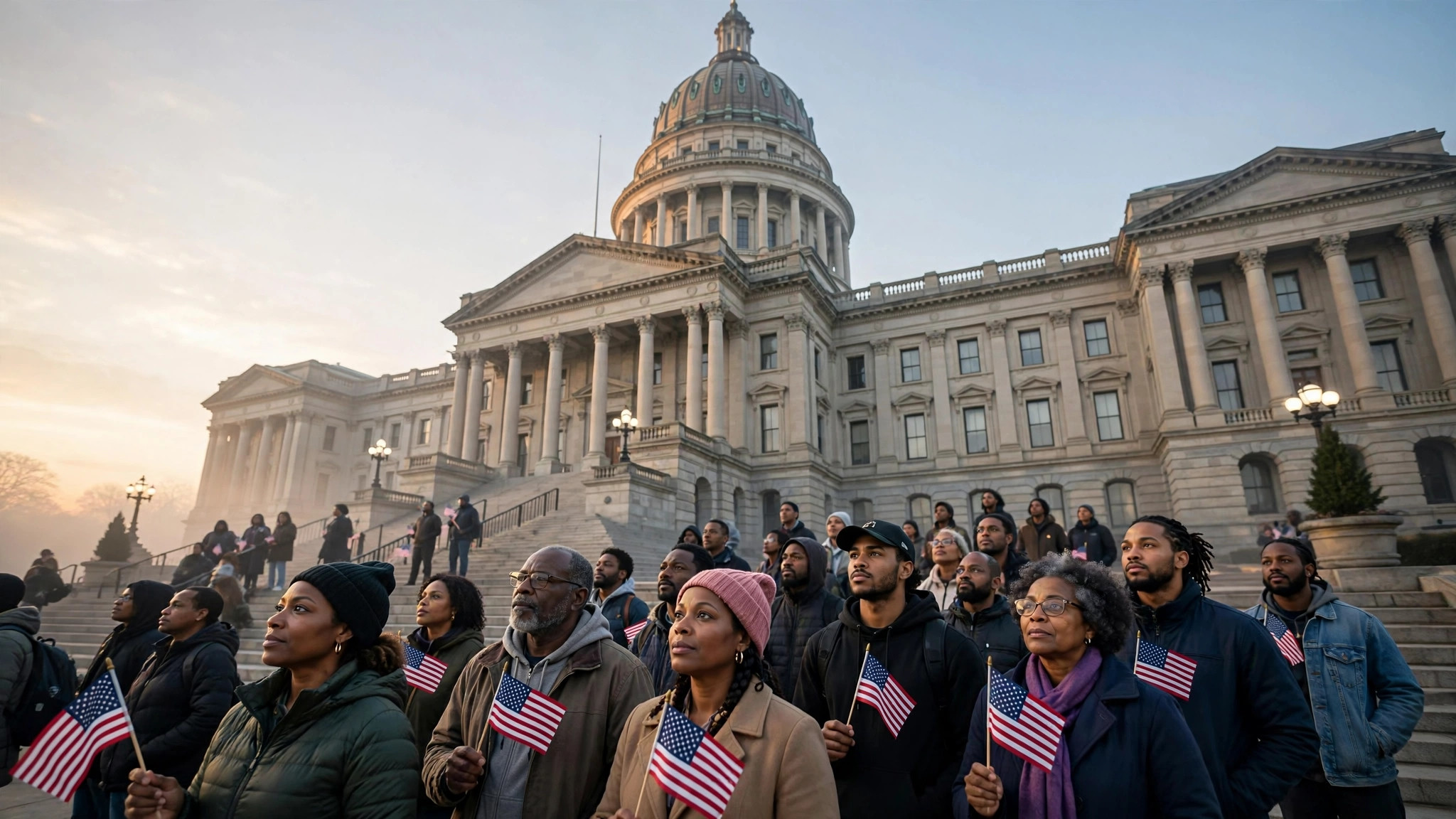
Let that sink in. Thousands of governors have held office since the founding of this country. Only three Black Americans have ever won the job: Douglas Wilder of Virginia, Deval Patrick of Massachusetts, and Maryland Governor Wes Moore.
All three have been men. All three have been Democrats. Moore is the only Black governor serving in the nation right now.
Moore is 47 years old and had never held elected office before running for governor. He now serves as the newly chosen chair of the National Governors Association. Moore told the AP that his historic status is “not an applause line,” saying it points to a bigger challenge the country still has to overcome.
The Record Breaking Field of 2026
The 2026 field is the largest ever. The nominees include Florida Republican Byron Donalds, Nevada Democrat Aaron Ford, Minnesota Republican Lisa Demuth, Georgia Democrat and former Atlanta Mayor Keisha Lance Bottoms, South Carolina Democrat Jermaine Johnson, Wisconsin Democrat David Crowley, and Michigan Republican John James, plus Moore, who is seeking another term in Maryland.
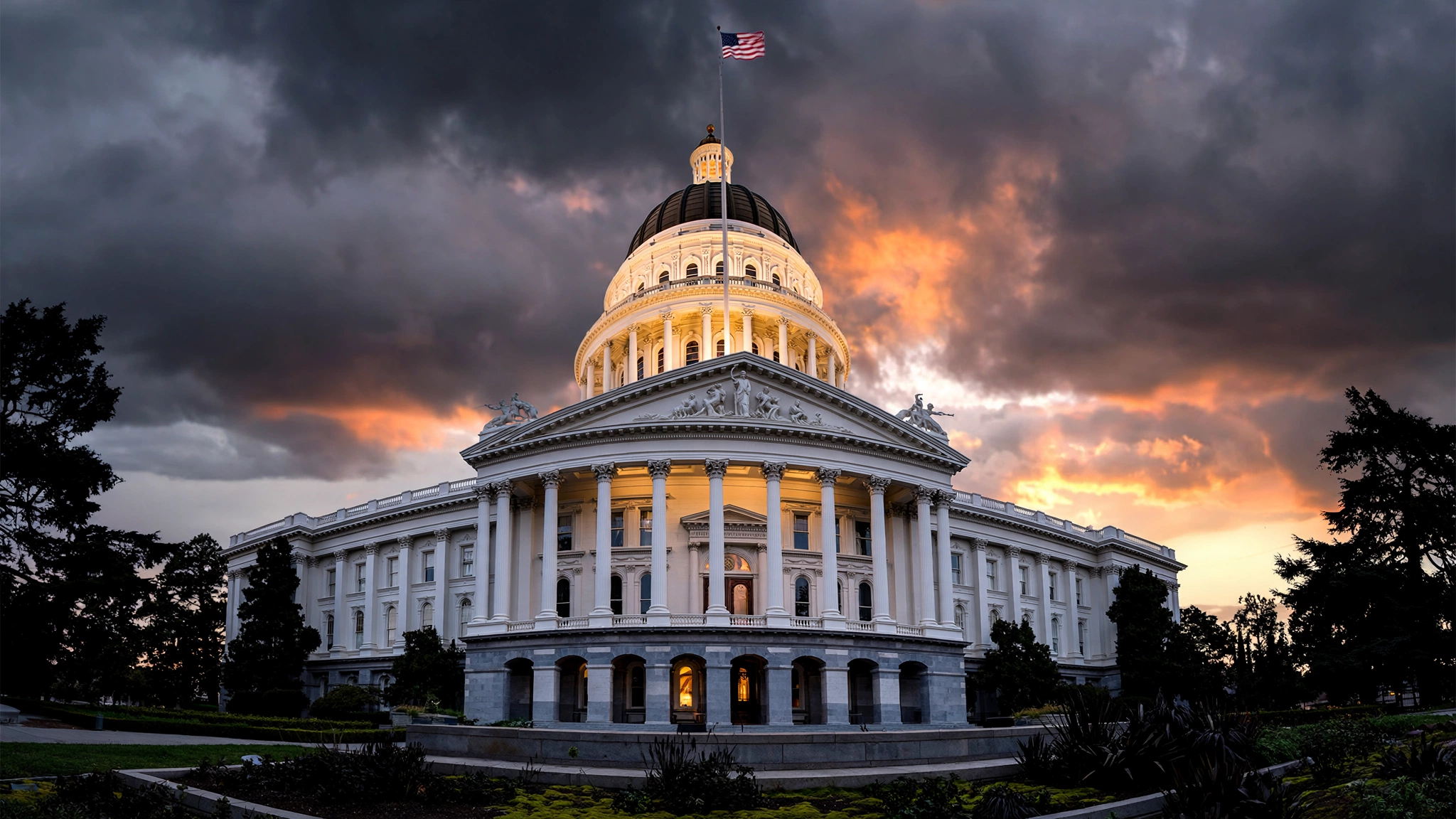
These are not symbolic candidacies. Governors control huge state budgets, oversee economic development, and set policy on housing, health care, education and workforce development. The governor’s mansion is one of the most powerful offices in American life.
For Black communities, that power reaches far beyond election night. Political strategist Karen Finney said these leaders have the power to “shape our lives, and they shape the agenda.” Whoever wins will decide what gets funded, what gets signed, and whose voices get heard in the room.
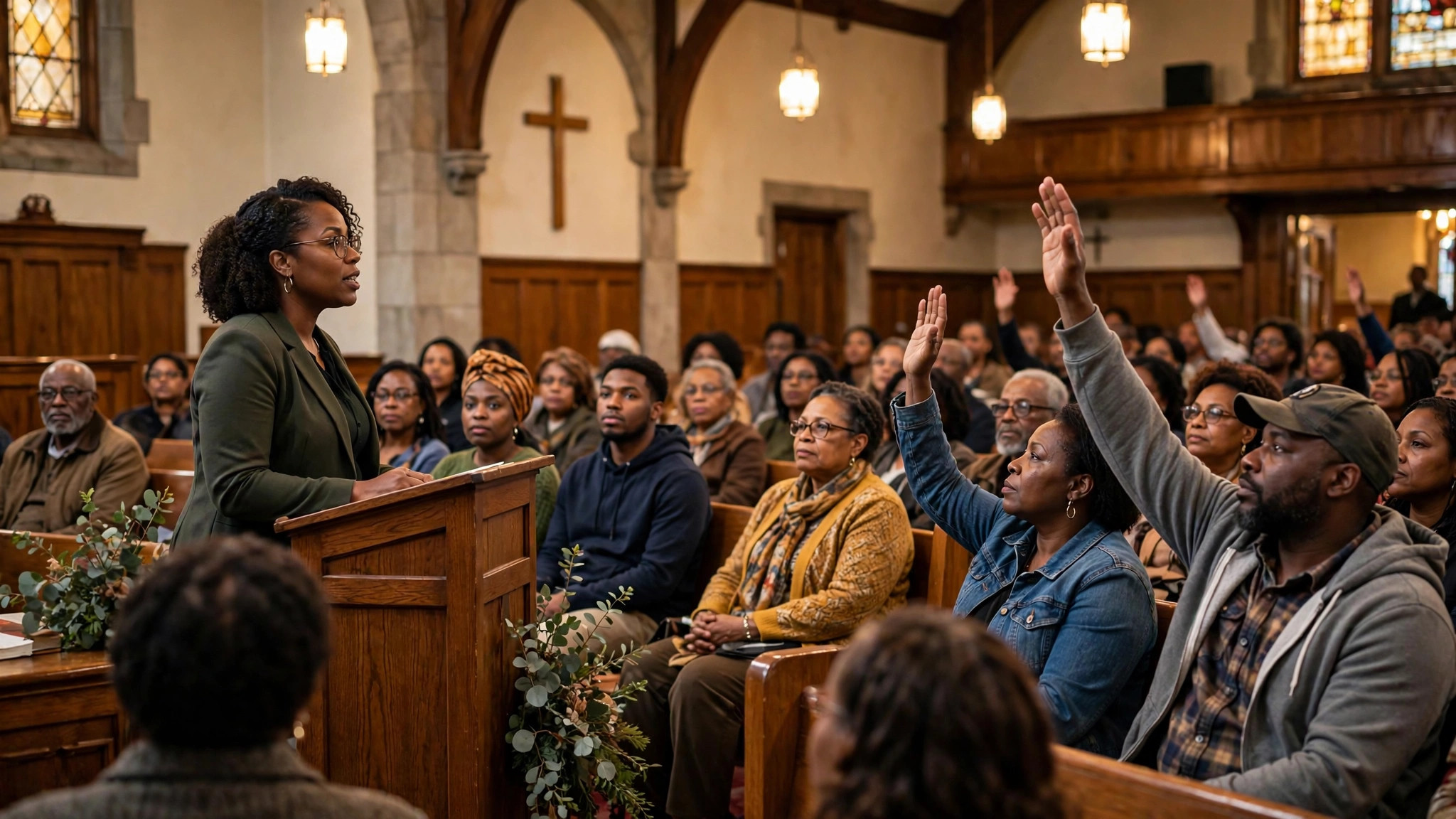
Black Women Could Shatter the Final Ceiling
No Black woman has ever been elected governor of any state. Not one. This year, two candidates could break that barrier: Keisha Lance Bottoms in Georgia and Lisa Demuth in Minnesota.
Demuth is Minnesota’s first Black House speaker and now the Republican nominee for governor. She told the AP she has never run on identity politics, but she added that she recognizes the “historic state we are in right now.”
Stacey Abrams knows this terrain better than almost anyone. After losing two gubernatorial races in Georgia, she described the barrier bluntly, noting that “Black women have not been executives” and that the absence of proof becomes a self reinforcing belief that it cannot be done. The 2026 field could finally provide the proof.
Why the Governor’s Office Matters for Black Families
Governors sign the laws that touch our daily lives. They decide how schools get funded, how clinics stay open, and how workers get trained. They control voting rules, criminal justice policy and the budgets behind both.
Aaron Ford understands that reach. He is Nevada’s first Black attorney general and now the Democratic nominee for governor. He told the AP that representation can lift issues that get ignored, saying some concerns in the African American community are “ignored and don’t have a voice.” He pointed to voting rights, civil rights and the economy.
Executive power is different from legislative power. A governor does not just debate the agenda. A governor sets it. That is why these races carry weight for every Black family, no matter which state they call home.
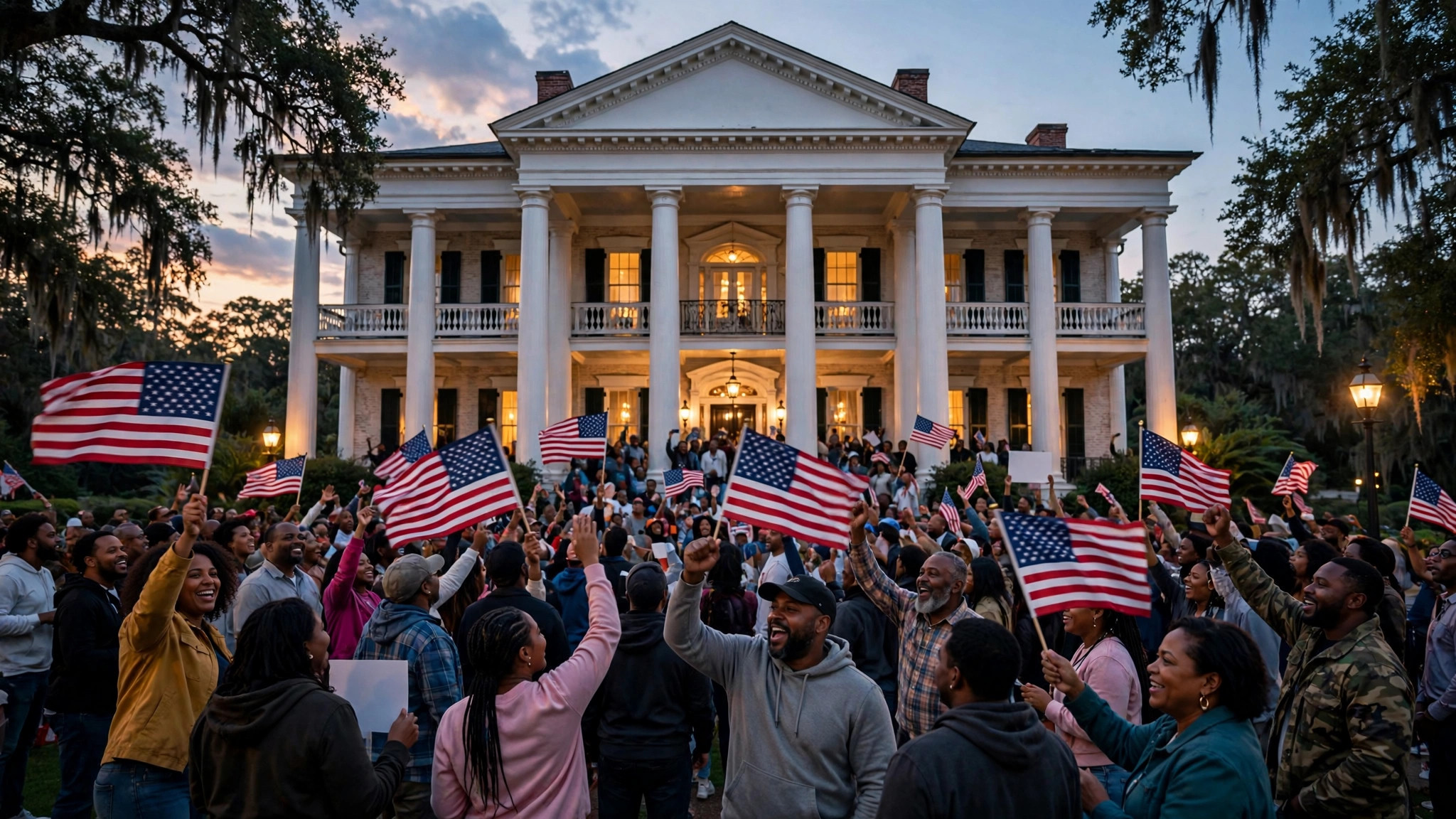
How the Races Are Playing Out
Some candidates lean into the history. Others downplay race entirely and run on experience and policy.
Donalds, a Republican congressman backed by President Trump, handily won the Florida GOP primary on Aug 18. After his victory, he did not mention race in his speech, telling reporters that Florida is a great meritocracy and adding, “I’ll let you guys write about that.”
In Florida, both candidates are actively courting Black voters, and Urban City Podcast reported yesterday that Democrat David Jolly says Black voters could decide the race. The contest is drawing national attention as a test of where Black voters land when history and party loyalty pull in different directions.
In Michigan, Republican John James won his primary by nearly 15 points with Trump’s backing. In South Carolina, Democrat Jermaine Johnson is offering voters a different kind of choice in a deeply red state. Each race has its own dynamics, but the stakes are the same: executive power, real budgets, and real consequences.
The same forces shaping these governor races are also at work in battles over who gets counted and who gets to vote. Read our coverage of the 2030 Census overhaul and the court ruling on Tennessee’s voting map to see how the fight for representation stretches from the statehouse to Washington.
What Black Voters Can Do Right Now
The lesson is simple. Governors sign the laws that touch our schools, our clinics and our paychecks. A record field of Black candidates is a door opening.
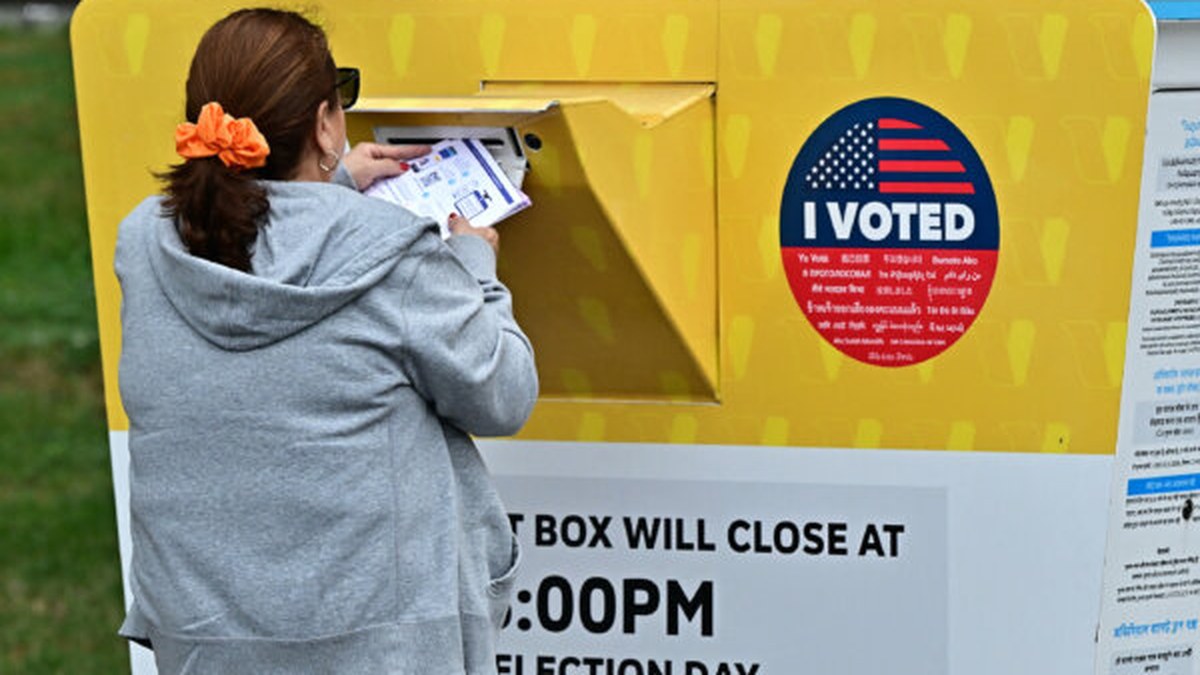
But a door only matters if we walk through it. Check your registration, make a plan, and vote on or before Nov 3. Every one of these races will be decided by the people who show up.
Need help getting ready? ESSENCE and the Global Black Economic Forum are hosting Paint the Polls Black town halls on Oct 19, Oct 26 and Nov 2 at 8 pm ET, with guidance on registration, early voting and knowing your rights. Our votes built Black political power from the courthouse to Congress. Now they can open the governor’s mansion.
Sources and Further Reading
- Associated Press: Americans have elected only 3 Black governors. This year, 8 major party candidates are on the ballot
- BlackAmericaWeb: Black Governor Hopefuls, a Federal Search, and a Navy Pioneer’s 100th Birthday
- USA Today: 8 Black candidates are running for governor in 2026. It’s a record
- ESSENCE: Paint the Polls Black 2026: Town Hall Dates and How to Watch