7 min read
Major Takeaways
- On September 10 the Census Bureau proposed two new federal rules that would change who gets counted and what the census asks in 2030.
- Only citizens and green card holders would count for apportionment. Questions about race, ethnicity, and sexual orientation would be removed from the count.
- The changes would threaten Black voting power, federal funding for Black communities, and the data used to prove discrimination in court.
- The public comment period has been extended to November 2, 2026. Public pressure still matters, and Congress has the final word.

The Count That Decides Who Holds Power
Every ten years America takes its biggest roll call. The 2030 Census will decide how many seats each state gets in the House of Representatives. It will also divide up Electoral College votes and shape the maps for voting districts at every level.
The numbers guide money as well. Census data steers $2.8 trillion in federal funding each year across 353 programs, according to the National Association of Counties. That includes Medicaid, the Children’s Health Insurance Program, schools, housing, and roads.
When a community is undercounted, it gets less of everything. That is why the 2030 Census is not a paperwork exercise. It is a fight over power, and Black America has the most at stake.
Now the Trump administration wants to rewrite the rules of the count. On September 10 the Census Bureau issued a proposed rule that would add two new parts to federal regulations. The rule is titled the Decennial Census of the Population of Americans. It covers who counts as a resident and what questions the census may ask.
Who Gets Counted and Who Gets Erased
Part 60 of the proposal redefines the word reside. Only citizens and people with lawful permanent resident status would be counted. Green card holders would stay in the count. Everyone else with noncitizen status would be left out, including visa holders, DACA recipients, people with Temporary Protected Status, and asylum seekers.
That has never happened before. The census has counted every resident since the first count in 1790, no matter their immigration status. The Fourteenth Amendment says apportionment must reflect the whole number of persons in each state. It says persons, not citizens.
Part 70 is just as sweeping. It would ban questions about race, ethnicity, and sexual orientation from the census questionnaire. Race and ethnicity have appeared on the census since 1790. Under this rule they would vanish from the count that matters most.
The proposal also lets the bureau match addresses to tax records and pull data from other federal agencies to check legal status. Counties are asking what happens when the records are wrong and a lawful resident is erased by a database error.
Why Black America Cannot Afford to Be Erased
Census race data is the proof behind the Voting Rights Act. Lawyers use block level census data to show when maps dilute Black voting power. Without that data, challenging unfair districts becomes far harder. Removing the race question would weaken one of the strongest tools Black communities have.
Money is on the line too. Black neighborhoods already face some of the deepest undercounts in the nation. Fewer counted residents means fewer dollars for clinics, schools, and housing aid. A rule that makes the count harder will hit the people who are already counted the least.
Political power would shift as well. States with large immigrant populations would lose population in the official count. That could move House seats and Electoral College votes away from diverse urban centers. In Missouri, a lawsuit pushing a similar change could move power from younger and more racially diverse cities toward older and whiter rural areas, according to NPR.
There is also the chilling effect. The Census Bureau’s own research has shown that a citizenship question hurts the accuracy of the count. Even the threat of being tracked can keep families from opening the door. An undercounted community is a silenced community.
A History of Counting Black People Out
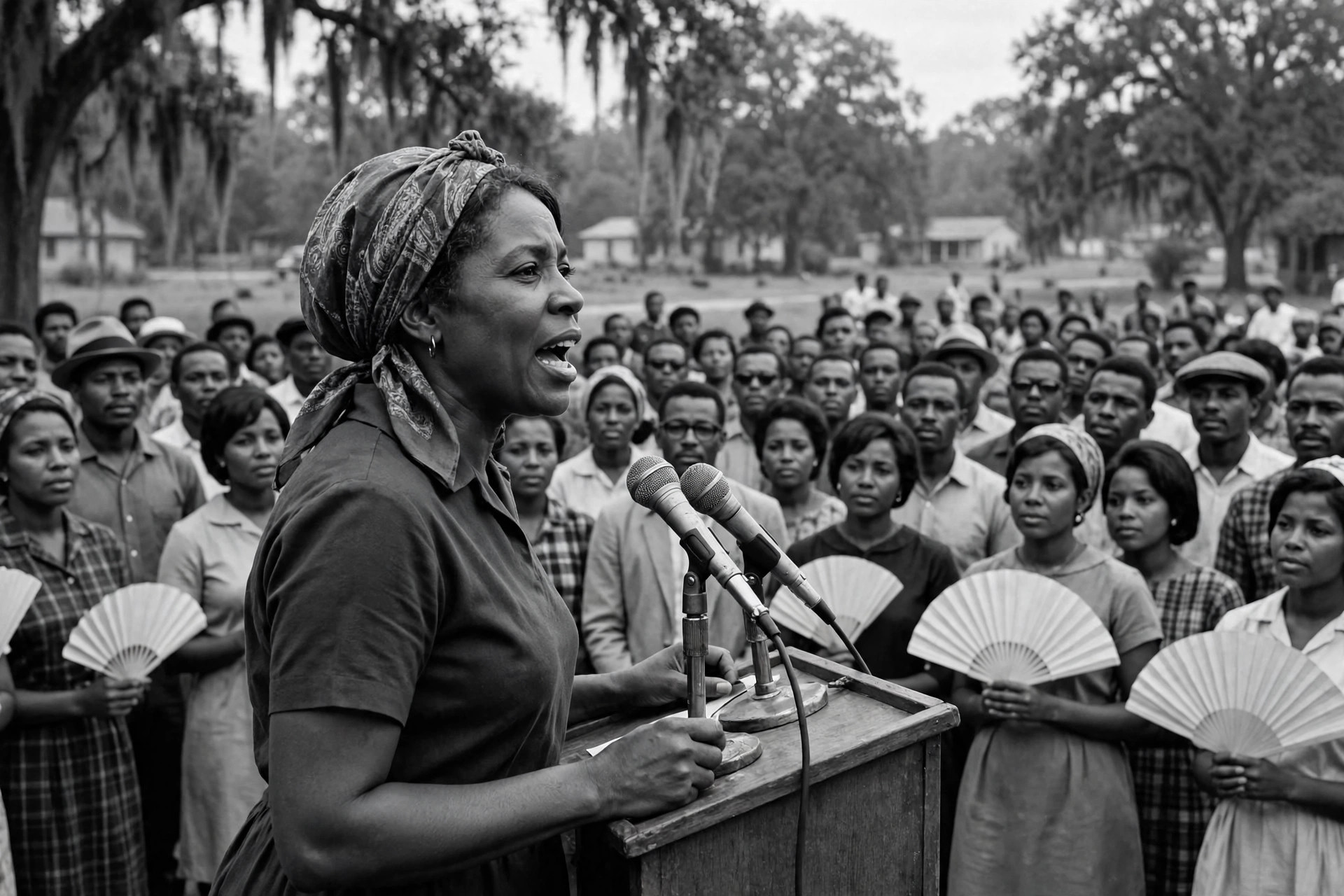
Black America knows this fight. The original Constitution counted enslaved Black people as three fifths of a person for representation. The census has always been about power, and Black people have often been counted in ways that served someone else. Read our feature on Fannie Lou Hamer for how hard Black Mississippi had to fight just to be heard.
The current push is not new either. Before his first term ended, Trump tried to add a citizenship question to the census and failed. He also failed to subtract residents without legal status from the 2020 apportionment count. In August 2025 he ordered his administration to start work on a new census that would leave out millions of residents without legal status.
Congress has the final word on the census under the Constitution. But with the midterms only three weeks away on November 3, the fight over who counts is also a fight over who decides. As our Florida governor race coverage shows, Black voters could be the deciding force in that fight.
The Legal Fight Ahead
Civil rights groups are not standing by. The American Civil Liberties Union is considering a lawsuit over the proposal. Adriel Cepeda Derieux, a deputy director of the ACLU Voting Rights Project, put it plainly. He said: “The Constitution is pretty clear. It doesn’t mince words. It doesn’t say citizens. It doesn’t say green card holders.”
Meeta Anand of the Leadership Conference on Civil and Human Rights warned that the plan would cost the country one of its most crucial demographic data sets. That data tracks health outcomes, civil rights enforcement, and the very makeup of the nation. Erica Bernal Martinez of the National Association of Latino Elected and Appointed Officials called the proposal an attempt to make Latinos and other communities disappear in the 2030 Census.
On the same day the extension was announced, the Leadership Conference released its 2026 Congressional Voting Record. The group called the 119th Congress one of the most harmful to civil rights in its 76 year history, especially for people of color. The timing is no accident. The battle over the census is part of a larger battle over Black political power.

What You Can Do Before November 2
The original comment period was set to end today, October 13. After pushback, including a request from the National Association of Counties, the deadline was extended to November 2, 2026. Anyone can submit a comment through the federal rulemaking portal using docket number USBC 2026 0628. Specific comments about funding and representation carry the most weight.
Then take the fight to Congress. The administration must send Congress a report on 2030 census question topics by April 1. Congress has final authority over the count. Call your representative and both senators and tell them where you stand.
Finally, make a plan to vote in the midterms on November 3. Talk to your family and your neighbors about the census too. An accurate count starts with people who believe their presence matters. Nobody should be erased from the count of this nation. For more on what is at stake this fall, visit Urban City Podcast.