6 min read
Major Takeaways
- September inflation rose to 3.7% over the past year, up from 3.4% in August and hotter than economists expected.
- Worker paychecks grew only 3% over the same period, so inflation beat wages for the third straight month.
- Gasoline prices jumped 9.1% in September alone, the single biggest driver of the increase.
- The Federal Reserve meets again on Oct 28, and another interest rate hike is now on the table.
- With the midterm elections set for Nov 3, affordability is shaping up as the defining issue for Black voters.
Inflation is winning the race against your paycheck, and the gap just got wider. The Labor Department reported Wednesday that consumer prices rose 3.7% in the 12 months through September, up from 3.4% in August. That reading came in hotter than the 3.6% that economists had forecast.
This is the final inflation report before the midterm elections. For the third straight month, the cost of living rose faster than wages. Average hourly earnings for private workers grew just 3% over the past year. Put simply, your money does not stretch as far as it did.
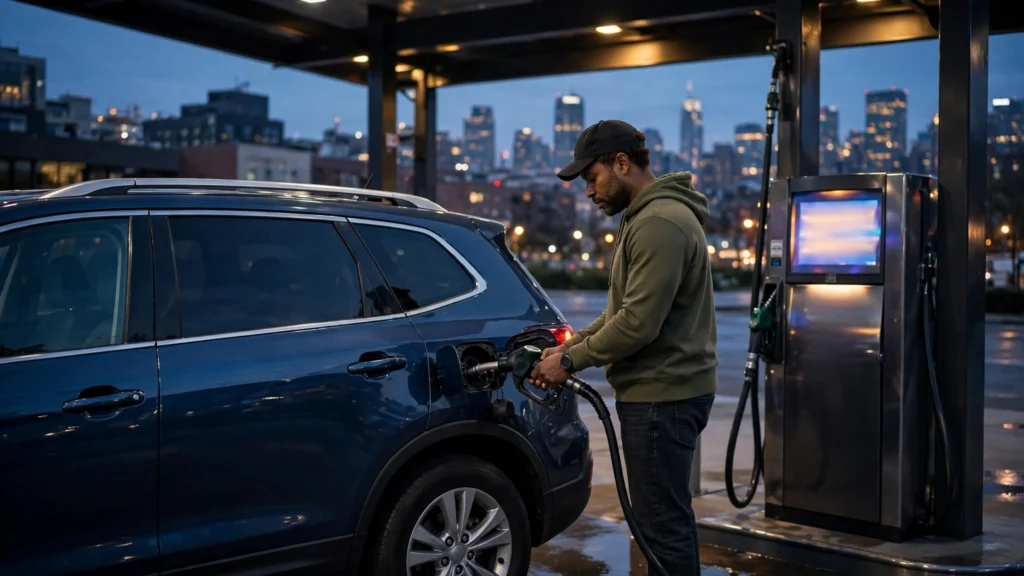
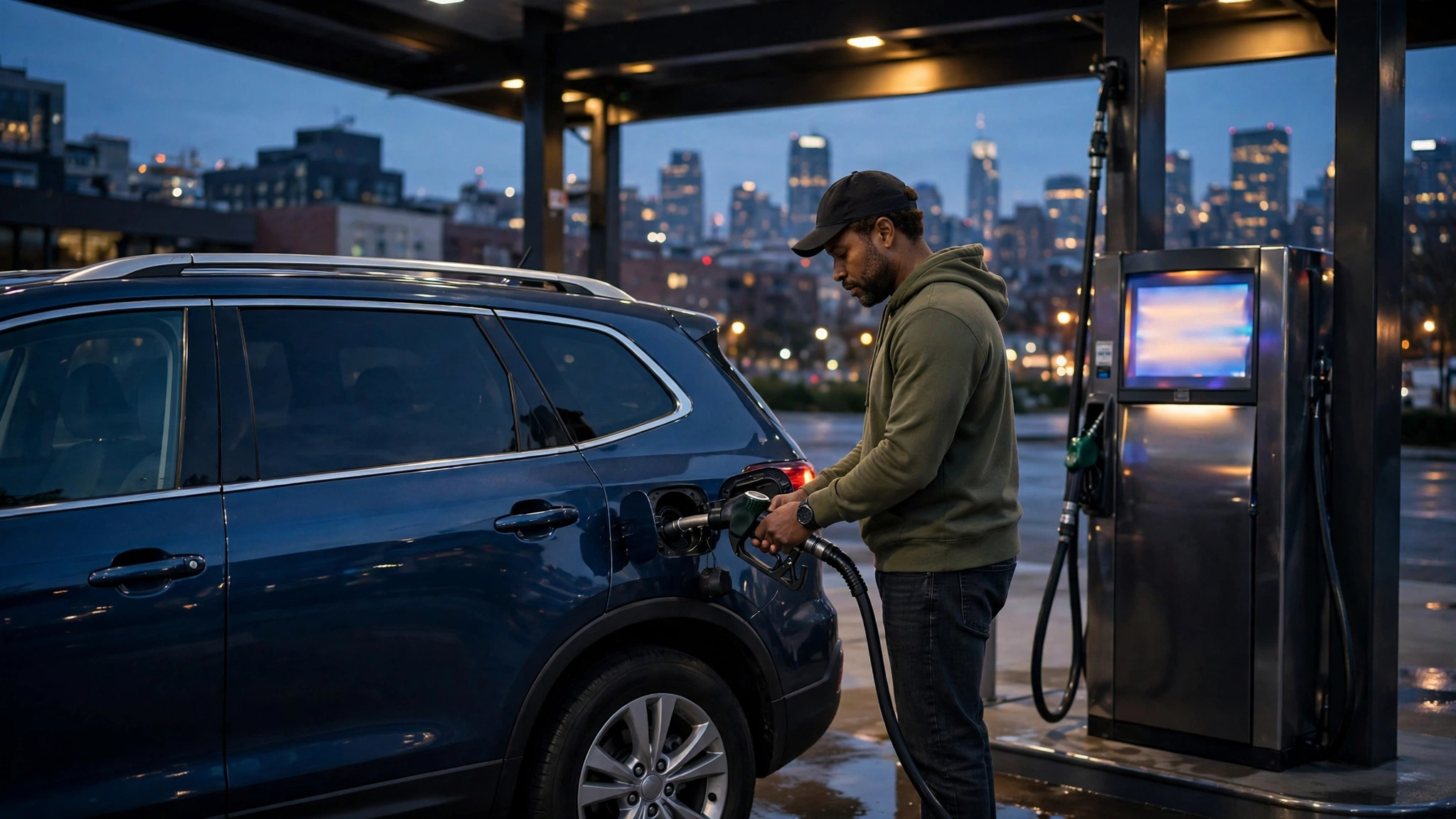
Gas prices did most of the damage. Prices at the pump surged 9.1% from August to September, according to the Bureau of Labor Statistics. The broader energy index is up 20.4% over the past 12 months. Fuel oil prices are up a staggering 74% from last September.
The Numbers Behind the Squeeze
Here is what the September report showed. Overall consumer prices climbed 0.6% from August, accelerating from the 0.4% monthly pace in August. Core inflation, which strips out volatile food and energy costs, rose 0.3% for the month and 2.6% over the year. Both core readings ran hotter than economists expected.
Food prices were flat in September after a small increase in August. Grocery prices actually fell 0.1%, while restaurant prices rose 0.2%. Food costs are up 2.5% over the past year, a calmer corner of the report.
Shelter costs rose 0.4% in September, a reminder that rent and housing keep climbing even when other prices pause. Used car and truck prices rose 0.7% for the month. Transportation services, which reflect what we pay to get around, rose 0.6%.
Why This Inflation Hits Black Families Hardest
When gas jumps 9.1% in a single month, it hits every driver. But it lands hardest on the households with the least room to absorb it. Black families are more likely to spend a bigger share of income on basics like gas, groceries and rent. When those prices rise, there is no cushion.
Think about the daily reality. Many Black workers commute longer distances to jobs in service, health care and retail. A spike at the pump is not an inconvenience. It is money taken straight out of the grocery budget.
Small Black owned businesses feel the double hit. Costs for supplies, deliveries and utilities keep climbing. At the same time, customers with tight budgets pull back on spending. Urban City Podcast recently reported on new risk tools coming to Black owned businesses, and stories like that matter even more when margins are this thin.

Consumer confidence tells the same story. It now sits at a 12 year low, according to USA Today. A WalletHub survey found that 52% of Americans believe inflation is going to ruin Christmas this year. For families already stretched thin, the holidays look like another financial hill to climb.
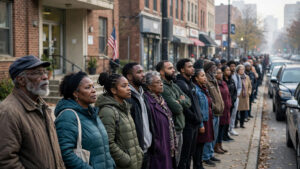
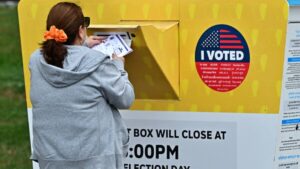
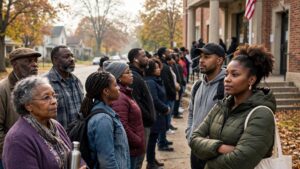
This is why the Black vote matters so much on Nov 3. When affordability is the number one issue, our community has the most to gain and the most to lose. The stakes of this election are measured in dollars at the pump and on the shelf.
What Is Driving Prices Higher
Several forces are pushing prices up at once. The war in Iran has roiled energy markets and driven fuel costs higher. Tariffs on imported goods have added costs that companies pass on to shoppers. Massive spending on artificial intelligence infrastructure has kept demand running hot.
The public sees the connection. A Reuters Ipsos poll found that about 78% of Americans blame the administration’s policies, including tariffs and the war in Iran, for rising prices. Those prices are now outpacing wages month after month.
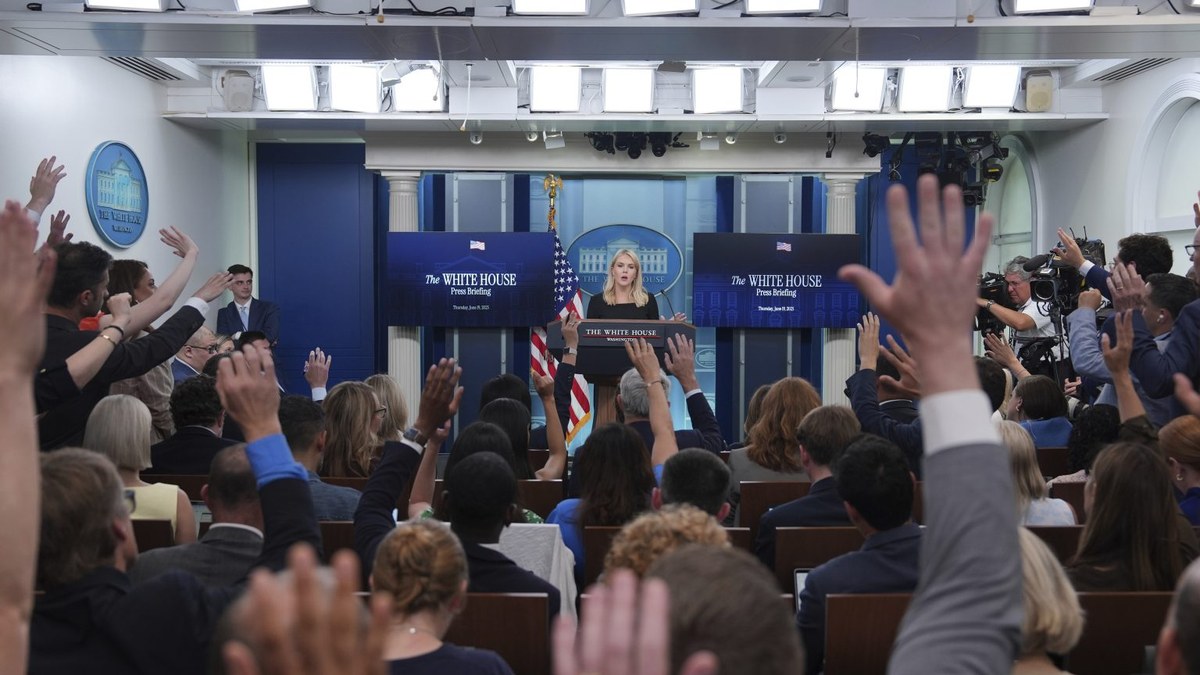
Rep. Brendan Boyle, the top Democrat on the House Budget Committee, said the president promised to end inflation on day one. More than 600 days into his second term, Boyle said, costs for American families have moved in the opposite direction.

All Eyes on the Fed and Nov 3
The Federal Reserve now faces a tough call. Last month, policymakers raised the benchmark interest rate for the first time in three years. They meet again on Oct 28 to decide what comes next. Markets see rising odds of another hike by December.
Higher rates are a blunt tool. They are meant to cool inflation, but they also make borrowing more expensive. Car loans, credit cards and mortgages all get pricier. For Black families already paying more to get by, that is a painful trade off.
Economists caution that one month does not set a trend. But three months of wages losing to prices is a pattern, not a blip. If inflation stays hot through October, pressure on the Fed to act again will only grow.
Between now and Election Day, every price tag is a campaign ad. Voters will be watching their wallets. Candidates who speak to the real cost of living, and who offer real plans to bring it down, will have the advantage.
The bottom line is simple. Prices are rising faster than pay, and Black families are on the front lines of that squeeze. Stay informed, stay engaged, and make your voice heard on Nov 3. Your budget depends on it.
Sources and Further Reading
- USA Today: Inflation surpassed worker paychecks for third straight month
- Reuters: US consumer prices accelerate in September on costlier gasoline
- CNN: Inflation was hotter than expected in September, rising to 3.7%
- Morningstar: September CPI report shows inflation at a 3.7% annual rate
- House Budget Committee Democrats: Boyle statement on September 2026 CPI data
- Urban City Podcast: NAACP Opens Legal Hub as DOJ Sends 1,000 Election Monitors
- Urban City Podcast: Kalshi and US Black Chambers Bring Risk Tools to Black Owned Businesses