7 min read
Major Takeaways
Governor Gavin Newsom signed AB 2599, the Truth in Disclosure Act, into law on September 30. The law makes California the first state in the nation to require large corporations to declare under oath whether they or their predecessors profited from slavery.
Covered companies must submit sworn affidavits to the California Civil Rights Department. First filings are due by January 15, 2029, once the legislature funds the public database.
Reparations advocates call the law a historic step toward corporate accountability. They say truth must come before repair, but cash payments for descendants remain the end goal.
California has now passed 15 reparations bills since its task force delivered a 1,100 page report in 2023. The law builds a paper trail that advocates plan to use to push the rest of the task force recommendations into law.
For the first time in American history, some of the biggest companies in the world must answer a direct question under penalty of perjury: did you profit from slavery?
California Governor Gavin Newsom signed the Truth in Disclosure Act, known as AB 2599, on September 30. The law orders large corporations doing business in California to search their records and publicly disclose any historical ties to chattel slavery.
Authored by Assemblymember Isaac Bryan of Ladera Heights, the measure was a top priority for the California Legislative Black Caucus. Newsom signed the bill during an on camera interview with civil rights attorney Bryan Stevenson.
“Accountability, as Bryan said, starts with the truth,” Newsom said. He described the filings as covering “insurance policies on enslaved people” and “human beings used as collateral, quite literally as collateral for loans.”
What California Slavery Disclosure Law Requires
The law reaches companies doing business in California with more than $100 million in annual worldwide gross receipts. It covers firms that existed, or had a predecessor company in operation, on or before December 31, 1964.
Once the legislature funds the process, covered companies must file sworn affidavits with the California Civil Rights Department. Each filing carries the penalty of perjury.
The disclosures must detail any involvement in the purchase or sale of enslaved people. They must also cover the use of enslaved people as loan collateral, slave related insurance policies, and other financial transactions tied to the slave economy.
Every filing will land in a publicly searchable state database. Journalists, researchers, and reparations advocates will be able to trace historical profits to present day corporate wealth. For companies doing business in California as of January 1, 2028, the first affidavits are due by January 15, 2029.
Why Reparations Advocates Are Celebrating
California advocacy groups are calling the signing a big, important victory. Kristin Nimmers, policy and campaign manager for the California Black Power Network and the Alliance for Reparations, Reconciliation, and Truth, called it a historic moment for corporate accountability.
“There are connections right now from slavery to current wealth of individuals and current wealth of corporations,” Nimmers told Fox News Digital. She said the law starts the work of identifying who really benefited from racial harm and from slavery.
James Woodson, chief executive officer of the California Black Power Network, said corporations have long profited from slavery while Black Californians have borne the public cost. He called the law a real step toward repair for Black Californians.
The California Black Power Network is a statewide coalition of 48 Black led and Black serving organizations across 14 counties. During the task force years, it served as an official state community anchor and hosted listening sessions that fed into the landmark report.
“It helps us move the work of the task force from recommendations toward implementation,” Nimmers said. She stressed that the law is one step in a much greater movement.

The 1,100 Page Report Behind the Law
AB 2599 did not appear from nowhere. It flows directly from the California Reparations Task Force, the first body of its kind in the nation, created when Newsom signed AB 3121 on September 30, 2020.
After two years of research and 30 public hearings, the task force delivered a 1,100 page report in 2023. The report documents past and continuing harm of anti Black discrimination across every sector of California life. It outlines 115 comprehensive policies for repairing that harm.
Former task force member Donald K. Tamaki said the report documents in painstaking detail how corporations built enormous fortunes from the free labor of enslaved people. He said that wealth compounded for generations while Black families were locked out.
The Truth in Disclosure law follows the report’s recommendations by forcing corporations to publicly disclose under oath any connections to the American slave economy. Tamaki called public transparency a critical first step toward full accountability.
With the governor’s signature, AB 2599 becomes the 15th reparations bill passed since the 2023 report. The list keeps growing. In 2024, Newsom signed AB 3089, a formal state apology for California’s role in perpetuating slavery. In 2025, he signed bills creating a Bureau for Descendants of American Slavery and directing the California State University to study how to confirm descendant status.
Cash Payments Remain the Bigger Fight
Advocates are clear that disclosure is only the start. Nimmers told Fox News Digital that financial reparations must go far beyond a single check. She said compensation must reflect slavery, unpaid labor, and the 40 acres and a mule that were promised and never delivered.
Newsom has taken a cautious stance on direct cash payments. He vetoed AB 2186, which would have exempted future state reparations payments from California personal income tax. The bill’s author called the veto disappointing.
Newsom also turned down a broader slate of cash focused reparations measures backed by the Black Caucus. But he approved state funding for universities to research how to verify descendants of enslaved Americans for potential future non cash benefits.
That tension defines the California reparations fight right now. The governor will sign bills that expose the truth and build the infrastructure of repair. He will not yet sign the checks.

What This Means for Black Families
The wealth gap did not happen by accident. For generations, banks insured enslaved people as property. Lenders accepted human beings as collateral. Companies built fortunes on free labor, and those fortunes compounded for more than a century.
Black families were locked out of that wealth building at every turn. The task force report shows how anti Black discrimination reached into housing, banking, education, and business ownership. The effects live on in today’s racial wealth divide.
This law attacks the silence. A public database of corporate slavery ties gives Black families and researchers receipts. It names who benefited. That evidence strengthens every future claim for repair, from business lending reform to direct compensation.
Assemblymember Bryan put it plainly: Californians deserve to know which companies built their wealth on the backs of enslaved people. Now they will.
What Happens Next
The legislature still must fund the disclosure process before filings begin. That fight comes next, and advocates plan to be loud about it.
The California Black Power Network says it will use AB 2599 as momentum to turn more task force recommendations into law. The alliance of 48 organizations is expanding its grassroots base to push for full implementation.
The story echoes beyond California. Local programs in places like Evanston, Illinois, have already paid $25,000 housing grants to Black residents to address historic housing discrimination. Similar efforts are being debated nationwide.
California keeps setting the pace. The question now is whether the paper trail this law creates will lead where advocates intend: from truth to accountability to repair. Our coverage of the Tulsa Race Massacre shows why documenting the harm has always been the first step.
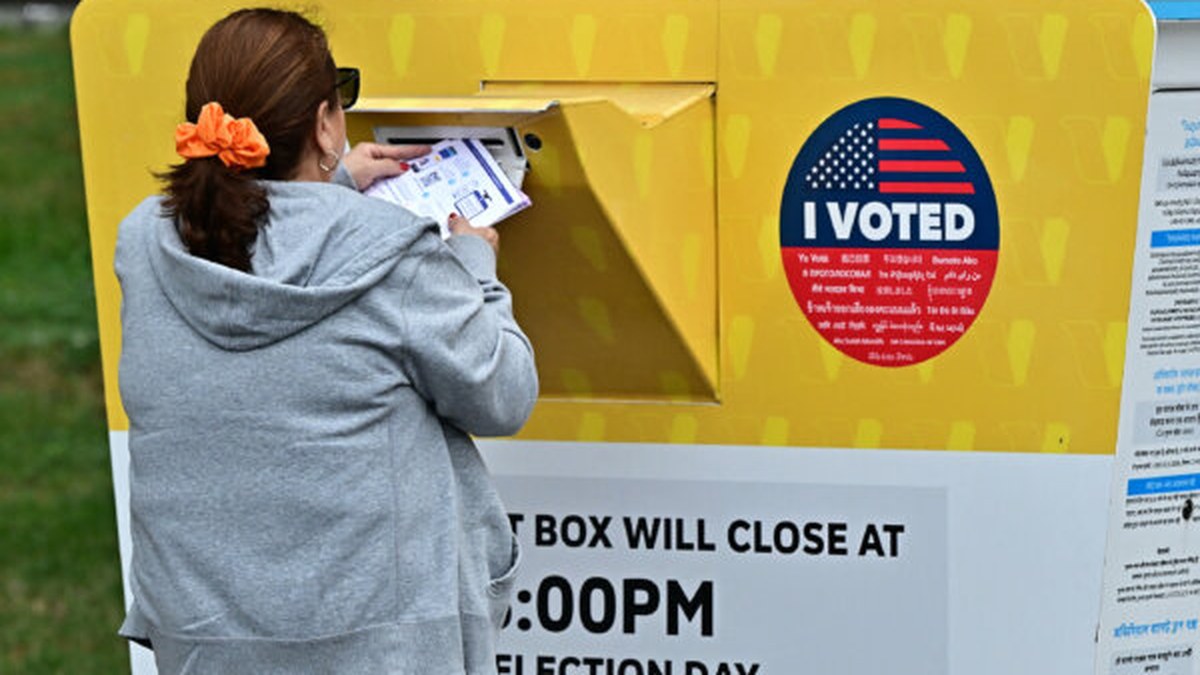
The midterms arrive November 3, and reparations policy is now a live question in multiple states. Black voters are organizing legal protection for the vote at the same time the reparations movement is organizing for repair.
This is how progress actually moves. One law at a time. One receipt at a time. Urban City Podcast will keep tracking where those receipts lead.