5 min read
Major Takeaways
- On May 31 and June 1, 1921, a white mob burned more than 35 blocks of Tulsa’s Greenwood district, once known as Black Wall Street.
- Official records list only 36 deaths. Historians and survivors say the true number may reach 300.
- More than a century later, no one has been held accountable. In 2025 Tulsa launched a $105 million repair trust for survivors and descendants.
How Black Wall Street Rose
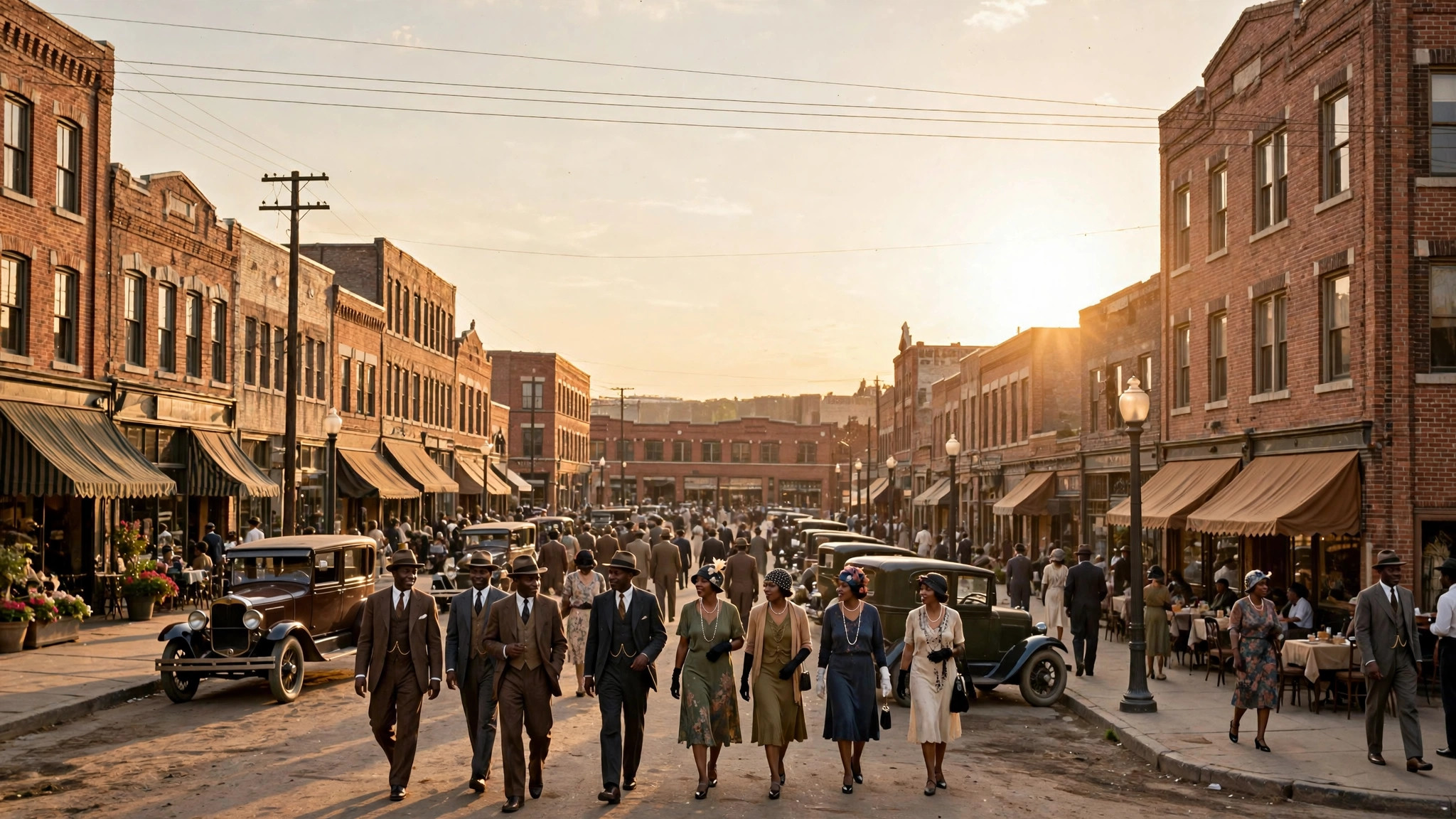
In 1906, entrepreneur O. W. Gurley bought land in what was then Indian Territory and opened it to Black families. He named the district Greenwood.
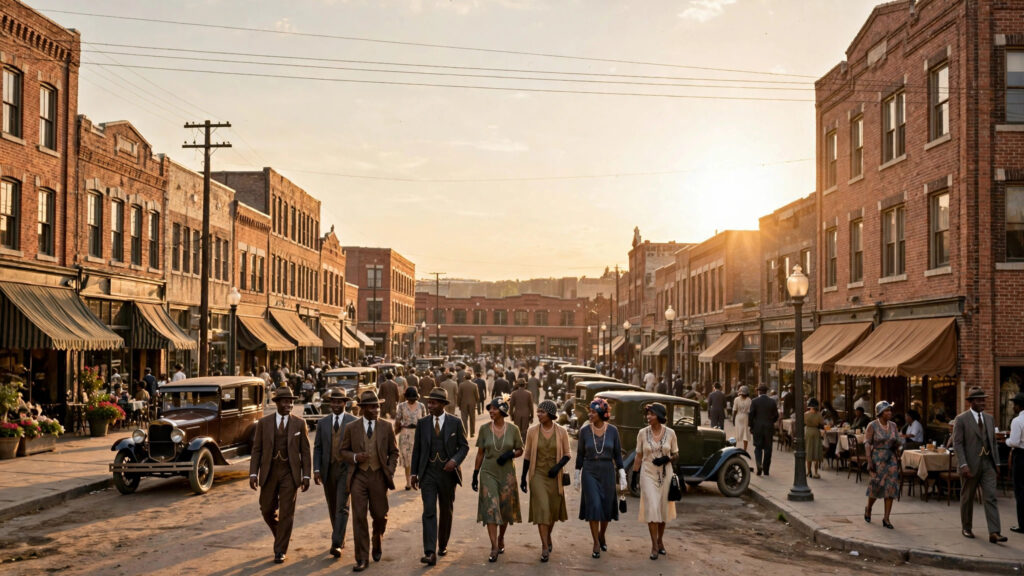
By 1921, Greenwood held nearly 10,000 Black residents and hundreds of Black owned businesses. The community had its own newspapers, theaters, schools, churches, a hospital and a library.
Dollars circulated inside Greenwood again and again before leaving. That simple practice built what the nation came to call Black Wall Street.
Greenwood proved what Black ownership can do under pressure. Its success also painted a target on its back.
The Tulsa Race Massacre Begins
On May 30, 1921, 19 year old Dick Rowland stepped into a Drexel Building elevator operated by 21 year old Sarah Page. What happened between them is unclear. No written statement from Page survives.
The Tulsa Tribune ran the headline “Nab Negro for Attacking Girl in an Elevator.” Rumors that Rowland faced a lynching spread through both communities.
On the evening of May 31, hundreds of white residents gathered at the Tulsa County Courthouse. A group of Black veterans, many of them World War I servicemen, arrived with rifles to stand guard and prevent a lynching.
The sheriff sent the veterans away. As they left, a scuffle broke out over a weapon. A single shot was fired. The sheriff’s own account later put it simply: all hell broke loose.
Eighteen Hours of Terror in Greenwood
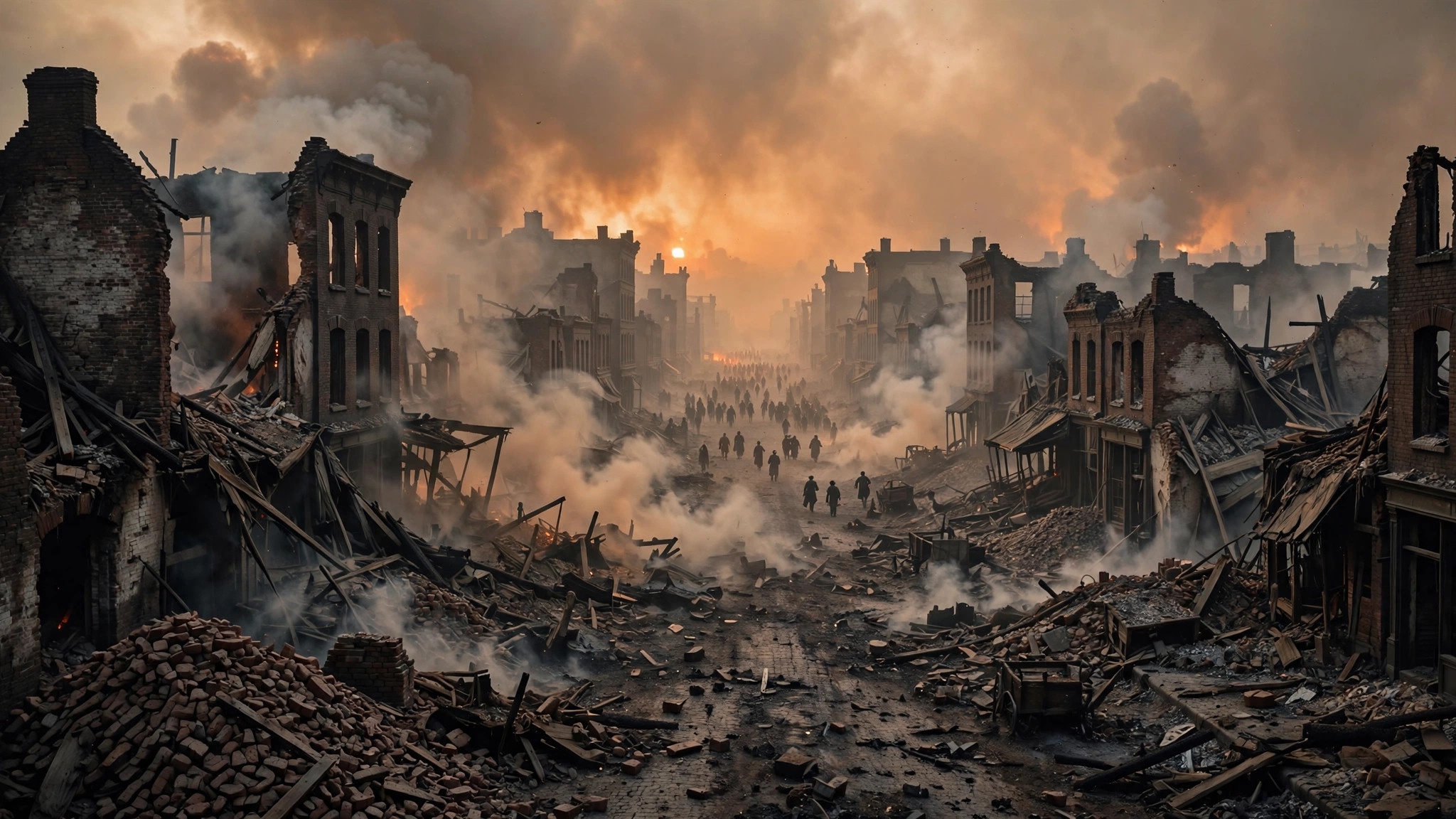
By dawn on June 1, thousands of white attackers poured into Greenwood. Many had been handed weapons and badges by city officials. They looted first, then set the fires.
House by house and block by block, the district went up in flames. Eyewitnesses reported machine guns. Some said airplanes dropped incendiary devices on the neighborhood.
Dr. A. C. Jackson, one of the most respected Black surgeons in the country, surrendered with his hands up. He was shot and killed anyway.
By noon on June 1, the National Guard declared martial law and the attack ended. More than 35 square blocks lay in ruins. Over 800 people were wounded. As many as 6,000 Black residents were rounded up and interned. Nearly 10,000 were left homeless.
The Cover Up That Lasted Decades
The Oklahoma Bureau of Vital Statistics recorded 36 deaths. A state commission in 2001 confirmed 39 based on death certificates and autopsy records.
Survivor accounts tell a different story. Historians now estimate the true death toll may be as high as 300.
The gap exists because the city buried the truth. Mass graves were dug in secret. Photographs were seized from survivors. Insurance claims by Black residents were denied across the board.
No white attacker was ever prosecuted. For decades, Oklahoma textbooks skipped the massacre entirely. It was filed away as a “riot,” a word that spread the blame equally and hid who started it.
Justice Denied, Repair Ongoing
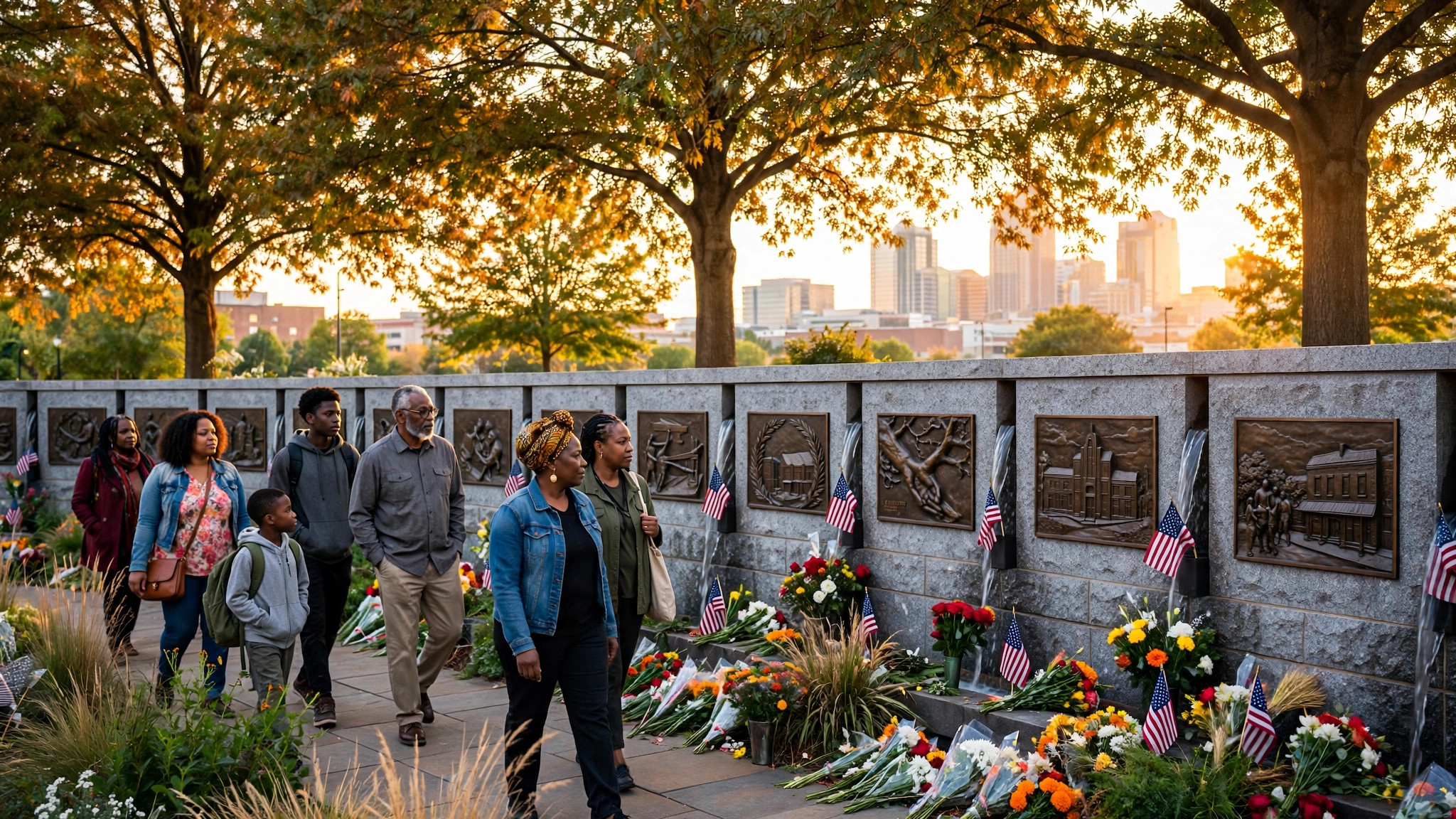
The first official reckoning came 80 years late. In 2001, an Oklahoma commission finally acknowledged the city’s role and recommended reparations. Little followed.
In 2021, centennial commemorations drew national attention. Survivors Viola Fletcher and Lessie Benningfield Randle testified before Congress and demanded justice.
In 2020, Fletcher, Randle and Fletcher’s brother Hughes Van Ellis Sr. sued Tulsa under the state’s public nuisance law. An Oklahoma district judge dismissed the case in 2023. The Oklahoma Supreme Court upheld that dismissal on June 12, 2024.
The justices ruled that the claims, though legitimate, could not be resolved by courts. The survivors’ legal team answered that in more than 100 years, no court has held a trial on the massacre and no one has been held accountable.
In the final days of the Biden administration, the Justice Department released a report concluding that no avenue for criminal prosecution remains.
Then Tulsa elected its first Black mayor. On June 1, 2025, Monroe Nichols announced the Greenwood Trust, a private charitable effort aiming to secure $105 million by the 105th anniversary in June 2026. The money targets housing, cultural preservation and a legacy fund for survivors and descendants.
Why Black Wall Street Still Matters
Greenwood proved what Black communities can build with ownership and cooperation. Its destruction showed how fast white supremacy will move to tear it down.
The racial wealth gap that opened in Greenwood never closed. Researchers trace generations of lost wealth from neighborhoods like it across America.
Tulsa also teaches a media lesson. The Tribune’s inflammatory coverage helped summon the mob. Sensational headlines still carry the power to spark real world violence.
And the memory work continues. Excavations for mass graves go on. The Greenwood Cultural Center keeps the story alive. Every lesson taught about Black Wall Street weakens the cover up.
Black Wall Street was not a fairy tale. It was a business plan. Ownership at the center remains the answer. For more on how Black communities build economic power today, see Urban City Podcast’s report on Black owned businesses and risk tools.
Yesterday’s courage fuels today’s fight. Read our Black in the Day feature on Fannie Lou Hamer, the sharecropper who challenged America, and keep exploring at urbancitypodcast.com.
Sources and Further Reading
- History: Black Wall Street Before, During and After the Tulsa Race Massacre
- Historic Black Wall Street: The 1921 Tulsa Race Massacre, Causes and Legacy
- AURN: Oklahoma Supreme Court Dismisses Tulsa Race Massacre Reparations Case
- Reuters via SRN News: Tulsa Mayor Announces $105 Million Trust
- Tulsa Beacon: Greenwood Trust Announced