5 min read
Major Takeaways
- More than a dozen French Quarter street performers packed a council meeting on Thursday to protest a Louisiana State Police crackdown.
- Council President JP Morrell called the enforcement completely and totally ridiculous and told the police captain to tell troopers to “stay in your lane.”
- Singer Sariyah Idan testified that a trooper told her, “I could just put you in jail,” as she packed up from a Saturday set.
- The same council then voted 6 to 0 to raise state trooper patrol funding in the Quarter from 260,000 dollars to 600,000 dollars.
- Morrell warned that the city has been sued over performer enforcement again and again, and has lost repeatedly.
The French Quarter runs on Black culture. The brass, the voices, the readers and dancers on Royal Street are not decoration. They are the sound the whole world comes to New Orleans to hear.
On Thursday, that culture walked into City Hall and defended itself, after Louisiana State Police troopers spent a week ordering performers off the corners where they make their living.
What happened next said everything about how power works. The council gave the performers the words they came for. Then it gave the troopers the money.
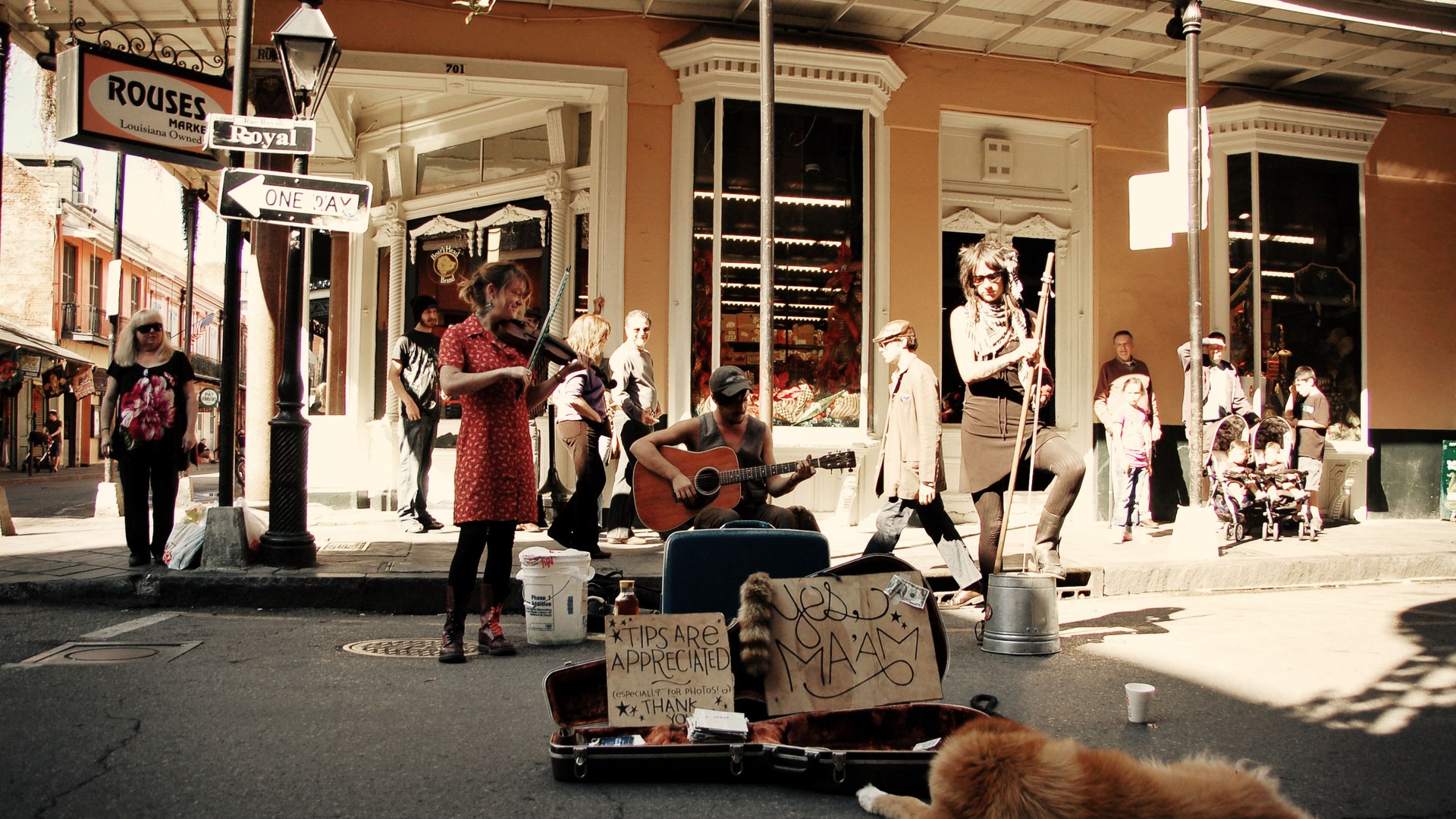
A street band performs on Royal Street in the French Quarter. Photo credit: Britt Reints via Wikimedia Commons
The Culture Showed Up and Spoke for Itself
More than a dozen musicians, dancers, poets, and tarot readers took the microphone during nearly an hour of public comment.
Singer Sariyah Idan described what happened the Saturday before, when five state troopers approached her at Royal and St. Louis streets as she took a break between sets.
She said the troopers told her she was blocking the sidewalk and needed a permit to perform. As she packed up, she testified, one trooper told her, “I’m being nice. I don’t have to be nice. I could just put you in jail.”
Clarinetist Doreen Ketchens, who has played these streets for more than 40 years, told the board that her only arrest in all that time came from performing.
The enforcement push began the week before, run by the city police, the sheriff’s office, and state troopers. Eighth District Captain Samuel Palumbo told the council the goal was not to shut performers down, but to keep sidewalks and business entryways clear.
Stay in Your Lane
Council President JP Morrell was not buying it. He called the enforcement “completely and totally ridiculous” and pointed to the free speech rights of the performers.
“Performers performing is not crime in the Quarter,” Morrell said. “We do not have an endemic of street performer violence going on in the city of New Orleans.”
Then he aimed his message at the captain. Tell the state troopers, Morrell said, to “stay in your lane” and deal with crime.
Morrell also warned that the city has been sued over the harassment of street performers over and over, and has lost repeatedly, and that looking the other way would not protect the city this time.
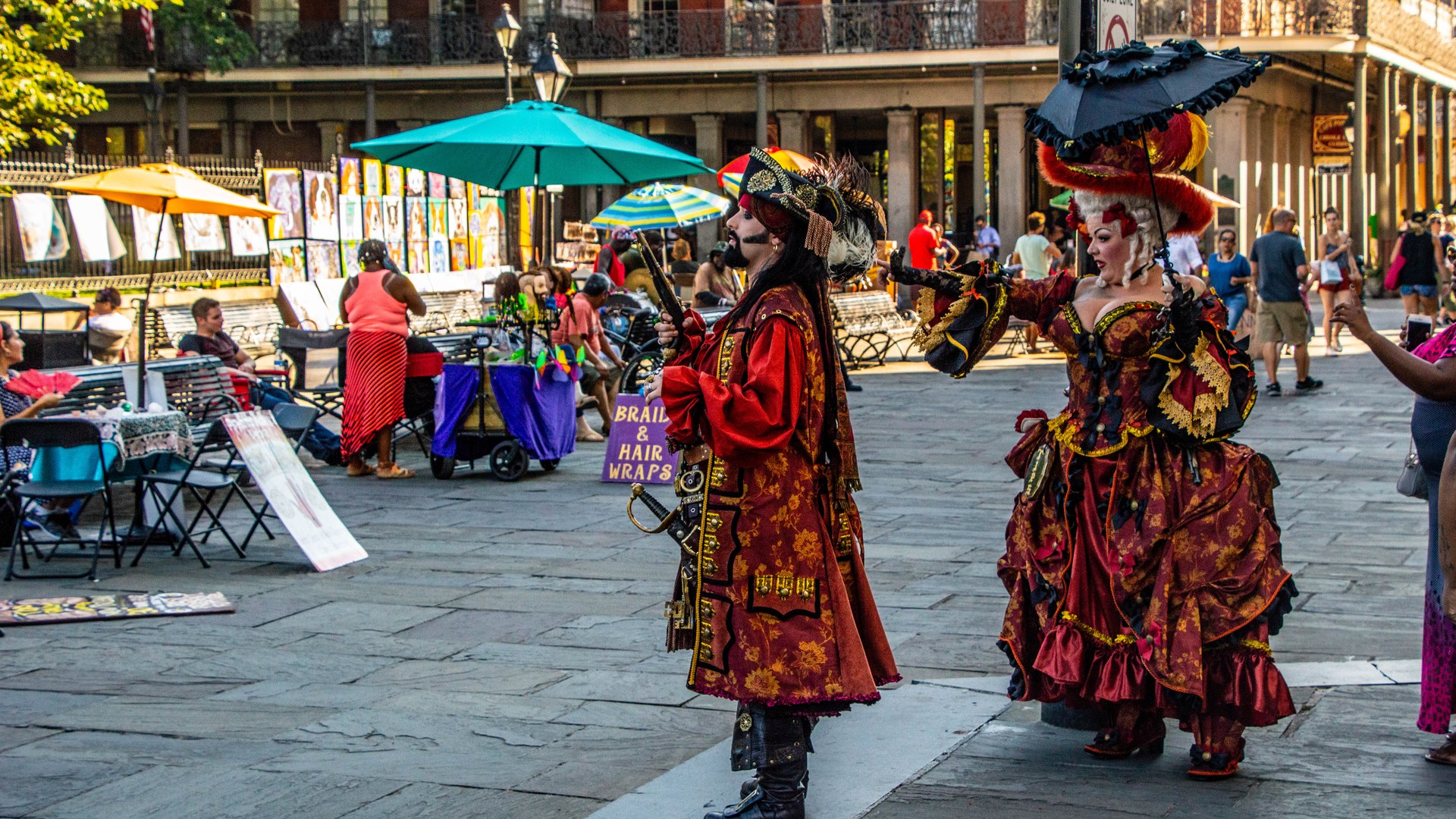
Costumed performers work the crowd in Jackson Square. Photo credit: Michael Gaylard via Wikimedia Commons

Then the Same Council Voted the Other Way
Minutes later came the vote. Sitting as the board of the French Quarter Economic Development District, the council approved the district budget for 2027 by a vote of 6 to 0.
Inside that budget, funding for Louisiana State Police patrols in the Quarter jumps from 260,000 dollars to 600,000 dollars, nearly double, enough to double the trooper presence on the street.
The money flows from a small sales tax collected inside the Quarter and is administered by the French Quarter Management District. The performers in the room had asked the council to reject the increase.
The council heard them, praised them, and funded the patrols anyway.
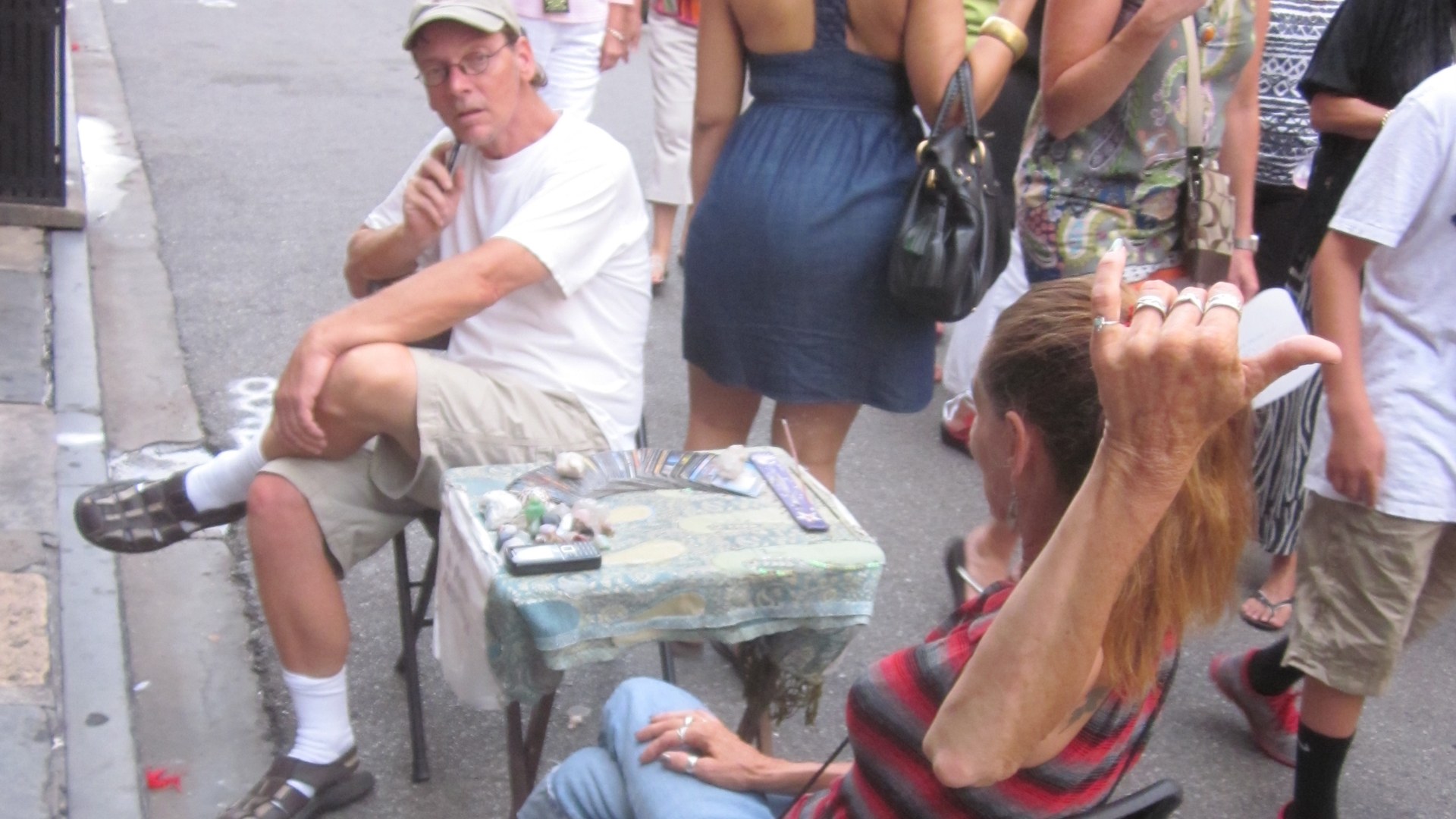
A tarot reader works her table on Royal Street. Photo credit: Infrogmation of New Orleans via Wikimedia Commons
What Protection Is Worth When the Check Clears
Nobody should mistake what is being policed here. Street performance in New Orleans descends from Congo Square, from brass bands and second lines, from Black artists who turned public space into a stage when every door was closed to them.
That tradition still feeds families. A trooper with the power to end a set, demand a permit the law does not require, and threaten jail is holding somebody’s rent money in his hands.
Morrell’s words matter, and the performers who filled that room made sure the whole city heard them. But words are the speech. The budget is the policy.
Until the votes match the speeches, the culture that makes New Orleans New Orleans will keep having to defend itself in the same room where it is celebrated.
Follow this fight and more in our Big Back Politics and News coverage at Urban City Podcast.