7 min read
Major Takeaways
- The CDC counts 5,838 measles cases so far in 2026, the worst year since 1991, and America has lost its measles elimination status.
- A Virginia child younger than five has died, the first measles death in that state in 2026.
- Black toddlers trail other groups on the MMR shot, and homes shared across generations give this virus more chances to spread.
- Two doses of the MMR vaccine are about 97 percent effective, and fast action after an exposure can still protect your family.
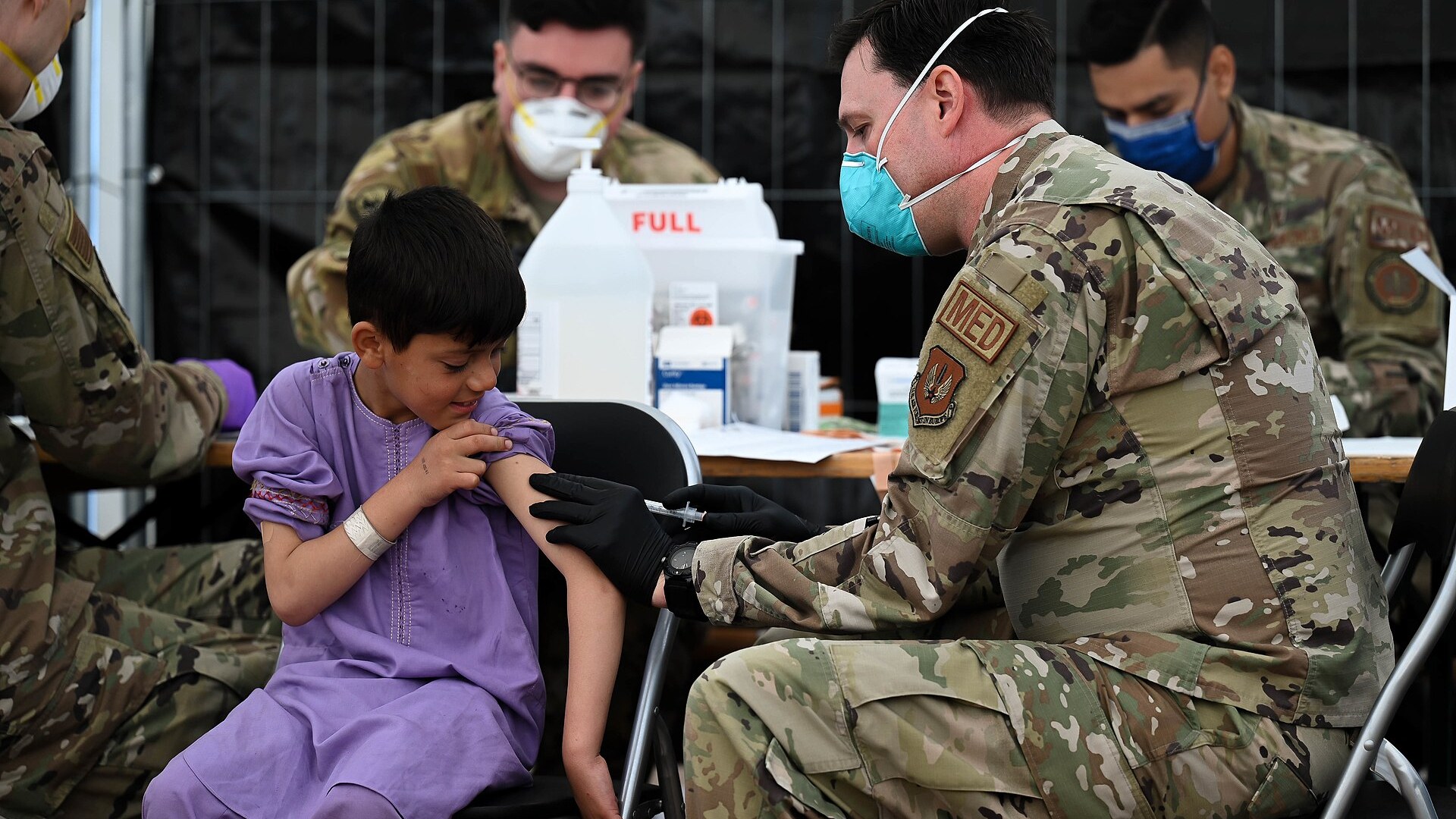
Measles is roaring back in America, and it is not slowing down.
The Centers for Disease Control and Prevention reported 5,838 measles cases as of November 19. That is the highest yearly total since 1991, and the CDC has confirmed six deaths so far in 2026.
Earlier this month the country also lost the measles elimination status it had held for 26 years, a fall we documented in America Loses Its Measles Elimination Status After 26 Years.
On Friday the Virginia Department of Health announced sadder news. A child between birth and age four who tested positive for measles has died, the first measles associated death in Virginia in 2026.
Virginia has counted 220 cases this year. Forty of them were in children younger than five.
Why measles is so dangerous
Measles usually starts like a bad cold that keeps getting worse. A high fever can climb to 105 degrees, joined by a cough, a runny nose and red, watery eyes.
Small white spots can appear inside the mouth. A few days later a red rash breaks out on the face and spreads down the body.
The virus travels through the air when an infected person breathes, coughs or sneezes. It can hang in the air of a room for up to two hours after that person walks out.
That is what makes measles one of the most contagious diseases on earth. The CDC says up to nine out of ten people with no protection will catch it if they share air with someone who has it.
A person with measles can spread it from four days before the rash shows up until four days after. Many people are contagious before they know they are sick.
For many children the illness passes. For too many it does not. Measles can bring ear infections, severe diarrhea and pneumonia.
About one out of every 1,000 cases develops swelling of the brain, which often leaves permanent damage. One to three out of every 1,000 children who catch measles will die.
The virus can also weaken the immune system itself. It wipes out defenses the body already built against other germs, leaving a child exposed long after the rash fades.
The danger is highest for children younger than five, for pregnant women, for people whose immune systems are weak, and for babies too young for their first routine shot.
What this means for Black households
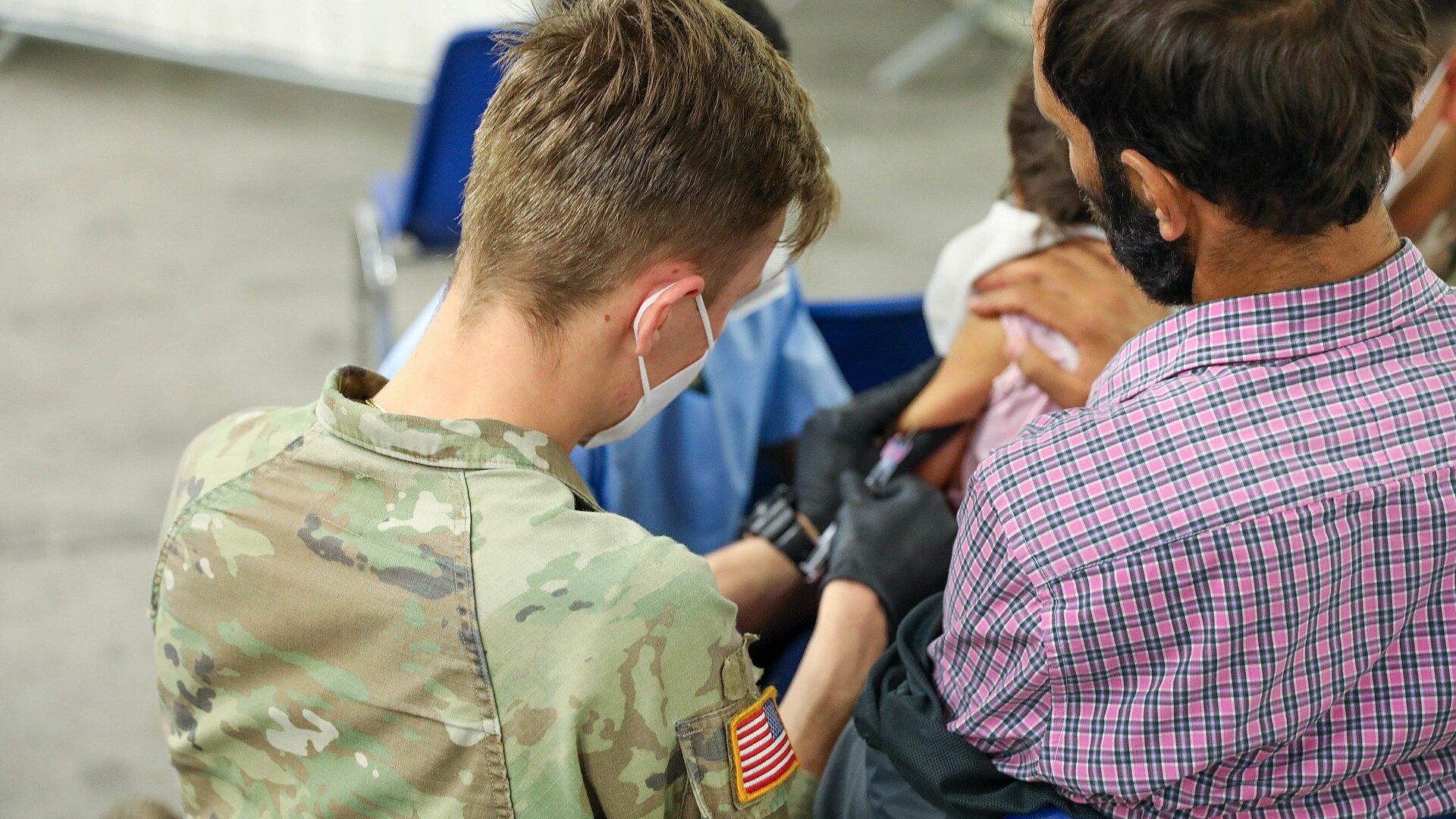
The national numbers hide an uneven map. Federal survey data show that by their second birthday, about 89 percent of Black children in the most recent groups studied had received at least one dose of the MMR vaccine.
That trails white children at 90 percent and Asian children at 92 percent. It also sits below the national goal of 90.8 percent, and only about two thirds of Black toddlers had finished the full set of recommended childhood shots by age two.
The reasons are practical as much as personal. A parent working two jobs has to find a clinic that stays open after work, get across town, and take time off that may not be paid.
When the appointment is hard to reach, the shot gets delayed. A delayed shot is exactly the opening this virus needs.
Trust plays a role too, and it did not come from nowhere. From 1932 to 1972, a federal study in Tuskegee, Alabama let hundreds of Black men go without treatment for syphilis so doctors could watch the disease run its course.
That history is documented, and it still shapes how many Black families hear medical advice. In a 2025 national survey of parents, Black parents were at least ten points less likely than white parents to say they were confident the MMR vaccine is safe.
Many of our households also span generations, with babies, children in school and grandparents under one roof. That is a strength of our families.
It also means one case brought home from school or daycare can reach the people most likely to get very sick, from a grandmother in treatment to a baby who just came home from the hospital.
How to protect your household
The good news is that protection is simple and proven. Here is what to do.
1. Know the schedule. Children should get a first MMR dose at 12 to 15 months and a second dose at 4 to 6 years. Two doses are about 97 percent effective at stopping measles.
If your child missed a dose, it is not too late. Children and teens can catch up, and adults born in 1957 or later who cannot show they were vaccinated should ask a doctor about at least one dose.
During an outbreak, health departments may advise an early dose for babies from 6 to 11 months old. That early dose does not replace the two regular doses after the first birthday.
2. Check the records. Not sure who in your house has had the shot? Call your child doctor, your school nurse or your state health department. States keep immunization registries that can pull up the record.
If no record can be found, health officials say the safe move is to get vaccinated. An extra dose is not harmful.
3. Move fast after an exposure. If someone in your home was around a person with measles, call your doctor or your health department the same day. Do not wait for symptoms.
Given within 72 hours of exposure, the MMR vaccine can prevent measles or make the illness milder. For those who cannot take the vaccine, a treatment called immune globulin can help if it is given within six days.
That group includes babies younger than 12 months, pregnant women and people with weak immune systems. These are the calls that cannot wait until Monday.
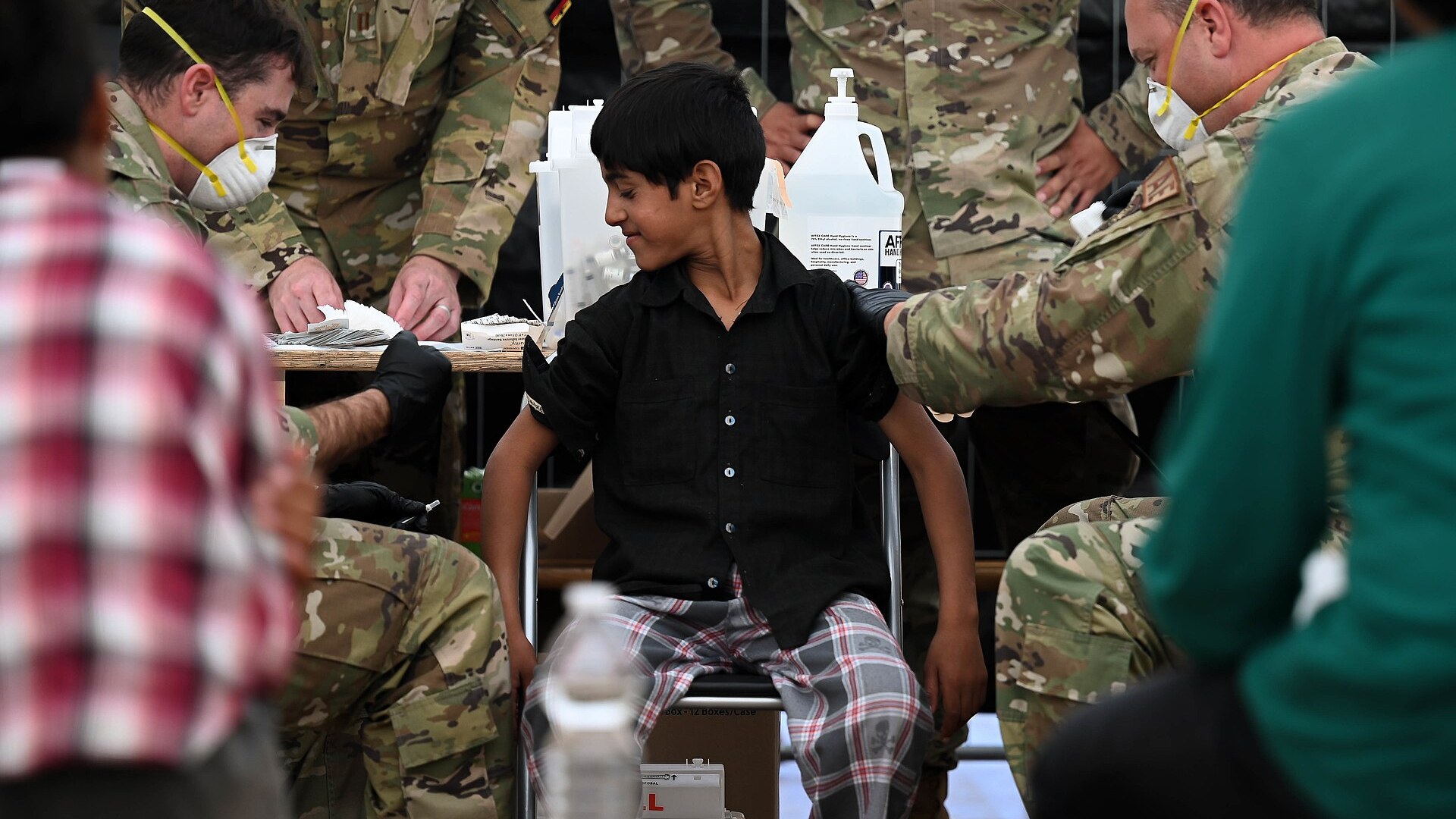
4. Shield the babies. Babies younger than six months cannot get the vaccine at all, and babies under a year old have the most to lose. Their protection is the people around them.
Ask visiting family to be current on their own shots. Keep anyone with a fever, a cough or a rash away from the baby until they are well.
5. Keep sick children home. A child with measles can spread it four days before the rash appears and four days after. Keep them home and away from others, above all babies and anyone who is pregnant.
If you need medical care, call ahead before you walk in. Staff can bring your child in a way that keeps other families in the waiting room safe.
6. Know the emergency signs. Get emergency care right away if a sick child is struggling to breathe, shows signs of dehydration such as a dry mouth and no tears, seems confused or hard to wake, or has a seizure.
Cost should not be the reason a child goes without. A federal program called Vaccines for Children covers the shot free for children who are uninsured or on Medicaid, and health departments offer it at low cost or no cost.
Measles was once beaten in this country because families showed up and got the shot. It can be beaten again the same way, household by household, starting with one phone call to check the records in your home.
For more reporting that puts your family first, browse our Health and Wellness coverage.